Meaning
Radio frequency sensors operating in the seventy-seven gigahertz spectrum provide high resolution spatial detection for advanced driver assistance systems and industrial automation. Seventy-seven gigahertz radar is a sensing technology that utilizes the millimeter wave band to detect the distance and velocity and angle of objects in the vicinity of a sensor. Engineers use this specific frequency range because the short wavelength allows for smaller antenna sizes and higher precision than lower frequency alternatives.
The bandwidth available in this band supports high range resolution and improved velocity accuracy. Applications typically include adaptive cruise control and blind spot detection plus emergency braking systems. The technology operates under strict regulatory masks to prevent interference between adjacent vehicles and other wireless infrastructure.
Development of these systems requires precise calibration of the antenna array and the protective housing to maintain signal integrity across varying environmental conditions.
Bandwidth Allocation
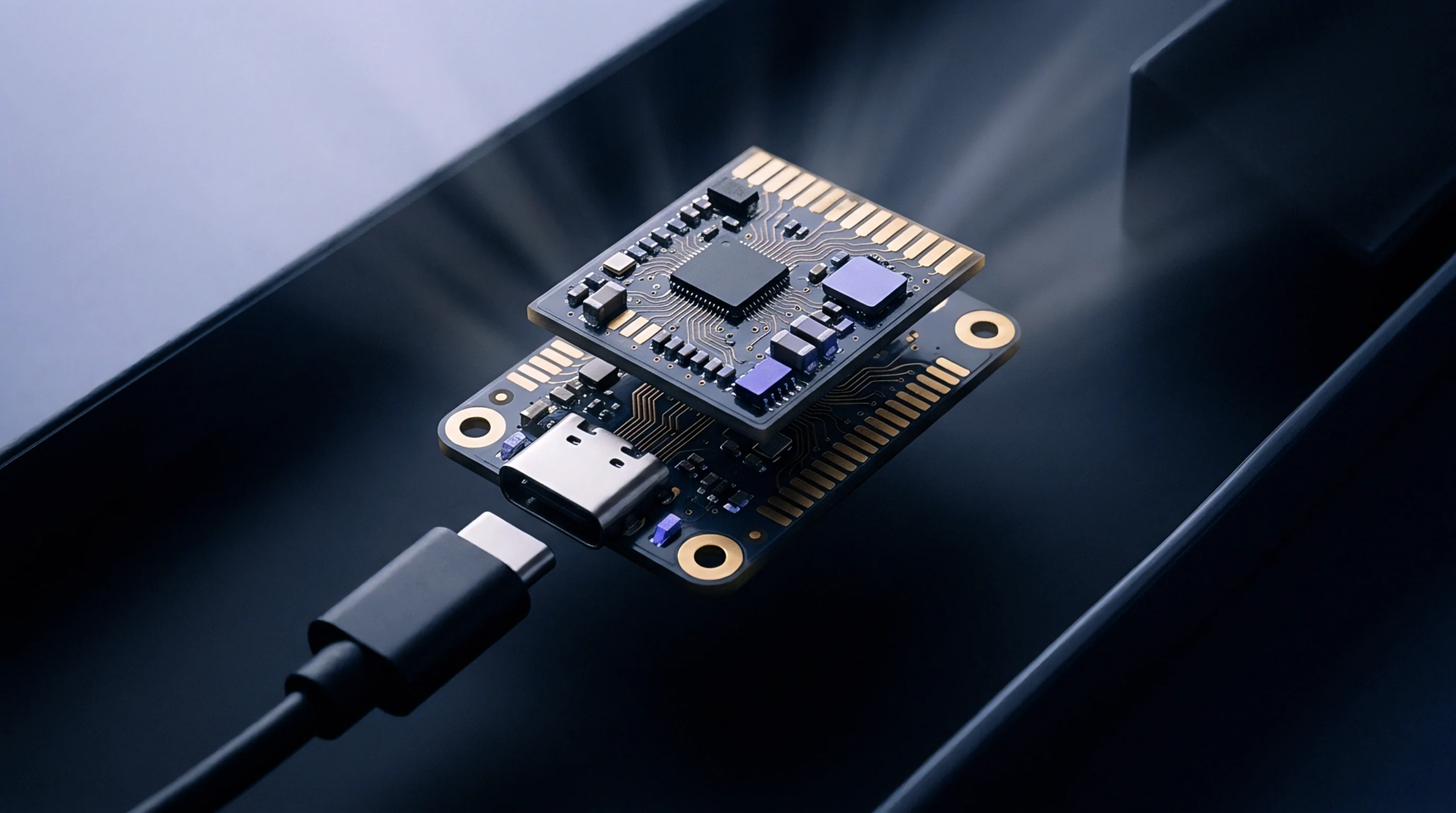
The choice of the seventy-seven gigahertz band provides an advantage in terms of hardware miniaturization and signal performance. Because the wavelength is approximately four millimeters, antenna elements are small enough to fit within compact integrated circuits or small printed circuit boards. A typical 77 ghz radar system uses frequency modulated continuous wave signals to determine the time of flight and doppler shift of reflected energy.
The wide bandwidth available in this allocation, often up to four gigahertz, allows the sensor to distinguish between two objects that are located very close together. This capacity for fine grain discrimination is necessary for differentiating a stationary pedestrian from a parked vehicle or a guardrail. Engineers balance signal power against sweep time to ensure reliable detection at high vehicular speeds.
Target Resolution
Achieving high spatial resolution requires a combination of wide sweep bandwidth and sophisticated digital signal processing. When 77 ghz radar sweeps across its frequency range, the resolution of the range measurement is inversely proportional to the total bandwidth covered. A system using a four gigahertz sweep can achieve a range resolution of under five centimeters, which is superior to legacy systems operating at twenty-four gigahertz.
Angular resolution is also improved through the use of multiple input multiple output antenna configurations. These arrays create a large virtual aperture that allows the sensor to resolve the horizontal and vertical positions of targets with high accuracy. Detailed point clouds generated by these sensors provide the necessary data for object classification and tracking in dense urban environments.
The integration of advanced algorithms helps to filter out noise and ground clutter, providing a clear representation of the operational scene. This data allows the vehicle control unit to construct a detailed map of the surroundings for safer navigation.
Radome Integration
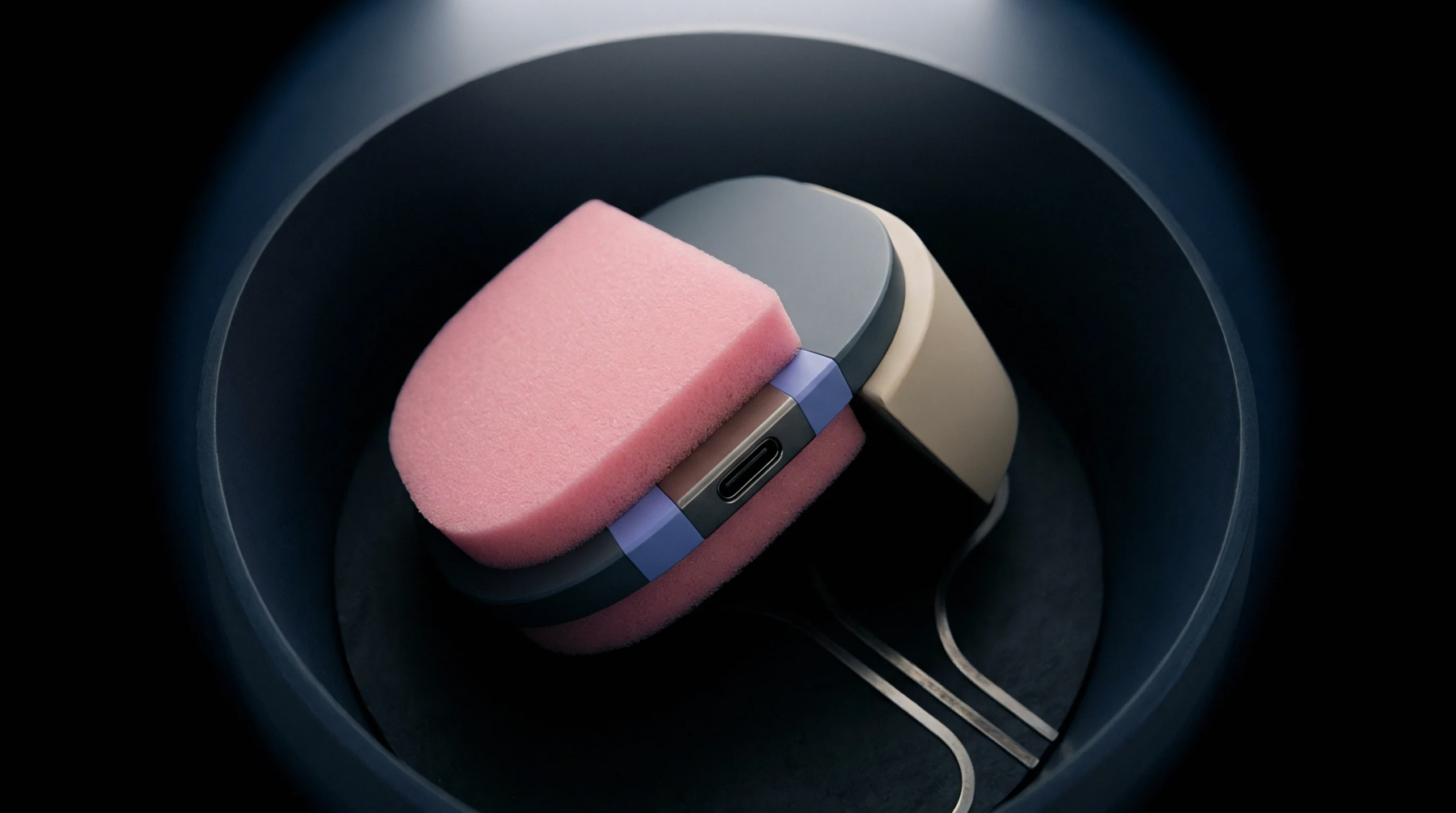
Integrating these sensors into a vehicle or industrial machine involves careful consideration of the radome and the thermal environment. The 77 ghz radar must transmit through a plastic cover that is transparent to millimeter waves to avoid signal attenuation or boresight error. Material selection for this cover is critical, as any mismatch in the dielectric constant or wall thickness will cause internal reflections.
Internal reflections lead to ghost targets and reduced detection range. Engineers also manage the heat generated by the high speed processors required to handle the raw data from the antenna. Effective thermal management ensures the sensor maintains its sensitivity and frequency stability over the entire operating temperature range of the equipment.