Meaning
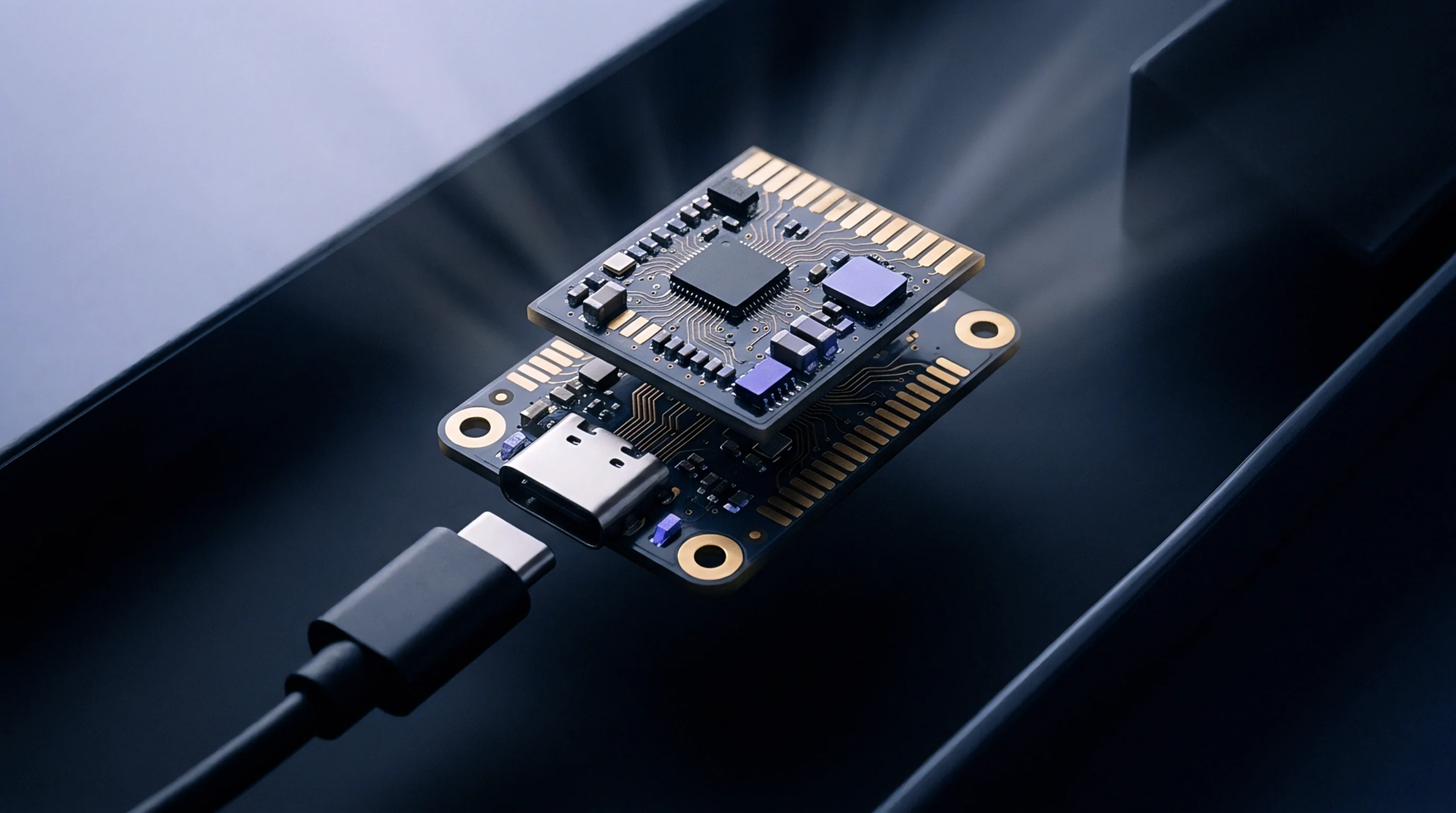
Distributed power spectral density measures the allocation of signal energy across a frequency spectrum per unit bandwidth, governing RF transmitter compliance and spectral emission masks inside wireless connectivity modules. Power spectral density dictates how much power occupies a specific frequency band, which directly limits out of band emissions that interfere with neighbouring radio channels. This metric establishes the ceiling for amplifier output stages during modular type approval testing.
Regulatory bodies enforce strict limits on power spectral density to prevent unauthorized spectrum occupation.
Measurement Boundary
RF test houses evaluate this distribution during antenna port conducted measurements using vector signal analysers. Engineers capture radio frequency signals across wide frequency spans to compute amplitude variance per hertz. Power spectral density calculations translate time domain voltage samples into frequency domain representations via fast Fourier transforms.
Calibration procedures require precise insertion loss compensation between the device under test and the receiver input. Thermal noise floors within the test setup must remain significantly lower than the measured signal to ensure test repeatability.
Hardware Margin
Circuit designers constrain power spectral density by selecting linear power amplifiers that avoid spectral regrowth during high duty cycle transmissions. Peak power limits interact with average power allocations, forcing hardware teams to adjust duty cycles or apply digital predistortion algorithms. Power spectral density peaks can overheat integrated RF front ends if thermal dissipation paths fail to transfer heat away from the board substrate.
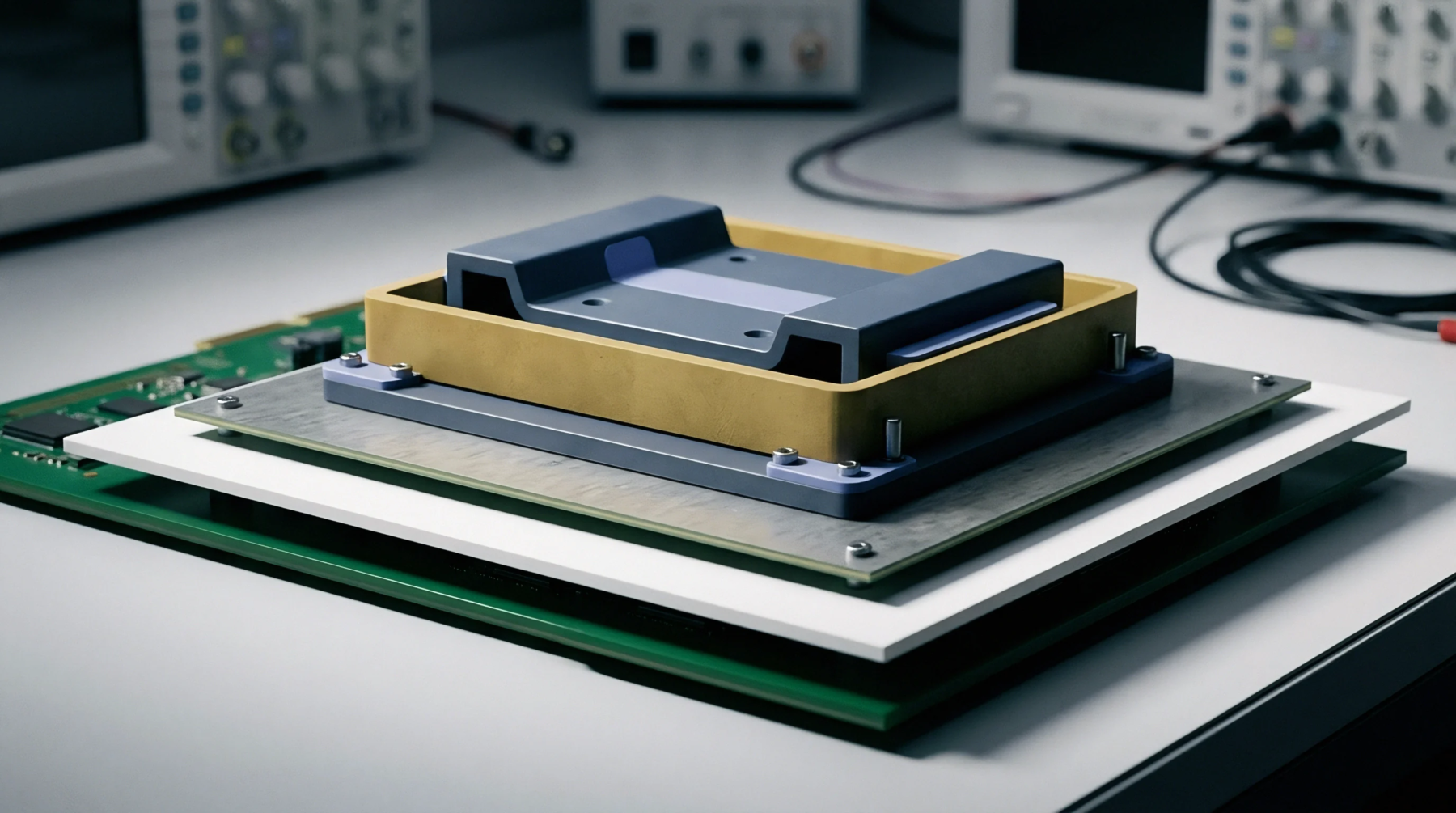
Enclosures must accommodate these thermal loads while maintaining electromagnetic shielding integrity. Component ageing shifts operational characteristics, requiring sufficient engineering margin between nominal emission levels and regulatory limits.
System Compliance
Certification laboratories inspect power spectral density logs during modular approval filings to verify adherence to regional spectrum allocation mandates. Final assembly tests confirm that internal cabling and housing geometries do not introduce parasitic resonances that distort the intended emission profile. System integrators review compliance test reports before mounting radio modules onto host motherboards to guarantee legal operation.
Non-compliant spectral emissions lead to immediate test failure and mandatory redesign of the RF matching network. Proper spectral containment ensures multiple wireless technologies coexist within shared frequency bands without mutual desensitisation.