
FCC Class II Permissive Change Mechanics for Antenna Modifications in Modular Host Integrations
Modifying modular antennas triggers FCC Class II Permissive Changes whenever gain, radiator type, or host SAR conditions alter baseline RF compliance.
Modifying modular antennas triggers FCC Class II Permissive Changes whenever gain, radiator type, or host SAR conditions alter baseline RF compliance.

Class Two Permissive Changes are triggered when physical, antenna, or firmware modifications alter RF emissions or RF exposure without exceeding original grant limits.

Unbroken ground planes beneath RF traces and tight stitching via spacing eliminate parasitic slot radiation and prevent costly regulatory chamber retests.

Dense transceiver enclosures generate common-mode currents and dynamic intermodulation across metal seams, requiring early near-field scanning to prevent costly compliance retests.

Co-located radio Class II Permissive Changes demand radiated intermodulation scans and exposure summation when transmitter antennas sit within 20 cm.

Integrating unshielded limited modules transfers regulatory compliance liability to host manufacturers, requiring Class II permissive changes and host chamber validation.

Modular host integration triggers a Class II Permissive Change whenever trace redesigns, antenna swaps, or co-location alter SAR or radiated emissions profile.

FCC Part 15 modular rules allow pre-certified radios in host devices provided shielding, power regulation, labeling, and antenna limits match grant guidelines.

Integrating approved radio modules into custom host enclosures alters radiated spurious emissions, demanding targeted spot checks to preserve market compliance.

Intermediate host integration requires Class II Permissive Changes when antenna gain, trace layout, or RF exposure separation distances change from original grant conditions.

Cross-border white-label radio sourcing requires contractually binding Class II Permissive Change filing rights and strict regulatory indemnity provisions.
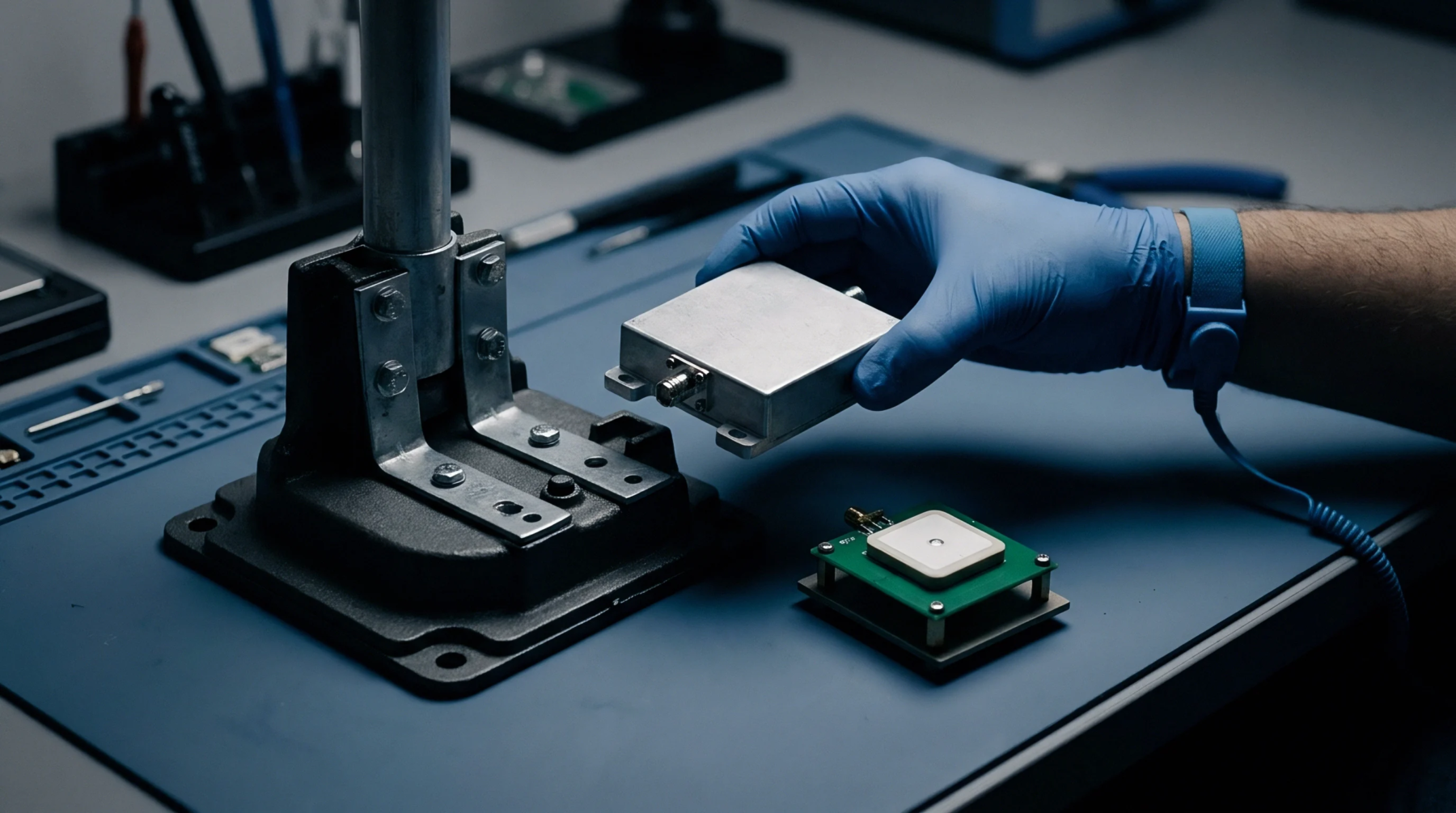
Section 2933 filings transfer FCC equipment authorization to a new grantee code without retesting, provided hardware and circuitry remain unchanged.

Host integration of approved radio modules requires strict permissive change assessment and tailored dossier compilation to preserve regulatory market access.
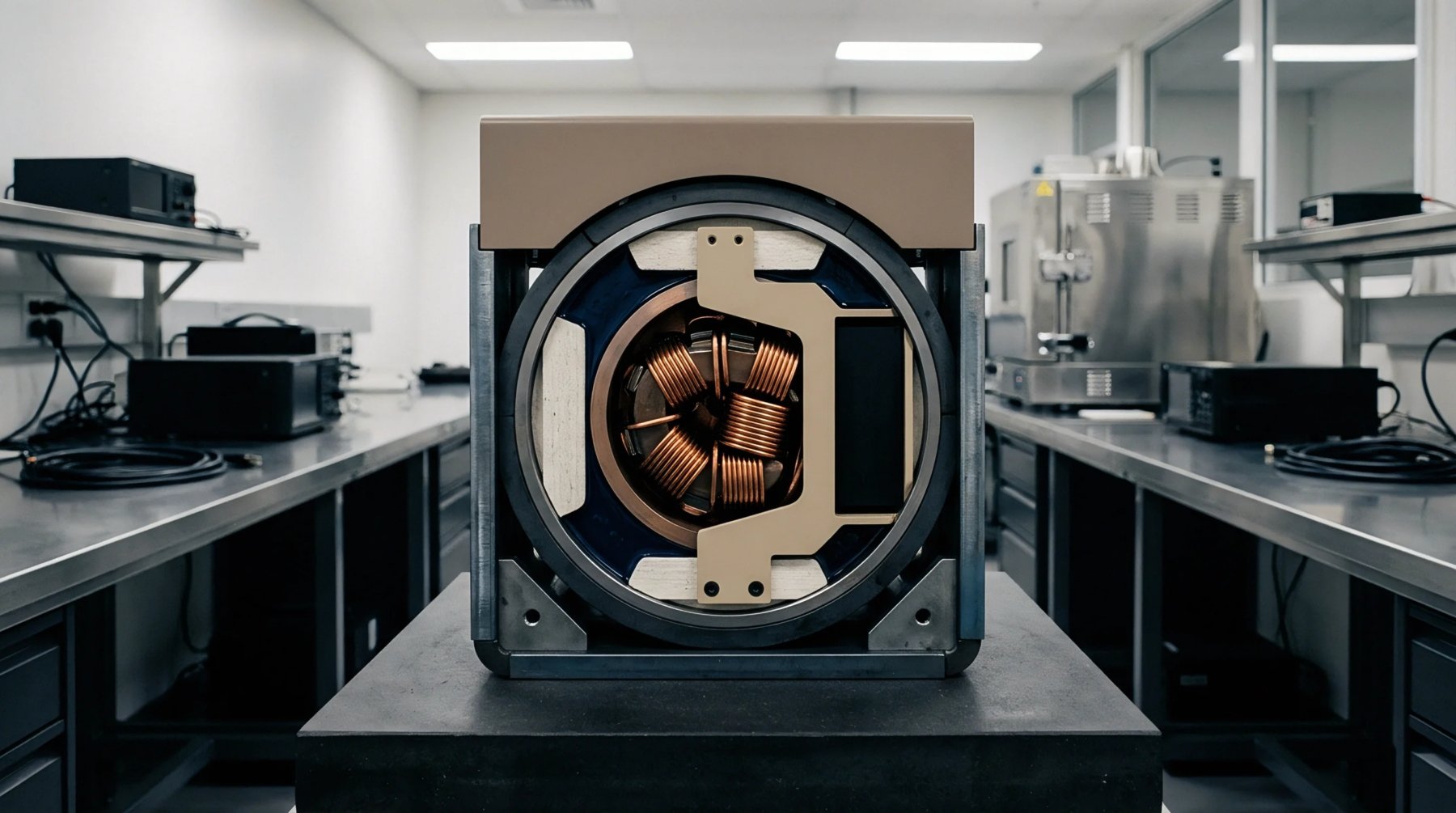
Metallic host enclosures alter RF emissions, turning module changes into Class II Permissive filings costing 6000 to 20000 USD over four to eight weeks.

Partner government agency import mechanics require strict alignment between electronic ACE PGA message sets, valid modular grants, and correct tariff assist valuation before cargo arrival.

Host modular radio audits prevent costly market re-certification by verifying trace layout specs, exposure limits, and grant scope before compliance filings.

Radio certification success requires four dedicated samples, continuous-wave firmware, certified anechoic site validation, and rigid host integration controls.

Coordinating multi-radio permissive changes requires early intermodulation scanning, proactive grant transfers, and simultaneous SAR sum calculations before filing.

Modular radio approvals cover baseline intentional radiation but transfer host level unintentional emissions, SAR exposure, and final assembly compliance to the integrator.

Limited modular approvals legally bind host PCB layout, enclosure shielding, and power regulation to the exact conditions stated in the grantee's filing notes.

FCC rule changes governing modular radios demand precise classification of trace, antenna, and proximity shifts to prevent illegal radiated emissions.
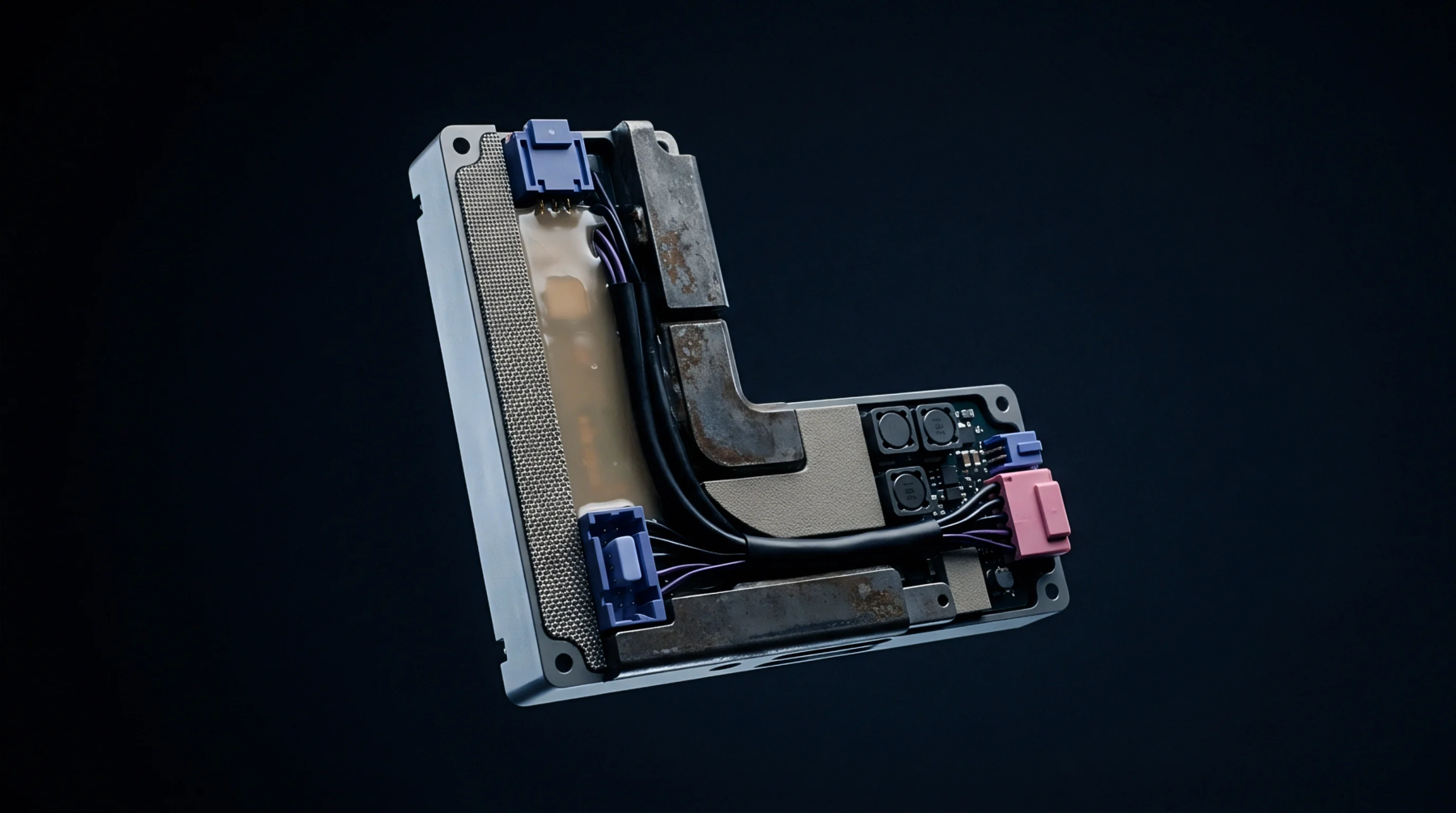
Managing Change in ID filings requires an authentic Grantee Authorization Letter, verbatim documentation alignment, and strict host design compliance.

Relying on a third-party FCC grant leaves host integrators exposed to vendor EOL and filing locks; owning the grantee code secures complete regulatory control.

Installing a certified radio module inside a metal enclosure alters RF radiation patterns, requiring host-level radiated spurious emission retesting and potential permissive change filings.
Expertise is a utility, not a secret. sentiention™ publishes its working knowledge as open reference: intelligence layer covering the materials it sources, the markets it enters, and the reference that serves both.