Meaning
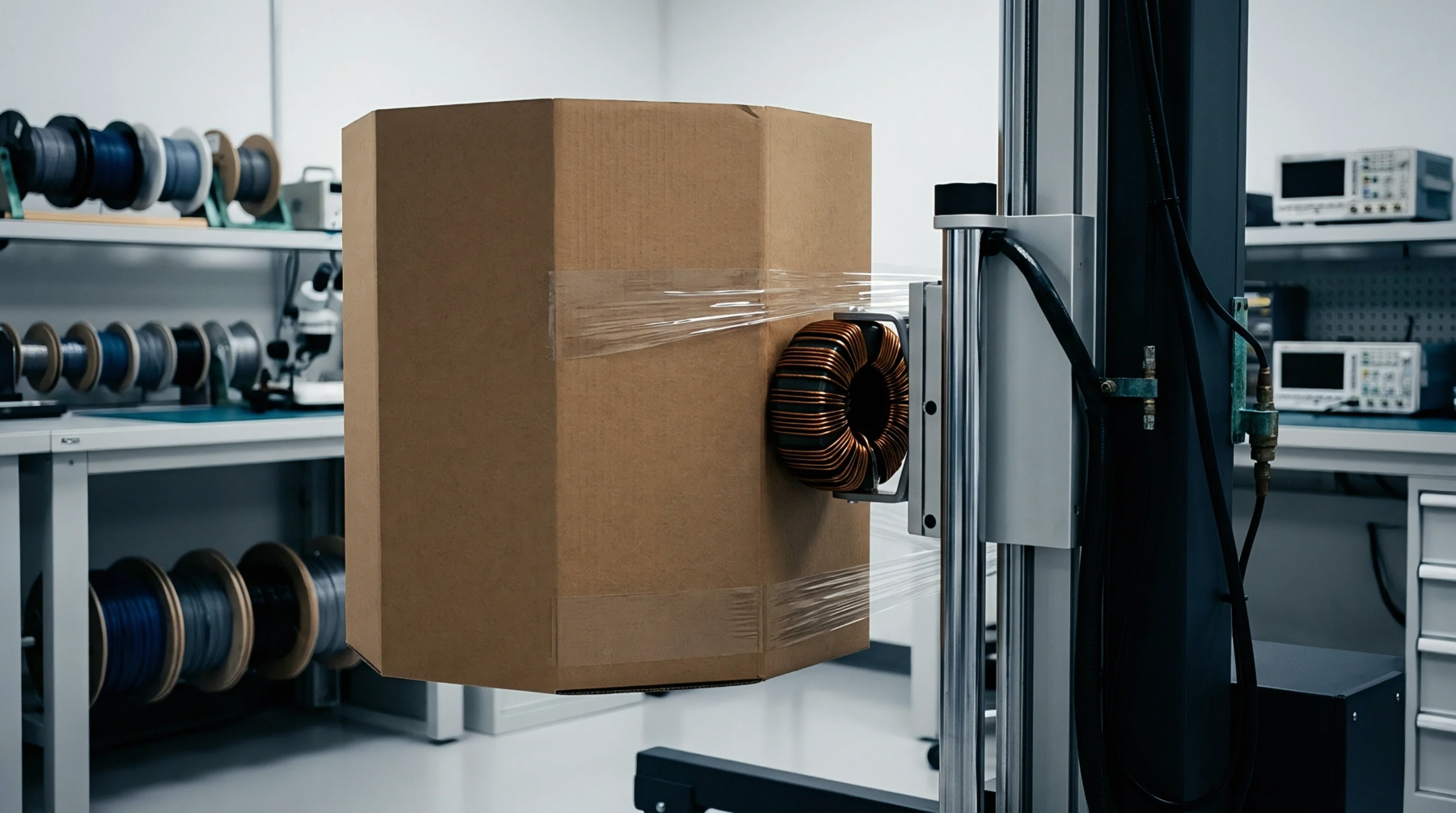
Electromagnetic disturbances that propagate in the same direction along multiple conductors or signal lines generate unwanted interference in high-speed circuits. This form of unwanted energy, known as common-mode noise, occurs when current flows down multiple conductors and returns through a shared ground path. The resulting loop creates radiation that often exceeds regulatory emissions limits unless designed out.
Signal pathways must maintain balanced impedance to prevent this energy from developing.
Diagnostic Identification
Oscilloscope measurements and spectrum analyzers detect asymmetric current flows to isolate electrical problems. Engineers identify common-mode noise by measuring the voltage between each conductor and the ground reference. If the signals on both conductors rise and fall in phase, the distortion originates from a common source.
Mitigation Strategy
Circuit designs employ specific filtering techniques to reduce the amplitude of unwanted signals. Differential signalling helps cancel out shared disturbances, while shielding blocks external fields from inducing voltages on the copper traces. Placing passive suppression elements at the input ports prevents the energy from radiating into the environment.
Performance Verification
Electromagnetic compatibility tests measure the remaining emissions to ensure the product meets compliance requirements. Testing labs record radiation levels before and after filter installation. If the levels drop below the threshold, the device earns its validation.