Meaning
Wireless radio test parameters define the specific methodology for evaluating emissions within frequency bands allocated for low power wide area networks. This kdb 996369 document provides the procedural instruction for verifying that radio modules adhere to regulatory power density and spectral masks during peak transmission intervals. It mandates the use of controlled laboratory environments to confirm that output power remains beneath the prescribed ceiling across operational temperature ranges.
Certification bodies apply these guidelines to distinguish between compliant hardware and devices that fail to suppress spurious signal leakage. Compliance with these criteria allows manufacturers to declare that a product conforms to regional standards for electromagnetic compatibility and spectral purity in unlicensed spectrum allocations.
Thermal Variance
Hardware qualification requires that kdb 996369 testing accounts for performance degradation caused by heat accumulation within a shielded enclosure. Engineers monitor the voltage stability of power amplifiers as ambient temperature shifts during continuous broadcast sessions. High heat levels alter the propagation characteristics of radio frequency signals, often leading to unintended sideband noise or frequency drift beyond the limits defined in the technical specification.
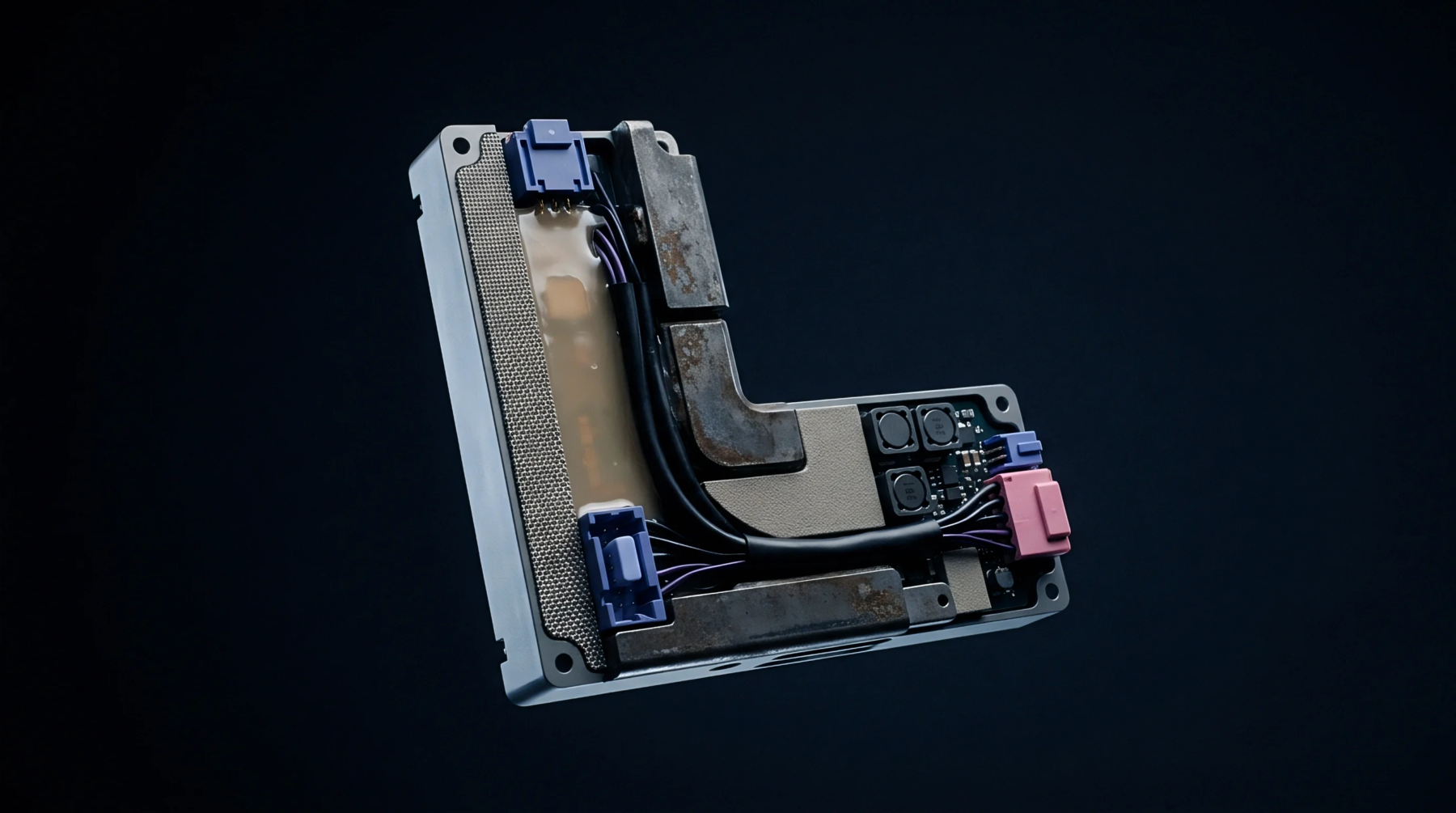
Laboratories perform these measurements after the module reaches a stable thermal state through sustained operation. If a design lacks sufficient surface area for heat dissipation, the internal circuitry generates excess noise that prevents the device from meeting the requirements set by kdb 996369. Designers mitigate these effects by integrating thermal conduction paths that draw heat away from active transistors before the signal undergoes final modulation and transmission across the antenna port.
Validation Protocol
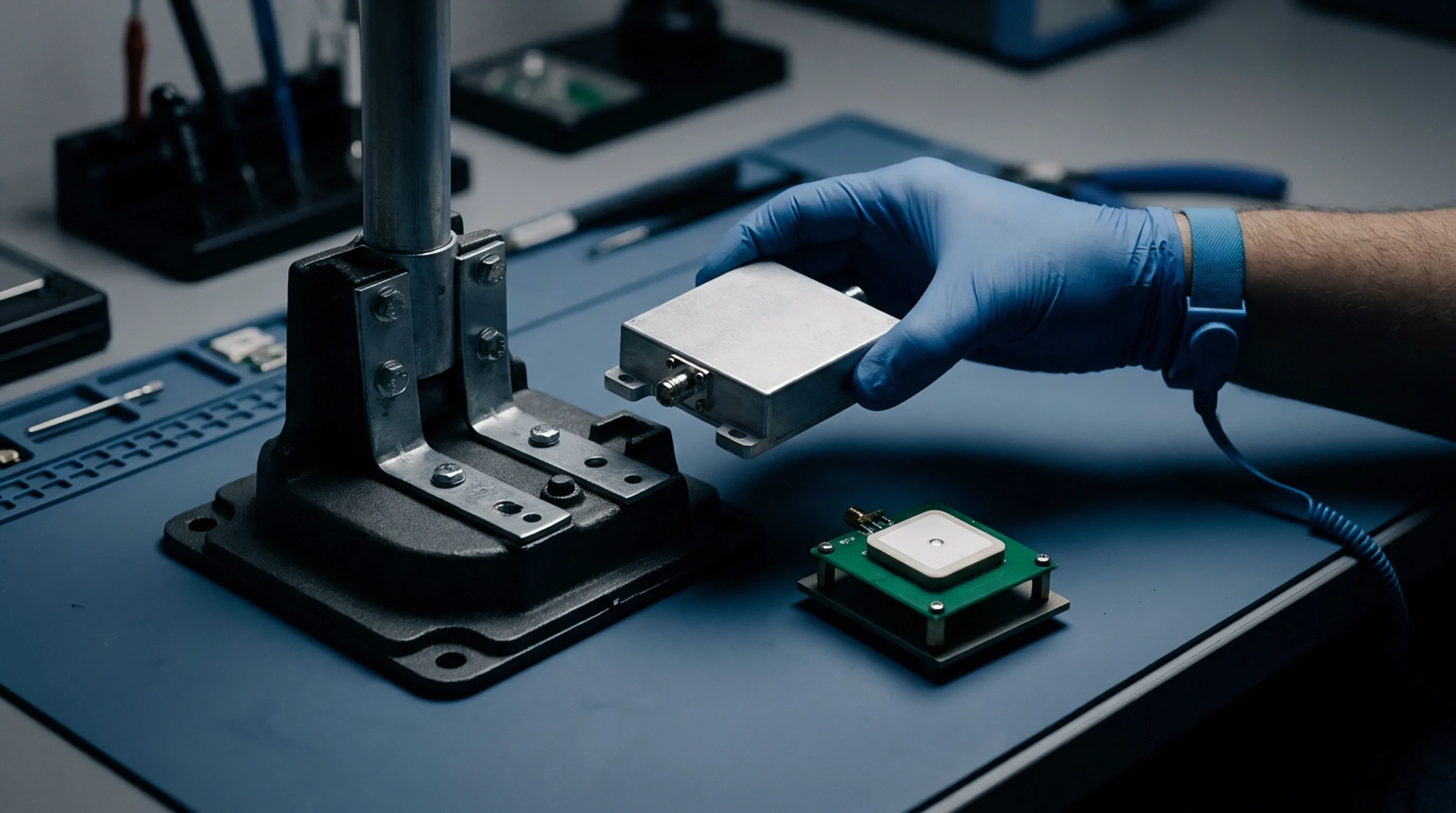
The approval procedure involves a rigorous set of tests where technicians subject the radio interface to signal analysis at multiple channels. This kdb 996369 document details the setup for connecting spectrum analyzers directly to the device under examination while bypassing the radiated path to ensure measurement accuracy. Technicians adjust the modulation scheme to confirm that the signal occupies the assigned channel bandwidth without overlapping adjacent transmissions.
They inspect the floor noise level in the guard bands to guarantee that the hardware design minimizes interference with other equipment sharing the same operational environment. Adherence to these strict validation steps ensures that the system maintains signal integrity regardless of the data rate or the duty cycle selected by the control software. Each test iteration generates a record that tracks the deviation from nominal performance targets.
Integration Constraint
System designers must accommodate the requirements found in kdb 996369 when selecting radio frequency components for board level implementation. Proximity between antennas and sensitive digital logic circuits often introduces parasitic coupling that causes the module to exceed emission thresholds. Placement decisions prioritize the isolation of high frequency signal paths from the main processor bus to prevent the injection of switching noise into the transmitter chain.
Shielding techniques help to maintain compliance when the physical board footprint forces a compact arrangement of components. A module that fails to satisfy these layout demands loses its certification status because the output signal becomes polluted by local harmonics. Achieving reliable connectivity necessitates strict alignment between the circuit design choices and the measurement boundaries established by the certification testing process for radio equipment.