
Determining Antenna Equivalence for Host Modular Approvals
Antenna equivalence requires matching passive peak gain and directivity profile within certified limits to maintain host modular approval without re-filing.
Antenna equivalence requires matching passive peak gain and directivity profile within certified limits to maintain host modular approval without re-filing.

Host enclosure alterations, ground plane shifts, and multi-radio colocation void modular wireless grants, requiring structured host-level re-evaluations.

Class II Permissive Changes resolve multi-transmitter collocation by assessing composite radiated spurious emissions and aggregate RF exposure ratios before sale.
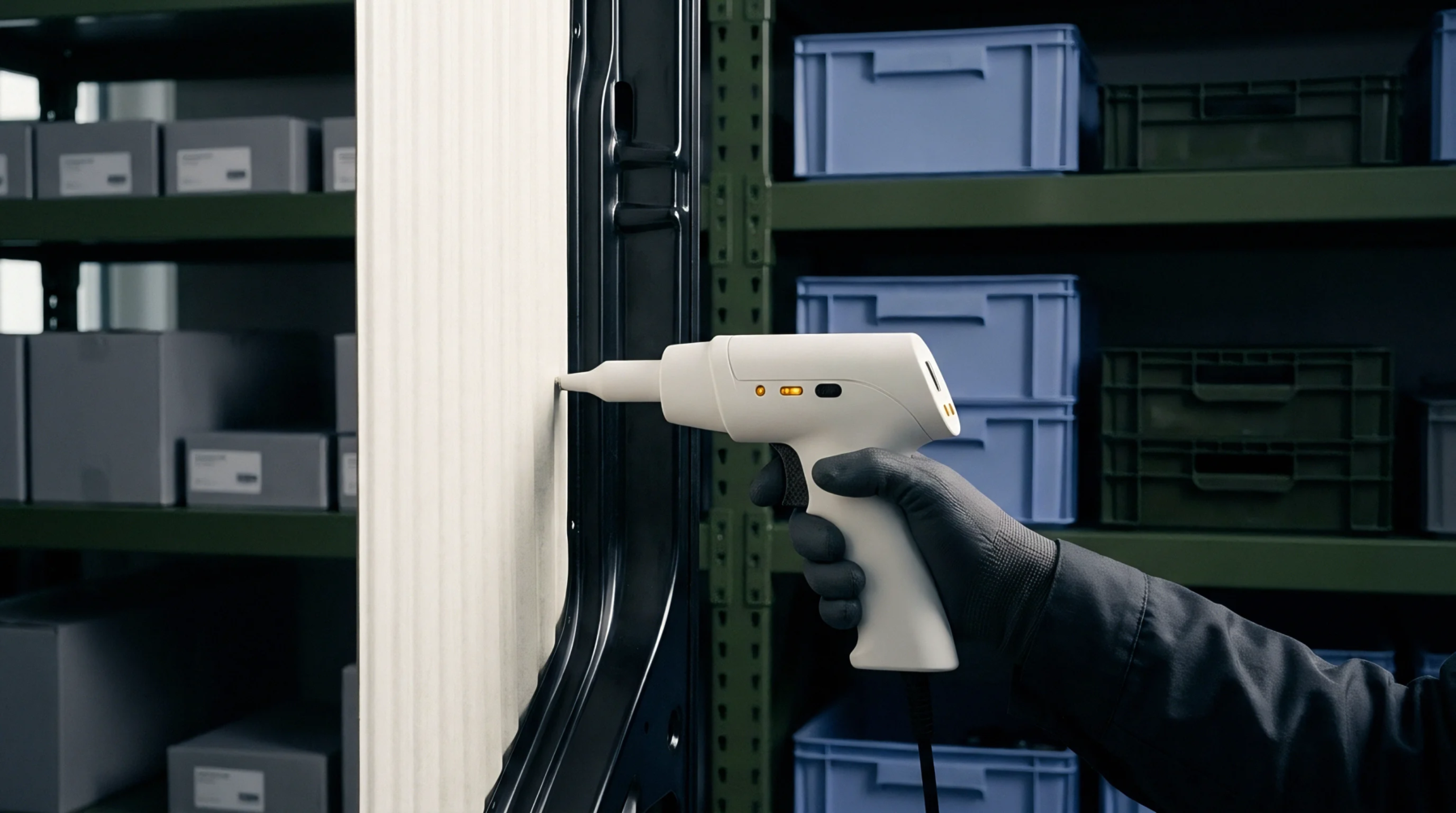
Modular radio host changes require permissive change math based on antenna gain, enclosure resonance, and radiated spurious emission deltas against limits.

Modular radio integration requires strict host layout isolation, explicit grant scope verification, and full product unintentional radiator retesting to ensure global access.

Altering host enclosures or antennas invalidates modular radio grants, demanding radiated spurious testing and formal permissive changes before product launch.

Uncontrolled resin curing shifts housing permittivity, detuning antennas and triggering costly Class II recertifications through failed harmonic limits.

Predictive electromagnetic modeling coupled with mold flow simulation identifies polymer shrinkage detuning before tooling release to maintain dual band compliance.

Resolving host radio customs holds requires executing an accredited Class II Permissive Change to align modular grant scope with final host hardware geometry.

Co-locating dual unlicensed modular transmitters requires Class II Permissive Change filings when simultaneous emissions create new spurious or SAR exposures.
FCC Part 15 Subpart C module sourcing hinges on verifying full modular grants, honoring antenna trace geometries, and testing host unintentional emissions.
Unannounced RFIC silicon stepping changes exceeding 0.5 dB conducted power or 3 dB spur limits invalidate modular grants, forcing Class II Permissive Changes.
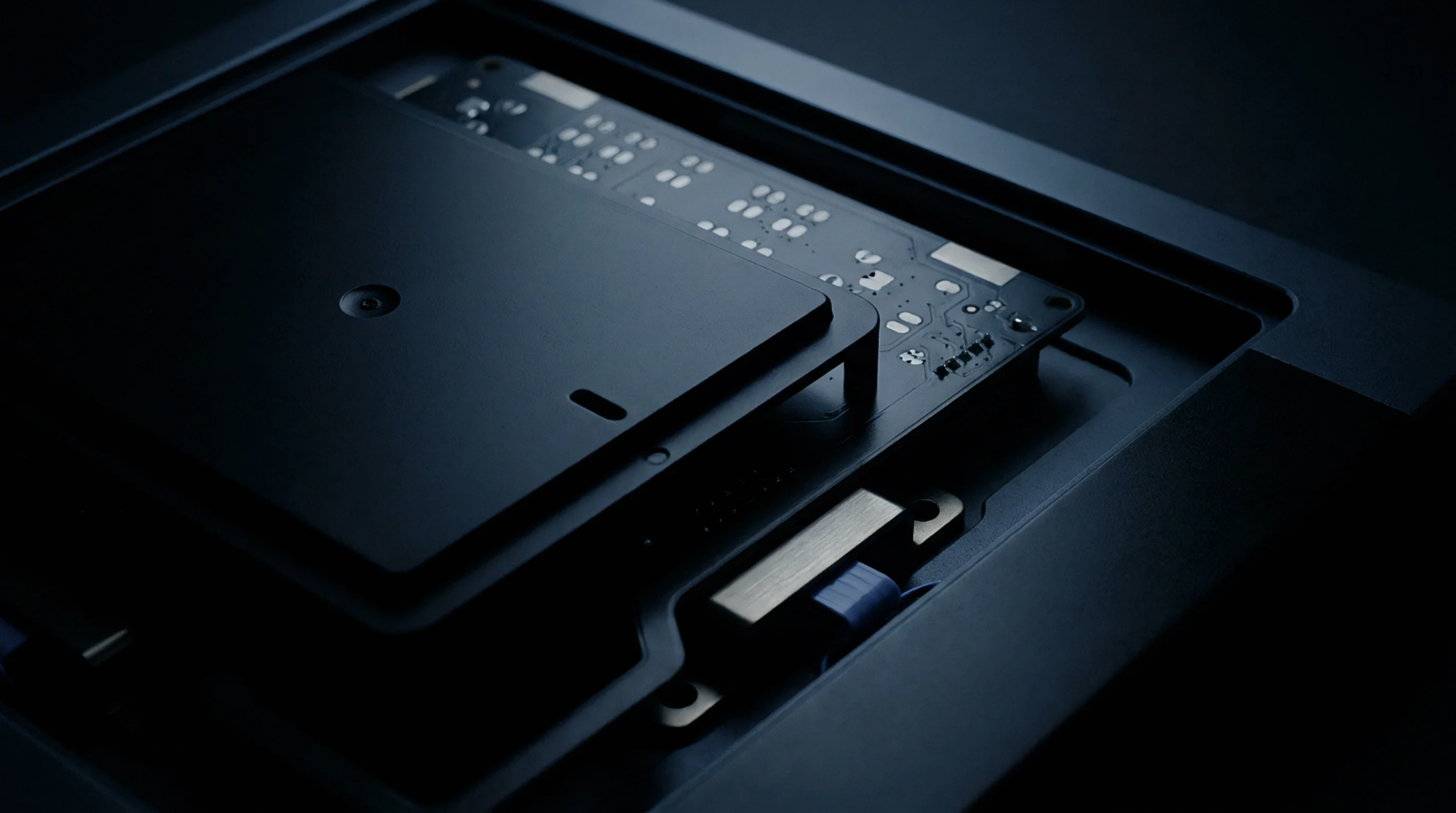
Modifying wireless module firmware registers invalidates modular type approvals, turning certified products into unapproved transmitters subject to immediate seizure.

Class Two permissive changes trigger whenever transceiver integration alters antenna gain, exposure distance, or co-transmission margins beyond granted limits.

Lock module supplier permissive change filing obligations into master sourcing contracts to prevent production halts during host radio design modifications.
A modular FCC grant covers only the standalone radio; host integrators remain legally liable for Part 15B testing, trace rules, and simultaneous emissions.

Class II permissive changes demand precise radiated spot-checking and grant ownership alignment across diverging international certification frameworks.

FCC modular approvals demand an authentic grantee authorization letter matching active database signatories to legally rebrand or modify an existing radio file.

Maintain Class II authority over closed-source modules by executing a Change in ID to secure an independent grant, then filing host test data directly.

Rebranding certified radio equipment requires an active original grant, written grantee authorization, an independent grantee code, and identical hardware.

Modifying host PCB layout or antenna spacing invalidates modular Grants, requiring Class II Permissive Changes or full chamber re-testing before market entry.
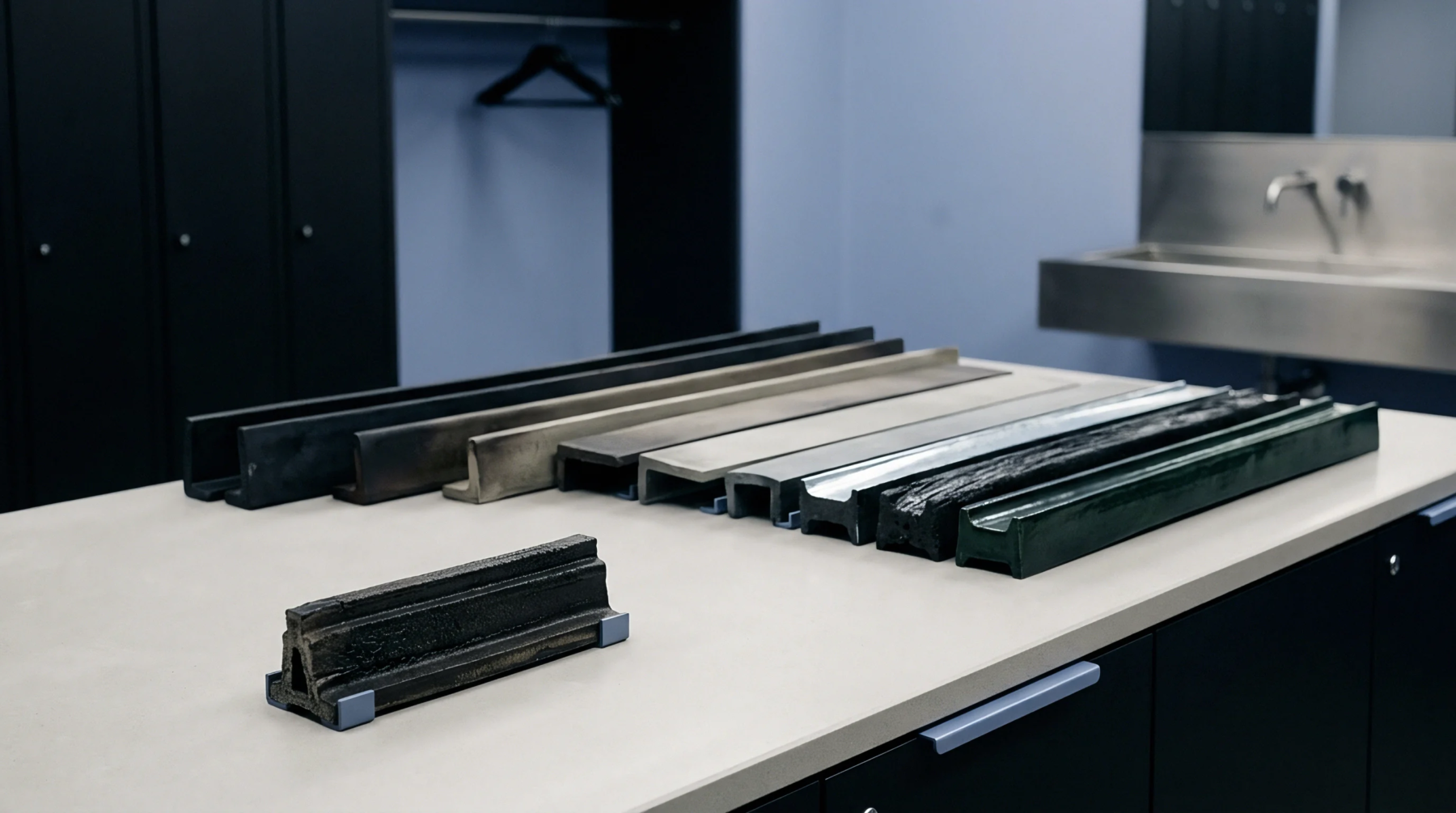
Managing polymer dielectric dispersion requires matching host substrate anisotropy to original modular grant limits to avert Class II permissive change retests.

Co-located intermediate hosts trigger Class II Permissive Changes when combined antennas within twenty centimeters exceed total exposure ratio limits.
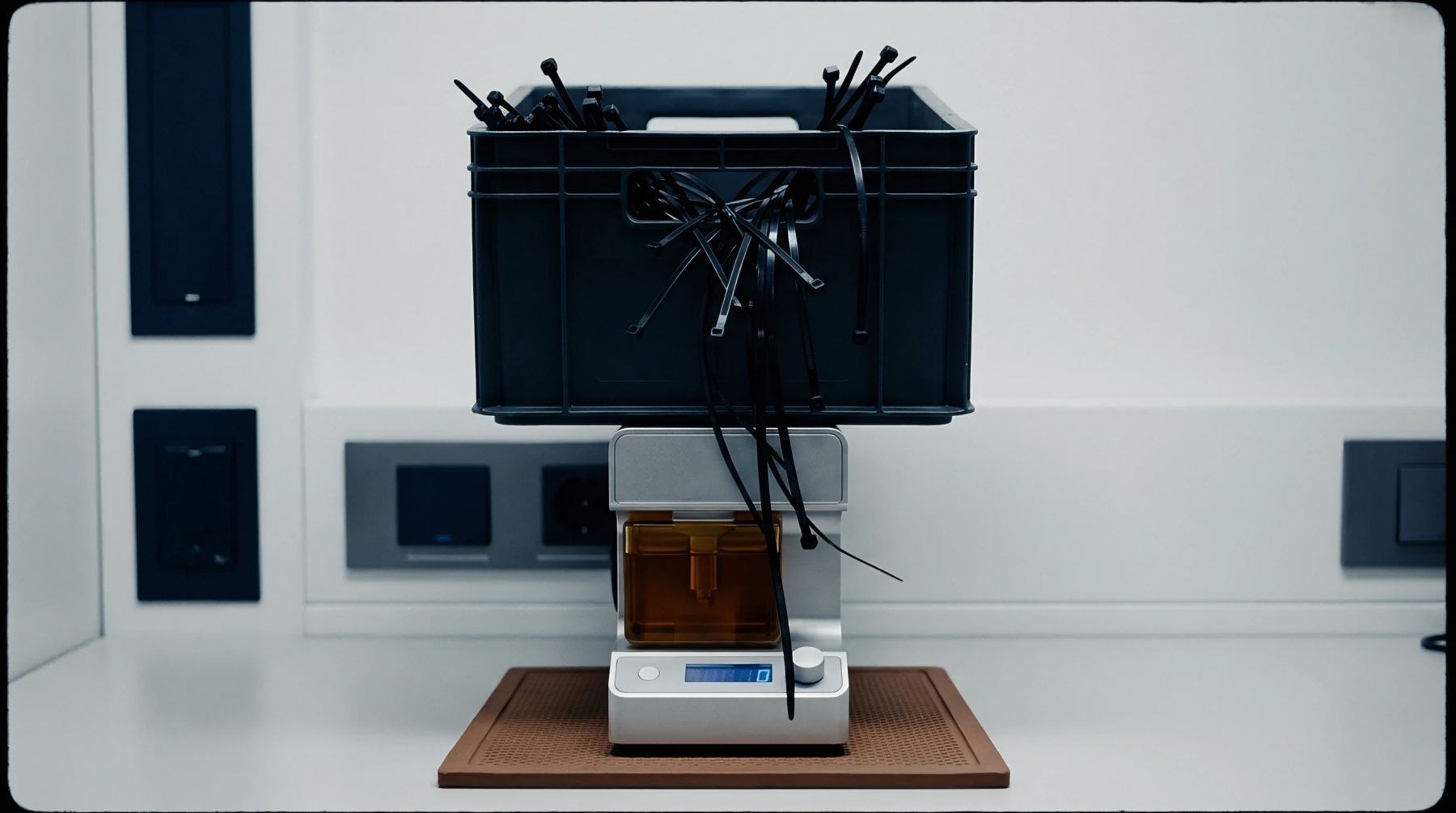
Enclosure plastic permittivity shifts detune integrated antennas and elevate radiated harmonics, converting modular paperwork into expensive Class II chamber filings.

Modular grants legally cover only certified subassemblies, leaving host manufacturers liable for spurious emissions, co-location, and exterior labeling.

A Class II permissive change is required whenever host integration changes antenna type, increases gain, reduces RF exposure distance, or adds collocation.

FCC modular grants transfer transmitter compliance to host systems only when all shielding, regulation, antenna gain, and exposure rules are met.

Cross-border radio approvals require isolating regional gaps between European receiver-centric standards and North American transmitter-focused filing grants.

Modular radio certifications cover standalone transceivers; host integrators retain full legal liability for combined unintentional emissions and SAR limits.
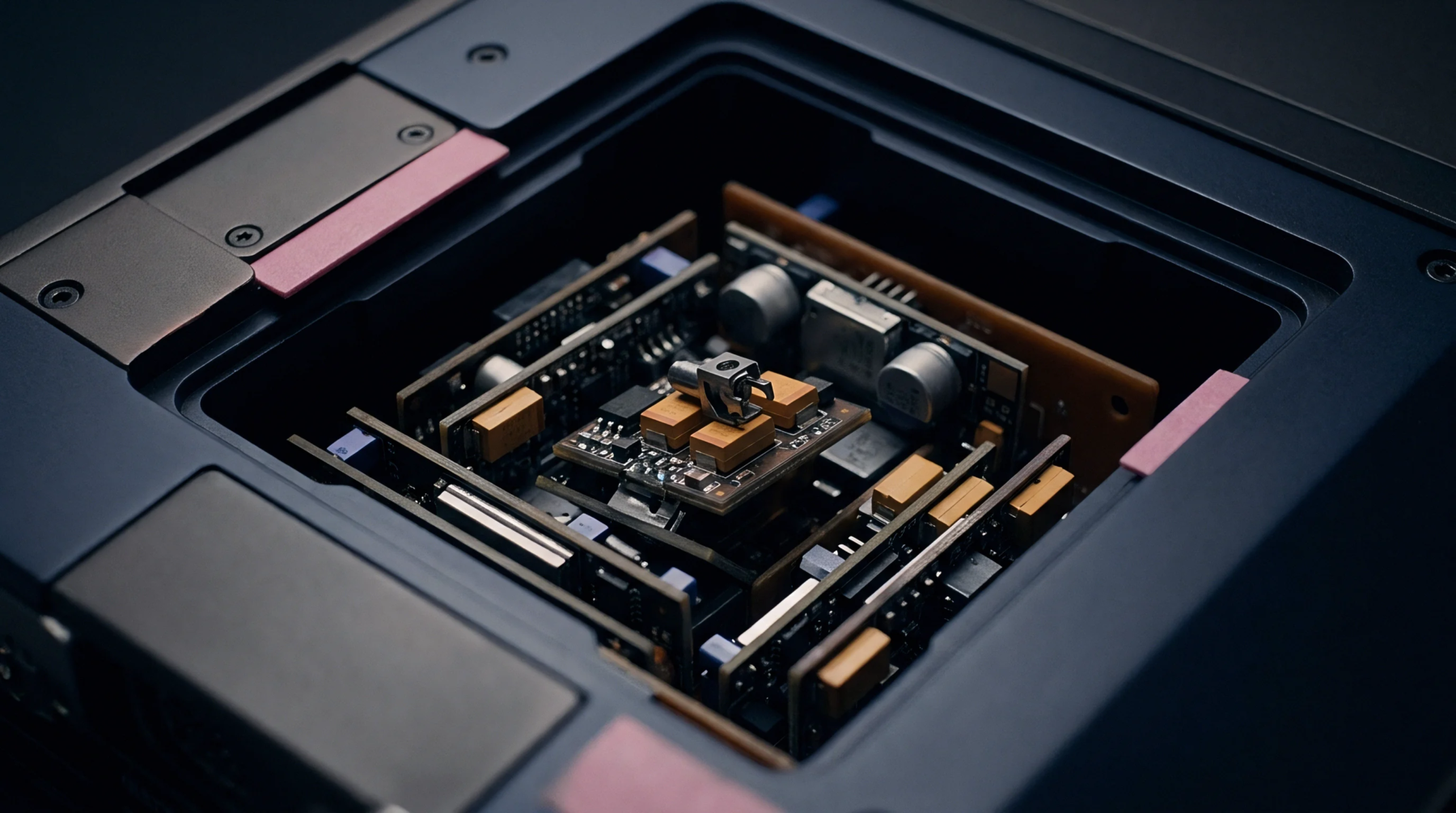
Modular radio approvals cover transmitter components alone, forcing host manufacturers to perform radiated testing and execute distinct country filings.
Expertise is a utility, not a secret. sentiention™ publishes its working knowledge as open reference: intelligence layer covering the materials it sources, the markets it enters, and the reference that serves both.