
LoRa Duty Cycle Ceilings That Decide Payload Frequency
LoRa duty cycle ceilings restrict packet frequency by limiting hourly transmission airtime, forcing trade-offs between spreading factor, payload size, and battery life.
LoRa duty cycle ceilings restrict packet frequency by limiting hourly transmission airtime, forcing trade-offs between spreading factor, payload size, and battery life.

Host proximity near unlicensed module antennas degrades total efficiency and shifts harmonics over emissions thresholds requiring re-certification.

Pre-shipment verification of FCC grants and CE documentation prevents costly port customs detentions and container freight storage demurrage fees.
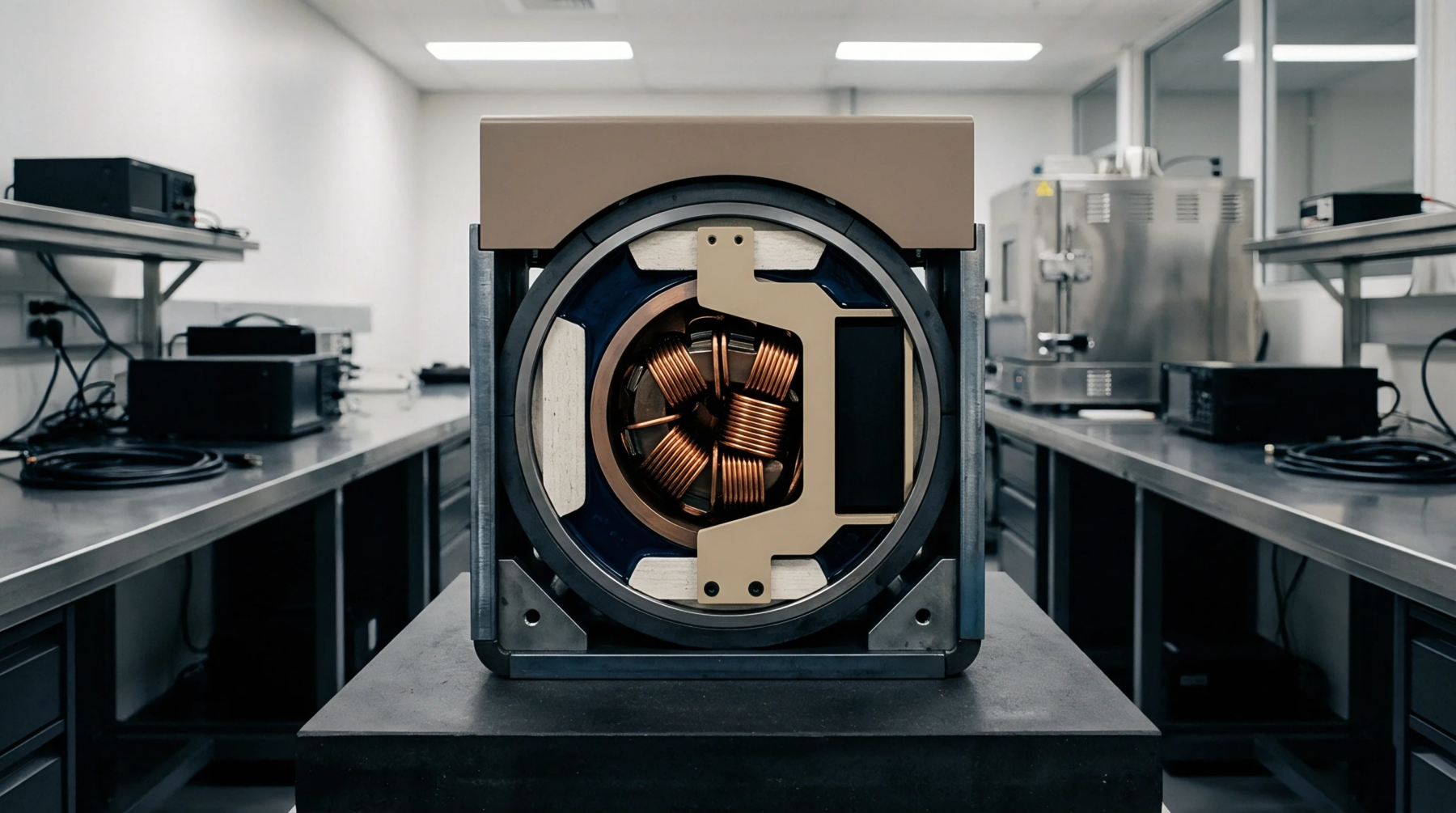
Host level pre scan verification systematically isolates host radiated spurious noise before accredited certification testing to prevent market entry delays.

Co-located portable host radios require simultaneous SAR ratio summation or dynamic backoff validation when separation distance drops below twenty centimeters.
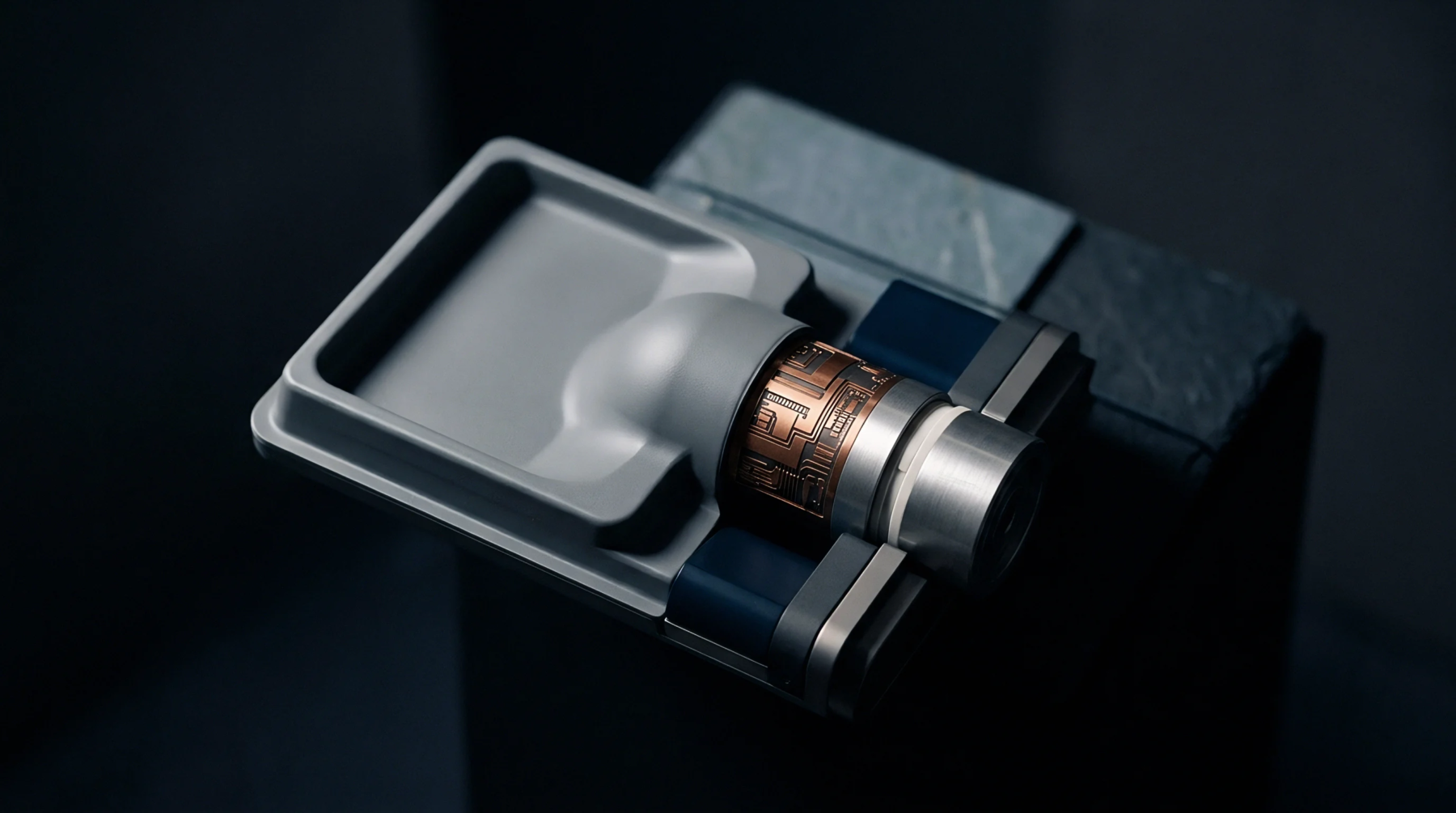
Modular approvals shorten filing lead times when host layouts preserve trace geometry, enforce shielding limits, and observe strict permissive change boundaries.

Adding potting compound to an unpotted RF module demands Class II permissive change re-testing if dielectric loading increases radiated spurious emissions.

Resolving host-integrated radiated spurious discrepancies requires systematic decoupling, strict ground continuity, and precise co-location testing.
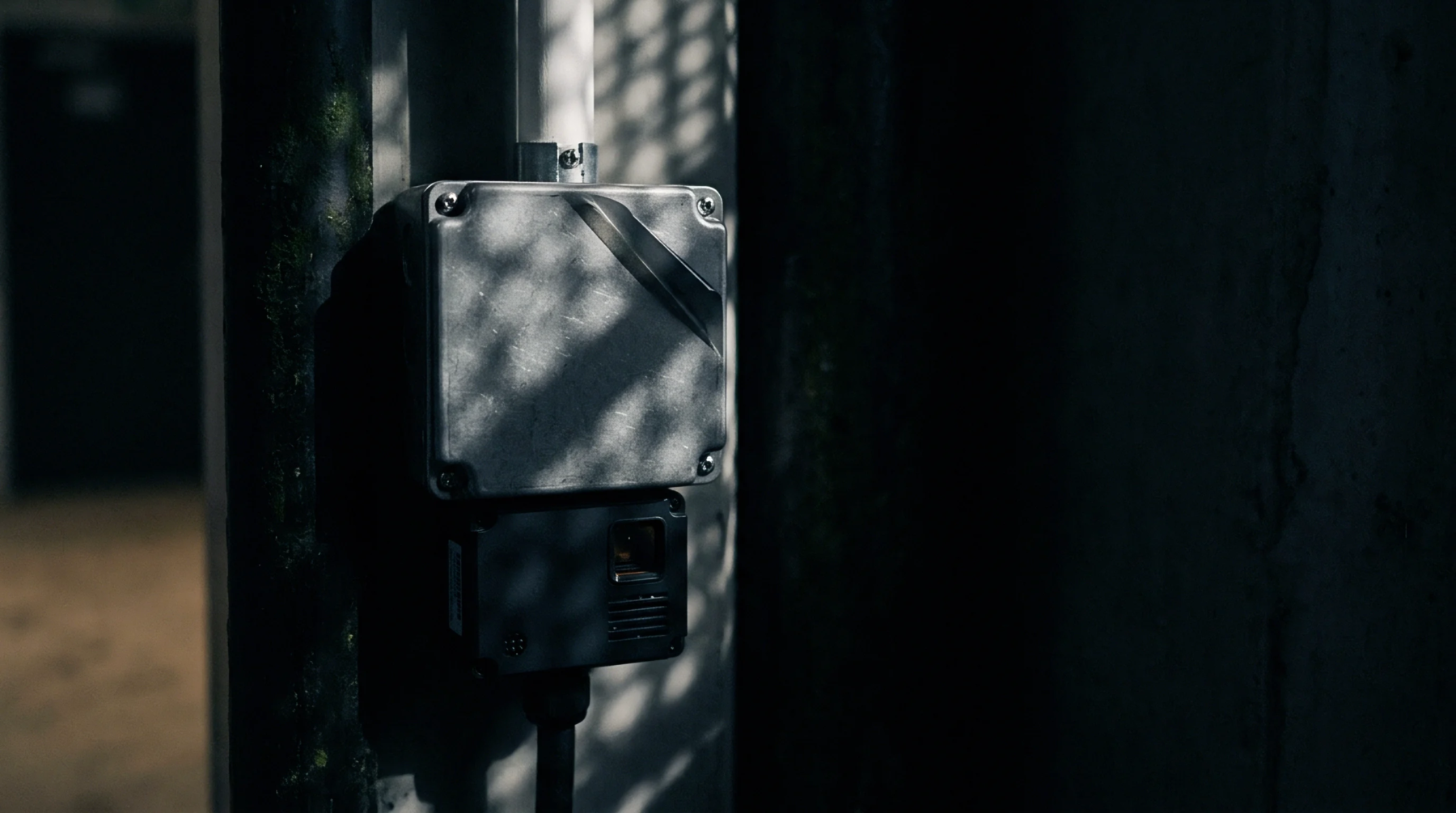
Off-grid electronic label hardware root of trust selection balances microamp sleep currents, factory key injection speed, and radio modular approval limits.

Host enclosure modifications invalidating embedded radio grants require fresh host-level testing and updated labeling prior to customs clearance.
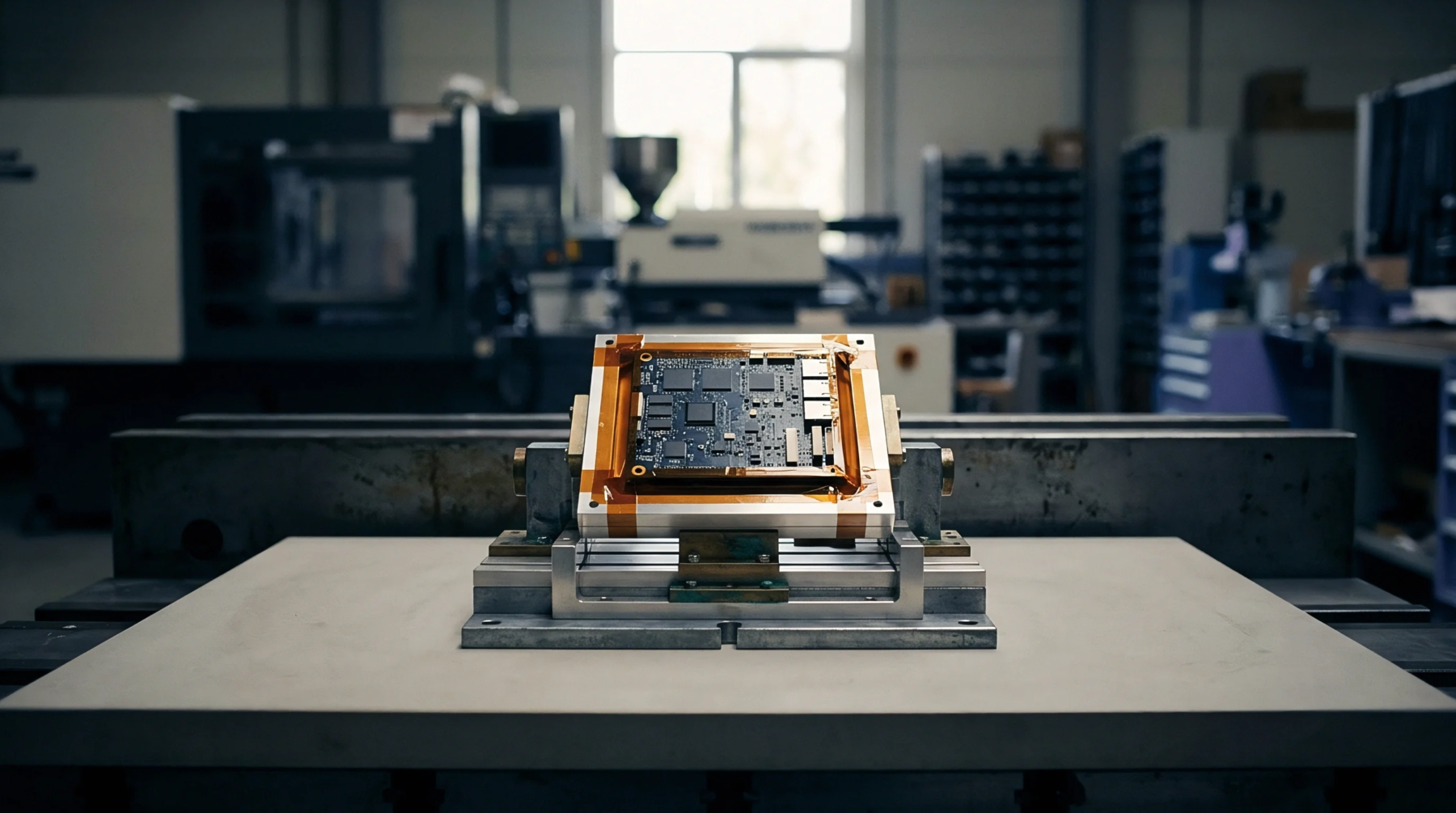
Resolve regulatory technical file disputes by embedding tripartite direct-to-authority escrow release covenants into module procurement contracts.

Modular grant validity depends on maintaining strict antenna gain, separation distance, and trace impedance bounds within host product enclosures.

Radiated harmonic scans mandate notch filtering, spatial maximization, and rigorous cable loss compensation to prevent front-end receiver saturation and false failures.

Real Bluetooth range requires subtracting antenna detuning, body loss, and indoor path loss exponents from marketing budgets before ordering silicon.

Structure foreign radio registrations through independent representatives or direct applicant codes to prevent commercial distributors from holding regulatory lockouts.
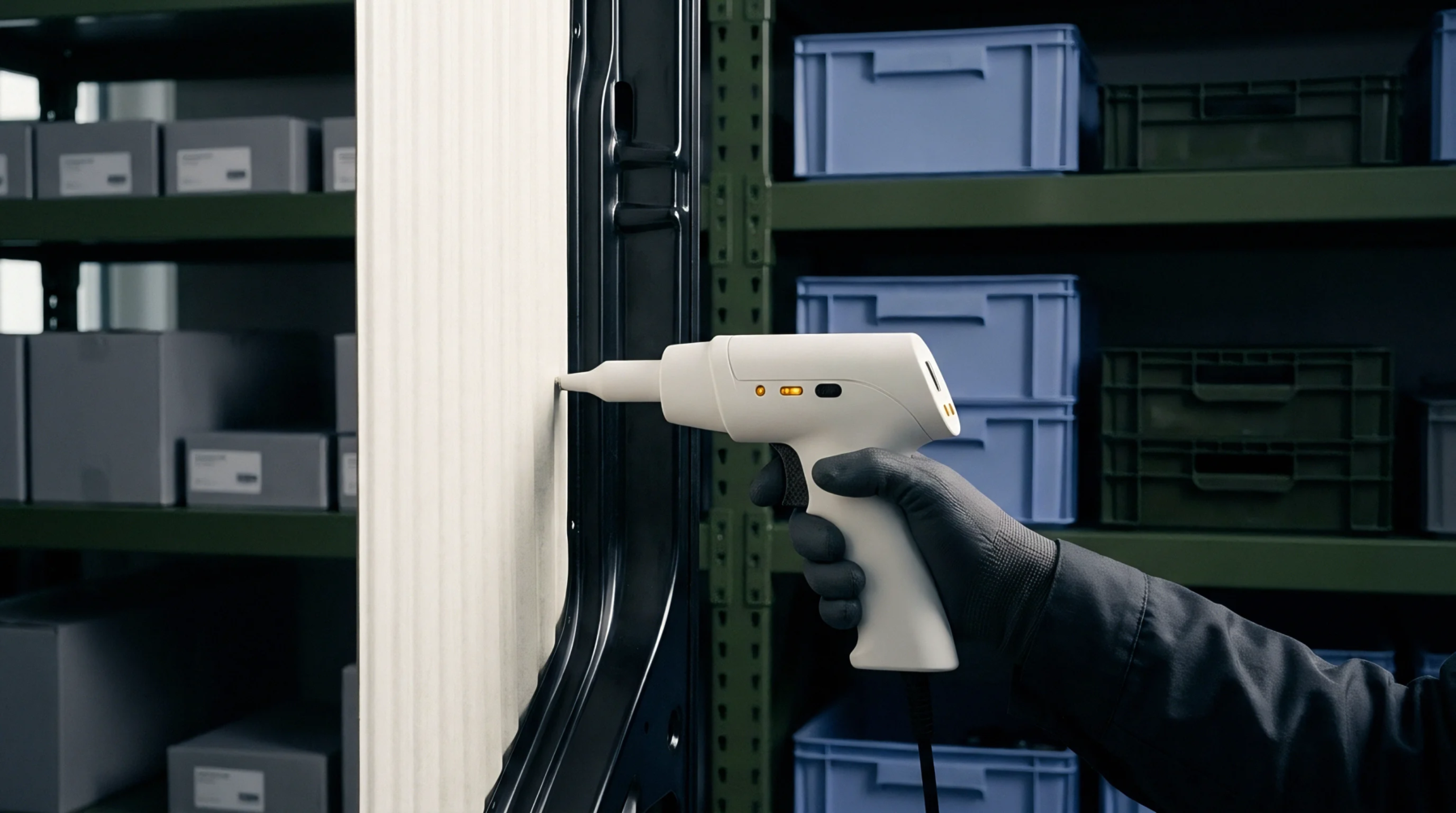
Diagnosing parasitic radiated emissions requires tracing clock harmonic return loops, suppressing cavity resonance, and validating simultaneous transmission grants.

Unbroken ground planes beneath RF traces and tight stitching via spacing eliminate parasitic slot radiation and prevent costly regulatory chamber retests.
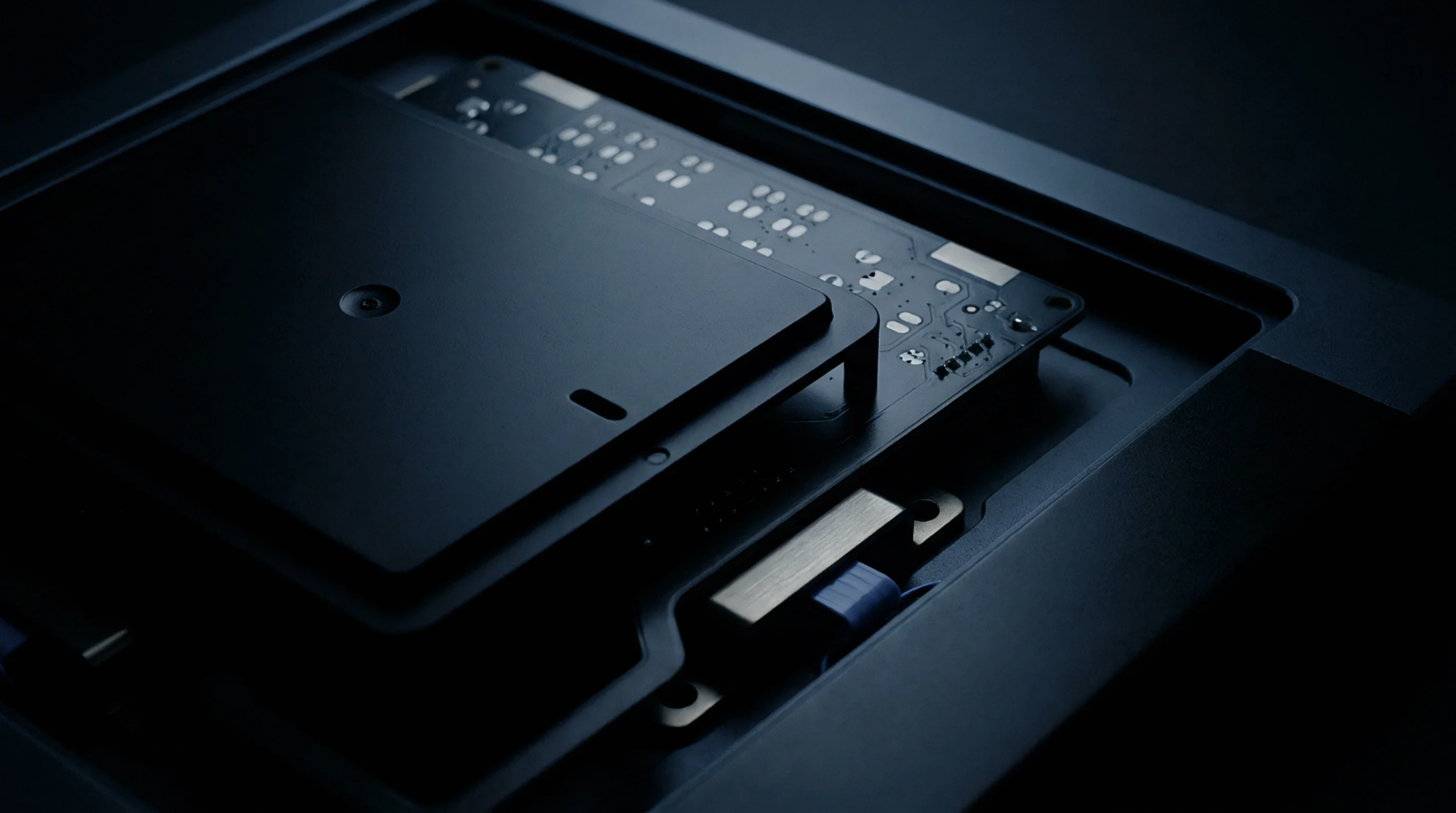
Internal metallic cavity modes coupling into co-located sub-6GHz radios create desense and spurious failures controllable by absorber placement and enclosure sizing.

Dynamic reserve models weight empirical lab failure rates and schedule downtime penalties across target export regimes to price true host radio approval risk.

Installing certified wireless modules into custom metal enclosures shifts radiated spurious profiles, demanding Class II permissive changes when margins breach.

Matching sub-GHz wideband transceivers demands low-Q LC structures, controlled PCB parasitics, and harmonic trap filters to maintain return loss across bands.

Phase-center shifts and absorber edge scatter corrupt wideband quiet zones, demanding vector de-embedding to prevent false regulatory compliance failures.

Integrating pre-certified radio modules into host hardware requires layout audits, spurious emission pre-scans, and permissive change filings to secure market access.
Adaptive boundary regularization prevents spurious spectral growth in overmoded enclosures, securing repeatable electromagnetic test data before lab filing.

Dynamic housing seam deflection modulates contact resistance to generate radiated spurious mixing products that breach statutory limits under vibration.

Suppressing high-density radiated spurs demands continuous return planes, sub-millimeter shield apertures, and early far-field pre-scans before certification.
Short range wireless device conformity requires matched test reports, accredited filings, clear modular boundaries, and precise housing labeling across target jurisdictions.

Synchronizing cross-border radio re-certification depends on pre-scanning host harmonic emissions to bridge regional limit gaps before filing permissive changes.
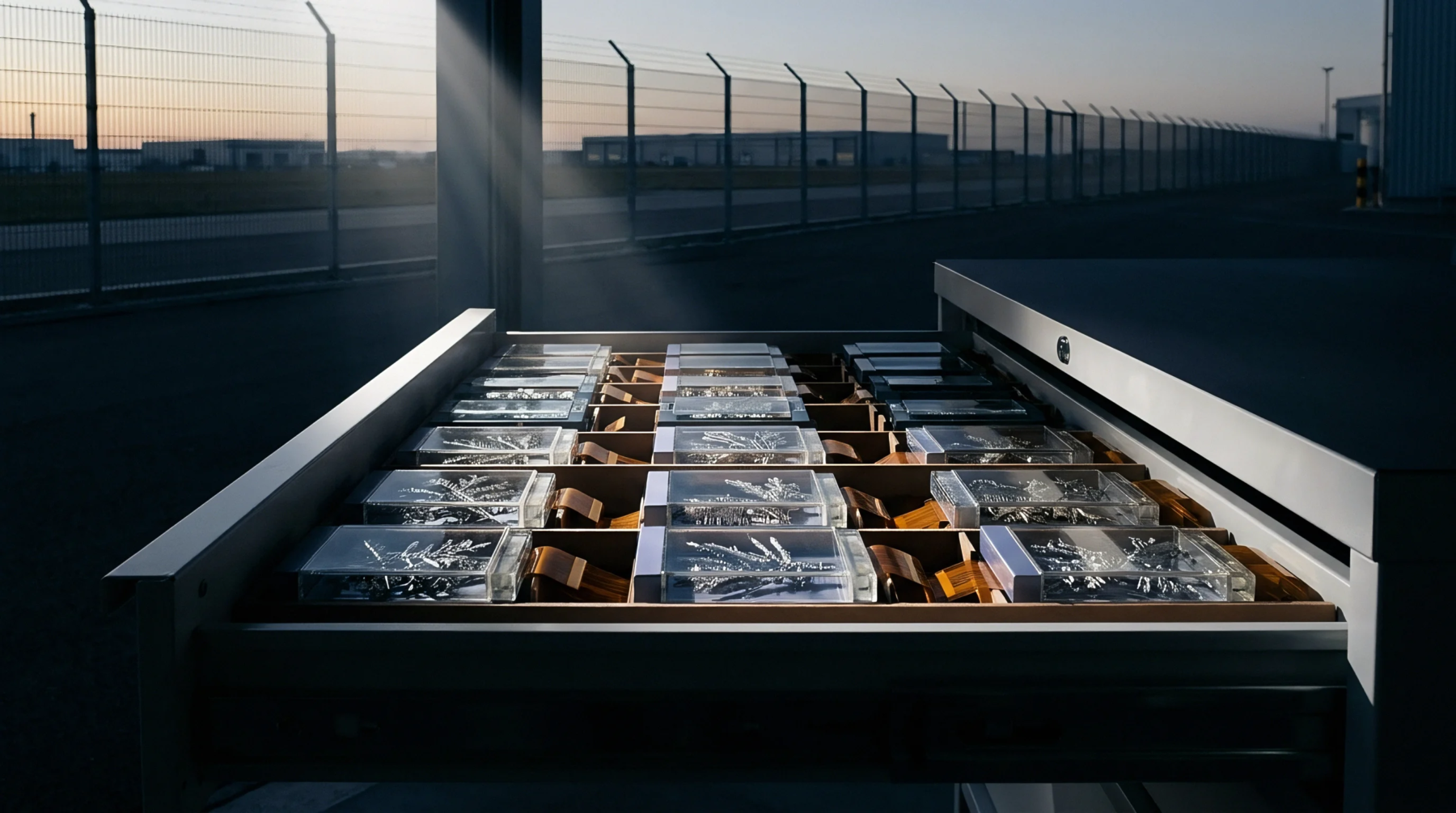
Radiated spurious emissions demand system-level chamber validation because host board traces, power ringing, and housing detuning invalidate standalone grants.
FCC Part 15 Subpart C module sourcing hinges on verifying full modular grants, honoring antenna trace geometries, and testing host unintentional emissions.
Expertise is a utility, not a secret. sentiention™ publishes its working knowledge as open reference: intelligence layer covering the materials it sources, the markets it enters, and the reference that serves both.