
Radiated Spurious Emissions Mitigation in Multi Radio System Design
Radiated spurious emissions in multi-radio designs demand aggressive board-level isolation and predictive intermodulation filtering to secure market approvals.
Radiated spurious emissions in multi-radio designs demand aggressive board-level isolation and predictive intermodulation filtering to secure market approvals.

RF SOI switch FET stacking ratio and negative substrate biasing set second and third harmonic suppression below mandatory carrier acceptance ceilings across mismatch.

Edge-triggered dual-radio buffer architecture staging fast edge interrupts into local non-volatile RAM prevents data loss during link state handoffs.
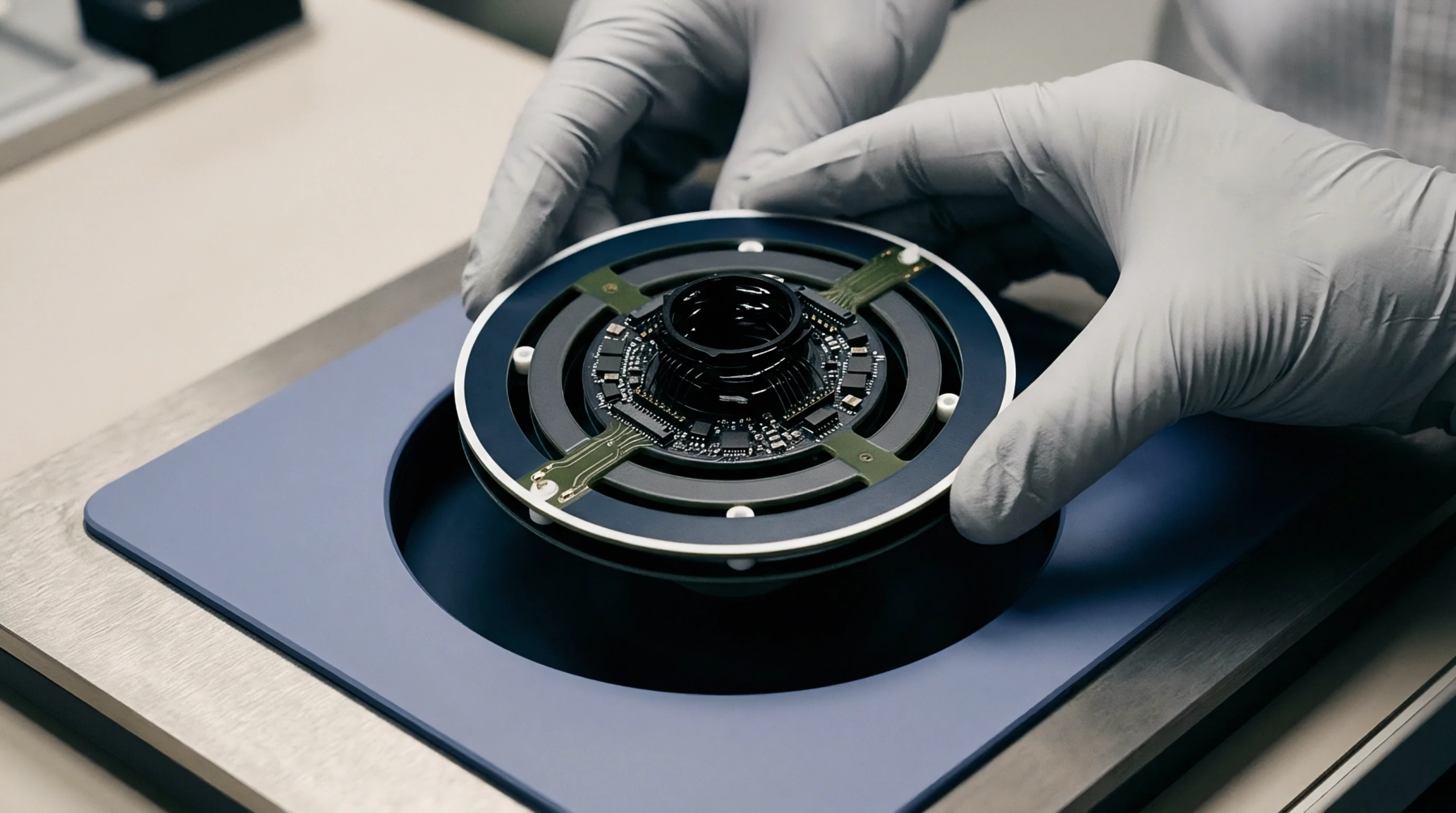
Minimum antenna separation depends on transmitter power, receiver blocking thresholds, intermodulation mixing products, and regulatory simultaneous exposure ratios.

Mitigating board noise desense requires unbroken ground planes, filtered switching stages, and RF shielding cans to preserve receiver sensitivity margins.

Resolving near field coupling demands tight ground via fencing, solid reference planes, shielded inductors, and continuous enclosure gasket compression.

Early co-simulation of enclosure dielectric loading and counterpoise geometry prevents costly mold tooling revisions and regulatory recertification delays.

Total isotropic sensitivity verification requires spherical anechoic testing to capture housing detuning and active internal EMI desense missed by conducted tests.
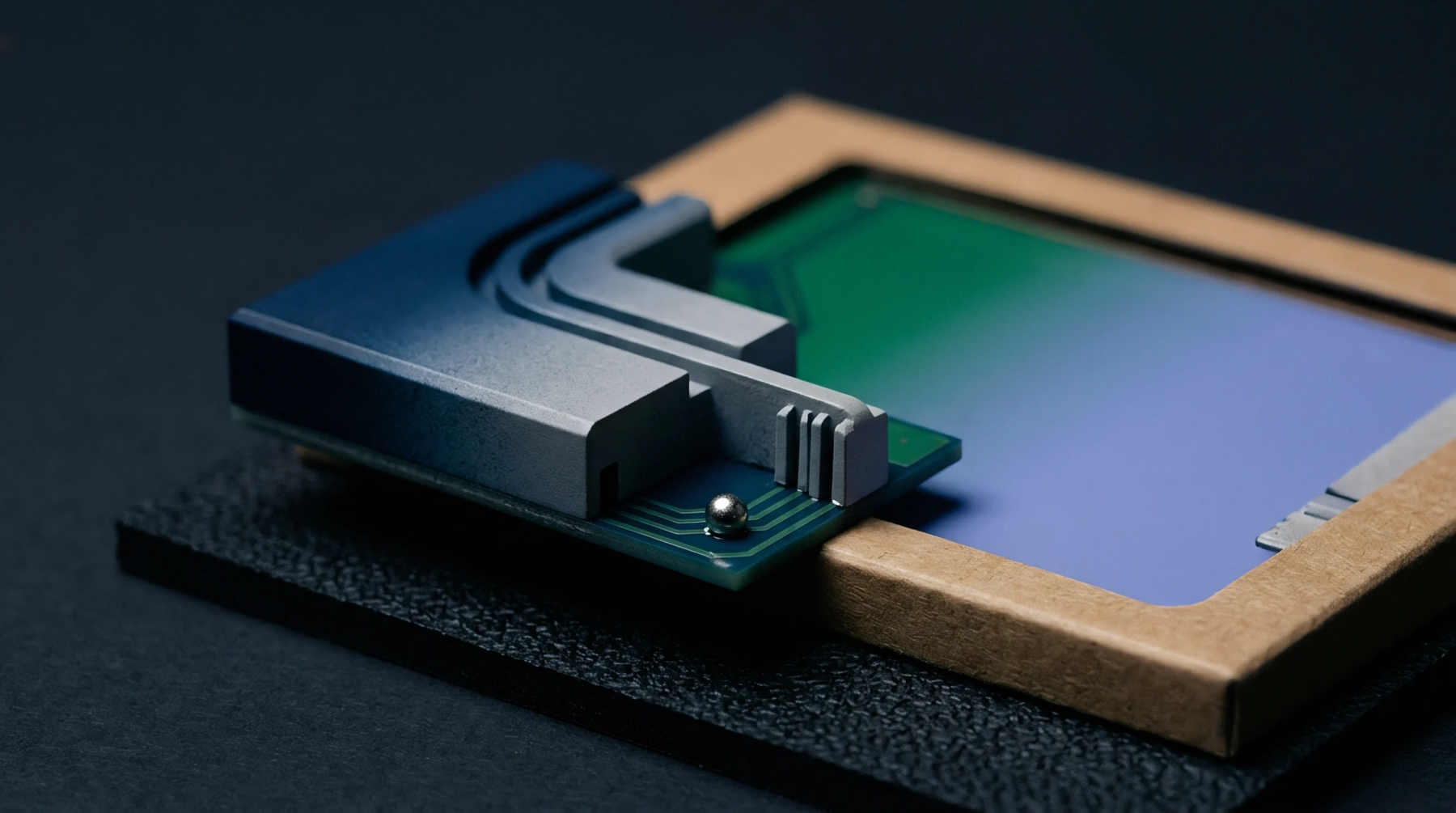
Interfacial native oxides create non-linear quantum tunneling barriers across RF contacts, generating passive intermodulation that degrades receiver sensitivity.

Radio product clearance depends on matching sovereign band allocations, passing radiated emissions tests, managing modular grant scope, and securing in-country representation.

Host proximity near unlicensed module antennas degrades total efficiency and shifts harmonics over emissions thresholds requiring re-certification.
Expertise is a utility, not a secret. sentiention™ publishes its working knowledge as open reference: intelligence layer covering the materials it sources, the markets it enters, and the reference that serves both.