
Resolving Import Customs Holds Driven by Unconfigured Hardware States
Resolving customs holds from unconfigured hardware requires bonded warehouse re-flashing under supervisory seals to enforce regional power limit tables
Resolving customs holds from unconfigured hardware requires bonded warehouse re-flashing under supervisory seals to enforce regional power limit tables
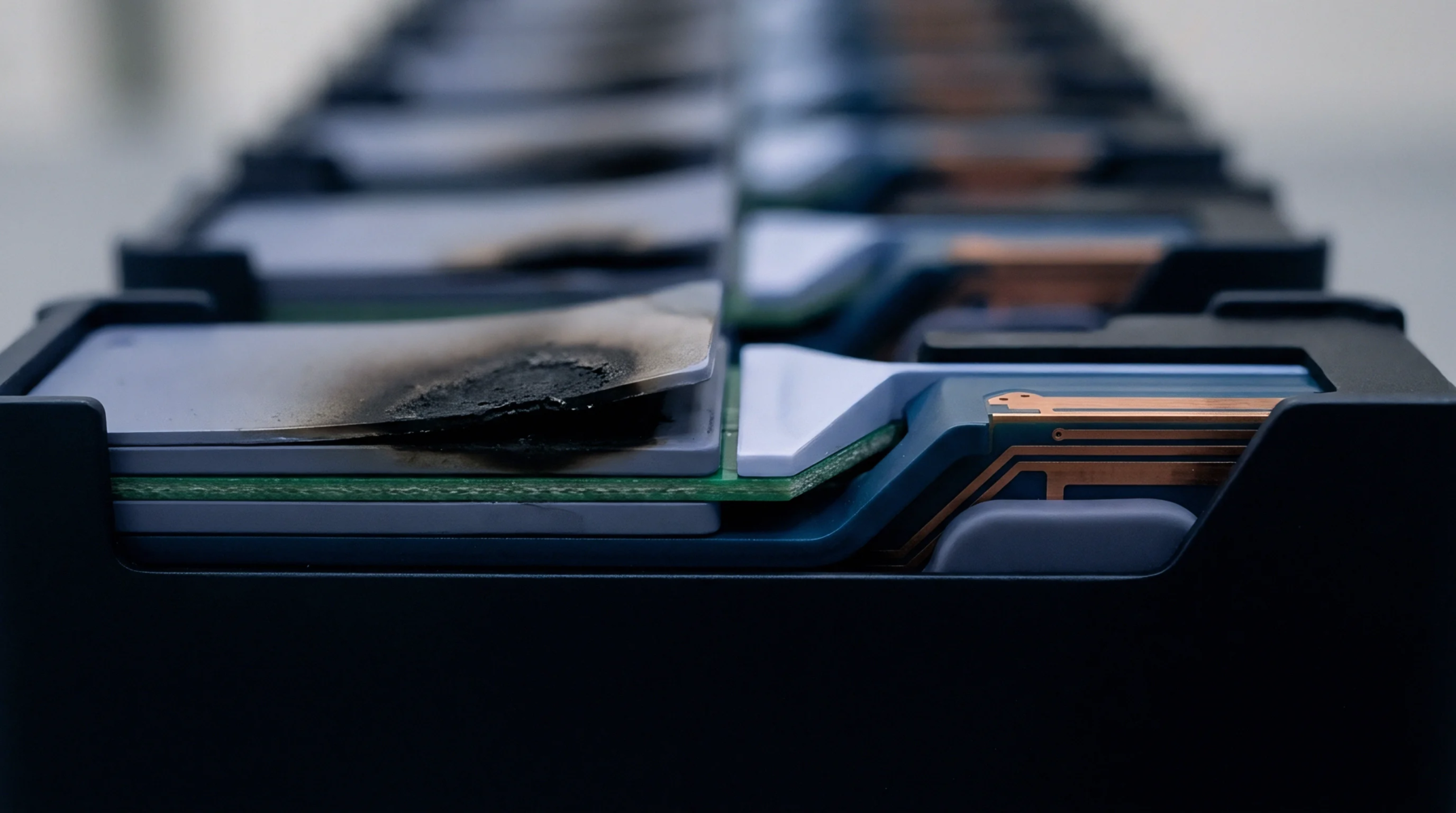
Reassigning Korean radio test consent requires original holder authorization, laboratory verification, and administrative filing updates with the RRA.
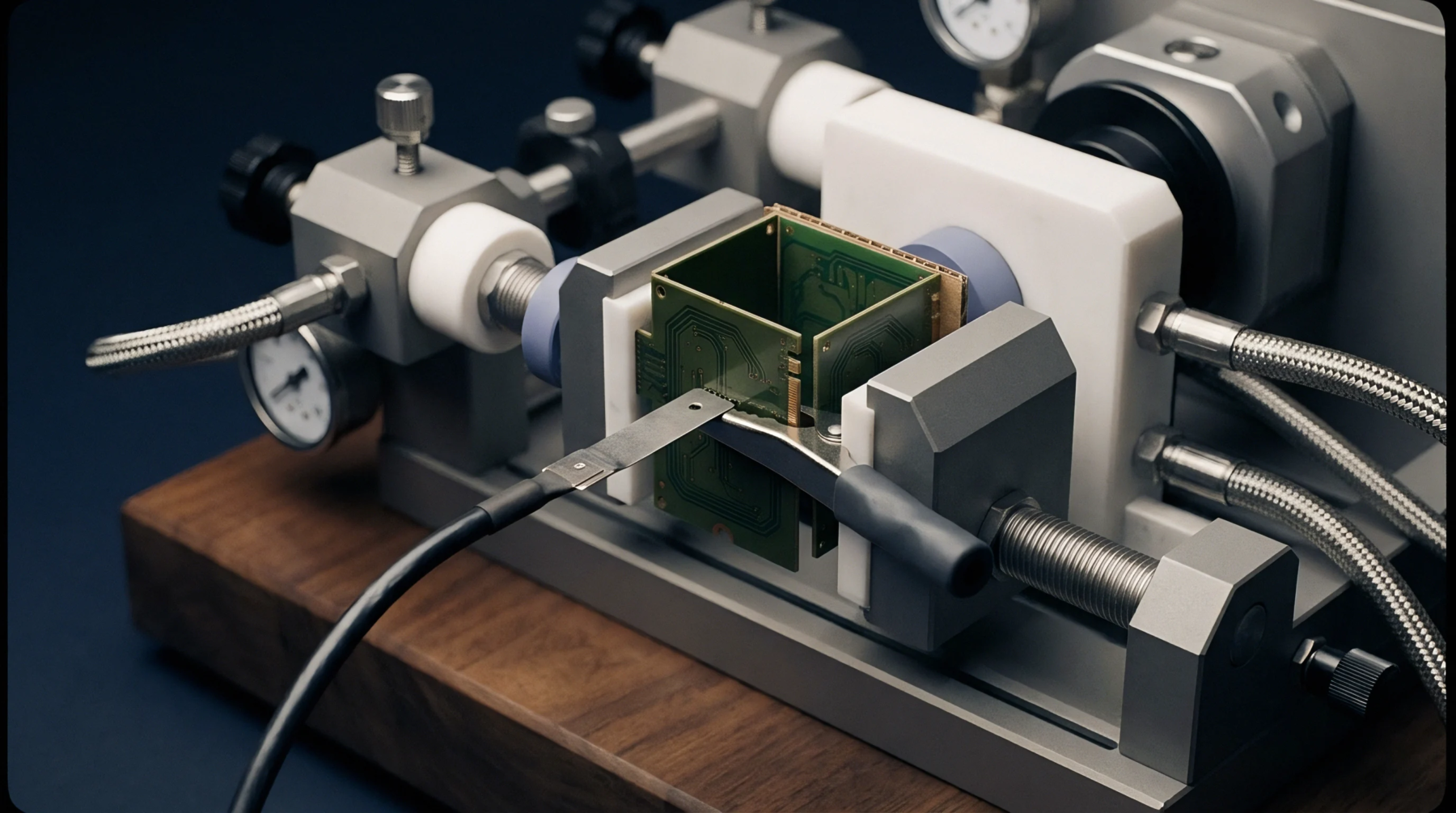
Modular radio host integration preserves the original grant only when antenna type, gain, trace layout, and RF exposure separation strictly match certificate conditions.
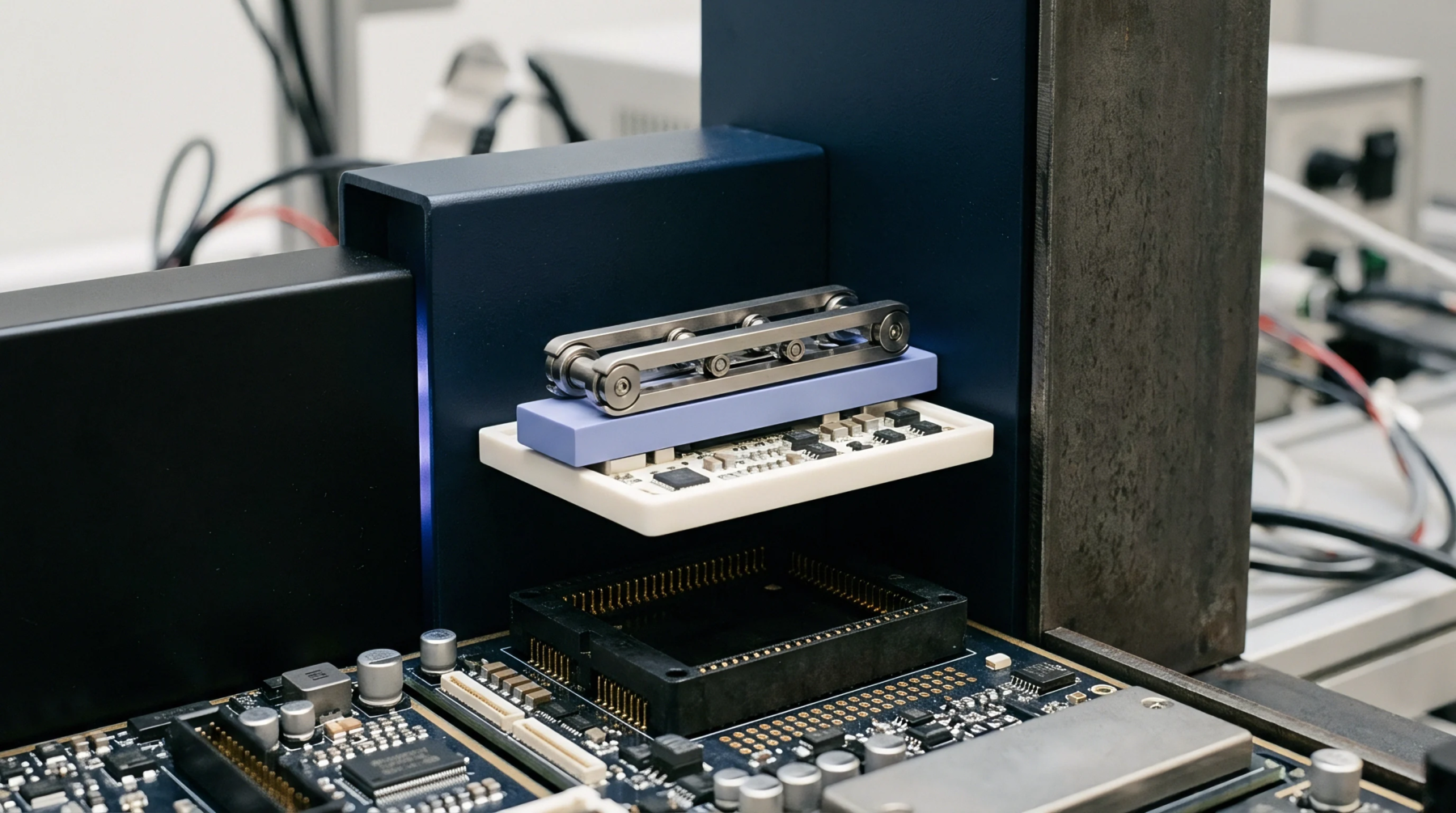
Unresolved mutual recognition rules leave unpowered radio cargo vulnerable to customs gate failures when flat batteries detune antennas and block automated sweeps.

Resolving regulatory discrepancies requires binding supply agreements, host radiated validation, precise regional firmware power caps, and escrow reserves.

Managing anisotropic permittivity drift in high-temperature modular enclosures prevents antenna detuning and costly Class II Permissive Change retests.
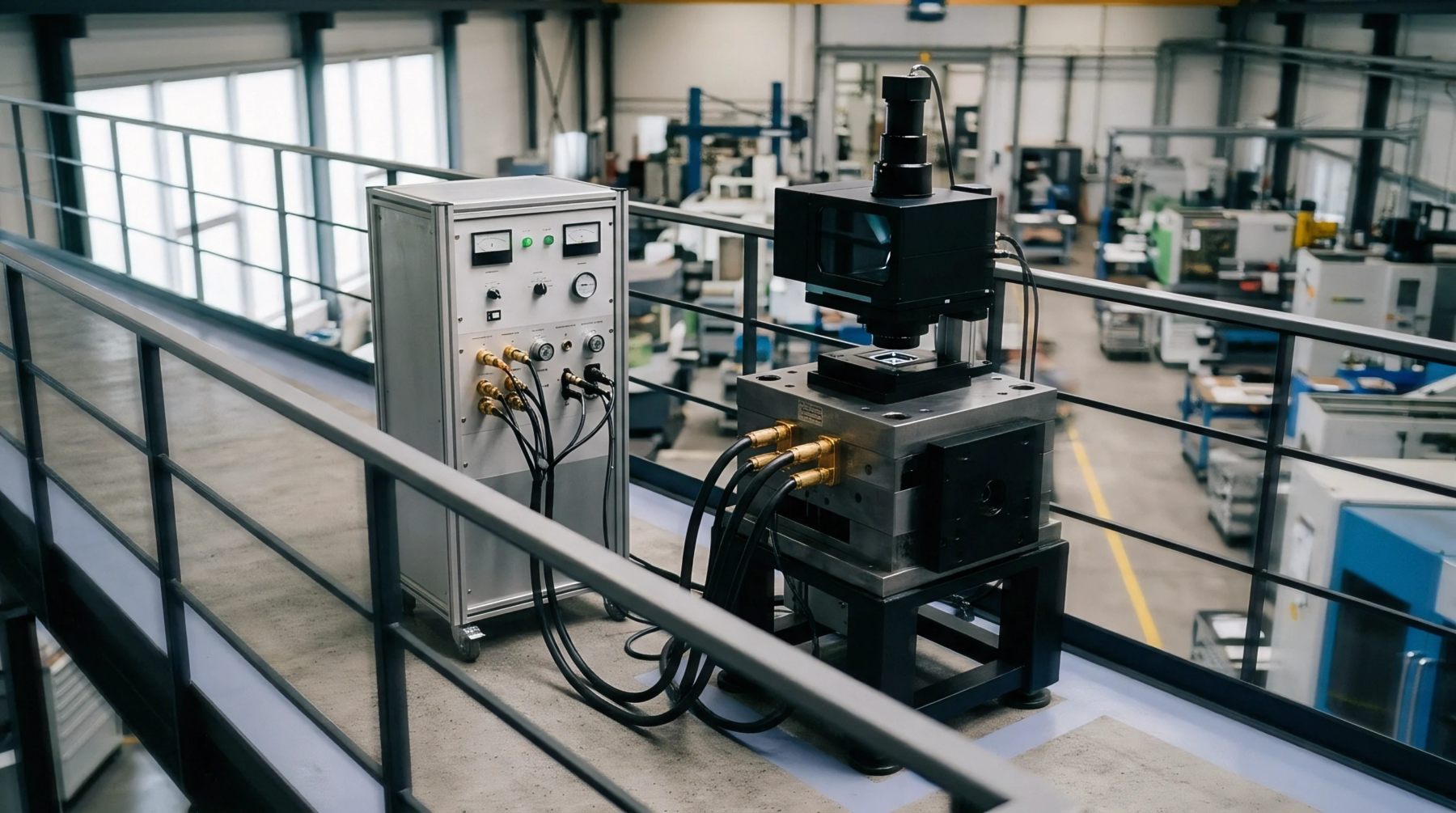
Characterizing automotive radar enclosures demands resonant cavity screening for raw resins and quasi-optical free-space sweeps for painted multilayer fascias.

Dual-sourcing radio modules requires radiated spurious verification and grantee-controlled permissive change filings before alternate hardware ships.

Software-defined transmit power allocation requires cryptographically secured regulatory domain tables matching regional grants to prevent certification failure.
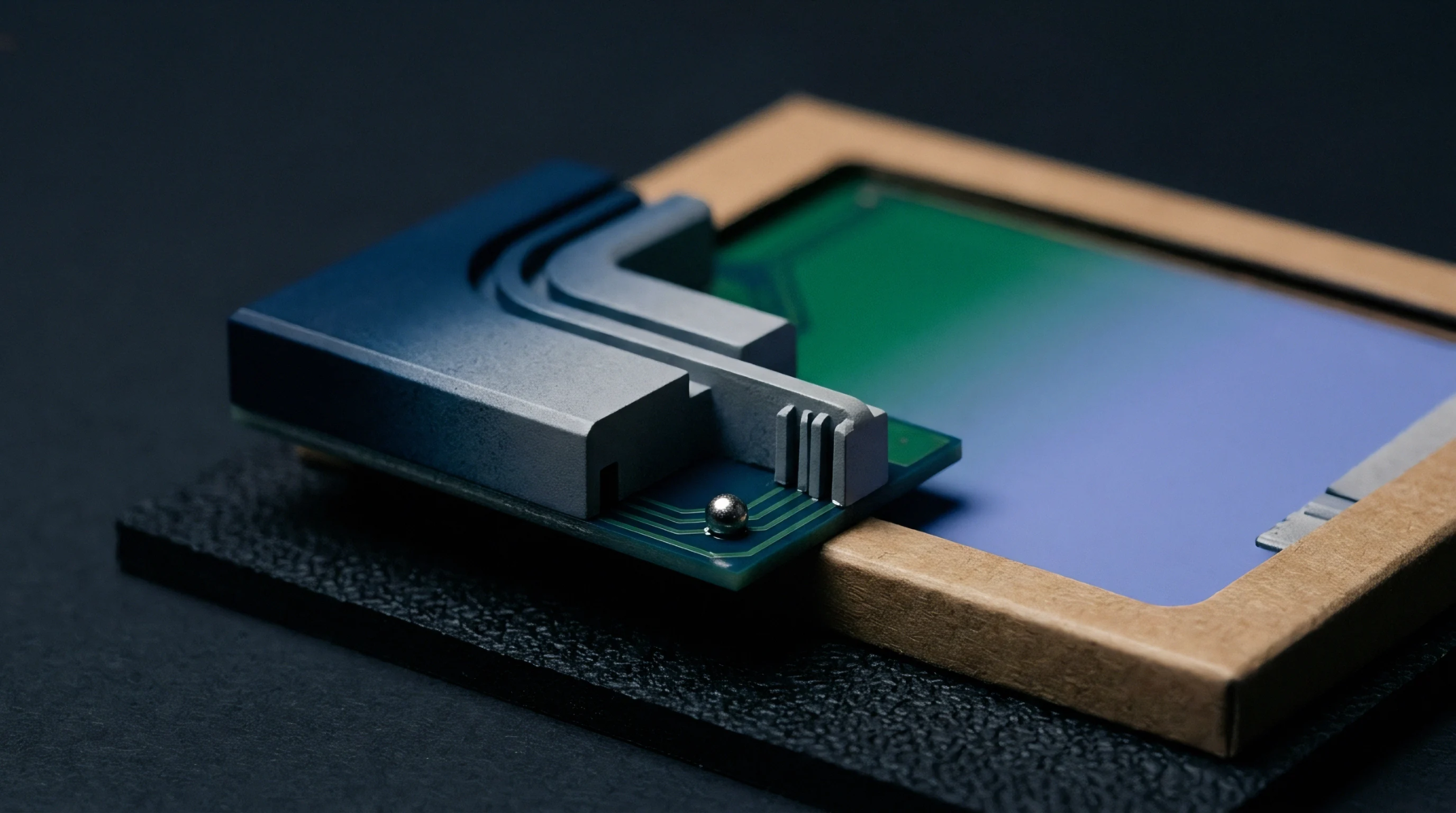
Unconverged phase retrieval in planar scans distorts far-field side lobes, creating unbudgeted retests and invalidating radiated compliance filings.
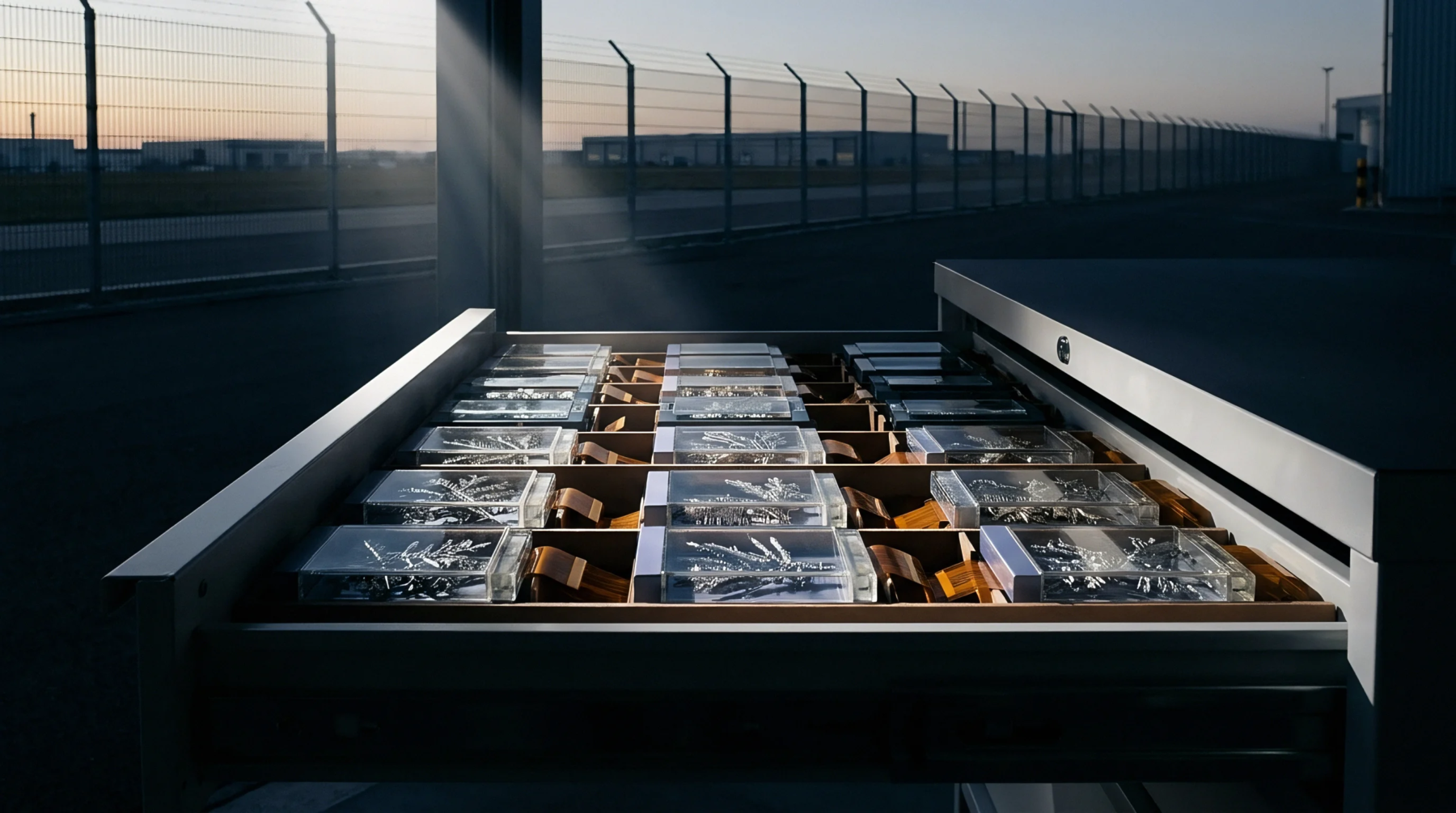
Radiated spurious emissions demand system-level chamber validation because host board traces, power ringing, and housing detuning invalidate standalone grants.
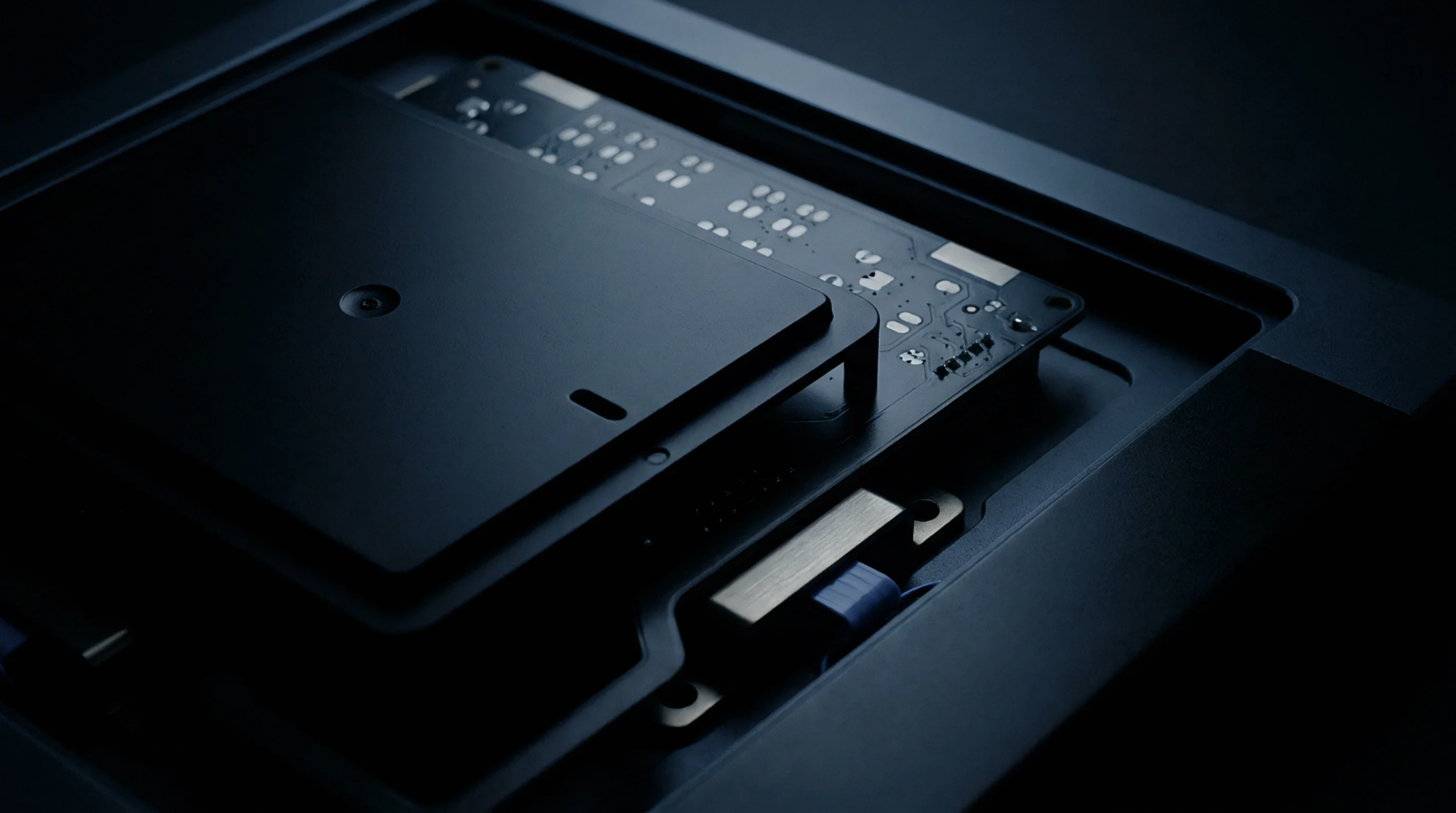
Modifying wireless module firmware registers invalidates modular type approvals, turning certified products into unapproved transmitters subject to immediate seizure.

Quantifying host spurious coupling requires far-field scans comparing factory and modified firmware to verify radiation margins against regulatory limits.
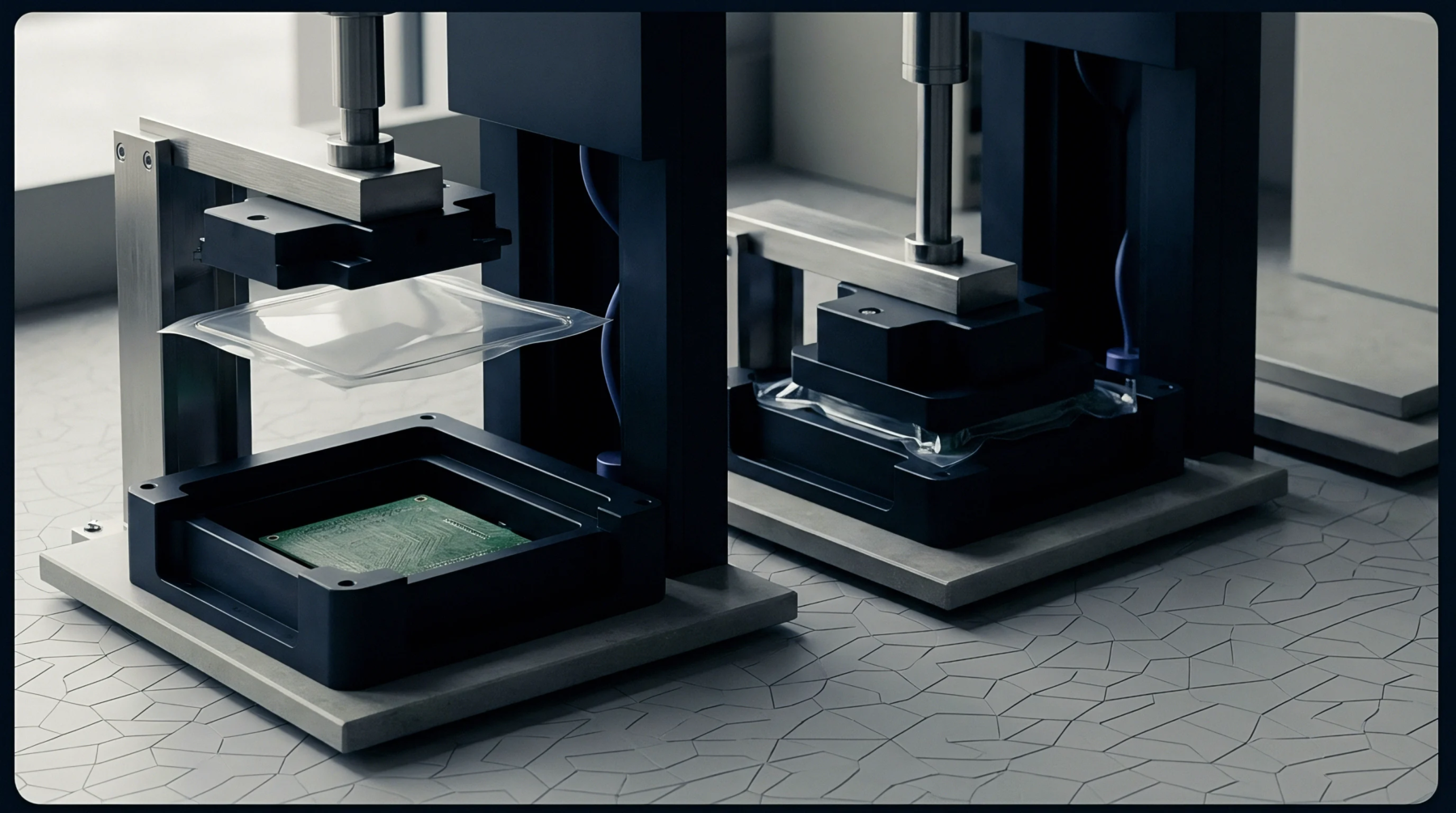
Class Two permissive changes trigger whenever transceiver integration alters antenna gain, exposure distance, or co-transmission margins beyond granted limits.

Modular inheritance fails under Chinese radio frameworks if host noise elevates radiated spurs or unlisted antenna gains exceed approved regulatory thresholds.

Metallic housings alter antenna geometry and cavity resonance, forcing Class II permissive changes or complete system recertification when emissions shift.

Resolving multi-transmitter intermodulation under revised Korean rules demands physical antenna separation, simultaneous-transmit scans, and host KC filings.

Integrating a pre-certified radio module exempts host RF retesting only if antenna type, gain, and trace impedance remain unchanged; EMC registration is mandatory.

Dynamic frequency selection verification requires matching transceiver pulse discriminators to regional radar profiles and calibrating laboratory RF injection lines.
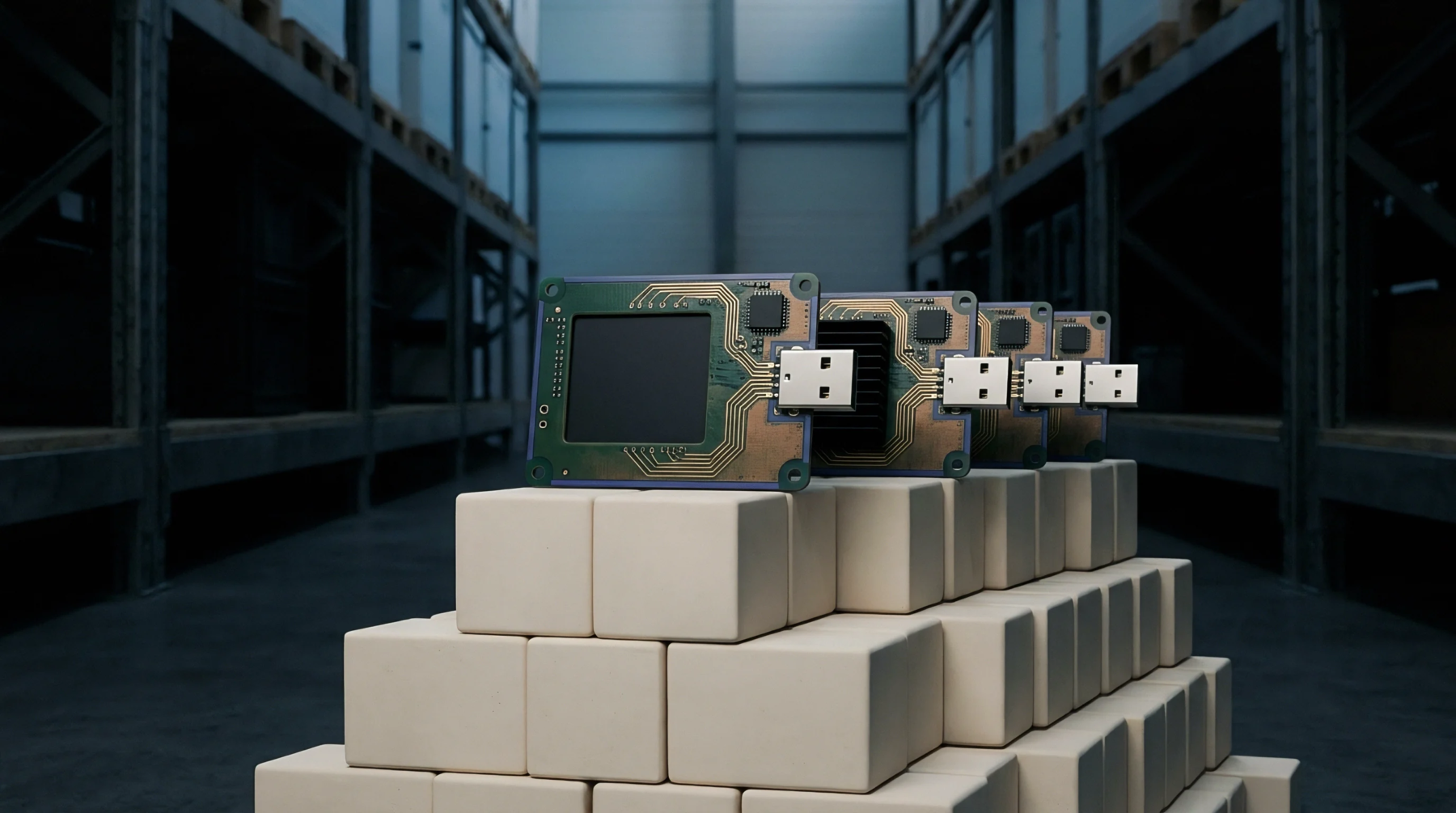
Closing white-label radio approval gaps requires mandatory host-level radiated testing, unredacted technical files, and local legal agent appointments.

Cross-border spectrum grants demand unified cryptographic verification to prevent customs holds, automated transmission shutdowns, and costly laboratory re-tests.
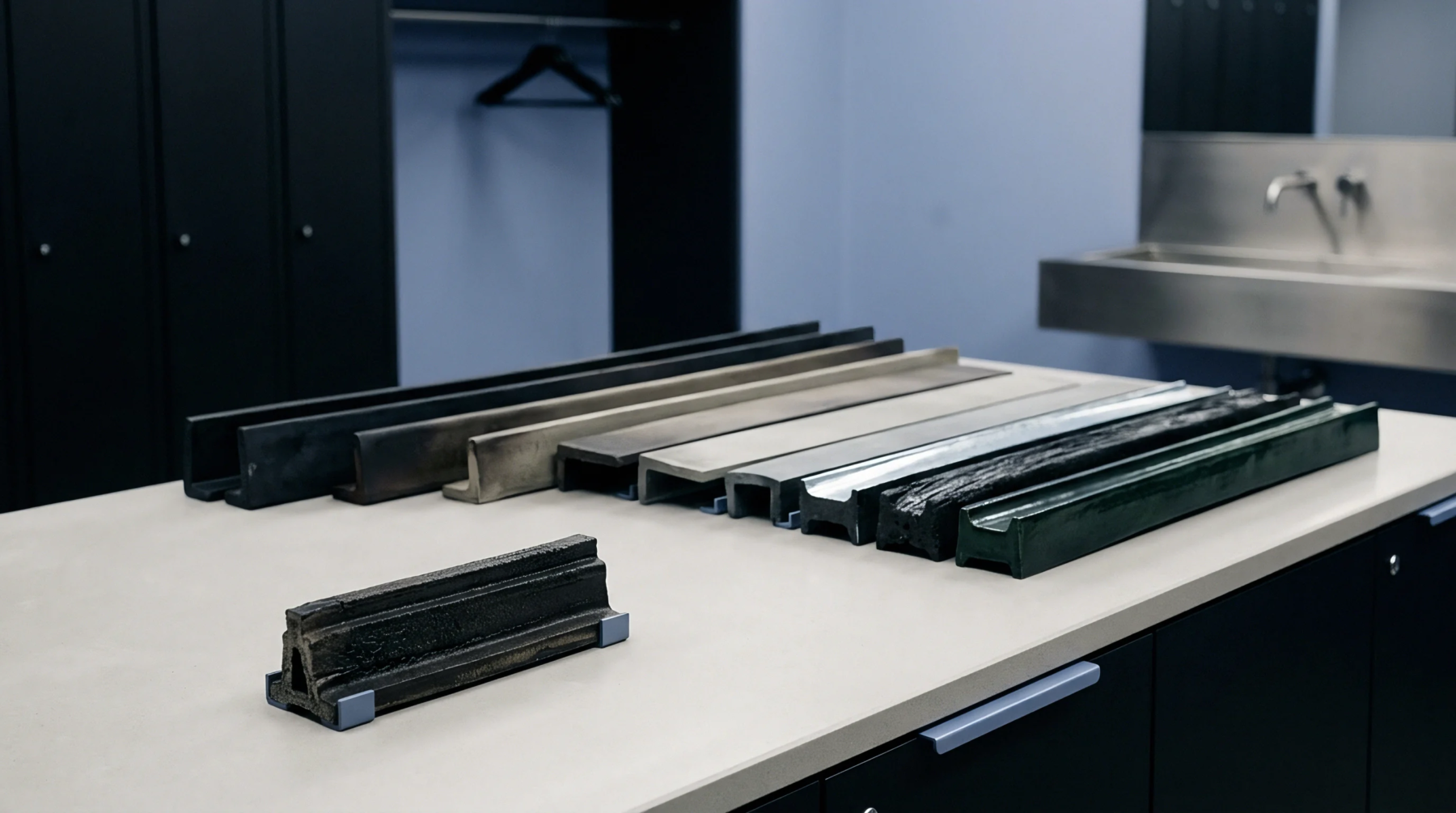
Managing polymer dielectric dispersion requires matching host substrate anisotropy to original modular grant limits to avert Class II permissive change retests.
Enclosure plastic permittivity shifts detune integrated antennas and elevate radiated harmonics, converting modular paperwork into expensive Class II chamber filings.
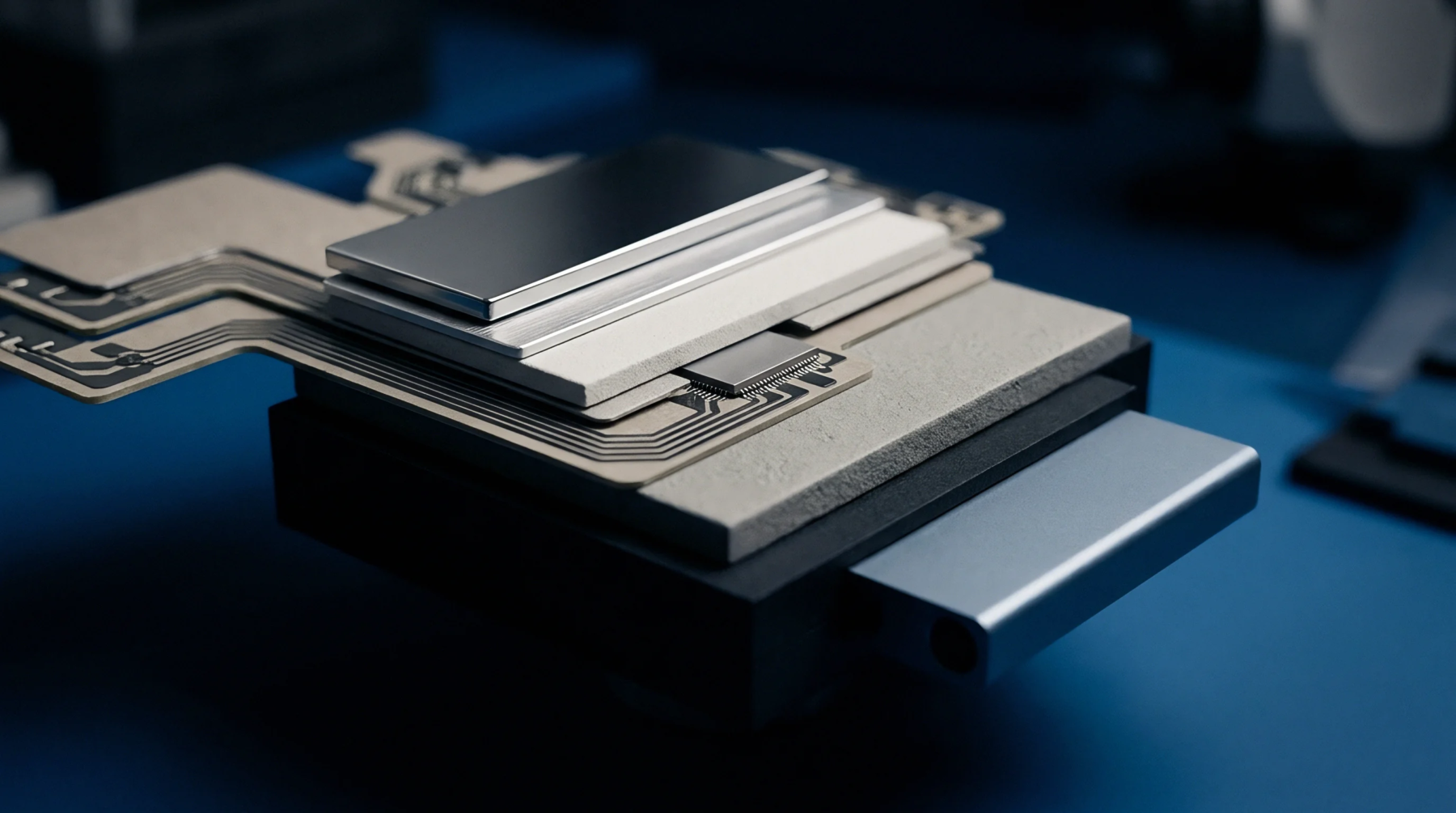
Substrate loss evaluation at millimeter-wave frequencies requires extracting conductor interface roughness and bulk dissipation to protect radiated EIRP margins.

Harmonic traps suppress cellular spurious emissions to protect co-located Wi-Fi receivers and prevent laboratory retests that delay market filings.

Cross-border radio approvals require isolating regional gaps between European receiver-centric standards and North American transmitter-focused filing grants.

Unshielded wireless modules legally void standard modular approvals, transferring all radiated compliance liability and certification costs to the host integrator.
Substrate permittivity drift pulls 77 GHz automotive radar frequencies out of statutory bands, invalidating grants and forcing costly laboratory re-filings.

Laminate swaps in 77 GHz radar change EIRP and pattern directivity, requiring Class II permissive filings if power rises or spurious emission profiles degrade.

Characterizing thermal dielectric relaxation in anisotropic W band polymers prevents beam squint and out-of-band emissions during regulatory approvals.
Expertise is a utility, not a secret. sentiention™ publishes its working knowledge as open reference: intelligence layer covering the materials it sources, the markets it enters, and the reference that serves both.