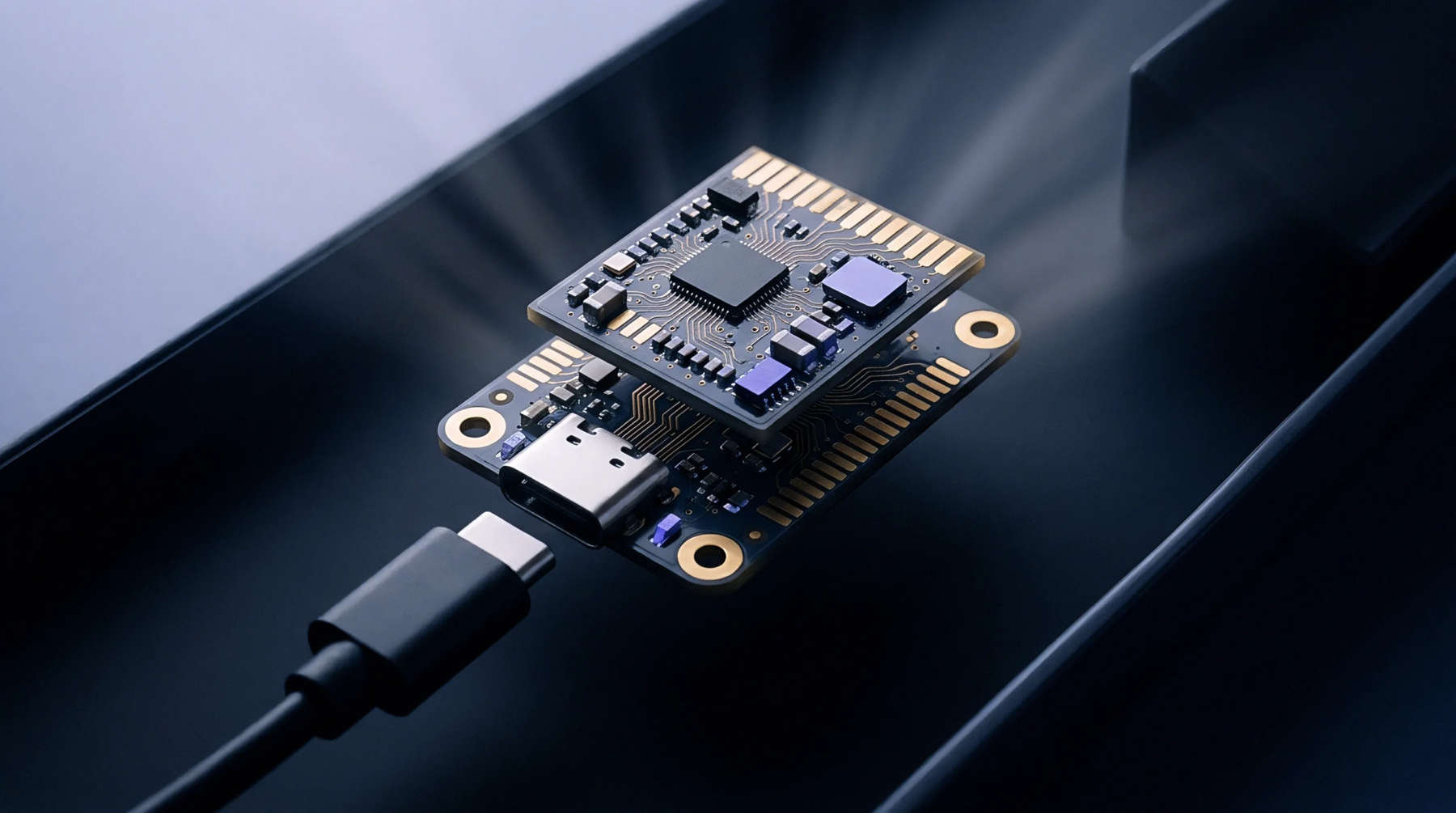
Meaning
Hardware assemblies modulate baseband data onto carrier waves for wireless propagation through open space. Radio transmission equipment converts electrical signals into electromagnetic energy that antennas broadcast toward distant receivers. This process requires precise control over frequency stability and output power levels to maintain signal integrity across long distances.
Regulatory bodies define the operational boundaries of these units by restricting permitted power spectral density and out of band emissions.
Signal Modulation
Digital data streams undergo conversion into analog waveforms suitable for propagation through the atmosphere or vacuum. Radio transmission equipment maps information onto specific carrier frequencies using modulation schemes like quadrature amplitude modulation or phase shift keying. Complex encoding algorithms reduce the impact of environmental noise while maximizing the effective throughput of the occupied channel.
Each modulation state change introduces potential phase noise which the circuitry must suppress to prevent bit errors at the remote terminal.
Power Management
High frequency amplification boosts the processed signal to the required decibel level for successful transmission over a planned link budget. Radio transmission equipment employs power amplifiers that operate under strict thermal constraints to prevent performance degradation or component failure during continuous duty cycles. Designers monitor the relationship between the peak to average power ratio and the linearity of the amplification stage to avoid spectral regrowth that violates compliance standards.
Proper heat sinking preserves the lifespan of these semiconductors under extreme ambient conditions.
Interface Integration
Physical connectors link the primary signal processing board to external coaxial feeders and passive matching networks. Radio transmission equipment maintains a fifty ohm impedance match across all ports to ensure maximum energy transfer while preventing reflections that damage sensitive input stages. Technicians verify these connections during commissioning by measuring the return loss and standing wave ratio at the antenna port.
Mismatched terminations cause energy dissipation within the cable assembly rather than at the radiator which lowers the overall effective isotropic radiated power of the final system.