
Radio Equipment Directive Host Integration Testing Procedures and Technical File Assembly
CE module approvals do not cover host integration; host manufacturers must execute physical delta testing and compile a full RED Technical File.
CE module approvals do not cover host integration; host manufacturers must execute physical delta testing and compile a full RED Technical File.

Class Two Permissive Changes are triggered when physical, antenna, or firmware modifications alter RF emissions or RF exposure without exceeding original grant limits.

Simultaneous SAR evaluations require summing standalone SAR or estimated values to prove combined exposure remains below regulatory limits.
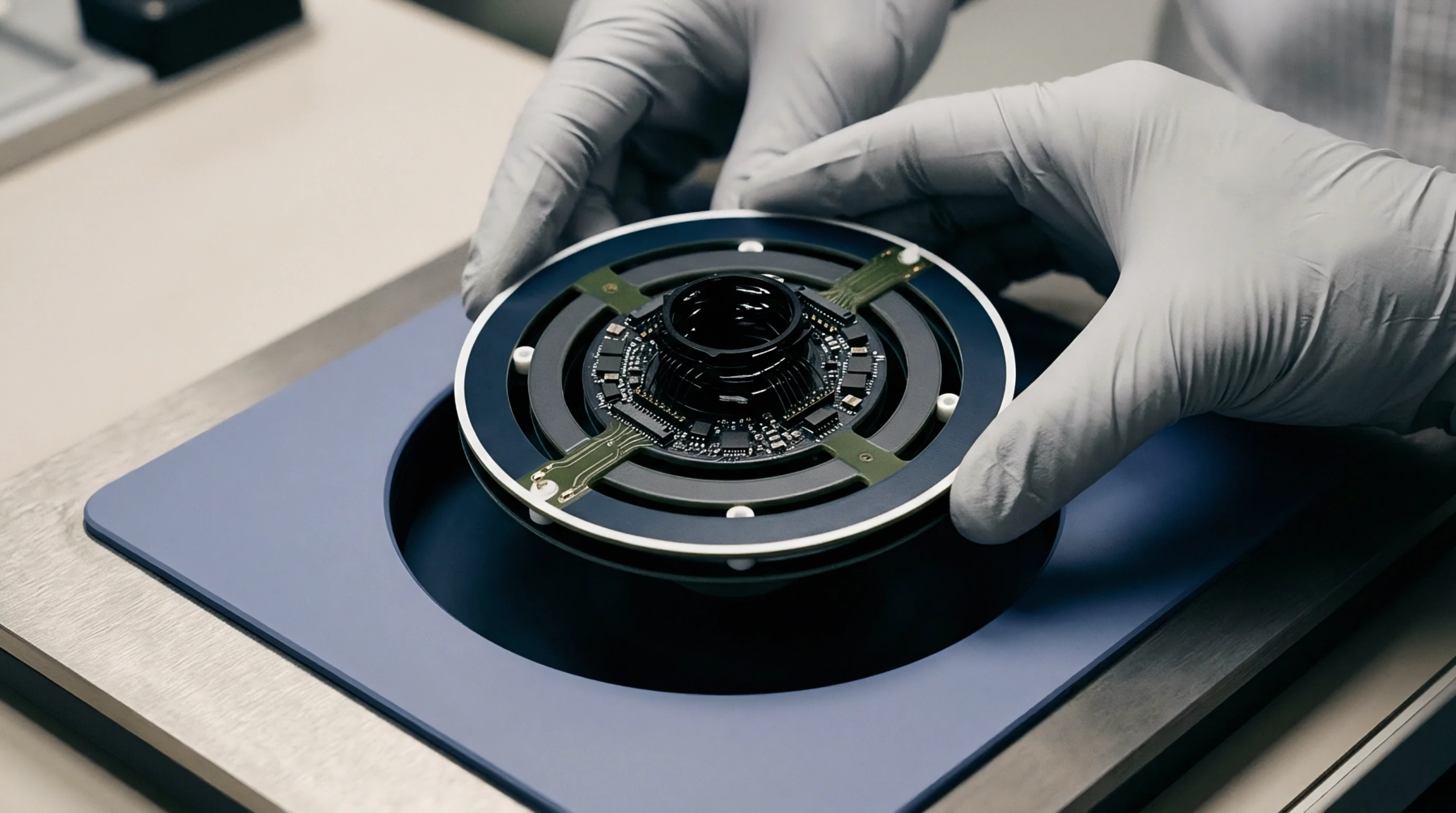
Minimum antenna separation depends on transmitter power, receiver blocking thresholds, intermodulation mixing products, and regulatory simultaneous exposure ratios.

Unshielded multi-radio integration induces enclosure cavity resonances that amplify harmonic spurs, requiring Class II Permissive Changes and RF damping.

Exceeding simple SAR summation thresholds requires peak location separation ratios below 0.04 to avoid multi-thousand-dollar volumetric chamber testing.

Evaluating modular wireless approvals requires verifying host PCB layout, co-location limits, permissive change filings, and regional certification timelines.

FCC Part 15 modular rules allow pre-certified radios in host devices provided shielding, power regulation, labeling, and antenna limits match grant guidelines.

Host integration of approved radio modules requires strict permissive change assessment and tailored dossier compilation to preserve regulatory market access.
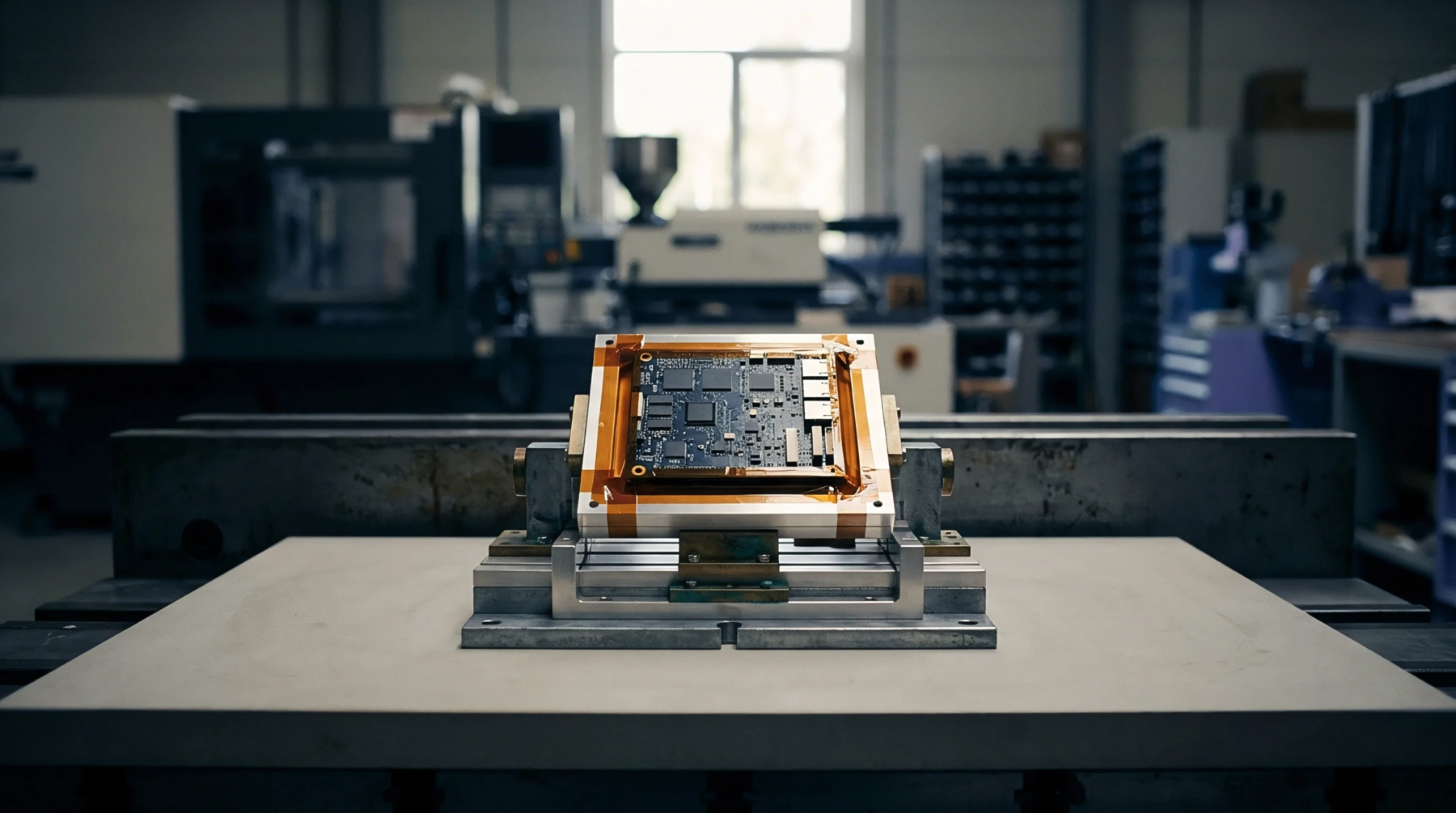
Host enclosure and trace modifications alter modular transmitter emissions, making radiated evaluation and permissive change filings mandatory for market entry.

Dense multi transmitter hosts require mathematical modeling and chamber isolation of intermodulation products to prevent compliance rejections across global regulatory filings.

Multijurisdictional co-location SAR evaluation requires host-level total exposure ratio analysis and spatial decoupling to ensure global market clearance.
FCC modular class changes require Class I audit logs for minor zero-increase emissions shifts and Class II filings for higher gain, host SAR, or altered spurious profiles.

Modular permissive change rules limit host modifications; crossing trace, antenna, or power boundaries forces costly multijurisdictional re-certification.
Expertise is a utility, not a secret. sentiention™ publishes its working knowledge as open reference: intelligence layer covering the materials it sources, the markets it enters, and the reference that serves both.