
Managing Host Product Conformity Declarations during Mandatory Standard Revisions
Updating host conformity declarations during standard revisions requires delta chamber testing, supplier report verification, and technical file alignment.
Updating host conformity declarations during standard revisions requires delta chamber testing, supplier report verification, and technical file alignment.

Cross-border radio nominee risk requires separating legal representation from distribution while holding direct Grantee Code ownership and central TCF escrow.

Aligning subassembly marking with customs clearance requires verified modular grants, HTS accuracy, and explicit OEM assembly declarations on import manifests.
Seized wireless shipments require bonded warehouse firmware reflashing to locked production builds and corrective carton relabeling matching regulatory grants.

Modular radio integration requires strict host layout isolation, explicit grant scope verification, and full product unintentional radiator retesting to ensure global access.

Depleted wireless imports clear customs through dangerous goods transport compliance, physical exterior radio marking verification, and validated salvage logs.

Harmonizing modular radio scopes across customs points requires matching external host labels to upstream grant IDs backed by a host-level technical dossier.
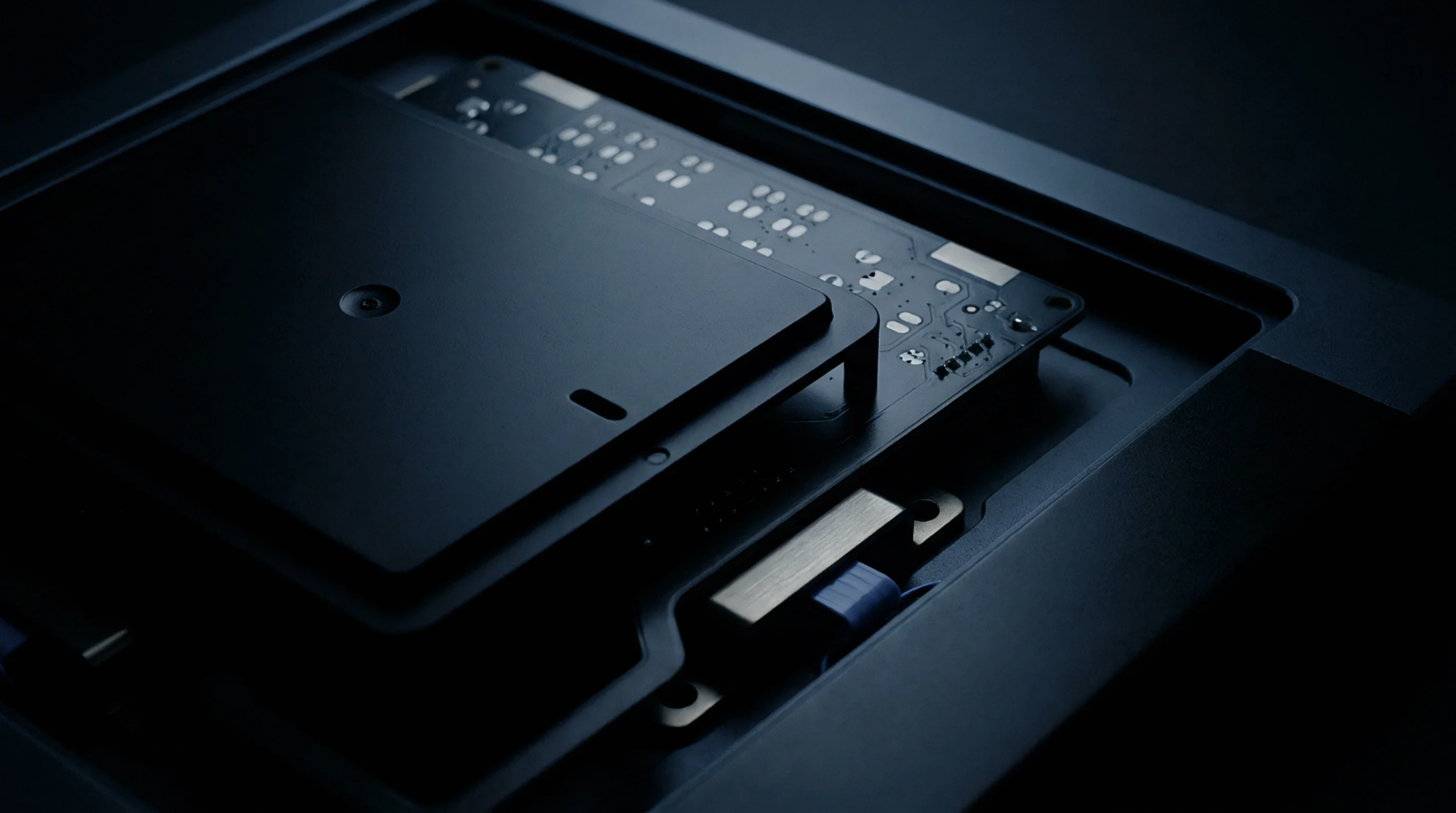
Modifying wireless module firmware registers invalidates modular type approvals, turning certified products into unapproved transmitters subject to immediate seizure.

Short range wireless device conformity requires matched test reports, accredited filings, clear modular boundaries, and precise housing labeling across target jurisdictions.

Modular grants legally cover only certified subassemblies, leaving host manufacturers liable for spurious emissions, co-location, and exterior labeling.

Modular grants never eliminate host testing: host layout, cabling, and enclosures create composite radiators requiring independent radiated spurious verification.

Regulatory compliance labeling transitions require synchronizing injection mold updates, substrate durability tests, and inventory cut-offs to prevent border holds.
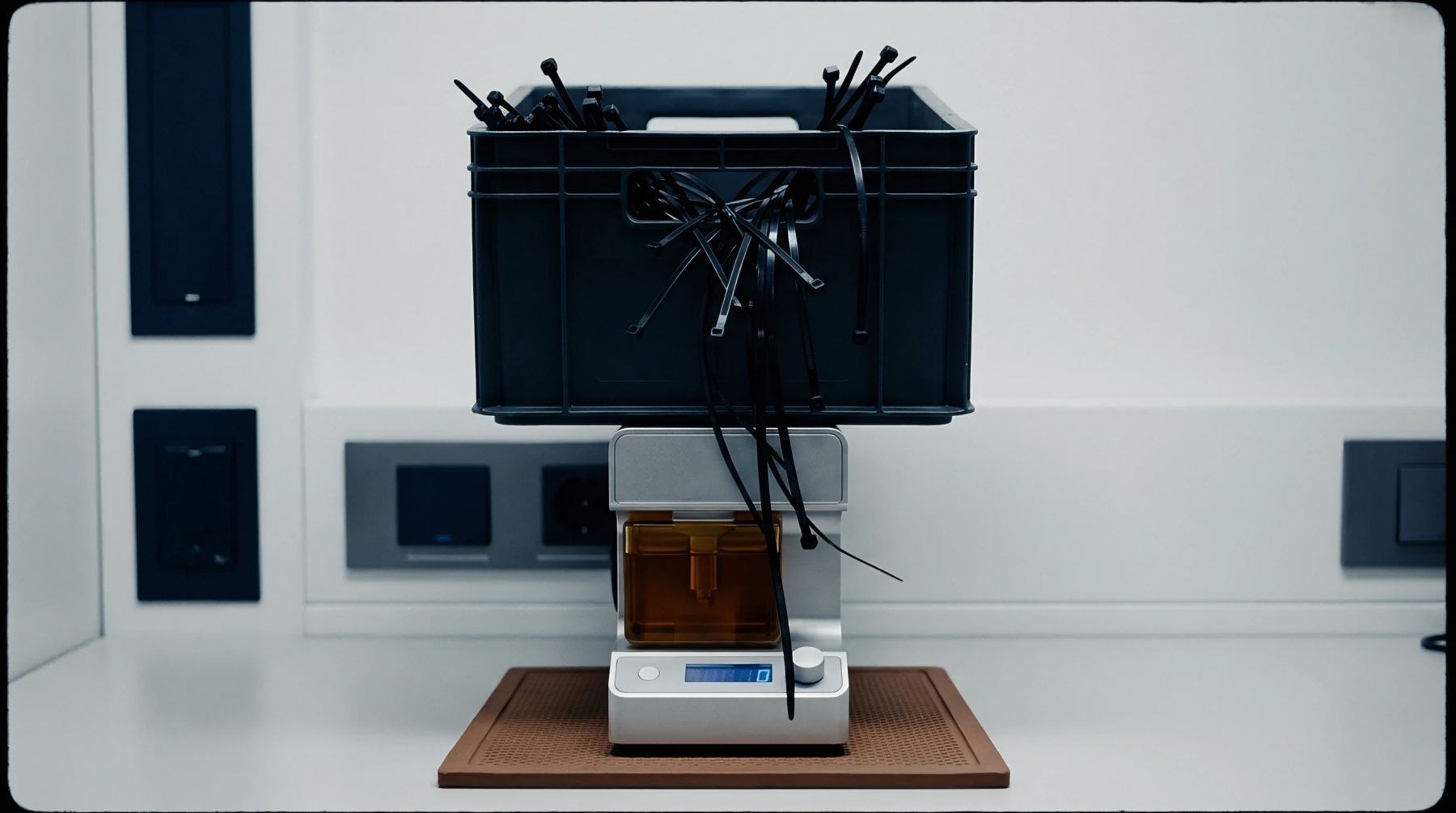
Mutual recognition frameworks eliminate redundant overseas radio testing by allowing accredited domestic bodies to issue valid destination market authorizations.

Reconciling international MRA discrepancies in modular radio dossiers requires structured delta testing to satisfy regional radiated limits and CAB scopes.

Securing global port radio approvals for off-grid cryptographic seals requires matching regional sub-GHz power ceilings before final host integration.

Verifying imported wireless device compliance requires cross-referencing grantee databases, matching host antenna gains, and auditing ISO 17025 test scope.
Cross-border radio verification requires accredited laboratory scope validation, standard gap analysis, and cryptographic document provenance at customs.

Cross-border radio module schemes demand host-level verification, strict trace layout compliance, and targeted local filing sequencing to secure market access.
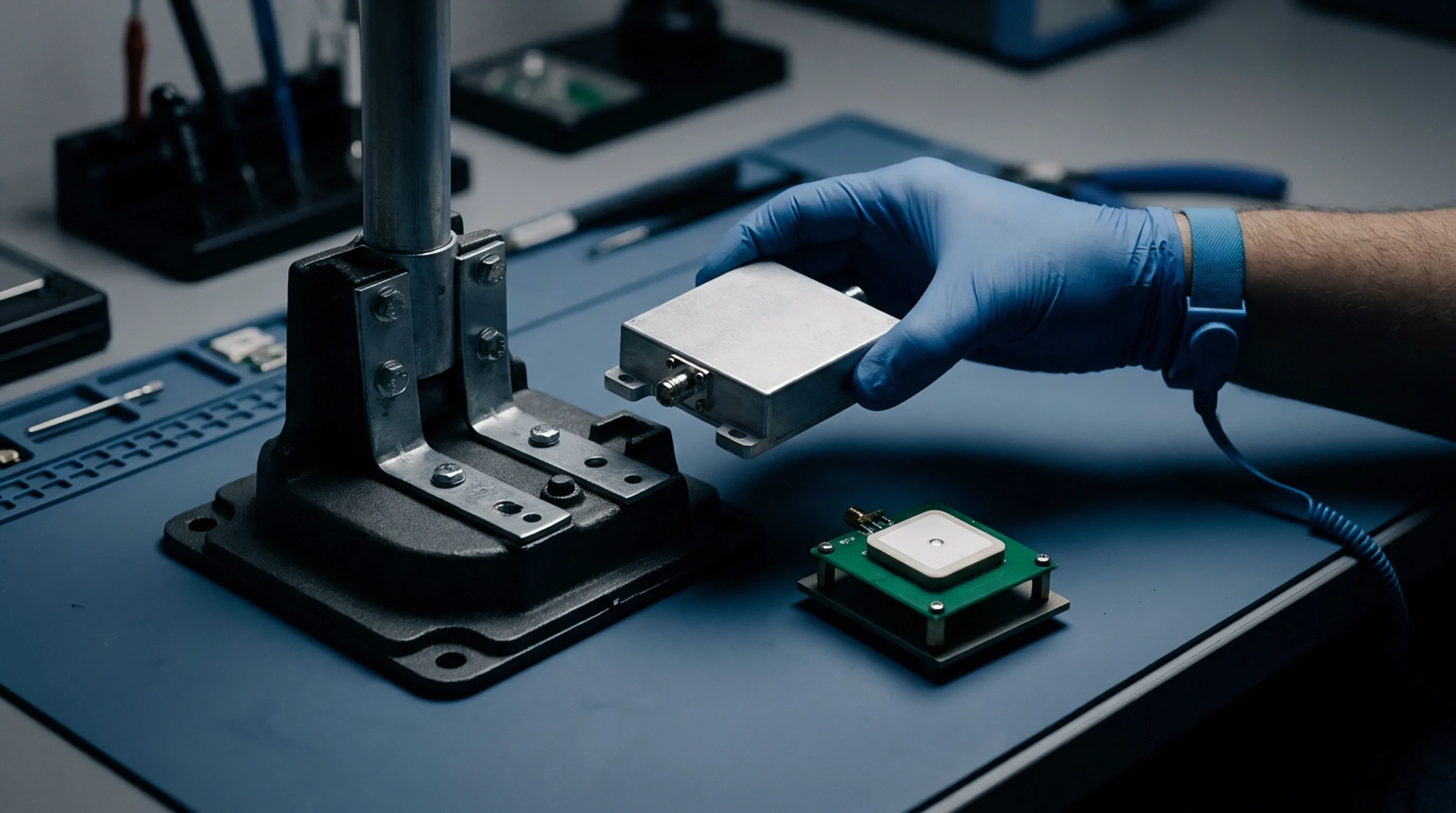
Incomplete wireless Declarations of Conformity trigger immediate customs red-lane quarantine, imposing daily port demurrage charges until host-level documentation clears.

Dual-function wireless assemblies require precise Harmonized System classification and synchronized telecommunications filings to prevent customs border holds.

Modular radio approvals cover baseline intentional radiation but transfer host level unintentional emissions, SAR exposure, and final assembly compliance to the integrator.

Electronic labeling harmonizes global hardware SKUs but mandates strict 3-click offline menu access and mandatory physical outer packaging fallback labels to pass border inspections.
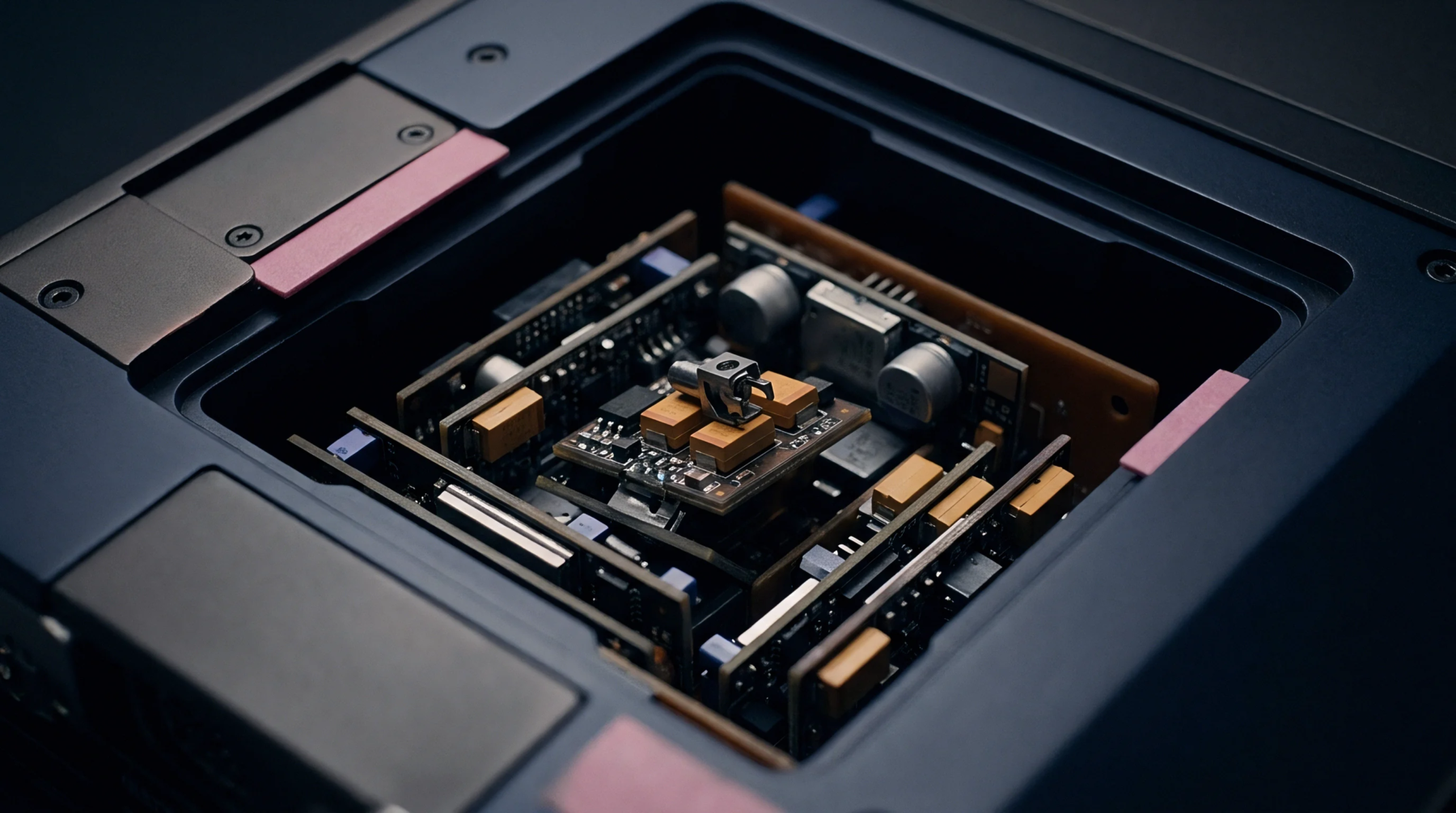
Unlicensed commercial radio access requires precise chamber testing, strict host integration boundaries, and regional type approval filings to prevent customs rejections.

Radio filings in Japan and Korea depend on local representatives to hold legal title, navigate national test standards, and prevent customs cargo impoundment.
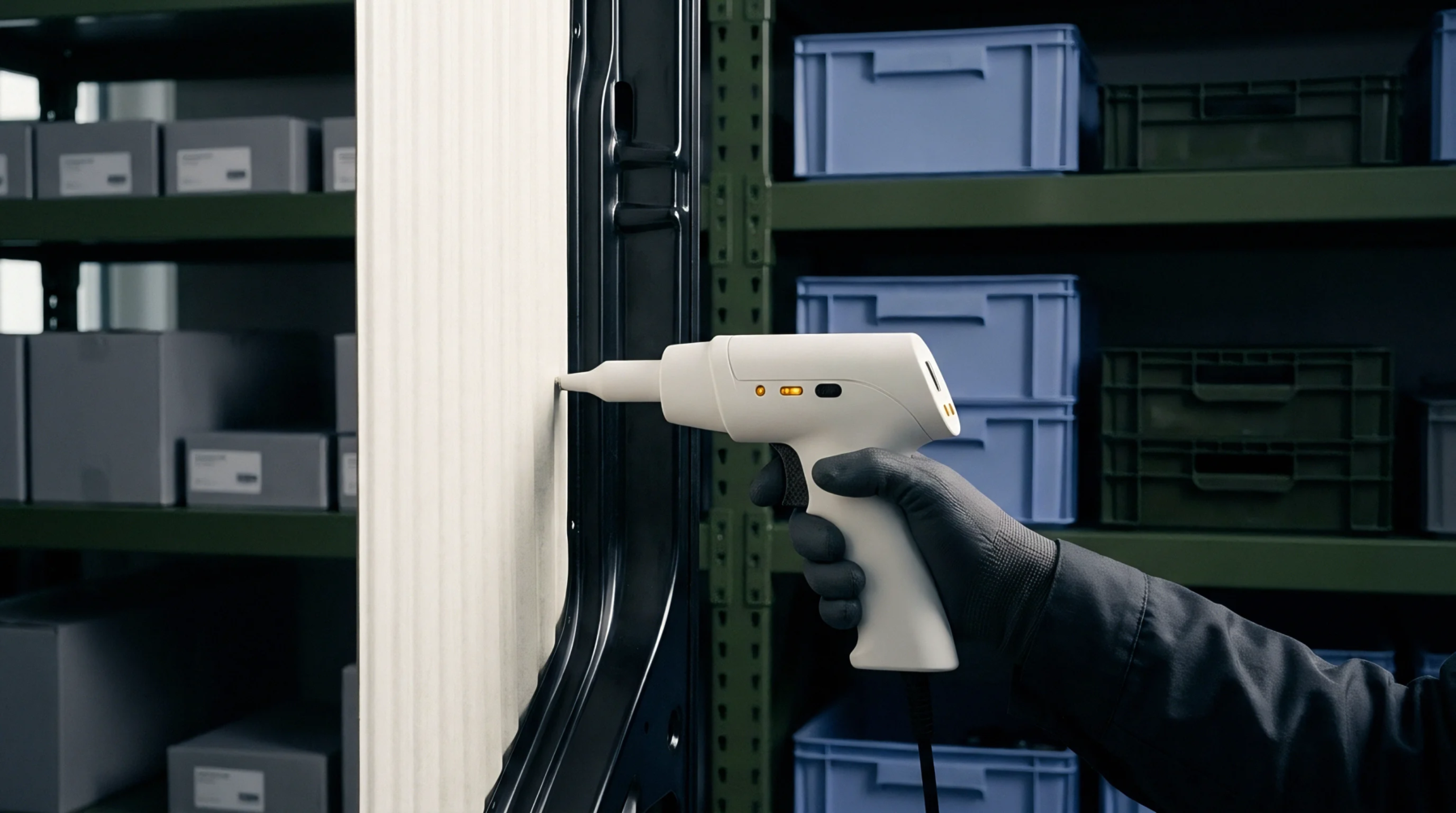
Customs holds on radio products stem from missing declarations of conformity, requiring aligned standard references and valid technical files for release.
Expertise is a utility, not a secret. sentiention™ publishes its working knowledge as open reference: intelligence layer covering the materials it sources, the markets it enters, and the reference that serves both.