
Port Customs Clearance Requirements for Depleted Wireless Electronics Imports
Depleted wireless imports clear customs through dangerous goods transport compliance, physical exterior radio marking verification, and validated salvage logs.
Depleted wireless imports clear customs through dangerous goods transport compliance, physical exterior radio marking verification, and validated salvage logs.
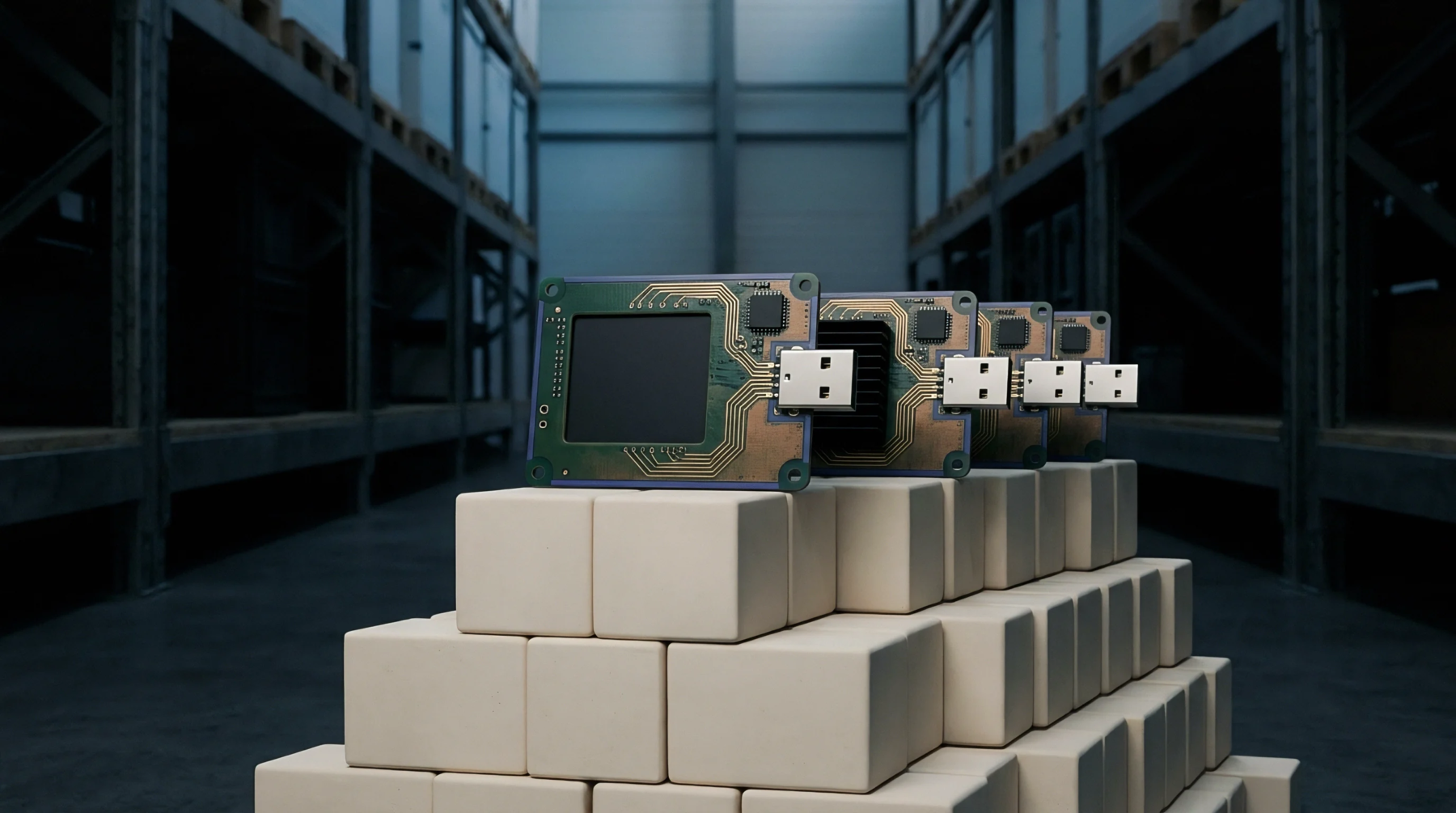
Closing white-label radio approval gaps requires mandatory host-level radiated testing, unredacted technical files, and local legal agent appointments.

Rebranding certified radio equipment requires an active original grant, written grantee authorization, an independent grantee code, and identical hardware.

Modular radio approvals cover transmitter components alone, forcing host manufacturers to perform radiated testing and execute distinct country filings.

Standalone transmitter grants demand autonomous hardware shielding, power regulation, and strict adherence to antenna trace rules to prevent costly retesting.

Electronic display compliance requires direct menu access within three user steps, offline non-volatile firmware storage, and matching physical packaging marks.

Evaluating modular wireless approvals requires verifying host PCB layout, co-location limits, permissive change filings, and regional certification timelines.

Foreign manufacturers must appoint a South Korean domestic representative to hold KC radio conformity grants and retain technical archives.

Verifying imported wireless device compliance requires cross-referencing grantee databases, matching host antenna gains, and auditing ISO 17025 test scope.

Section 2933 filings transfer FCC equipment authorization to a new grantee code without retesting, provided hardware and circuitry remain unchanged.

Regulatory approval delays in Southeast Asian telecom markets erode margins through inventory holding costs, local re-testing, demurrage, and market obsolescence.

Host hardware vendors retain ultimate legal liability for combined device compliance, requiring host verification despite module pre-certification.

Modular approval requires eight statutory hardware conditions; host integrators must perform spot checking and unintentional radiator evaluation before market entry.

Electronic labeling harmonizes global hardware SKUs but mandates strict 3-click offline menu access and mandatory physical outer packaging fallback labels to pass border inspections.
Expertise is a utility, not a secret. sentiention™ publishes its working knowledge as open reference: intelligence layer covering the materials it sources, the markets it enters, and the reference that serves both.