Meaning
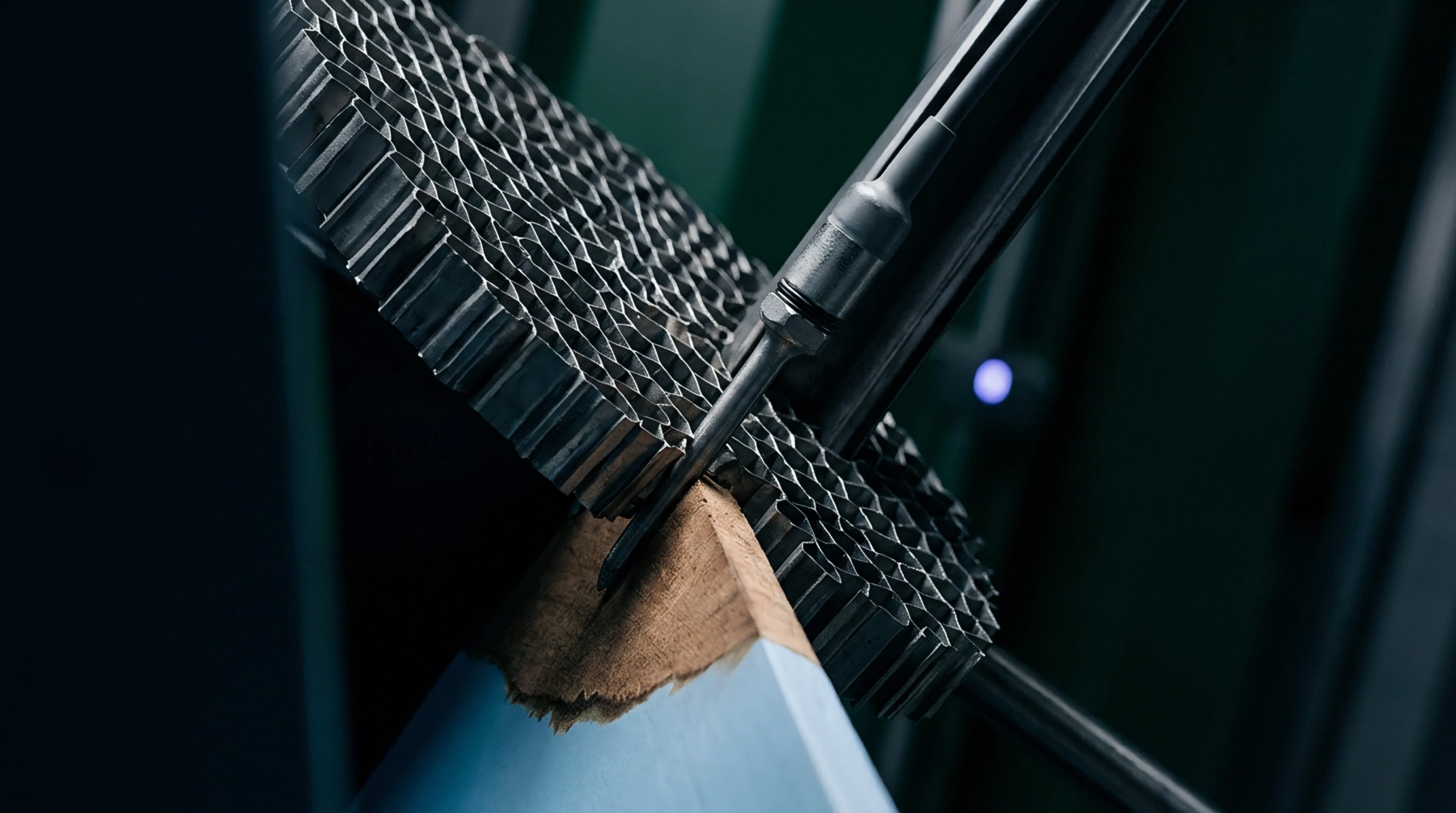
The irreversible consumption of test units during the verification process is a standard requirement for many safety and environmental certifications. When a laboratory performs sample destruction, it pushes a component or enclosure to its physical limits to determine the point of failure. This practice is common in tests for fire resistance or waterproof sealing.
Destructive Evaluation
Engineers use these tests to confirm that a device will not become a hazard under stressed conditions. In cases of sample destruction, the individual boards or modules are often incinerated or crushed to analyze their internal composition. The data gathered from these ruins provides a higher level of certainty than non-invasive inspections could offer.
Material Loss
Planning for a certification campaign requires the provision of extra units that will never be sold. Since sample destruction removes these items from the usable inventory, the cost of these lost units must be factored into the overall development budget. A typical test run might require five units of a smart device to be sacrificed to satisfy different regulatory bodies.
If a project uses expensive custom enclosures or rare antenna components, the financial impact of this loss is considerable and must be tracked as a direct research and development expense.
Quality Assurance
Confirming the integrity of a design often requires seeing how it breaks. Through sample destruction, a manufacturer can prove that an enclosure will contain a battery fire or that a circuit board will not leach toxic chemicals when damaged. This evidence is important for achieving global safety ratings and protecting the company from future liability claims.