Navigating Electronic Display Access Requirements across International Telecommunications Certification Bodies
Electronic display compliance requires direct menu access within three user steps, offline non-volatile firmware storage, and matching physical packaging marks.

Screen
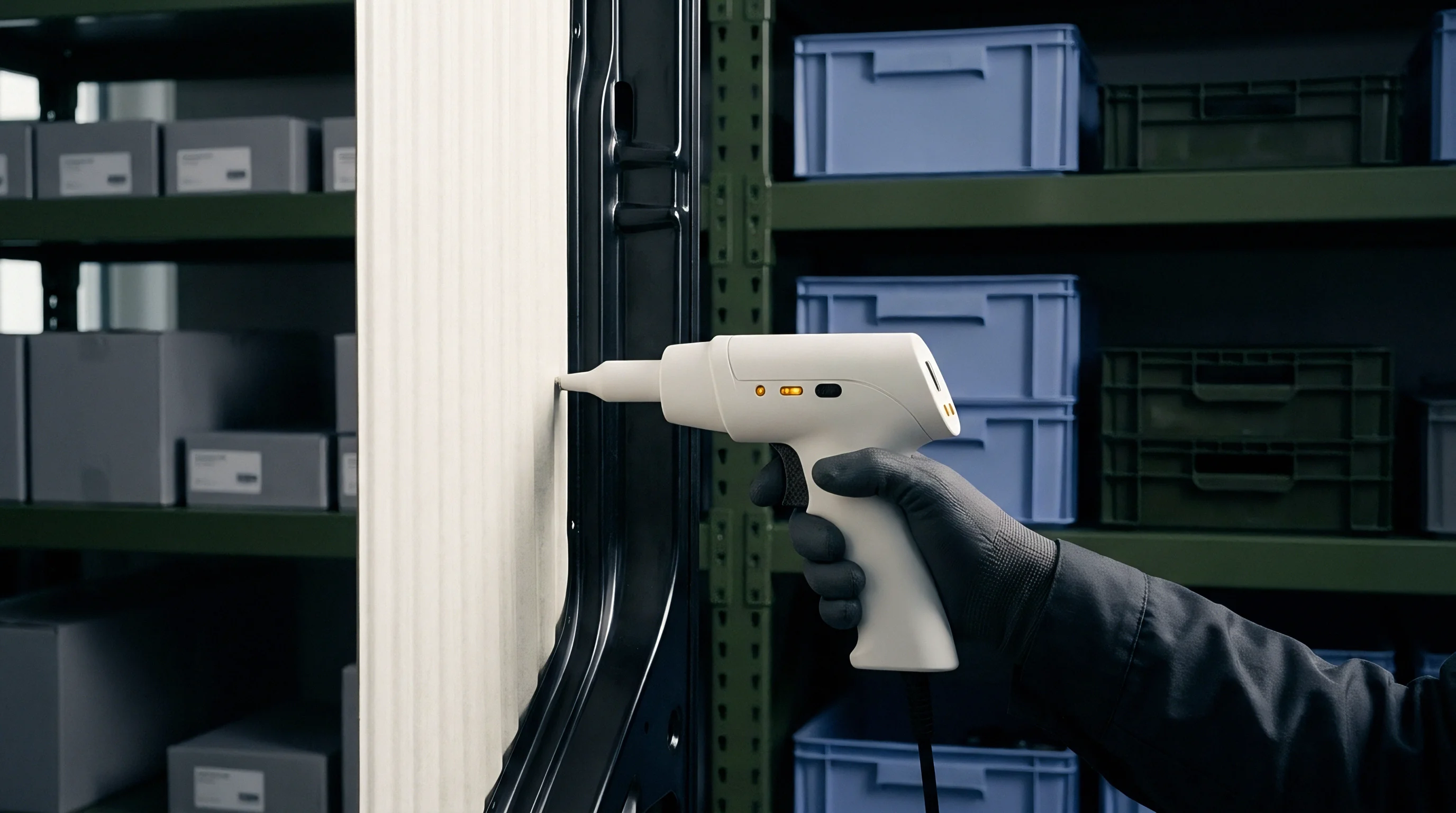
Electronic labeling replaces permanent physical etching with graphics rendered directly on an integrated screen. Telecommunications certification authorities permit these digital markings on devices with built-in displays, as long as the route to find them stays accessible to both end users and inspectors. The panel itself serves as a compliance surface only when the underlying hardware meets specific criteria: diagonal screen size, resolution, and driver integration all determine whether a product qualifies for e-labeling or must still carry markings stamped into its physical enclosure.

Physical Interface Thresholds for E-Label Eligibility
Certification authorities set strict limits on physical panel dimensions and pixel density. Under Federal Communications Commission KDB 784748 D02 guidelines and Innovation, Science and Economic Development Canada RSP-100 requirements, screens must display legible regulatory symbols without requiring optical magnification. Panels under 2.5 inches diagonal require secondary physical packaging marks during transit to offset display constraints, and any screen incapable of presenting at least three lines of high-contrast text fails laboratory compliance evaluations.
Displays under 2.5 inches diagonal require secondary physical packaging marks under FCC KDB 784748 D02 guidelines.
Different display technologies handle these visual demands unevenly. Electronic paper retains static images without drawing continuous current, preserving regulatory markings even when a battery drops to critical levels. Active-matrix OLED panels offer strong optical contrast yet go dark the moment power runs out entirely.
Across all panel types, regulators require compliance markings to remain retrievable without plug-in dongles or supplemental magnification tools.
Software Accessibility without External Accessories
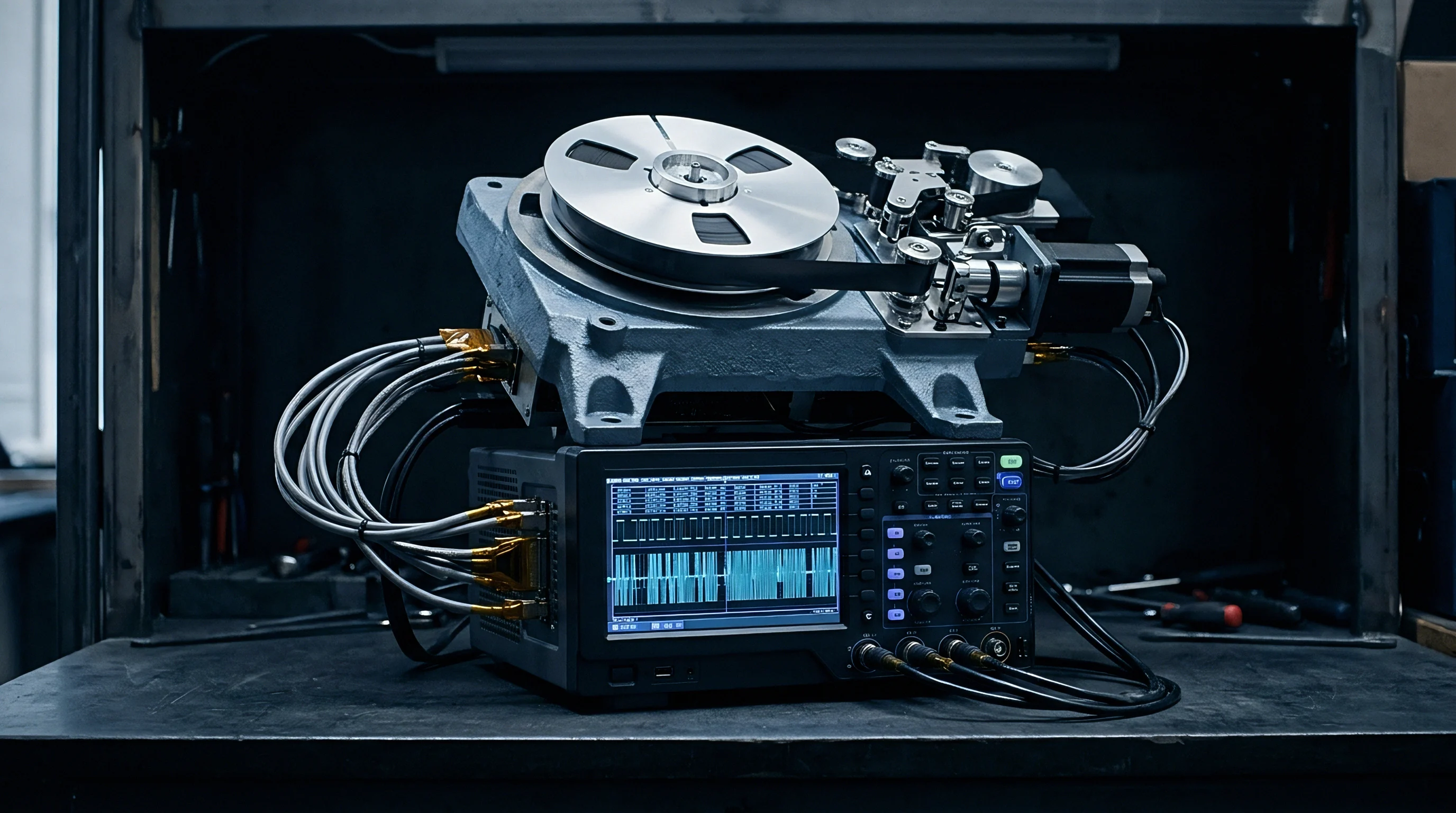
Digital compliance marks are considered invalid if pulling them up requires external hardware attachments, SIM cards, or an active network connection. The device firmware must store graphics and menu trees in non-volatile memory so screens render reliably offline. In addition, whatever test build an evaluation lab inspects must match the production firmware that ships to retail.
Laboratories step through the full navigation sequence during compliance scans. Importers risk outright shipment rejections at border control if uncharged batteries make digital markings unreadable or if companion print manuals omit the retrieval steps.


Hierarchy
Software architecture determines how quickly an end user can reach compliance data in system settings. International standards cap menu depth specifically to stop manufacturers from burying regulatory identifiers under layers of submenus, keeping the navigation path direct and free of administrative barriers.

Menu Navigation Path Limits and Access Logic
Certification bodies enforce a strict three-step ceiling for navigating to digital compliance screens, starting from the primary home screen or the main settings menu. Auditors count every single physical interaction ~ whether a button press, screen tap, or directional toggle ~ as a distinct step during verification.
Settings menus must never place compliance screens behind passwords, PINs, or active account logins. The information has to remain reachable even after a factory reset and during initial device setup. The following configuration flaws routinely trigger compliance rejections:
- Deeply nested submenus requiring more than three sequential user inputs from the primary application or system settings main screen.
- Administrative password gates or biometric security checks blocking access to regulatory compliance screens.
- Volatile display memory configurations that lose regulatory markings during unpowered transport or hard device resets.
- Missing fallback pathways in user manuals that fail to describe exact visual navigation steps.
User guides and quick-start sheets must document the exact steps needed to locate compliance screens. If printed instructions tell a buyer to tap Settings, select About, and then choose Regulatory, the operating system must deliver the mark in those exact three actions without intermediate dialogue boxes.

Immutable Firmware Storage for Regulatory Information
Digital compliance graphics live in read-only system partitions where end users and third-party apps cannot alter, overwrite, or delete them. Routine firmware integrity checks hash these regulatory image files on system boot to confirm the assets remain untampered with.
Proposals to bury regulatory information behind a five-step enterprise software menu on the grounds that corporate IT administrators restrict user navigation have been rejected; compliance details must remain immediately accessible to anyone holding the device.


Jurisdiction
Distributing radio-frequency hardware across borders means balancing sharply divergent legal frameworks. Rules from the Federal Communications Commission in the United States, Innovation, Science and Economic Development in Canada, the Ministry of Internal Affairs and Communications in Japan, and the Radio Equipment Directive in the European Union each enforce distinct display requirements. Harmonizing a single firmware build for international sale requires strict control over how these digital assets render.

What Determines Electronic Display Authorization across Regulatory Borders?
Each regional agency maintains its own baseline for e-labeling eligibility. Federal Communications Commission KDB 784748 D02 allows digital labels on hardware with integrated panels or equipment connected to a display over fixed physical cabling. Innovation, Science and Economic Development Canada enforces similar parameters under RSP-100 Section 3.3.
In Japan, MIC Radio Act Article 38-35 authorizes electronic marks only if the Giteki symbol and certification code preserve exact visual proportions on screen.
Japanese MIC Radio Law Article 38-35 mandates instant regulatory symbol display upon menu selection or boot prompt trigger.
The European Union accommodates electronic labeling under Radio Equipment Directive 2014/53/EU, though physical CE marks remain mandatory on both outer packaging and device enclosures. In South Korea, National Radio Research Agency Notice 2021-10 permits digital KC markings as long as display rendering meets set dimensional ratios for Korean certification glyphs.
| Certification Body | Primary Regulatory Standard | Maximum Menu Steps | Physical Package Fallback | Access Code Requirement |
|---|---|---|---|---|
| FCC (United States) | KDB 784748 D02 | 3 Steps | Mandatory on outer packaging | Strictly prohibited |
| ISED (Canada) | RSP-100 Section 3.3 | 3 Steps | Mandatory on outer packaging | Strictly prohibited |
| MIC (Japan) | Radio Act Article 38-35 | 3 Steps | Required for bulk shipping | Strictly prohibited |
| KC (South Korea) | RRA Notice 2021-10 | 3 Steps | Mandatory on outer packaging | Strictly prohibited |
| CE (European Union) | RED 2014/53/EU | 3 Steps | Mandatory physical mark on host | Strictly prohibited |

Regional Discrepancies in Regulatory Mark Rendering
Graphical assets must scale cleanly across varied screen dimensions and resolutions. Federal Communications Commission identifiers, ISED certification numbers, and Japanese Giteki logos all carry strict dimensional minimums, making vector formats or scalable font tables essential to prevent pixelation on dense displays.
Test houses conduct optical inspections during type-approval reviews. Any device that renders an unreadable regulatory graphic fails certification under Federal Communications Commission Part 15 Subpart C procedures, even if its RF performance passes every bench test.
Under Federal Communications Commission KDB 784748 D02 Section III, utilizing electronic labels relieves manufacturers from etching marks onto the chassis itself, provided the exterior retail packaging retains physical identifiers throughout distribution and sale.


Packaging
Exterior packaging serves as the frontline regulatory record prior to initial device boot. Because unpowered electronics passing through customs cannot illuminate an internal screen, border authorities rely strictly on outer carton markings to confirm radio compliance before granting entry.

Import Customs Verification and External Box Markings
Inspectors review exterior packaging directly, without opening retail cartons or booting up devices. Outer shipping cartons, retail boxes, and pallet crates must display printed or stickered compliance identifiers; shipments missing external labels face immediate quarantine in customs warehouses.
Removable stickers placed on the hardware enclosure satisfy transit rules, provided they withstand moisture and handling during ocean freight or air transit. These temporary labels must remain firmly affixed on shelf until the end buyer unpacks the unit and boots it for the first time.

Host Device Packaging Rules for Unpowered Transits
Manufacturers frequently apply protective transit films printed with compliance identifiers over unpowered touchscreens. The following process outlines the steps necessary to preserve packaging compliance during international transit:
- Apply high-adhesion temporary outer protective film containing printed regional regulatory identifiers over the main display glass during final assembly.
- Print exterior shipping carton labels with full regional approval numbers and regional safety compliance marks matching internal firmware image data.
- Include physical user documentation inside the retail box detailing exact firmware menu navigation steps to reach digital compliance markings.
- Audit incoming bulk shipments at customs warehouses to verify temporary external labels retain optical clarity following transit vibration exposure.
Physical transit labels protect hardware during border inspections before software initialization occurs.
Mismatches between exterior box labels and internal e-label graphics trigger immediate compliance investigations. Shipping a box marked with an outdated Federal Communications Commission ID alongside a device carrying updated firmware violates import statutes; external markings and internal software records must align completely.
Whether newer dynamic display technologies lacking persistent memory can satisfy customs screening without permanent chassis stamping remains an unsettled question among international regulatory agencies.


Schedule
Project timelines for international type approval hinge on firmware maturity and final e-label integration. Late layout adjustments or graphic revisions force test labs to re-evaluate compliance dossiers from scratch, compounding delays across multiple target jurisdictions.

Filing Timelines and Test Chamber Verification Gates
Certification schedules lengthen once e-label checks are factored into standard RF evaluation campaigns. Test facilities require fully finalized firmware builds with complete regulatory artwork before formal test routines can begin.
Engineering teams freeze firmware at least four weeks ahead of reserved chamber appointments. Changing menu navigation after RF evaluations invalidates report screenshots, requiring new visual verification runs.
| Approval Region | Laboratory E-Label Verification Fee | Firmware Audit Lead Time | In-Country Agent Renewal Interval |
|---|---|---|---|
| United States (FCC TCB) | 1,200 USD to 1,800 USD | 1 to 2 Weeks | Annual representation check |
| Canada (ISED CAB) | 1,000 USD to 1,500 USD | 1 to 2 Weeks | Annual representation check |
| Japan (MIC Registered) | 1,500 USD to 2,200 USD | 2 to 3 Weeks | Indefinite provided code holds |
| South Korea (KC RRA) | 1,800 USD to 2,500 USD | 2 to 4 Weeks | Indefinite provided code holds |
Commercial Cost Mechanics for E-Label Filing Approval
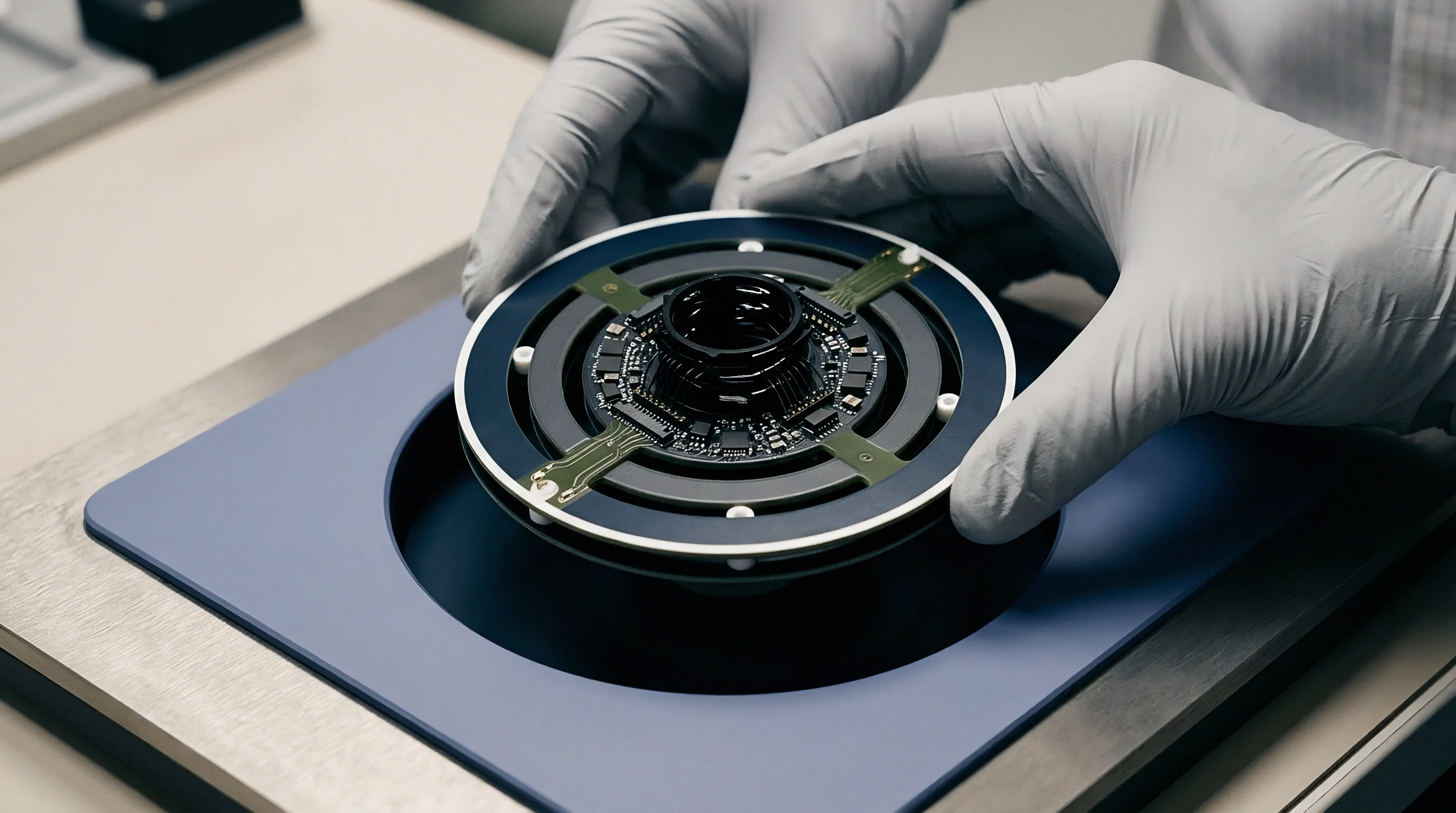
Financial planning for e-labeling trades expensive tooling runs against higher software validation costs. Re-machining an enclosure mold costs between 15,000 USD and 45,000 USD per mechanical variation; digital marks eliminate those retooling fees whenever regional registration IDs update later in the product life cycle.
Software maintenance replaces tooling overhead over time, requiring ongoing regression testing to ensure firmware updates never break menu access paths. Pre-filing reviews center on several operational checkpoints:
- Screen resolution validation confirming optical legibility of all regional compliance marks under standard display backlighting conditions.
- Firmware lockdown checkpoints preventing end-user modification or unauthorized replacement of digital compliance visual files.
- Secondary package labeling audits matching physical box prints to internal firmware e-label approval records.
E-labeling compliance reduces physical housing tooling expenses while shifting regulatory risk into firmware verification.
Managing digital compliance displays across international certification bodies requires synchronizing firmware release dates with packaging production before submitting formal type-approval dossiers.
Aligning software menu design with packaging requirements early in development prevents late laboratory re-evaluations and protects global distribution targets.