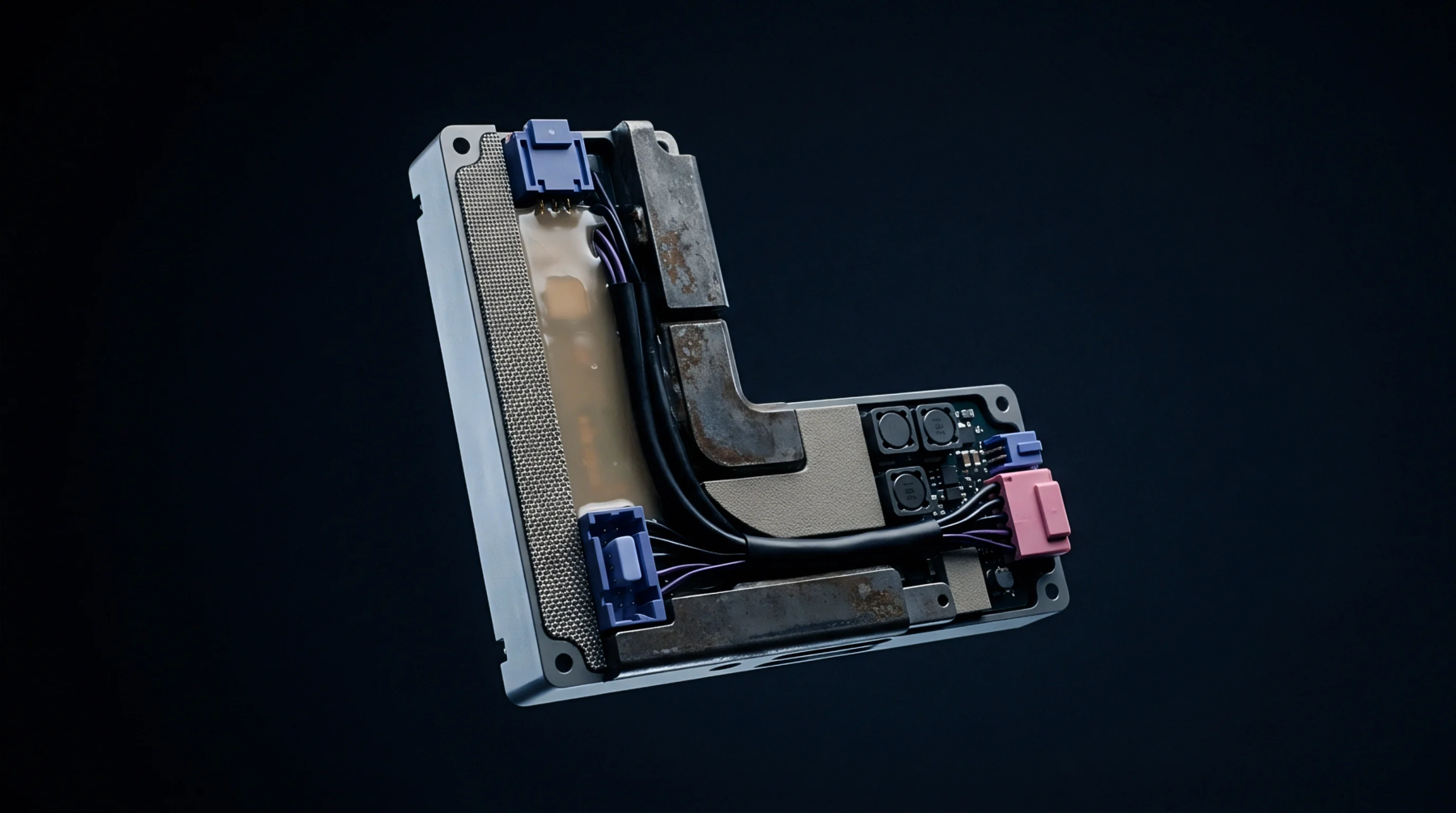
Meaning
A solid-state memory category retains stored data and configuration files even when the power supply to the device is completely disconnected. Smart products rely on non-volatile storage to preserve calibration constants, system logs, user settings, and bootloader firmware across power cycles. This media prevents the device from reverting to an unconfigured state when the battery dies or is removed.
Without this durable storage, the connected hardware would lose its security certificates and network pairing profiles during any power interruption.
Technology Type
Flash memory and electrically erasable programmable read-only memory represent the most common implementations of this technology. These chips are soldered directly to the printed circuit board to withstand mechanical shock and vibration. The choice of non-volatile storage depends on the required write endurance, speed, and capacity of the specific application.
Device Recovery
System recovery is possible because the primary recovery image is housed in a write-protected block of this medium. If a firmware update fails or is interrupted, the device retrieves the backup firmware from non-volatile storage to restore basic functionality. This architecture prevents the hardware from becoming permanently unresponsive during field updates.
Security Asset
Cryptographic keys and unique device identifiers are written to secure partitions of this memory during factory provisioning. Hardware security modules often restrict access to these partitions to prevent extraction or counterfeiting. Keeping these assets in non-volatile storage ensures long-term device identity and secure cloud authentication.