Meaning
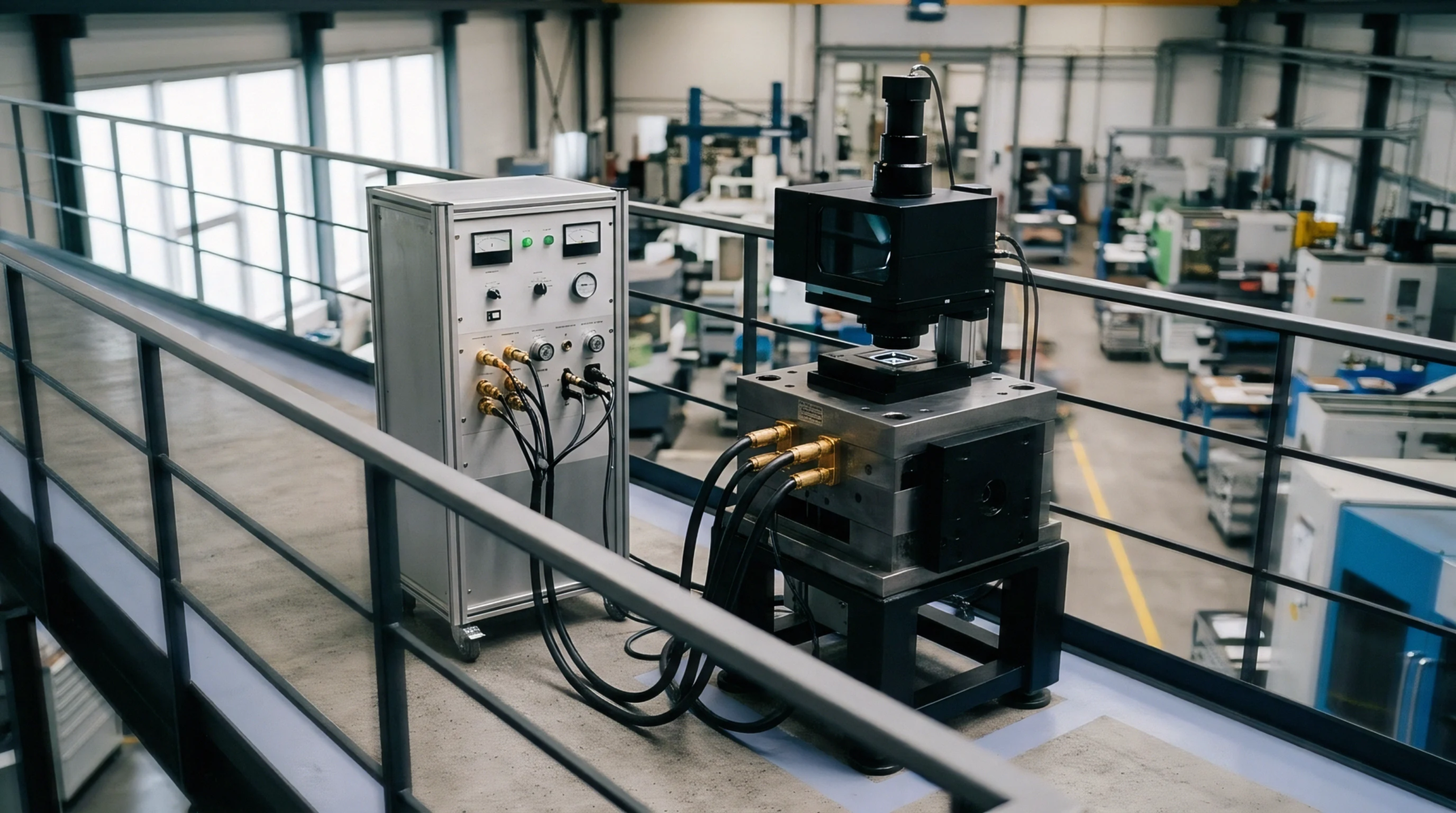
Automated test routines integrated into assembly lines check sensor functionality and calibration accuracy prior to final enclosure sealing. Quality assurance protocols mandate inline sensor verification to detect defective sensors or damaged interconnects during circuit board assembly. The process confirms electrical continuity and calibration response before irreversible potting or housing assembly steps take place.
Scope remains confined to active manufacturing test stations before packaging.
Functional Validation
Board-level testing injects controlled physical or electrical stimuli to measure sensor response parameters against target bounds. Performing inline sensor verification early in assembly isolates defective components before adding structural adhesives or outer potting compounds. Early isolation reduces scrap expenses by allowing component rework before full enclosure encapsulation.
Verification Boundary
Test fixture contact pins and environmental test chambers impose physical limits on sensor stimulus range during fast inline testing. Rigorous inline sensor verification balances measurement depth against takt time constraints, testing key operating points rather than full sweep profiles. High-speed verification maintains line speed without sacrificing defect detection rates.
Assembly Release
Manufacturing databases log calibration coefficients and pass status for every verified device serial number. Passing inline sensor verification forms a mandatory sign-off checkpoint before circuit boards advance to automated enclosure assembly. Verification logs ensure full traceability across subsequent quality audit reviews.