Meaning
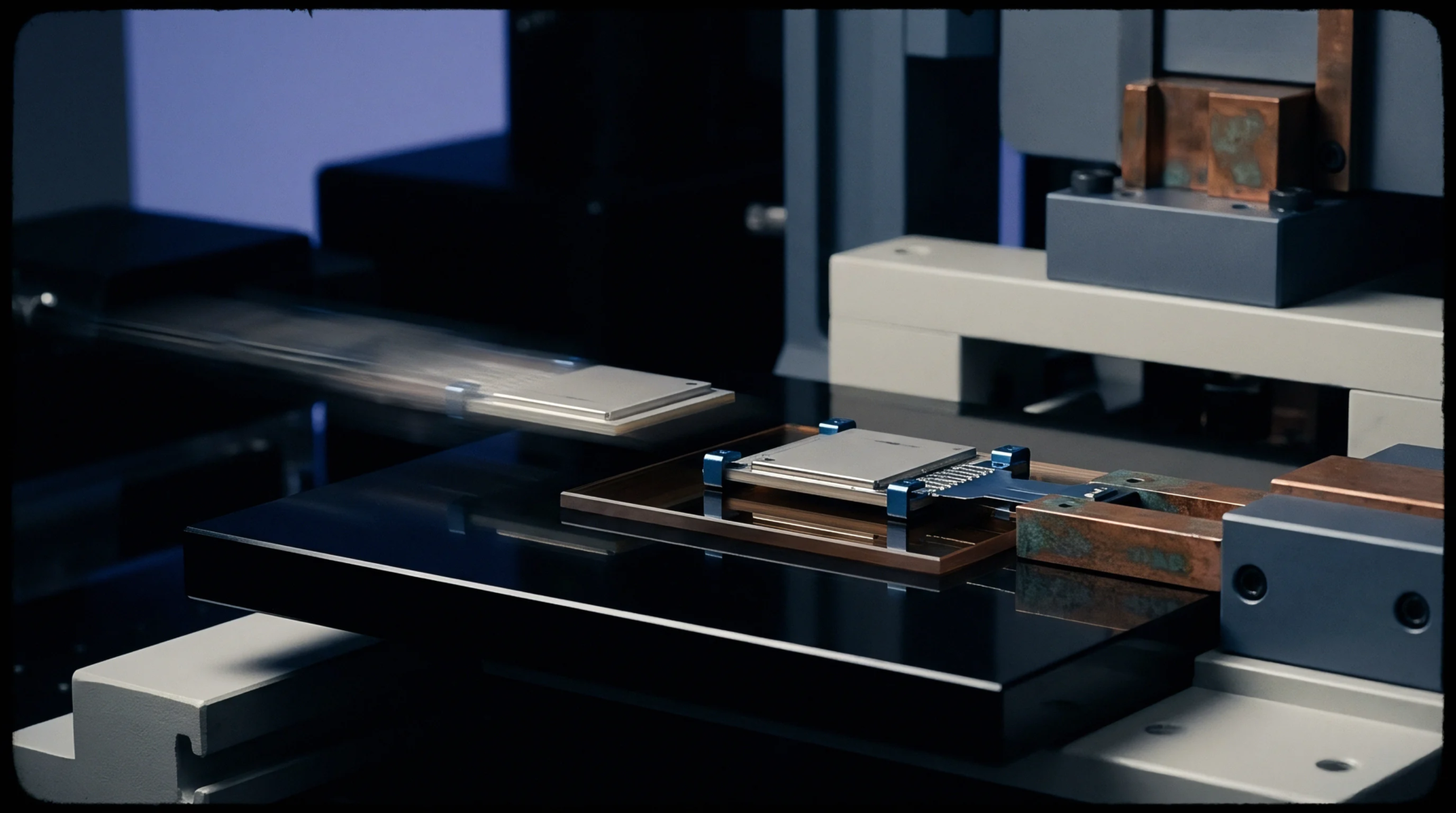
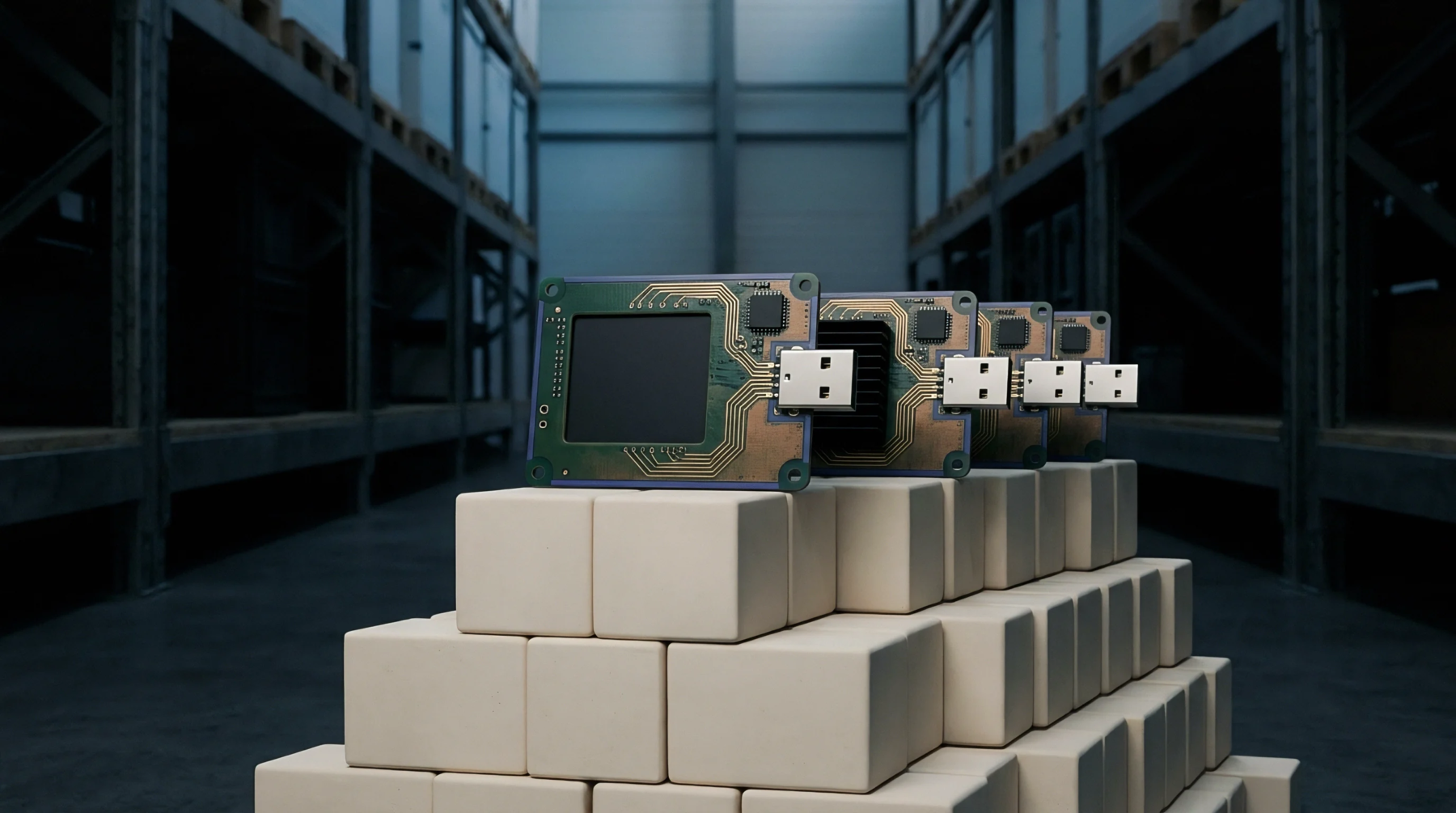
Manufacturing equipment in electronics assembly facilities applies parallel flashing architectures to write firmware onto multiple integrated circuits or assembled printed circuit boards at the same time. High-throughput production environments deploy a gang programmer to flash microcontrollers, wireless modules, and non-volatile memory chips simultaneously, preventing firmware loading from becoming an assembly line bottleneck. This tool governs flashing throughput, programming socket signal integrity, and serialized data injection across multi-up production panels.
Its functional utility ends once circuit boards proceed past structural test phases to pure functional radio validation where wireless links replace hardwired programming interfaces.
Hardware Topology
Automated programming systems incorporate high-density multi-channel interface controllers connected to bed-of-nails fixtures or zero-insertion-force socket arrays. The core architecture of a modern gang programmer isolates individual target channels using dedicated line drivers, preventing a shorted pin on one defective circuit board from pulling down communication lines across neighboring parallel sockets. High-speed programming buses such as joint test action group interfaces, serial wire debug channels, and serial peripheral interface lines run concurrently to dozens of target devices.
Internal power supplies deliver regulated core and input-output voltages with independent overcurrent detection for each board under programming. Signal integrity degrades rapidly if line lengths, stray capacitances, or ground returns are not strictly matched across every programming lane.
Factory Integration
Surface-mount assembly lines install programming equipment either as offline standalone stations or as automated inline fixtures directly following reflow soldering. Inline fixtures drop pneumatic test headers down onto panelized boards, contacting designated test pads to write bootloaders, cryptographic keys, and media access control addresses in parallel. System software coordinates unique serialization data, injecting distinct network credentials and electronic device identifiers into each chip during the simultaneous flashing cycle.
Automated handlers index panels into the programming bay, trigger the parallel write cycle, and divert units showing programming failures into quarantine bins. Cycle time analysis dictates the necessary gang programmer channel density, balancing capital expenditure against required units-per-hour line velocity.
Traceability Records
Production execution systems monitor parallel programming operations to ensure complete firmware traceability across batch manufacturing runs. Control software records the firmware build revision, unique silicon identifier, and programming timestamp for every individual target socket during each gang programming cycle. Checksum failures or verification mismatches flag specific fixture channels for mechanical inspection, identifying worn pogo pins or oxidized socket contacts.
Completed programming records form part of the mandatory quality documentation package required before finished smart modules transition to end-of-line wireless calibration.