Meaning
Two-pin interface protocol sits between the processor core and the debugger to facilitate programming in space-constrained environments. Adoption of serial wire debug has largely replaced the older jtag standard in small devices because it only requires a clock and a data line. This reduction in pin count allows for smaller packages and simpler board layouts.
Pin Economy
Saving physical space on the silicon and the circuit board is a major advantage of the technology. Since serial wire debug only uses two pins, the remaining pins are available for other functions like digital input or analog output. This is particularly useful in low-pin-count chips where every connection is valuable.
Trace Capability
Advanced versions of the protocol include a single-wire output for real-time instruction tracing and event logging. Serial wire debug allows the developer to see what the processor is doing without stopping the execution, which is helpful for debugging timing-sensitive code. This diagnostic data is sent through the same header as the debug signals.
Board Real-estate
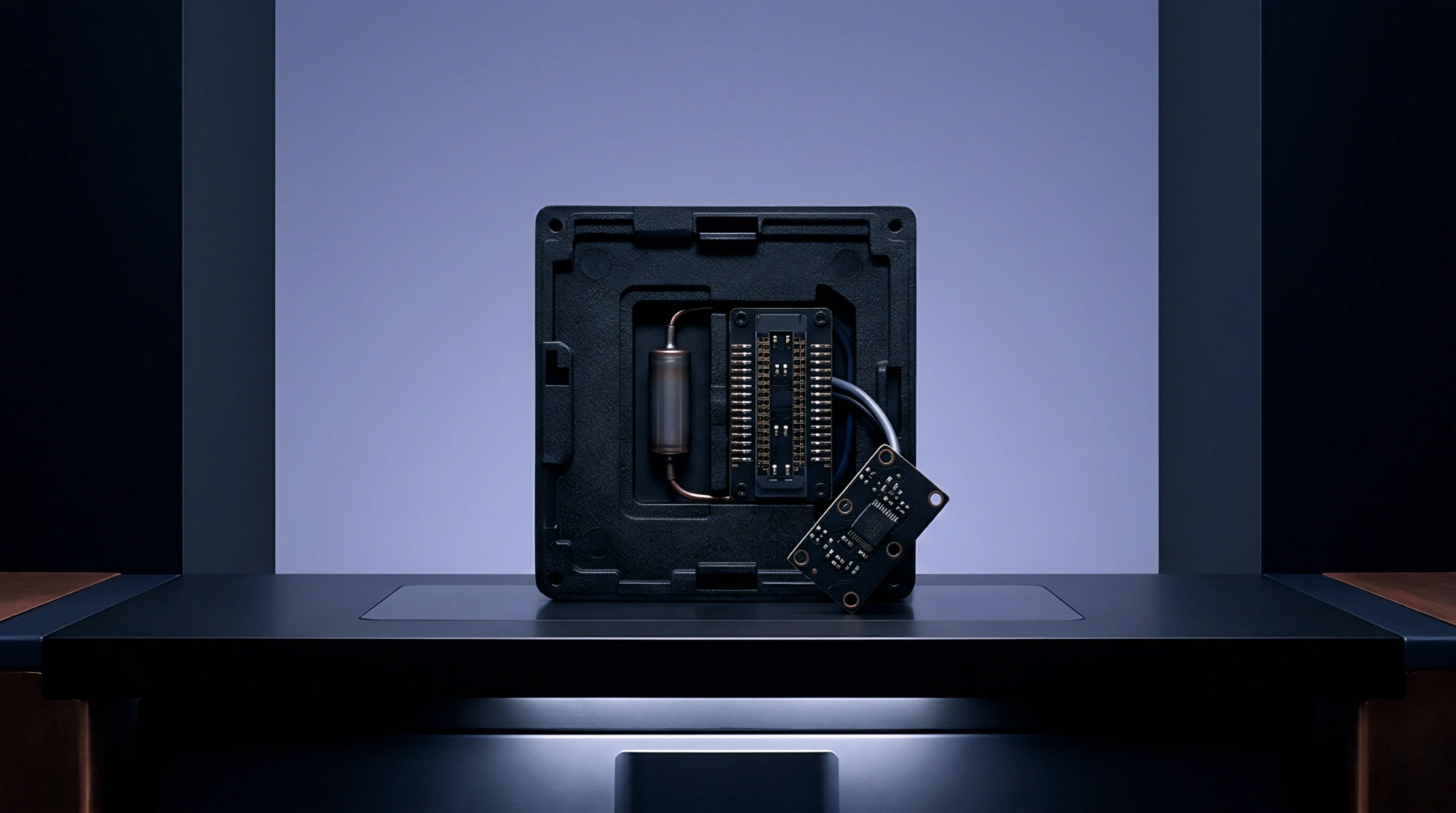
Smaller connectors and fewer traces reduce the overall footprint of the debug interface. Designers often place serial wire debug pads on the bottom of the board to save space on the top layer for active components. The use of pogo pins or small headers makes it easy to connect the board to a programmer during the manufacturing process.
This efficiency is a core requirement for modern wearable devices and compact industrial sensors. The interface is also less susceptible to electromagnetic interference because it has fewer lines that can act as antennas. Proper termination and shielding ensure that the debug link remains stable even in electrically noisy environments.
This reliability makes the protocol the standard choice for professional embedded development.