
Yield Adjusted Reallocation Algorithms for Component Sourcing and Assembly Lines
Yield-adjusted reallocation re-routes components based on real-time defect rates, matching component bin tolerances directly to assembly line density requirements.
Yield-adjusted reallocation re-routes components based on real-time defect rates, matching component bin tolerances directly to assembly line density requirements.

Maintain a 70/30 production split with strict monthly minimum volume floors to preserve secondary line yields and protect against idle overhead surcharges.

Secondary source bring-up generates positive Net Present Value when unit cost savings and risk offsets exceed fixed tooling and qualification expenses.

Commercial recovery for post-production hardware rework in multi-source supply chains hinges on contractual root-cause attribution and automated debit offsets.

Post-production change control requires frozen revision baselines, strict PCN risk classification, delta testing, and explicit contractual cost allocation.

Effective module sourcing requires explicit contractual boundaries defining design dossier ownership, firmware source access, and clear NRE amortization terms.

Decoupling engineering scope from bill of materials costs requires upfront NRE milestone gates, open-book component auditing, and native file handovers.

Unbundling engineering deliverables separates physical component supply from native design files, firmware repositories, and test fixtures, ensuring dual-sourcing rights and transparent landed costs.

Ground allocation distributes warranty liability across hardware tiers based on integration depth, physical root cause, and explicit contract caps.
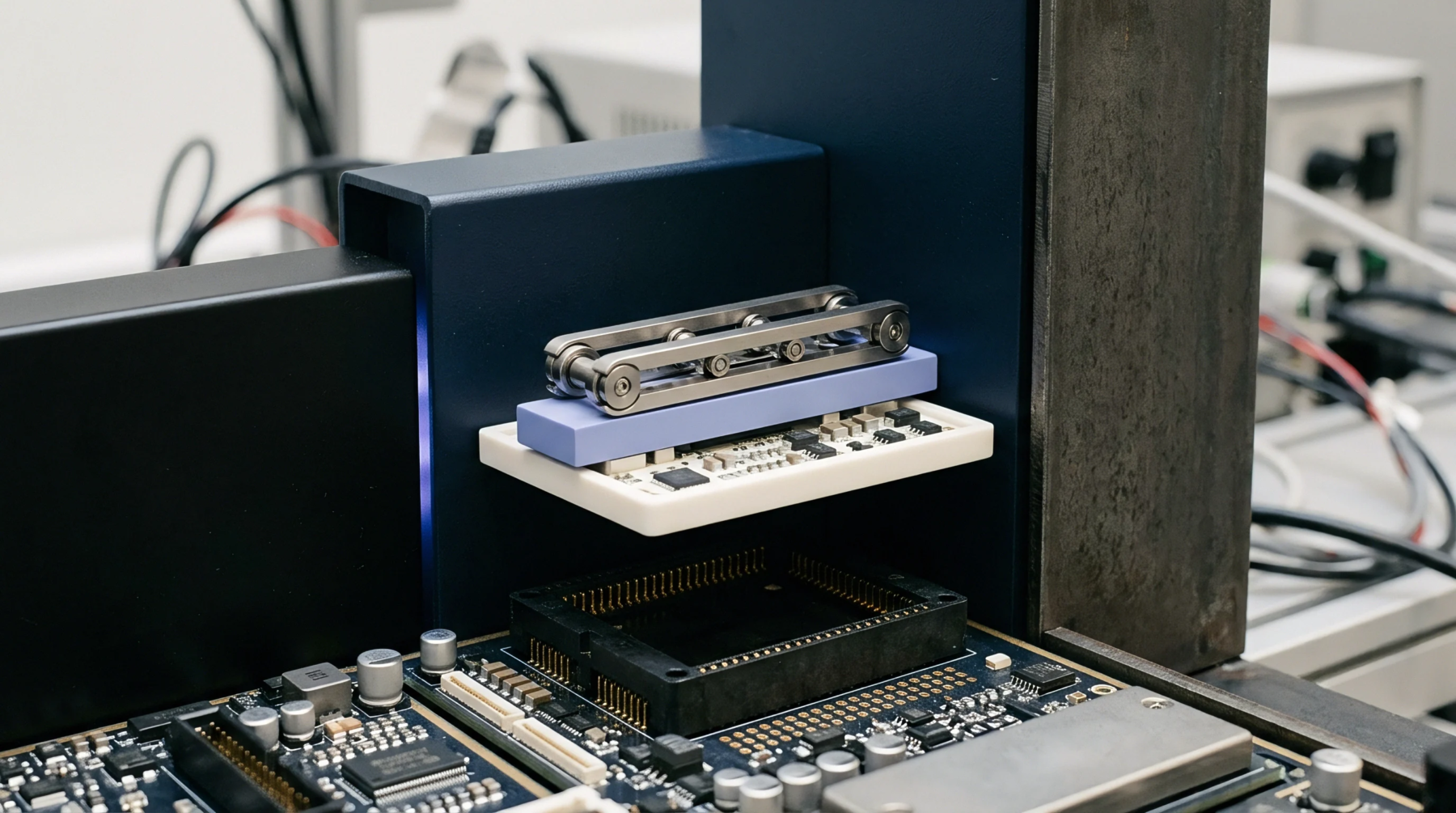
Post-production changes require locked baseline dossiers, physical rework verification under IPC standards, and strict serial number tracking to prevent line escapes.

Design transfer success depends on complete native CAD files, containerized firmware builds, unambiguous test specs, and explicit commercial exit clauses.
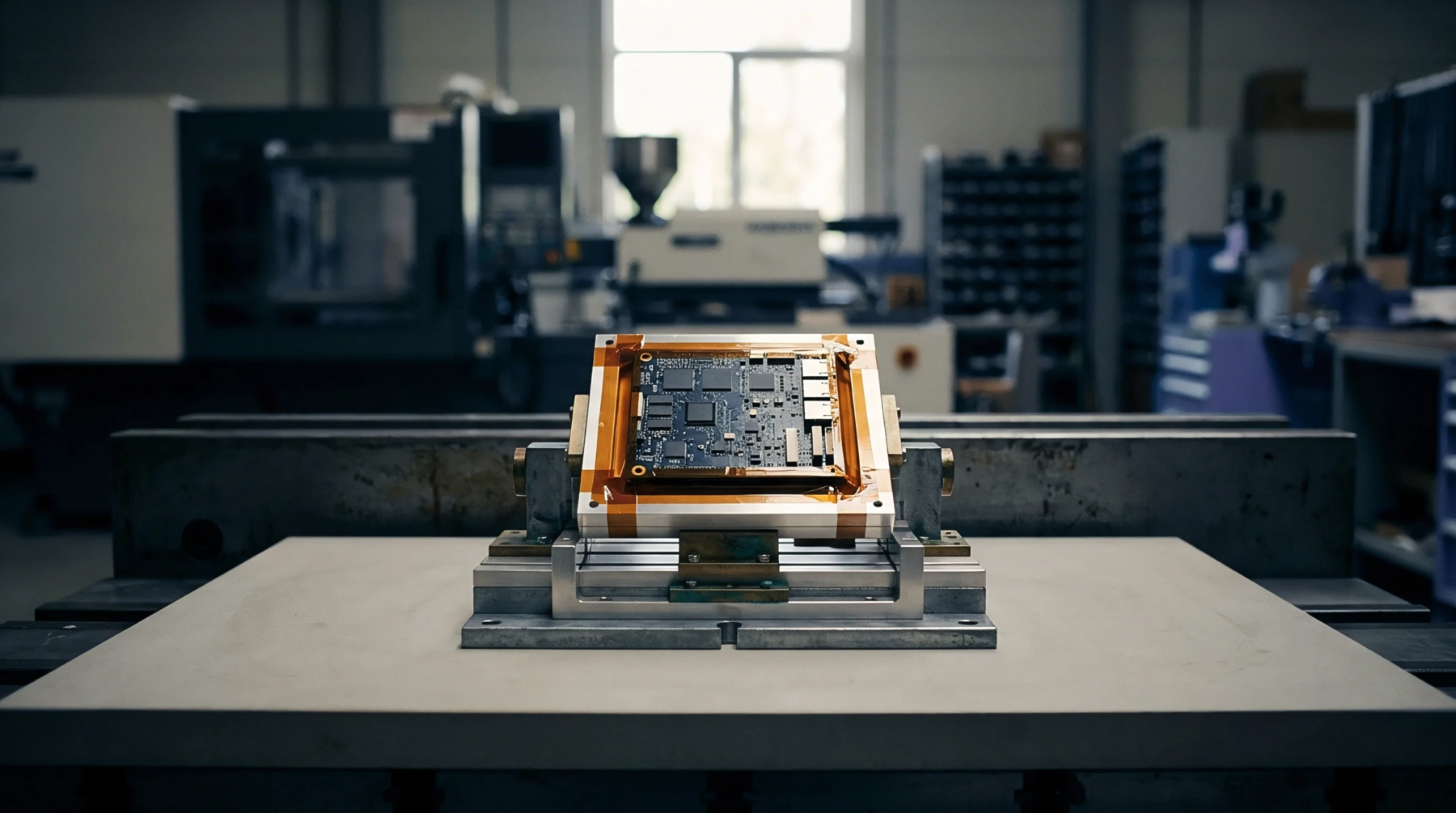
Engineering transfer demands native CAD files, containerized firmware source trees, buyer-owned tooling, and explicit IP assignment clauses before NRE sign-off.
Expertise is a utility, not a secret. sentiention™ publishes its working knowledge as open reference: intelligence layer covering the materials it sources, the markets it enters, and the reference that serves both.