Meaning
Quality assurance procedures verify that a completed electronic assembly performs its intended electrical and logical operations under simulated real-world conditions. Executing a functional test applies power and input signals to the board to monitor its outputs against specified behavior. This step occurs at the end of the production line after assembly and initial board-level tests are complete.
The procedure ensures that only fully operational products are packaged for shipment.
Circuit Stimulation
Test computers generate digital commands, analog voltages or radio frequency signals to simulate the operating environment of the device. This stimulation forces the onboard microcontroller and peripheral chips to execute their firmware routines. The test system records the current consumption and response times to ensure they fall within the limits.
Interface Design
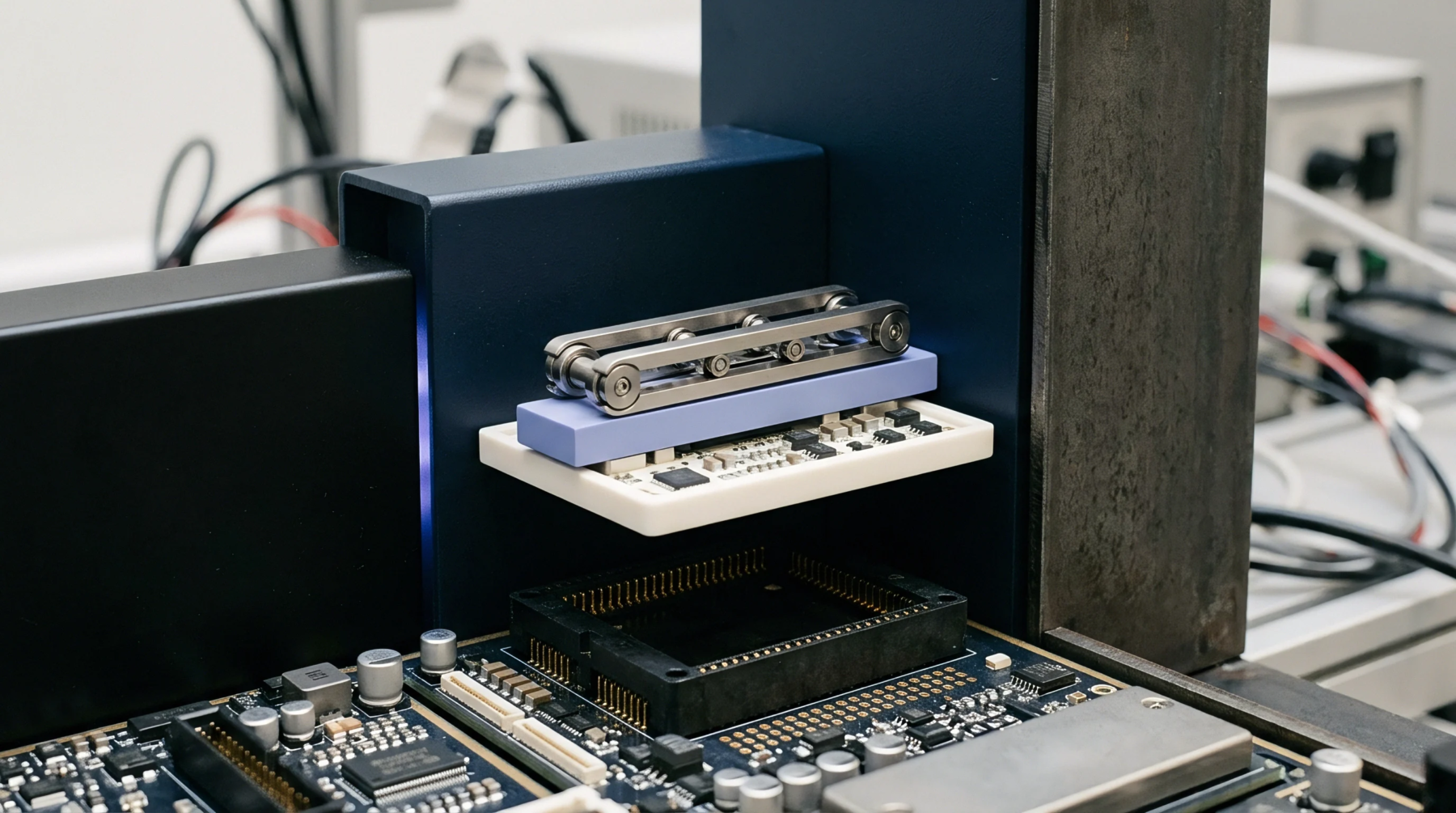
Custom test fixtures utilize spring-loaded pins to connect to the external ports and dedicated test pads of the board. These fixtures are shielded to prevent radio frequency interference during wireless test cycles. The physical interface must be durable enough to withstand thousands of insertion cycles without degrading.
Diagnostic Capability
Advanced test software identifies specific faulty subsystems or components when a board fails to meet the test criteria. This information is saved to a database to guide the rework technicians.