
Managing Silicon Errata Workarounds in Transferred Firmware Repositories
Managing errata workarounds in transferred firmware requires isolating stepping-specific register fixes to prevent fatal regressions across new silicon wafer lots.
Managing errata workarounds in transferred firmware requires isolating stepping-specific register fixes to prevent fatal regressions across new silicon wafer lots.
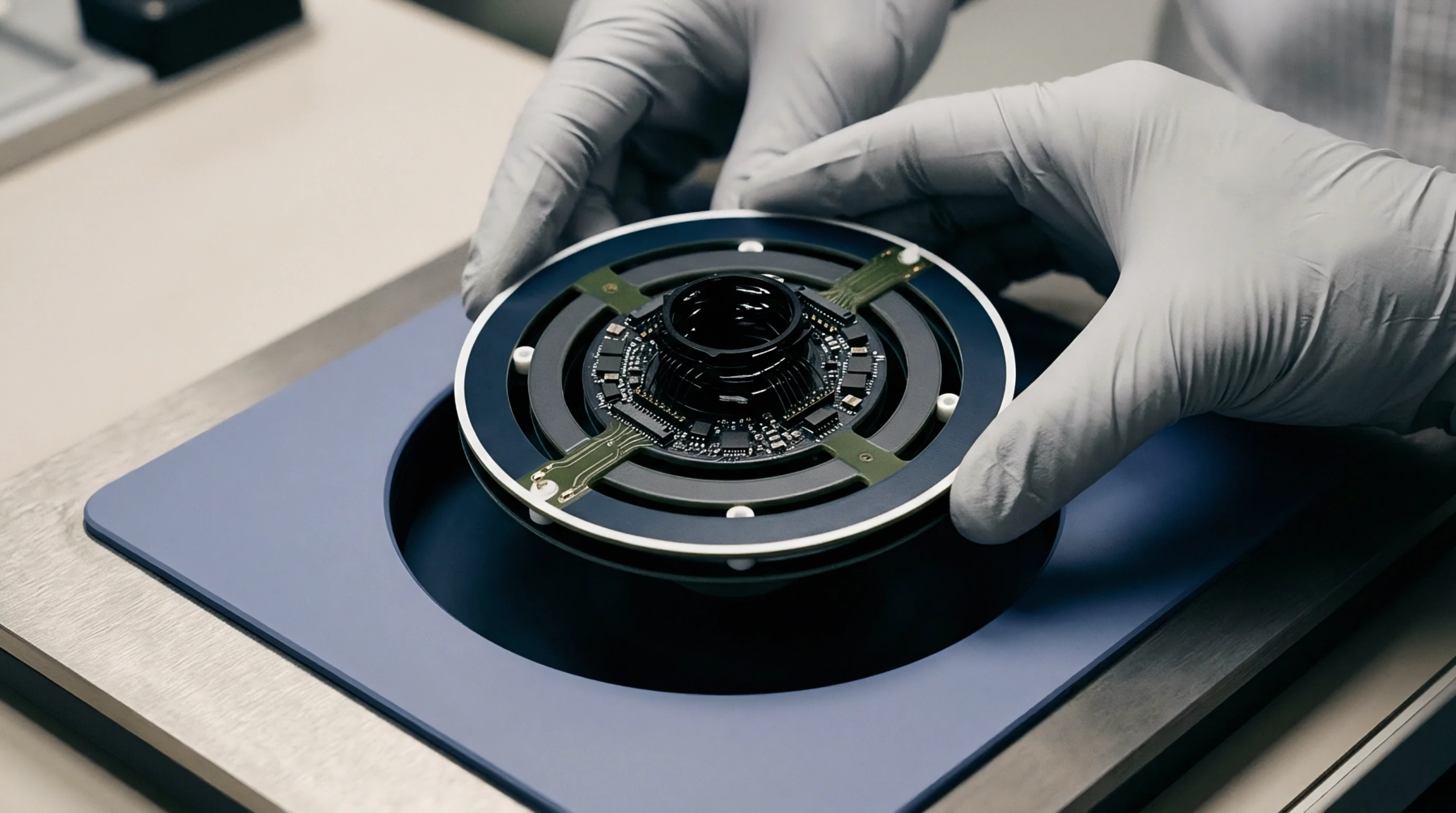
Dynamic firmware abstraction protocols and standardized test jigs eliminate operational failures caused by asynchronous silicon errata across alternate factories.
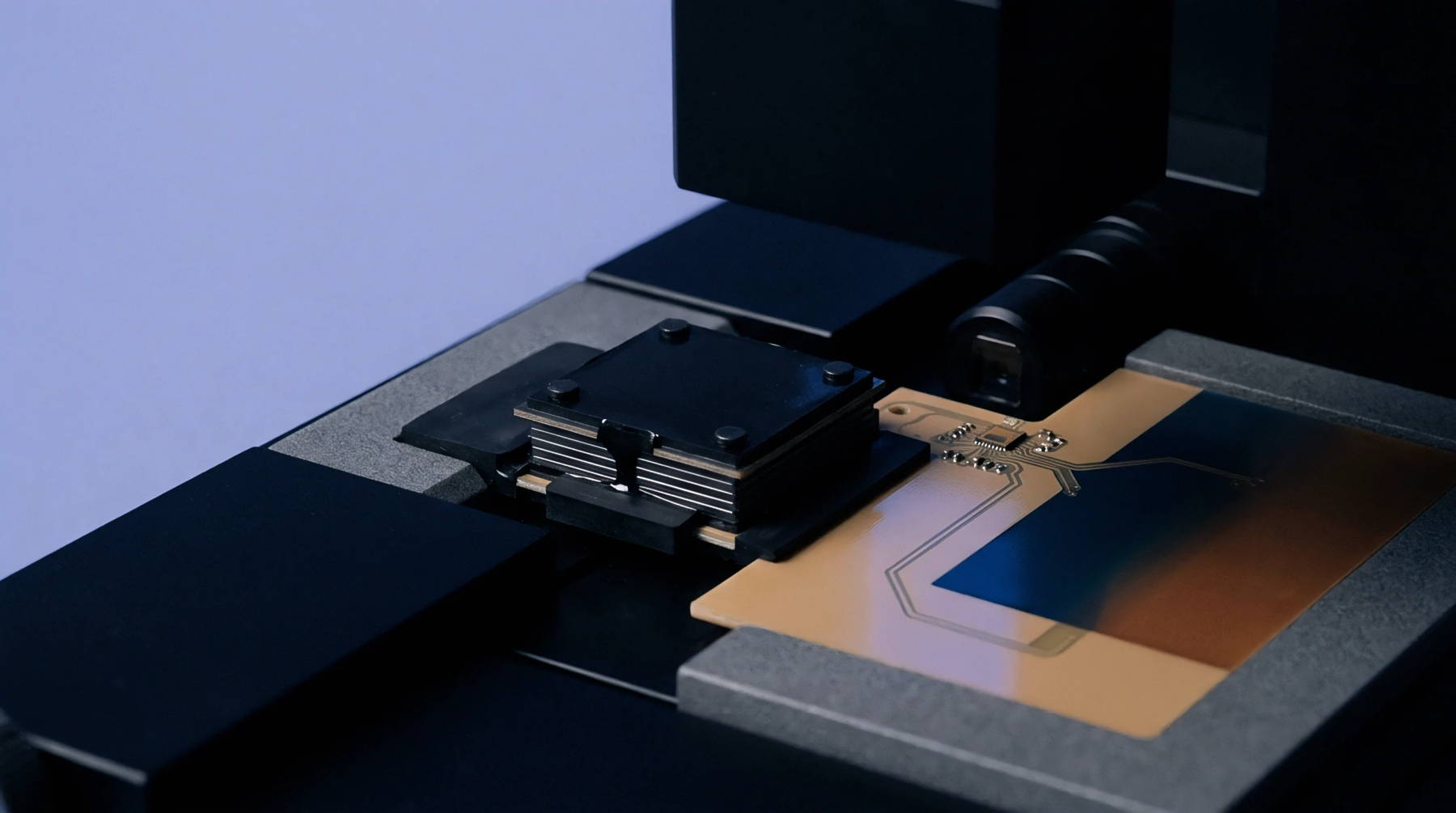
Dynamic register translation tables stored in OTP fuses or resolved at boot allow a single master firmware binary to run across varying multi-site hardware revisions.

Firmware recall liability hinges on reproducible build environments and binary component attribution before contract liability caps take effect.

Decoupling HAL code requires isolating vendor driver calls behind abstract C interfaces, securing raw source files, and contracting explicit API acceptance tests.
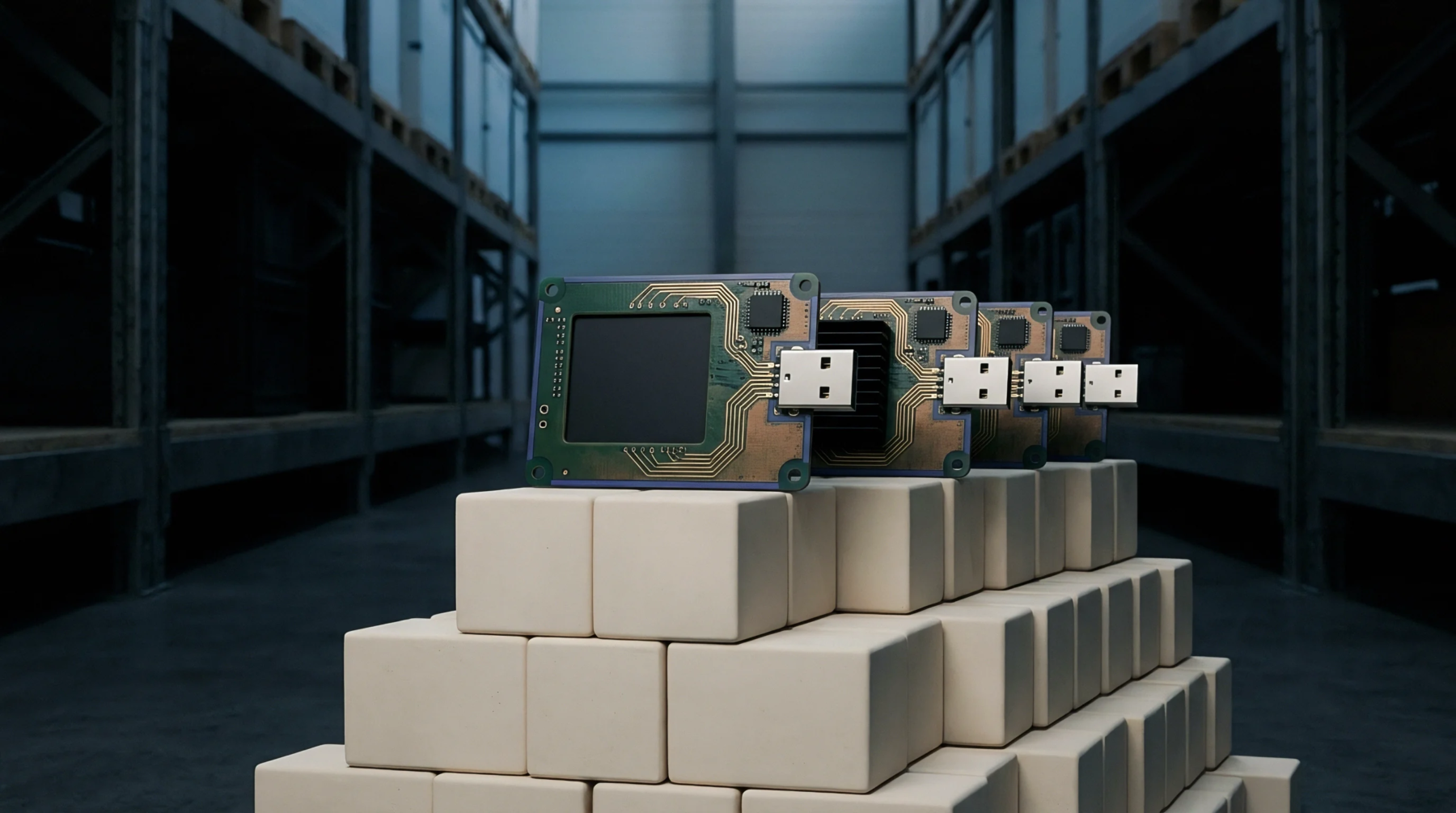
Unbundling module driver source code eliminates vendor lock-in, exposes silicon errata, and guarantees host OS porting control at predictable NRE costs.

A secondary firmware audit verifies build hermeticity, toolchain parity, third-party software licensing, secure provisioning routines, and binary patch parity.
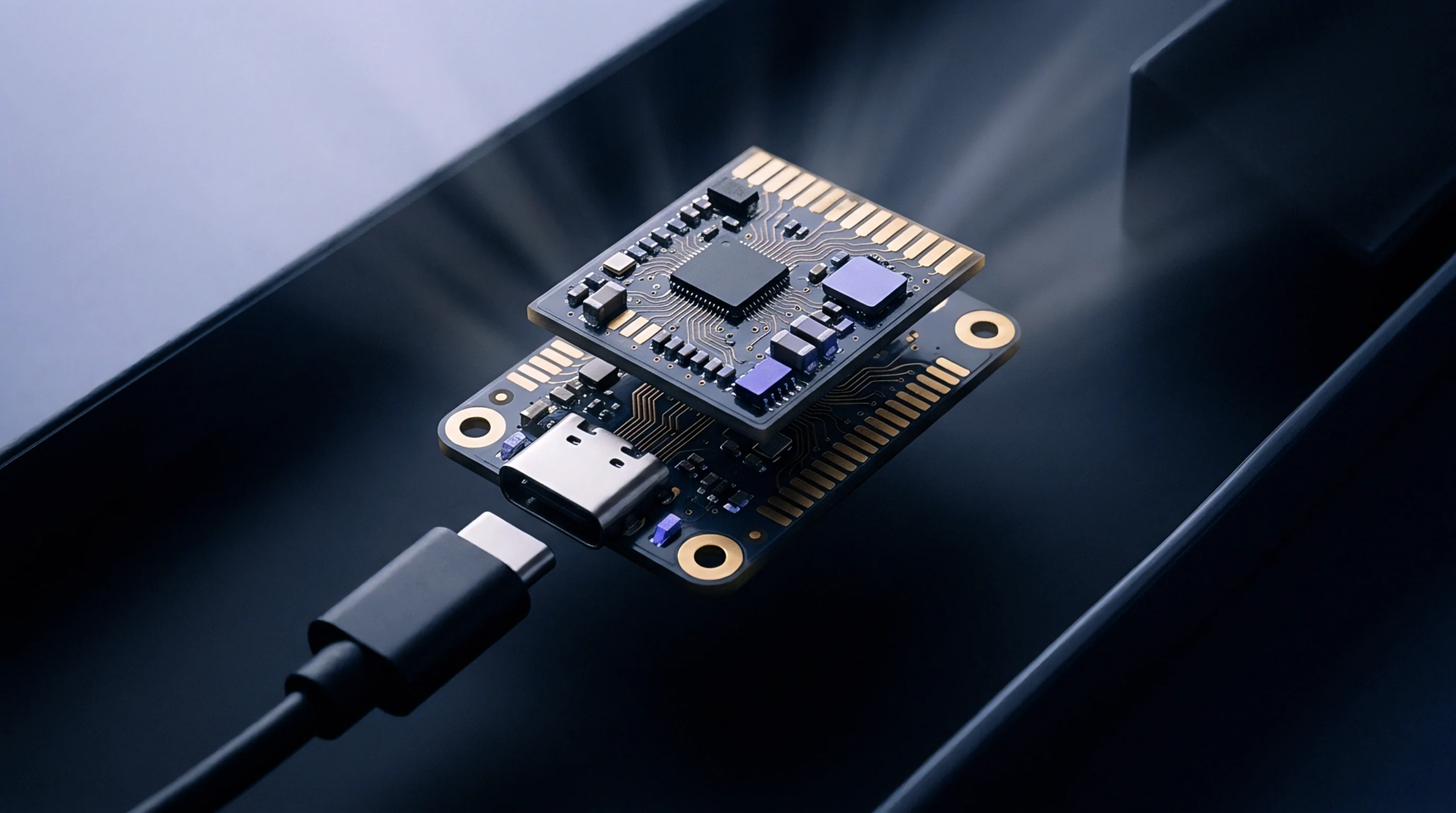
Shared bootloader driver fault allocation requires hardware register trace validation and mathematical probability modeling to attribute field firmware update failures.

Enforce hardware timestamping, API software modularity, and work-for-hire escrow clauses to resolve multi-factory telemetry and fixture IP boundaries.

Securing firmware source repositories and native EDA CAD files in module procurement demands explicit foreground IP allocation and audited build scripts.
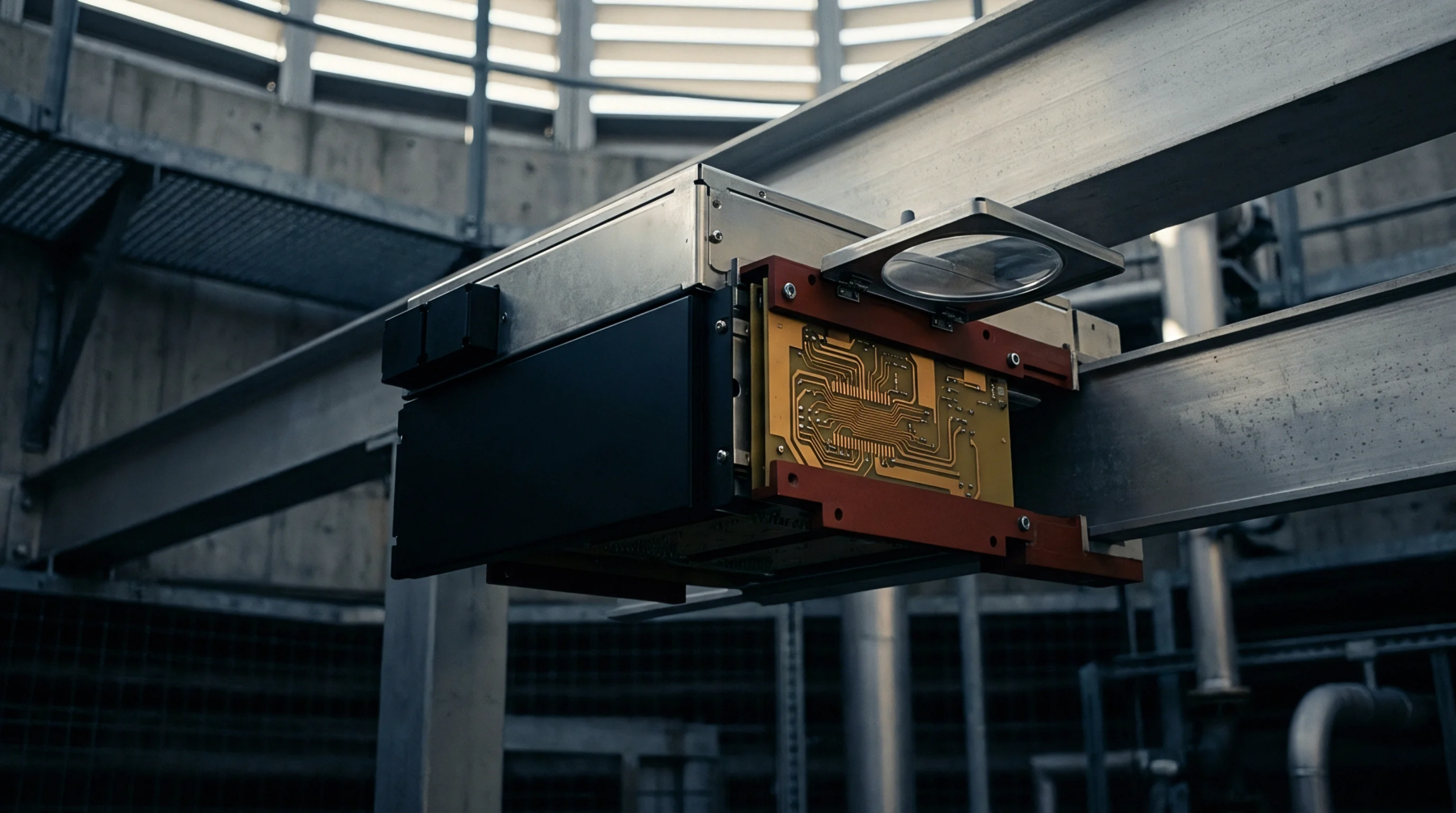
Define driver scope by file manifest enforce reproducible build toolchains and assign errata patching costs prior to contract execution

Turnkey software baseline maintenance requires containerized toolchains, explicit repository custody, and dedicated NRE pools to survive hardware respins.

Firmware source ownership in dual-factory transfers relies on unbundled NRE terms, containerized build environments, and audited escrow deposits.

Decoupling firmware drivers via abstraction layers eliminates register-level vendor lock-in during secondary hardware design transfers.

Technical module switching costs combine PCB re-layout fees, firmware driver abstraction labor, regulatory re-testing, and factory test jig updates.

Firmware escrow succeeds only when deposits include containerized toolchains, signing keys, and test scripts verified by automated clean-room compilation audits.

Decoupling engineering scope from bill of materials costs requires upfront NRE milestone gates, open-book component auditing, and native file handovers.

Baseband register drift across silicon steppings requires dynamic runtime register lookup tables tied to hardware ID registers to prevent silent write failures.
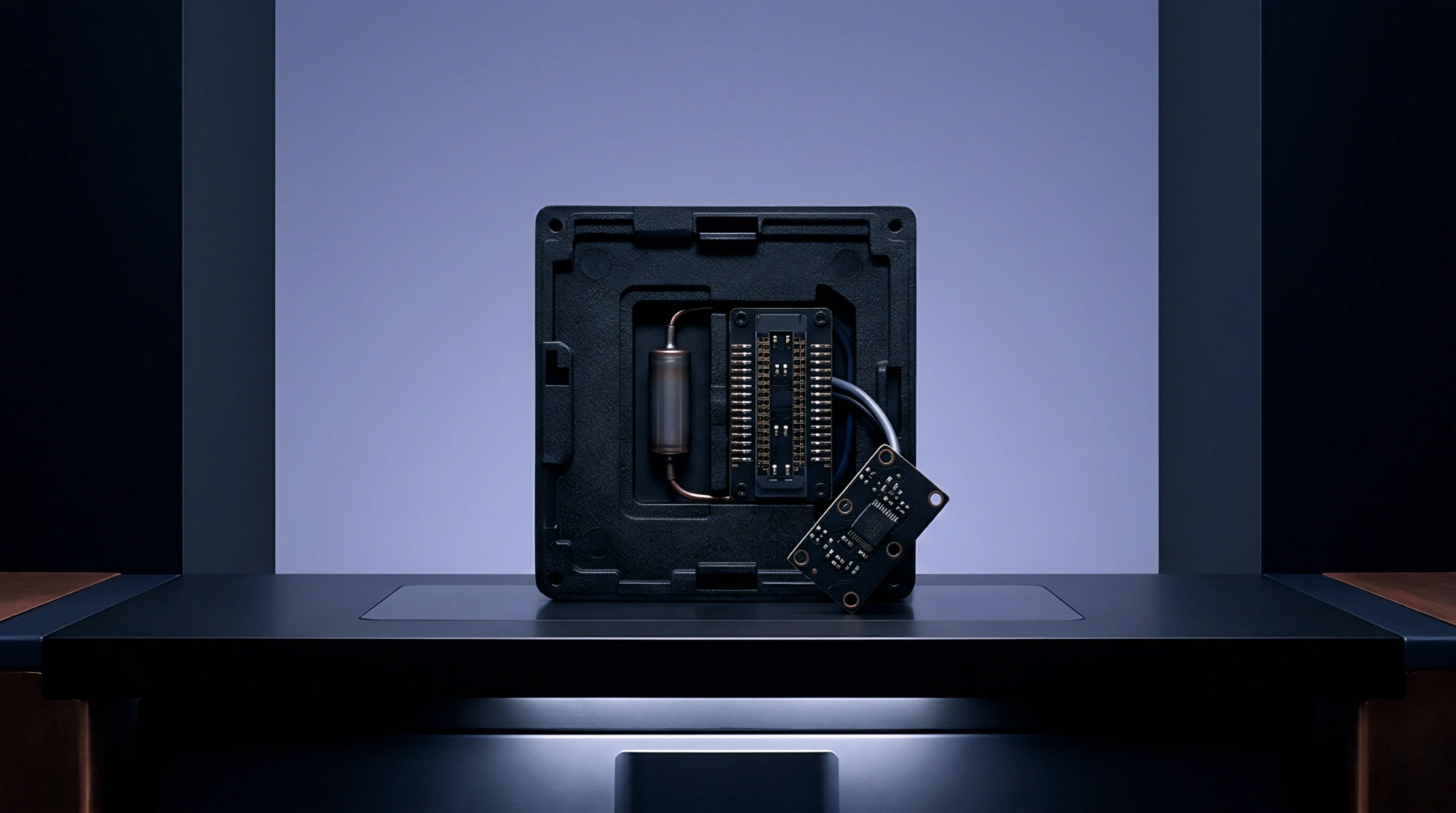
Maintaining transferred firmware repositories requires containerized build environments, physical testing rigs, and explicit SLAs to allocate silicon errata costs.

Dynamic volume splitting balances supply risk by adjusting dual-hardware manufacturing quotas based on real-time factory yields, quality limits, and tooling amortisation floors.

Dual sourced wireless module manufacturing package files require synchronized substrate stackups and hardware sensing firmware to resolve binary divergence.

Deterministic register verification requires post-reset bitwise snapshotting, shadow register diffing, and strict bit-masking HAL drivers across multi-site handovers.

Valuation models for secondary design repositories rely on weighted reproduction cost and royalty relief methods adjusted by technical completeness factors.
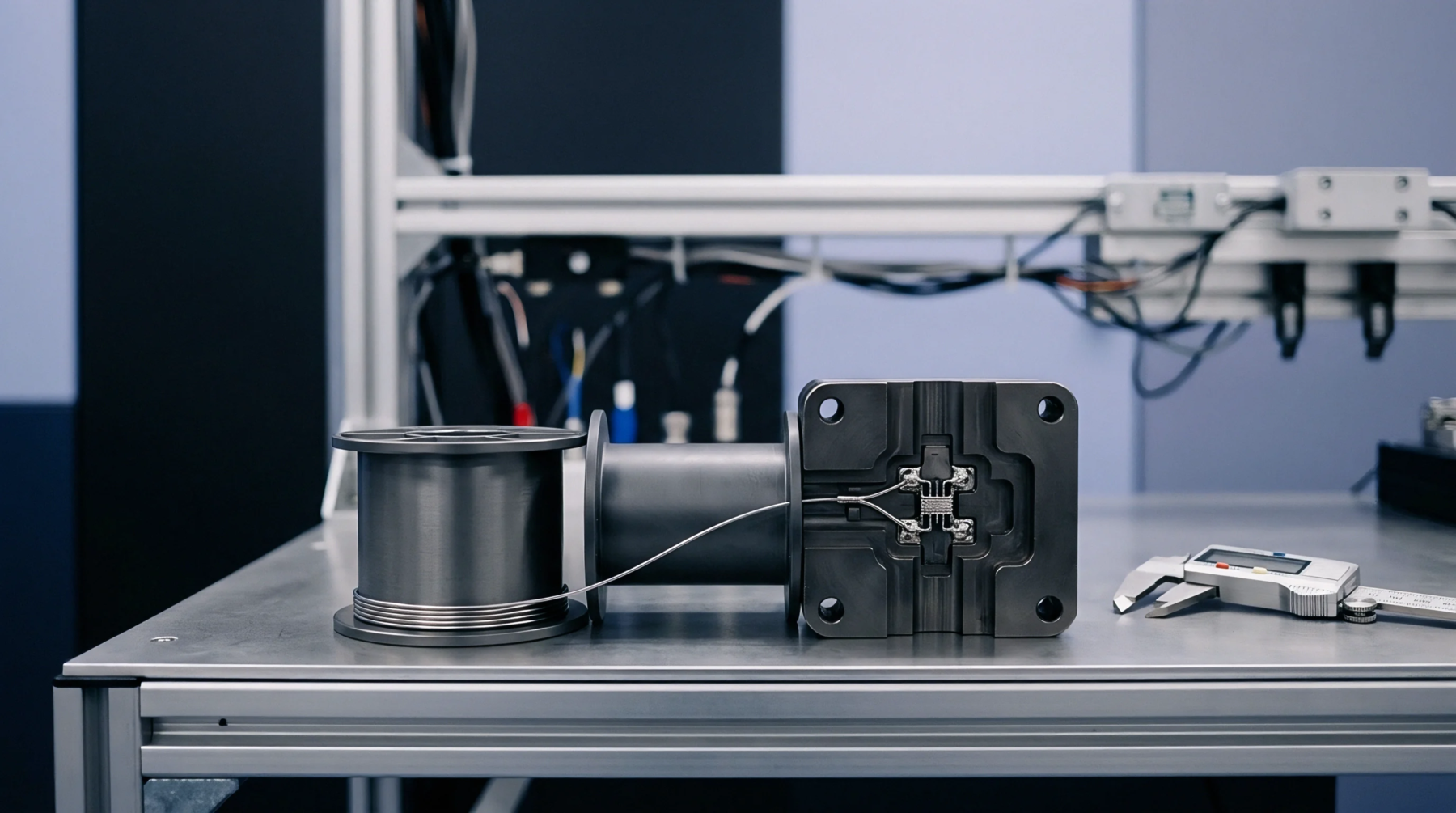
Unbundling firmware drivers and test fixtures requires explicit source repositories, containerized builds, physical CAD files, and audited fixture escrow.

Evaluating source file completeness and build environment isolation guarantees secondary production autonomy through verified bit-deterministic firmware compilation.
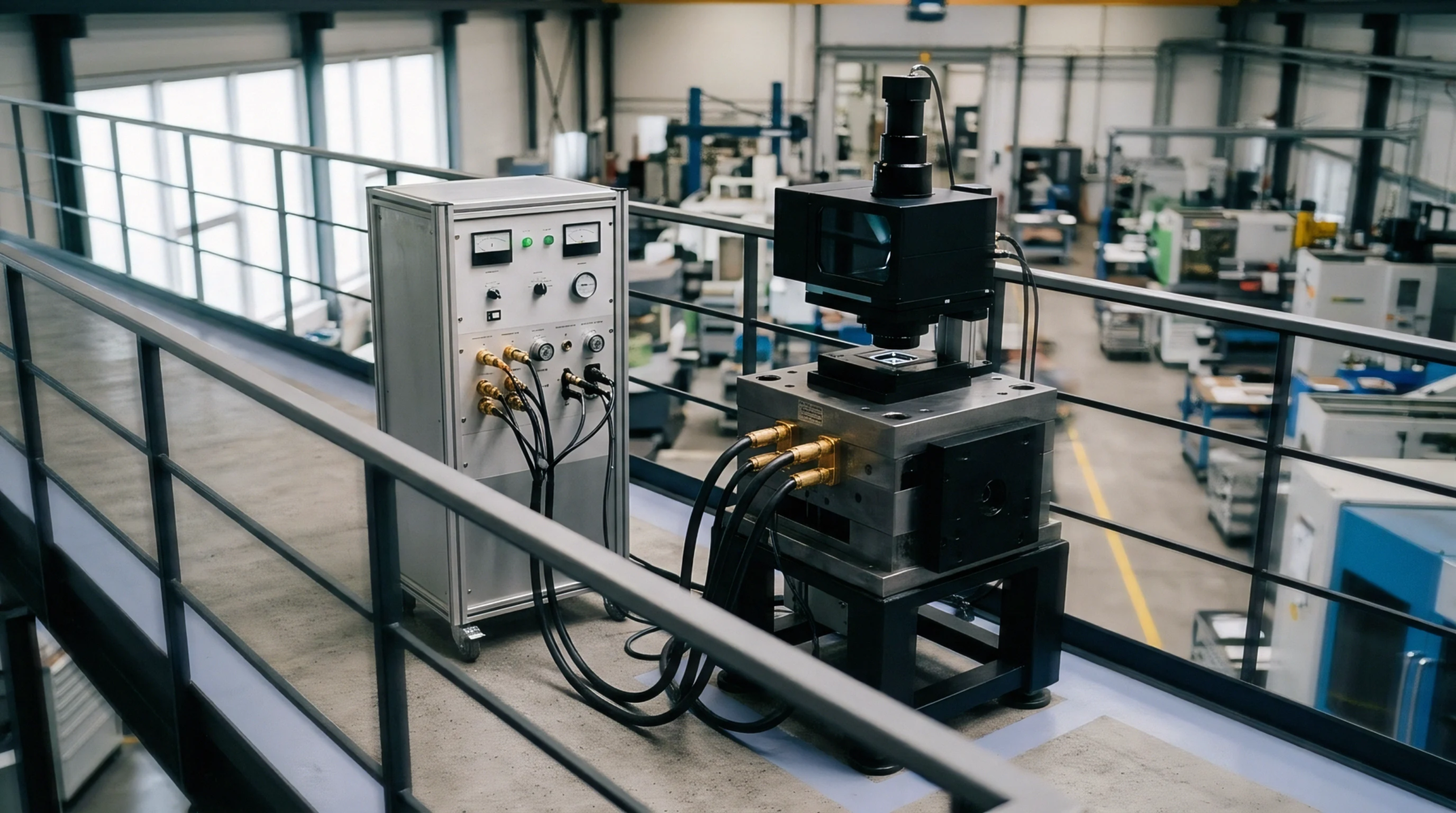
Unapproved silicon stepping changes alter timing, power, and register behavior; enforce 180-day PCN SLAs, automated parametric screens, and strict contract indemnities.
Expertise is a utility, not a secret. sentiention™ publishes its working knowledge as open reference: intelligence layer covering the materials it sources, the markets it enters, and the reference that serves both.