Escrow Deliverables for Turnkey Module Firmware Source Code
A complete firmware escrow package requires hermetic build containers, calibration data, and bitwise binary parity verification on physical test rigs.


Depot
Shipping a sealed hard drive to a commercial storage vault guarantees zero recovery capacity. Turnkey wireless module vendors routinely satisfy software escrow clauses by handing over uncompiled folder trees, mismatched library binaries, or source files that cannot build outside an original engineer’s personal workstation. Buyers who treat a generic escrow clause as an insurance policy rarely discover the gap until the vendor liquidates or drops technical support for an active silicon package.

Vault Deposits versus Functional Escrow Packages
Software contracts often mandate source code storage without defining how that code must be executed. A standard turnkey agreement promises full access to source repositories upon defined liquidation triggers, but physical media deposited by an original design manufacturer frequently contains broken trees stripped of board support packages, cryptographic signing keys, and pin multiplexing setups.
When a vendor shuts down, production halts immediately while proprietary hardware locks remain in place.
Cleanroom reconstruction demands a reproducible operational image rather than an unverified application dump. In a turnkey communications module, firmware splits across three separate intellectual property tiers. The base tier holds the silicon manufacturer’s proprietary physical-layer libraries.
The middle tier runs the real-time operating system kernel alongside radio protocol stacks. The top tier contains custom peripheral drivers and host interface routines. Sourcing agreements that fail to itemize all three tiers leave the buyer holding high-level application code that cannot bind to the underlying registers.
Turnkey module vendors treat low-level radio driver source code as proprietary trade secrets while billing buyers for custom application layers.
Effective firmware escrow provides a complete, executable recovery package. Beyond raw source, this deposit requires the exact target toolchain installer, build scripts, linker commands, board bring-up diagnostics, and physical flashing utilities. Without these supporting components, source files remain dead text.

Minimum File Trees for Wireless Modules
Directory structures in a wireless communications archive require clean partition boundaries between vendor hardware abstraction layers and custom application logic. A complete package isolates vendor reference drivers from proprietary patches, allowing future maintenance when peripheral interfaces require modification.
- Hardware abstraction layers provide direct register mapping headers, interrupt vector tables, and clock tree initialization routines matching the specific silicon stepping.
- Radio management stacks supply pre-compiled binary linkable libraries or full source modules governing frequency hopping, modulation timing, and transmit power limits certified under regulatory filings.
- Operating system kernel files contain the specific scheduling source, memory allocation tables, and board-level configuration headers matching the certified firmware release.
- Linker descriptor scripts define absolute flash sector allocation, static random access memory boundaries, bootloader reserve partitions, and non-volatile parameter storage blocks.
- Host command interfaces encompass the universal asynchronous receiver transmitter command parsers, serial peripheral interface handlers, and status message structures linking the module to external host processors.
Missing linker scripts or hardware abstraction layers force engineering teams into cleanroom reverse engineering during a factory crisis. Mapping low-level pin configurations from raw silicon datasheets burns months of senior engineering time. Relying on an untested vault deposit turns an intellectual property issue into a permanent manufacturing stoppage.
Toolchain
Compilation environments deteriorate quickly over commercial silicon lifecycles. An embedded build pipeline ties together host operating system revisions, cross-compiler releases, makefile interpreters, and secondary build utilities. Shifting a single minor revision in a compiler utility alters memory alignment, optimization flags, and stack boundaries, frequently breaking radio timing requirements.
Deterministic Build Environments and Containerization Standards
A compiler revision change of zero point one alters executable memory layout across target flash sectors. To maintain reliable escrow deliverables for turnkey modules, engineering teams enforce deterministic builds using containerized environment snapshots. Docker images or Open Container Initiative compliant virtual images pin every system dependency, compiler variable, and system library to exact cryptographic hashes.
License keys expire, new silicon steppings break the build, and the archive turns out to hold unusable assets.
The escrow deposit must include container definitions, base operating system layers, compiler installation packages, and static configuration files. Building within a sealed container isolates the project from host machine variations, ensuring identical binaries across distinct hardware decades after initial qualification.
Source code without the matching toolchain container is uncompiled text rather than a manufacturing asset.
Cross-compiling for embedded targets requires complete isolation from host header directories. When local builds inadvertently pull libraries from the host workstation, the output binary diverges from factory images. Containerization stops host variable leakage, enforcing hermetic compilation runs.
Compiler Licences and Dongle Retention
Legacy microcontrollers often depend on commercial IDEs tied to physical hardware keys or MAC addresses. Silicon vendors historically partnered with third-party tool vendors whose compilers output proprietary binaries. An escrow archive that stores raw code without securing compiler licensing fails during bring-up verification.
Procurement agreements must tackle toolchain licensing directly. Contracts should require suppliers to deposit perpetual, non-expiring nodelocked licenses or physical USB hardware security dongles into the escrow vault. If floating licenses are used, the contract must oblige the supplier to archive an active license server or provide perpetual single-seat standalone credentials.
| Module Architecture | Target Compiler | Build Environment | License Mechanism | Storage Size |
|---|---|---|---|---|
| Cortex-M0+ BLE Module | Arm Embedded GCC 10.3 | OCI Ubuntu 20.04 Container | Open Source Permissive | 2.4 GB |
| Cortex-M4 Wi-Fi / BT | IAR Embedded Workbench 9.20 | Windows Server 2019 VM Image | Perpetual USB Dongle | 18.5 GB |
| Tensilica Wi-Fi SoC | Xtensa Toolchain 2021.8 | Debian 11 Docker Image | Node-Locked License File | 5.8 GB |
| RISC-V Sub-GHz Module | LLVM / Clang 13.0 | OCI Alpine Linux Container | Apache 2.0 Open Source | 1.2 GB |
| Dual-Core Cellular IoT | Keil MDK-ARM 5.36 | Windows 10 Cleanroom VM | Hardware Tied License | 22.1 GB |
Developers routinely wire proprietary static analyzers, code formatters, and image packagers into their build scripts. The escrow manifest must catalog each utility. If an internal image packer signs code prior to flash burning, missing that tool prevents the binary from running on physical hardware.
An embedded build environment remains unverified until proven inside an isolated cleanroom.

Rig
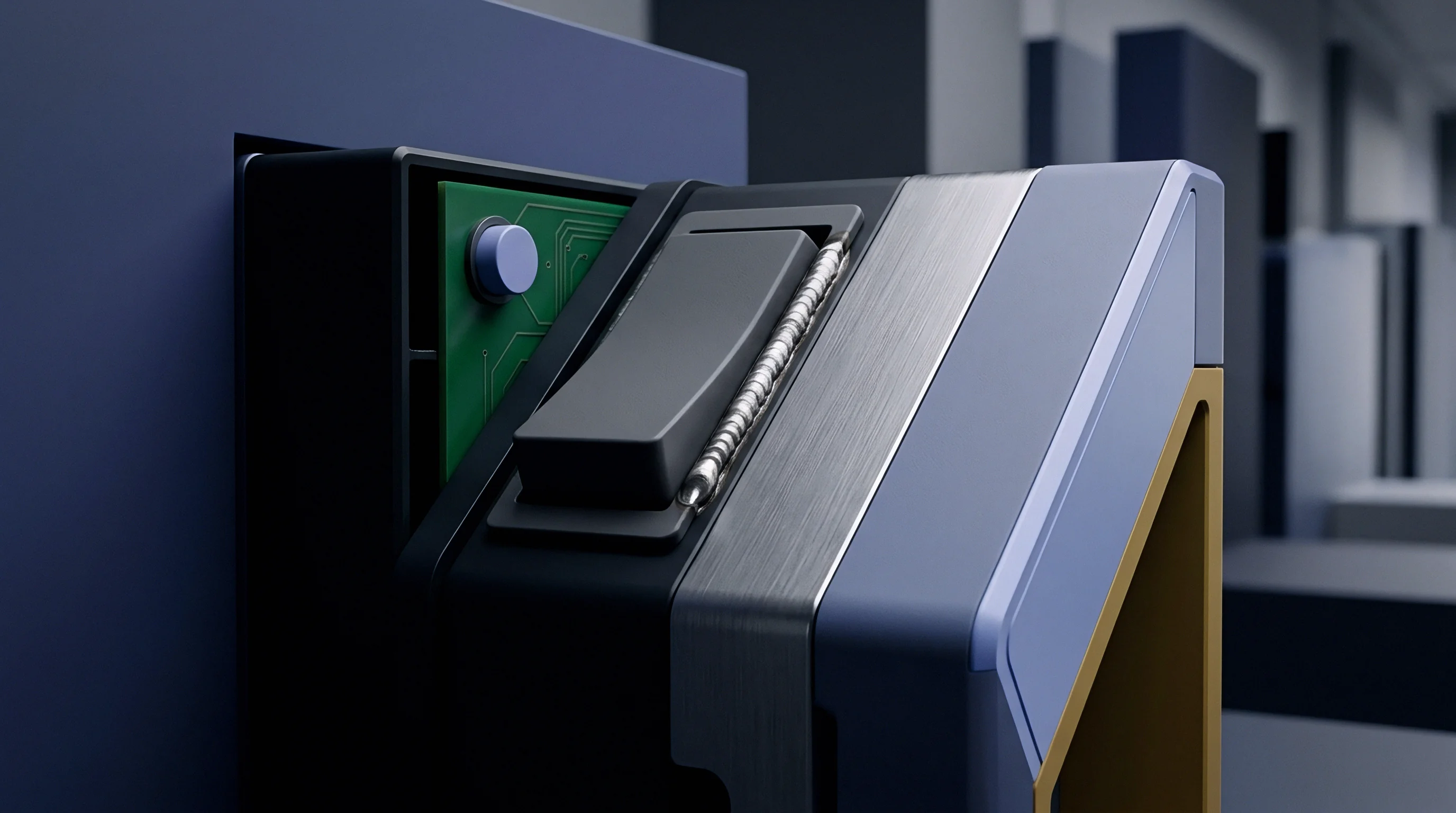
Hardware testing converts cold binaries into functional production units. Storing source trees in a vault offers no protection if engineering cannot flash target hardware, bring up peripherals, and verify wireless carrier links on physical boards. The escrow archive must include detailed test fixture schematics, wiring diagrams, and operating boundaries.

Whose Toolchain Validates Escrow Archive Integrity?
Independent laboratories run reproduction audits inside air-gapped test cells. The auditing team receives the virtual build container and reference target hardware with no assistance from original design engineers. The independent engineer must build the binary directly from archived source files, following only the deposited technical instructions.
Uncompiled source guarantees nothing when the target refuses to boot and maintenance work grinds to a halt.
The audit protocol demands compiling the firmware on cleanroom infrastructure, burning the binary onto fresh hardware, and validating baseline electrical performance. This discipline exposes hidden dependencies on local machine variables. If cleanroom code fails to boot, the escrow agent withholds certification and logs a milestone defect against the supplier.
Escrow verification depends on precise hardware setups. In automotive and industrial electronics, validation rigs reflect the strict change control of aerospace manufacturing, where tools, fixtures, and source archives undergo joint audits every twelve months to catch configuration drift. Module test fixtures demand the same physical consistency.
- Host hardware isolation establishes an air-gapped engineering workstation operating cleanroom container runtimes without network access to external package repositories.
- Target board mounting secures production module silicon into automated zero-insertion-force socket fixtures connected to calibrated laboratory power supplies.
- Programming interface connection links commercial JTAG or SWD debug hardware interfaces to dedicated test points, observing exact pull-up resistor specifications.
- Flash execution sequence executes automated command-line scripts to unlock write-protected memory sectors, erase active flash arrays, write the recompiled binary, and set production lock bits.
- Radio bring-up initialization captures serial debug outputs during cold boot, monitoring crystal stabilization sequences and internal voltage regulator readiness.
- Parametric RF verification routes module antenna outputs through calibrated step attenuators into spectrum analyzers to confirm center frequency accuracy and transmit power tolerances.

Flash Sequences and Memory Boundary Maps
Flashing bare boards requires raw binary images mapped to explicit memory offsets. Wireless microcontrollers use segmented memory topologies containing secure boot partitions, main application images, persistent radio parameters, and factory calibration data.
A complete escrow package includes memory map files listing absolute hexadecimal boundaries for every firmware region. Calibration blocks storing radio trim values, crystal load capacitance offsets, and unique MAC addresses sit outside main application flash. Neglecting initialization routines for these parameter blocks creates uncalibrated radios that violate regional RF emissions rules.
With seventy percent of untested escrow deposits historically failing initial compilation, buyers protect themselves by withholding final non-recurring engineering disbursements until an independent cleanroom compiles and boots the code on fresh hardware. Production lines depend on fully automated flashing scripts, whereas factory commissioning runs often rely on ad hoc terminal commands executed by local technicians.

Parity
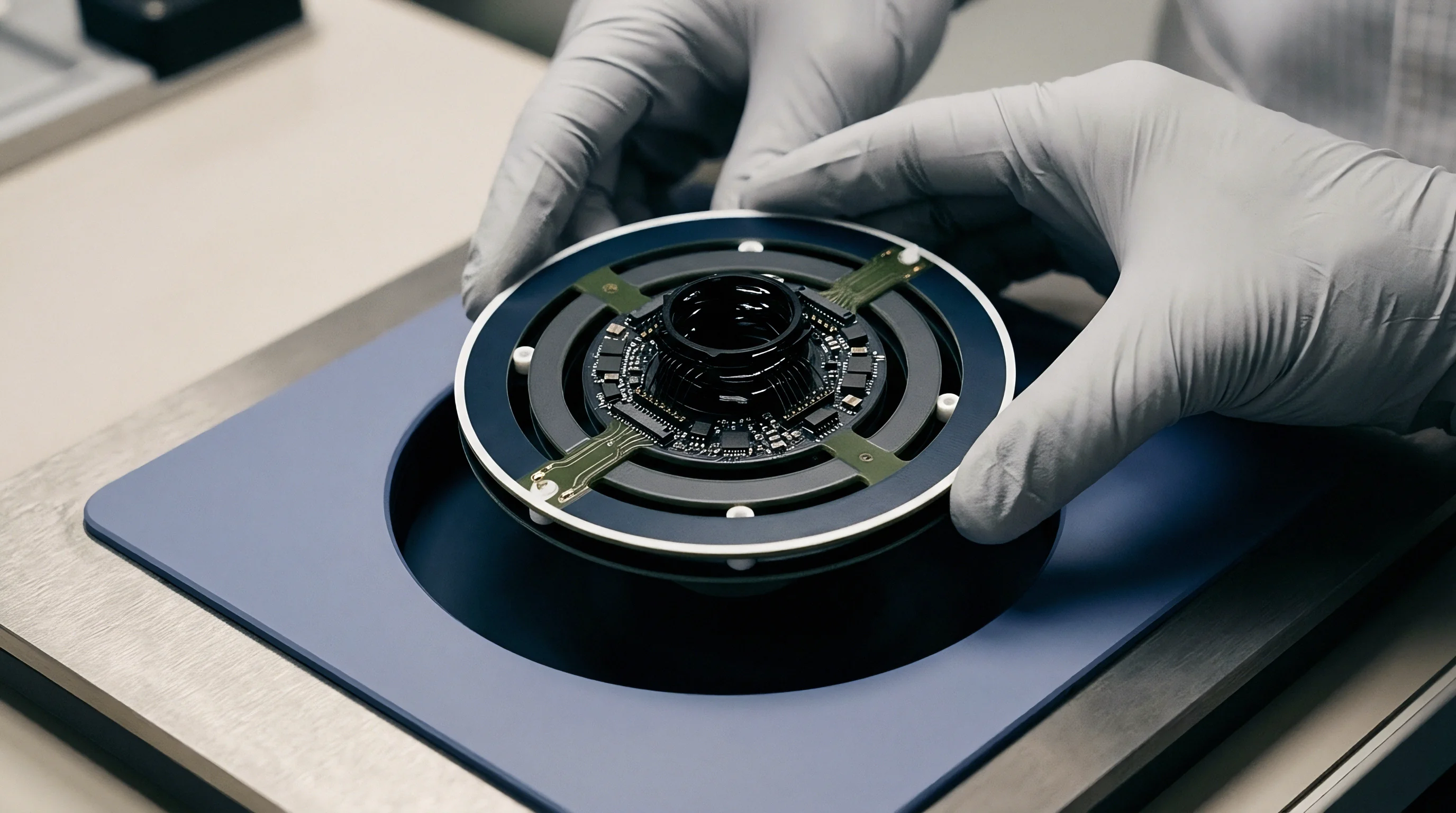
Bitwise verification represents the definitive test for firmware escrow. Rebuilding the archived code must yield an executable matching shipping production firmware byte-for-byte. Any delta between cleanroom output and production binaries points to uncommitted modifications, mismatched compiler flags, or hidden build parameters.

Cryptographic Comparison and Symbol Table Verification
Engineers evaluate cleanroom binaries against production builds using cryptographic hashes. Verification labs generate a SHA-256 digest of the recompiled file and compare it against images pulled directly from factory production modules.
Binary mismatches stall cleanroom audits, allowing undocumented alterations to slip into production unnoticed.
Variances frequently trace back to automated build timestamps, absolute directory macros, or random seeds used in optimization passes. Deterministic compilation suppresses macros like double-underscore-DATE and double-underscore-TIME, substituting fixed values instead. Escrow acceptance criteria permit no unexplained binary deltas.
An unverified archive introduces a 180-day redesign penalty when radio regulatory re-certification becomes mandatory following vendor insolvency.
When minor shifts occur from compiler optimization switches, memory symbol tables provide diagnostics. Symbol tables map functions, interrupt vectors, and static variables to explicit hexadecimal locations. If functions shift to unexpected addresses, the cleanroom build reflects a divergent codebase, and the deposit fails.
| Deliverable Component | File Format | Verification Method | Acceptance Standard | Remediation Action |
|---|---|---|---|---|
| Source Repository | Git Bundle / Tar.gz | Cleanroom Tree Extraction | Zero Missing Submodules | Re-archive Complete Repository |
| Compiler Toolchain | Docker Container Image | Hermetic Build Execution | Successful Offline Compile | Update Container Layers |
| Linker Scripts | .ld /.icf Text Files | Hexadecimal Address Audit | Memory Map Alignment | Reconcile Scatter Loading Files |
| Hardware Abstraction | C Source / Headers | Register Map Comparison | Hardware Stepping Match | Supply Silicon Errata Patches |
| RF Protocol Stack | C Source / Static Lib (.a) | Symbol Table Disassembly | Certified Function Hashes | Replace Precompiled Stacks |
| Production Binary | Raw Binary (.bin /.hex) | SHA-256 Digest Validation | 100% Bitwise Match | Isolate Non-Deterministic Flags |
| Calibration Profiles | CSV / Parameter Struct | RF Spectrum Sweep Test | Within 0.5 dBm Target | Re-extract Factory Radio NVRAM |
| Verification audits follow standardized cleanroom isolation procedures to assure byte-level reproducibility without external network connectivity. | ||||

Hardware Peripheral Bring Up
Flashing cleanroom-built code onto reference production boards verifies hardware interaction under real electrical conditions. Test engineers probe output pins, crystal oscillation margins, and serial bus timing with mixed-signal oscilloscopes. This step verifies that the compiled code drives external silicon without bus contention or timing faults.
- Internal clock stabilization confirms that the phase-locked loop locks within specified millisecond limits across varying input supply voltages.
- Power down sleep current verifies that the sleep modes match original production unit specifications within a five percent margin, preventing battery drain faults.
- Radio transmission stability evaluates spectral output on high, middle, and low frequency bands against published regulatory limits under full continuous wave drive.
- Firmware update validation executes over-the-air or host-guided serial update sequences using escrow-compiled bootloader utilities to guarantee field serviceability.
Cleanroom audits typically cost between eight thousand to fifteen thousand dollars per qualification run, assuming standard three-day laboratory testing protocols on twenty sample boards. The cost climbs if proprietary test fixtures must be adapted for independent test benches. Contract terms specifying bit-for-bit SHA-256 binary congruence between cleanroom output and factory firmware remove ambiguity during technical sign-off.

Recourse
A manufacturing agreement carries authority only when backed by practical leverage. Escrow terms lacking enforceable release mechanisms offer minimal protection against supply disruptions. Sourcing teams structure master services agreements to tie escrow access directly to measurable vendor defaults, ensuring the buyer can maintain production lines independently.
Triggering Events and IP Carve Outs
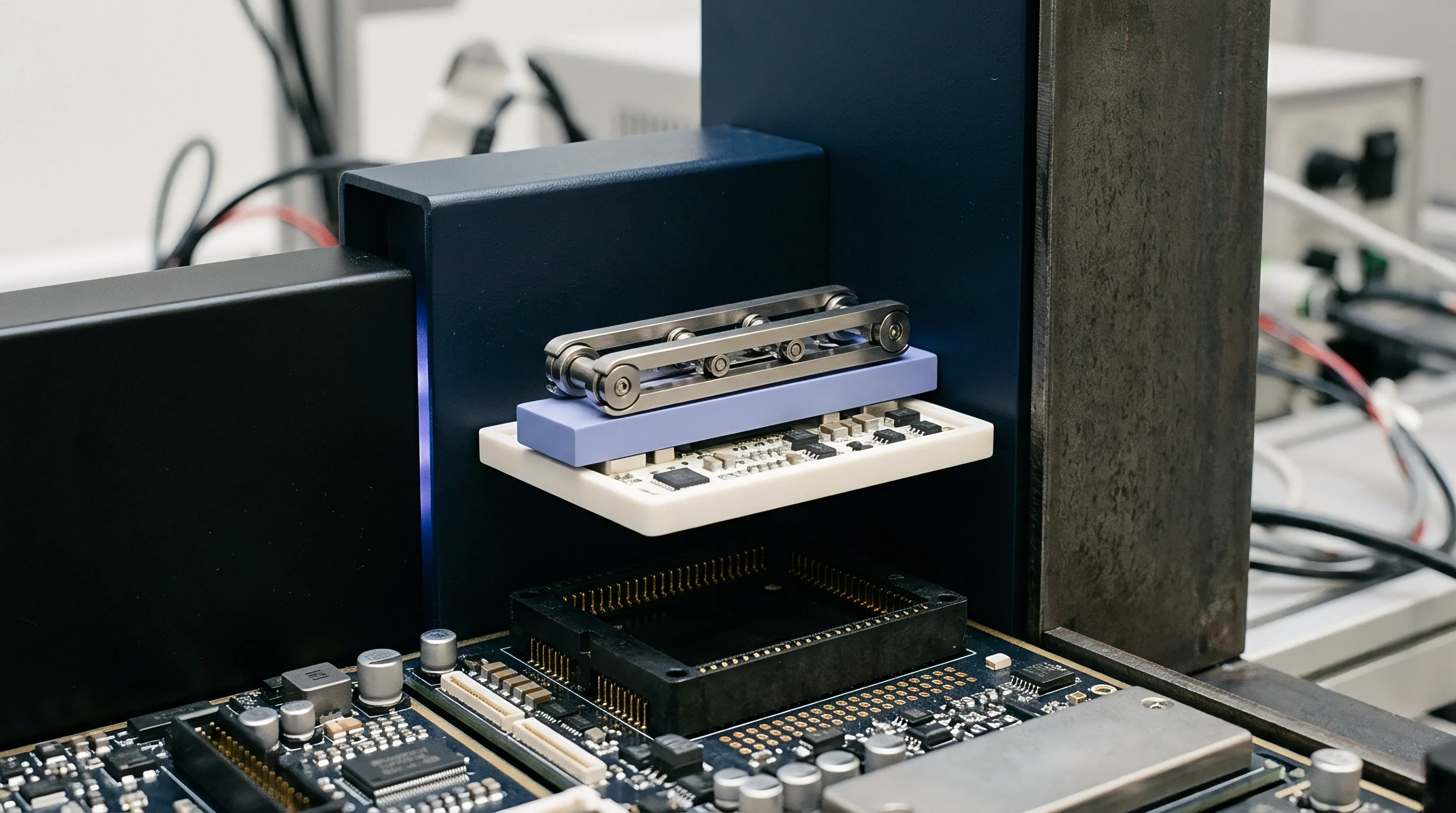
Standard release triggers include supplier insolvency, unannounced component obsolescence, and prolonged delivery delays. Contracts should clearly define shipment delays past thirty calendar days, uncommunicated silicon revisions, or failures to resolve severe firmware bugs within agreed timelines as automatic release events.
Once a supplier cuts off contact, legal remedies usually arrive too late to protect production.
When an escrow agent releases source code, license carve-outs determine what the buyer can actually build. Generic agreements frequently grant only a limited internal maintenance license, barring the buyer from transferring design files to an alternate production partner. The agreement must establish a perpetual, royalty-free, transferable manufacturing license, permitting second-source manufacturers to compile, alter, program, and distribute finished hardware worldwide.
Incorporating explicit release triggers tied to delivery failure protects downstream production lines from indefinite legal stays during supplier insolvency proceedings.
Without an explicit manufacturing license, physical possession of source files provides little practical relief. If the design house retains exclusive rights over radio initialization code, a buyer lacking production licenses cannot legally commission a third-party electronics manufacturer to build replacement modules.

Remediation Costs under Escrow Failure
Replacing an abandoned wireless module requires twelve to twenty-six weeks of lab testing. If an escrow deposit proves unusable after vendor liquidation, costs quickly outstrip original development budgets. The buyer faces complete circuit redesigns, host driver rewrites, and renewed global regulatory testing across wireless compliance standards.
Engineering redesign expenses in wireless IoT consumer and industrial programs routinely reach eighty thousand to two hundred fifty thousand dollars per affected product line, driven by antenna tuning, schematic redesign, board layout revisions, and international radio compliance submissions. Idle assembly lines and extended market absence multiply that capital loss.
Requiring the supplier to fund escrow verification as an upfront project milestone creates structural accountability. When suppliers pay for the third-party cleanroom audit, code quality improves markedly. Compelling offshore design houses to surrender proprietary radio calibration logic during cross-border insolvency disputes remains an ongoing legal challenge in contract manufacturing.