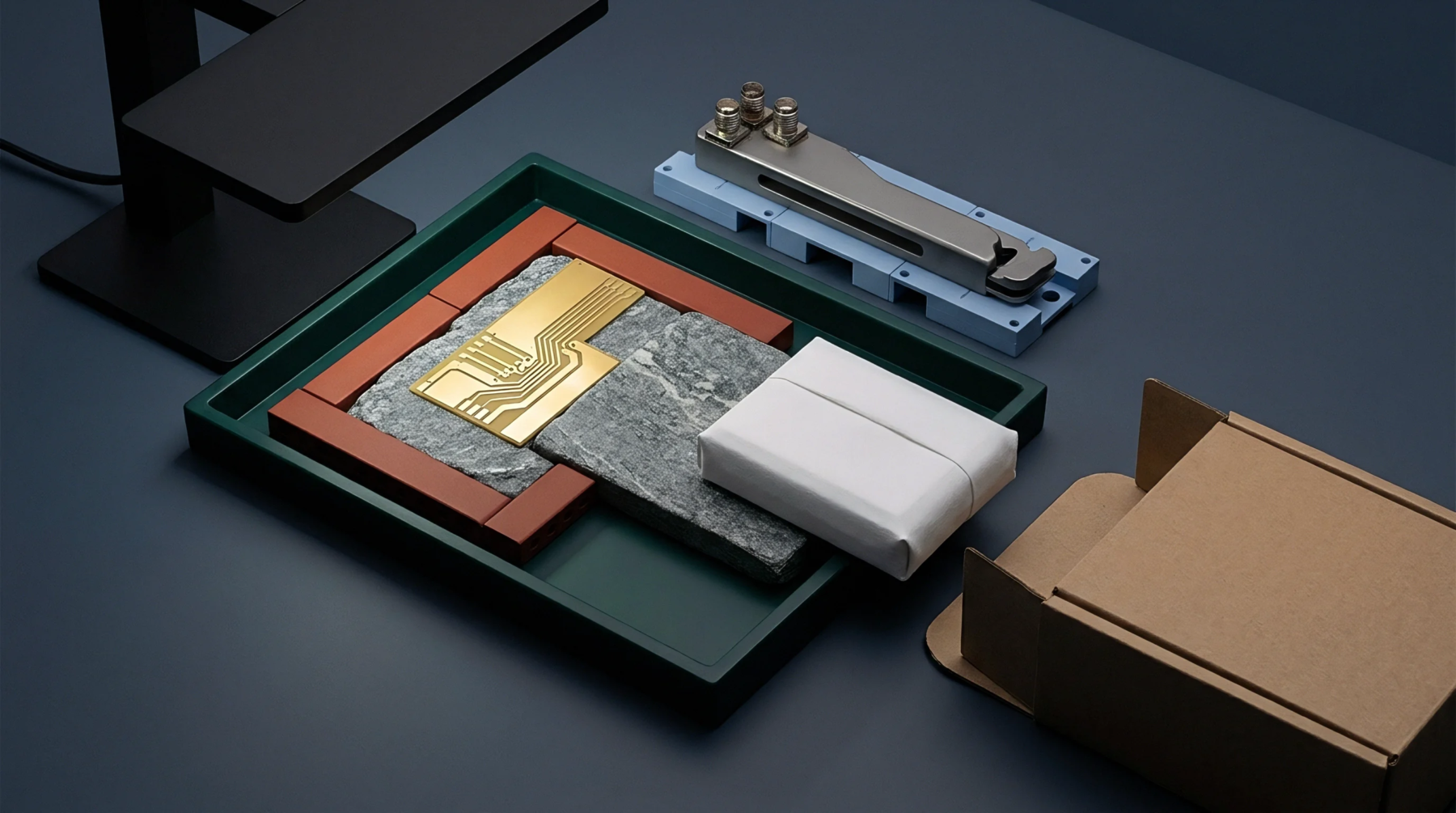
Meaning
High throughput programming procedures write the initial firmware image to microcontrollers and non volatile memory chips during the hardware assembly stage. By performing factory flashing before the enclosure is sealed, manufacturers ensure that the device has the necessary bootloader and operating code for initial startup. This process does not cover subsequent over the air updates that occur once the product is deployed in the field.
Production Sequence
Automated assembly lines execute the code transfer immediately after board mounting but prior to final functional testing. When factory flashing occurs at this stage, it allows the tester to run diagnostic routines on the board peripherals.
Programming Hardware
Dedicated gang programmers or multi probe test fixtures interface directly with the serial wire debug ports on the printed circuit board. This specialized equipment handles multiple modules simultaneously to maintain assembly line cadence.
Firmware Integrity
Verification routines calculate a checksum or cryptographic hash of the written memory to confirm the code was transferred correctly. When a mismatch occurs during factory flashing, the board is flagged for diagnostic rework to prevent dead devices from entering the packaging line. This automated check guarantees that every shipped unit runs the correct firmware version certified by the engineering department.