Meaning
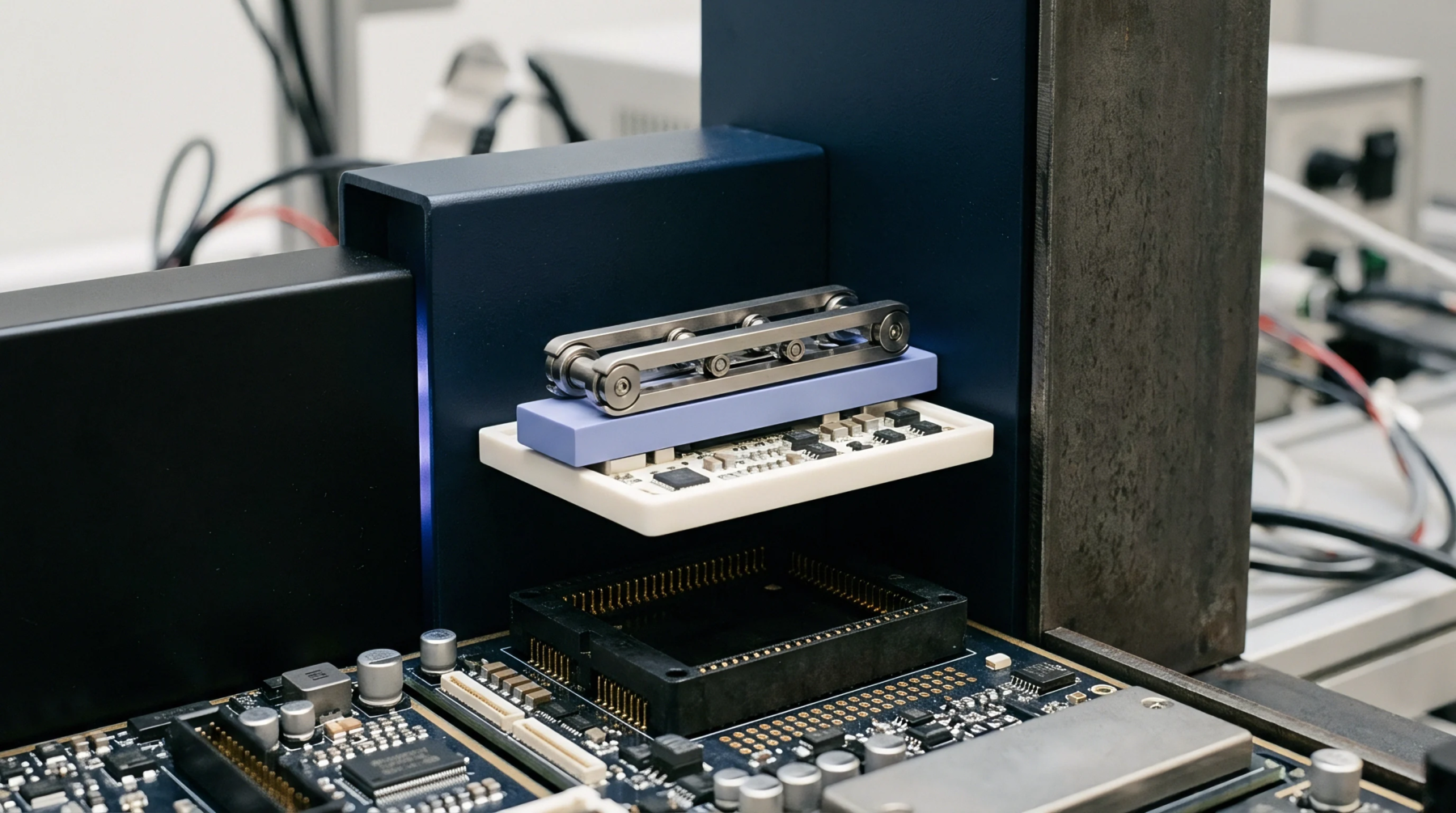
Hardware-controlled transfer modules that bypass the central processing unit to move data directly between peripherals and memory optimize system efficiency in modern microcontrollers. Utilizing direct memory access reduces CPU overhead by allowing the processor to execute other tasks during large block transfers. This separation of concerns is particularly beneficial for high-throughput interfaces like graphics displays or high-speed communication ports.
Channel Allocation
Microcontrollers distribute these transfer duties across multiple internal channels that can be prioritized based on urgency. Assigning a high priority to a real-time sensor interface prevents data loss during periods of intense processing. If multiple channels request the bus simultaneously, an internal arbiter resolves conflicts based on the pre-configured priority matrix.
Buffer Management
To prevent data overwrite issues, developers implement double-buffering schemes where one memory block is filled while the other is being processed. This ping-pong configuration ensures continuous data streaming without interrupting the main application execution loop. The hardware automatically switches between the buffers and issues an interrupt to notify the processor when a transfer completes.
Coherency Challenge
Systems with internal caches must handle the fact that the hardware module writes directly to the physical system memory, bypassing the cache. If the CPU reads from the cache without recognizing that the underlying memory has changed, it will process stale data. Engineers must manually invalidate or flush the cache to maintain consistency across the entire memory subsystem.
Alternatively, they can locate the buffers in non-cacheable memory regions, though this choice reduces the speed of CPU-based access to the same data.