Commercial Rework Cost Recovery Structures for Post Production Hardware Modifications in Multi Source Supply Chains
Commercial recovery for post-production hardware rework in multi-source supply chains hinges on contractual root-cause attribution and automated debit offsets.

Liability
Post-production hardware modifications become necessary when assembled circuit boards fail functional validation or show latent component defects during field testing. When two or three contract manufacturers build the same printed circuit board assembly from shared fabrication packages, assigning financial responsibility for manual retrofits often causes commercial friction. Contract manufacturers routinely bill labor at standard shop rates to execute engineering change orders, while engineering teams view these modifications as corrective actions driven by factory assembly flaws.
Disentangling design updates from manufacturing non-conformances establishes the baseline for cost recovery.

Commercial Defect Allocation in Dual Sourced Production
When a primary contract manufacturer produces surface mount assemblies on an automated SMT line under strict process parameters and a secondary plant delivers identical hardware with an unpopulated resistor or wrong passive component value, technical auditors review original build records. Work orders, reel traceability logs, and component lot codes show whether the fault traces back to an outdated bill of materials from the customer or an unapproved substitution made by the assembler.
Factory purchase orders contain explicit terms governing assembly line modifications. If a hardware revision comes from a design error, the buyer pays for scrap, manual jumper wire soldering, and updated functional testing. If the assembly plant departs from the approved master drawing or the engineering change notification release date, the manufacturer takes full financial responsibility for rework processing, labor, and scrapped boards.
A secondary assembly facility running ten thousand units under an unapproved component deviation retains full financial responsibility for subsequent rework labor and scrap fees.

Engineering Change Notices versus Quality Discrepancies
Disagreements over whether a change is an engineering update or a workmanship defect frequently lead to disputed invoices. Customer engineering teams issue engineering change orders to improve product stability or reduce late-stage electrical noise. Because these updates represent product enhancements rather than vendor defects, the direct labor expenses and fixture modifications fall to the product owner.
Quality non-conformances follow the opposite rule. When automated optical inspection misses misaligned integrated circuits, bridged pin headers, or cold solder joints on surface mount lines, the assembly vendor absorbs all rework costs. Violations of IPC-A-610 Class 2 and Class 3 standards require immediate vendor-funded correction at no extra charge to the buyer.
Section 14.2 of standard IPC manufacturing service agreements assigns full financial responsibility for assembly modifications to whichever party introduced the non-conformance through released documentation or process deviations, prohibiting secondary line charges without written approval.

Solder
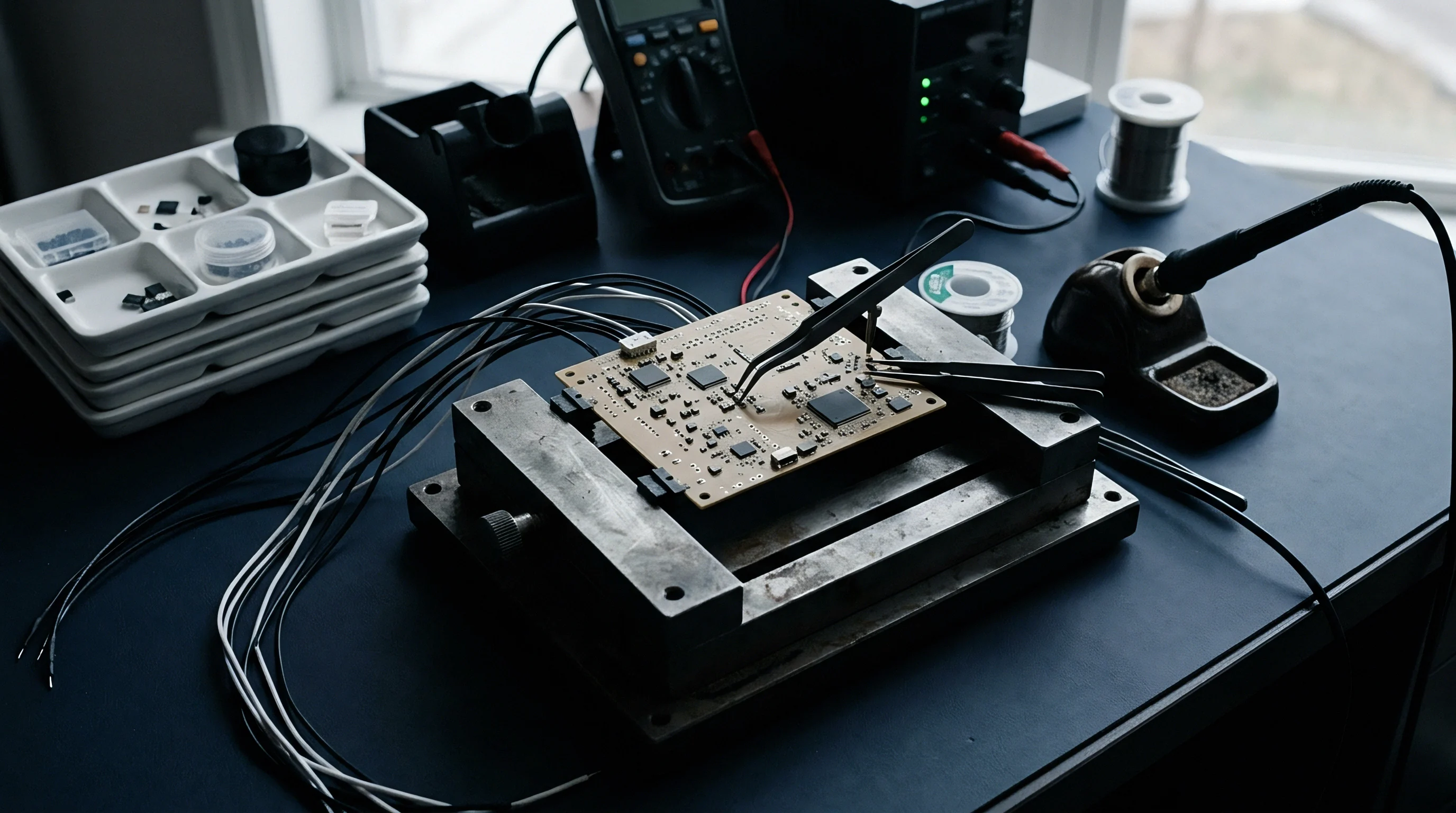
Manual rework on high-density circuit assemblies can damage physical board structures if technicians exceed thermal thresholds. Hand soldering, desoldering components, and installing trace jumpers subject multi-layer glass-reinforced epoxy laminates to localized thermal shock. Repeated heat cycles quickly cause trace delamination, surface pad lifting, and solder mask degradation.
Setting strict physical boundaries for manual rework keeps scrap rates low and avoids commercial disputes.

Thermal Stress Budget and Pad Degradation Limits
FR-4 and high-frequency laminates can endure only a limited number of thermal excursions above their glass transition temperature. Copper pads lose mechanical adhesion to the underlying dielectric layer after repeated iron exposure above three hundred fifty degrees Celsius. Standard IPC-7711/7721 procedures restrict manual rework on a single pad to two thermal cycles before requiring formal engineering disposition.
Unapproved third-pass soldering operations intended to salvage misaligned multi-pin ICs often fracture copper traces and permanently damage the board. Solder mask integrity degrades rapidly under repeated heat, causing unused pads to lift clean off the substrate. Tracking thermal exposure through serialised rework logs helps identify hidden internal damage before assemblies fail in the field.
| Substrate Material | Glass Transition Temp (Tg) | Maximum Manual Thermal Cycles | Maximum Iron Temp (°C) | Pad Retention Yield (%) |
|---|---|---|---|---|
| Standard FR-4 | 130 – 140 °C | 2 Cycles | 350 °C | 92.4 |
| High-Tg FR-4 | 170 – 180 °C | 3 Cycles | 370 °C | 97.1 |
| Polyimide / Flex | 200 – 250 °C | 2 Cycles | 330 °C | 89.5 |
| Rogers / PTFE | 280 °C | 4 Cycles | 360 °C | 98.8 |

BGA Reballing Yield and Scrap Tradeoffs
Ball Grid Array rework requires automated hot-air stations and specialized alignment optics. Removing a fine-pitch component, clearing residual alloy from host pads, placing new solder spheres, and running a secondary reflow profile demands significant labor. Yields from re-balling fall sharply if thermal profiles warp thin substrate materials.
Scrapping a component often costs less than re-balling it when active silicon costs remain under fifteen dollars. Manual heat cycles applied during board retrofits may pass nominal IPC visual acceptance checks, even as internal micro-cracks shorten the product’s operating lifespan.
- Intermetallic Growth occurs when prolonged heating creates brittle copper-tin layers that fail under mechanical shock.
- Substrate Delamination separates internal dielectric layers as trapped moisture vaporizes inside unbaked printed circuit boards during hot-air rework.
- Adjacent Component Reflow disturbs neighbouring passives, causing tombstoning or misaligned solder connections.
- Pad Mask Clearance Erosion exposes raw ground planes, creating short-circuit risks during secondary hand placement.
Localized heating during component replacement can meet standard IPC practices even when subsequent circuit board failures stem from original substrate defects.


Apportionment
Settling costs for multi-party hardware rework requires a systematic accounting model. When a modification stems from a customer design update, a distributor component tolerance issue, and high assembly defects at the factory, single-party billing breaks down. Root-cause failure analysis establishes exact percentages of fault, translating technical issues into fair cash recoveries or account credits.
Root Cause Attribution Matrix for Shared Component Defect
Technical steering committees evaluate failed assemblies using X-ray inspection, cross-sectioning, and automated optical test data. When signal degradation requires trace cuts and jumper wires, engineers review layout files against original component specifications. If a vendor alters pin capacitance without issuing a formal product change notice, that vendor bears primary liability for the retrofits.
Multi-source manufacturing creates additional shared risk. If customer engineering approved an ambiguous schematic while the contract manufacturer skipped standard incoming inspection on component lots, liability is shared. A documented attribution matrix assigns percentage shares to each party before the rework line starts.
Assigning clear percentage splits based on root cause laboratory findings prevents extended commercial blockades between supply chain partners.
Financial Cost Derivation and Hourly Labor Rates
Rework calculations combine direct labor, engineering supervision, tooling modifications, and scrap allowances. Labor rates vary widely by region, ranging from twelve dollars per hour in Southeast Asian assembly plants to ninety dollars per hour in specialized European facilities.
| Rework Task Component | Labor Hours per 1k Units | Rate per Hour ($) | Material / Scrap Allowance ($) | Total Expense ($) |
|---|---|---|---|---|
| De-casing and Disassembly | 45 Hours | 35.00 | 250.00 | 1,825.00 |
| Trace Cutting and Inspection | 60 Hours | 42.00 | 150.00 | 2,670.00 |
| Jumper Wire Soldering | 85 Hours | 42.00 | 400.00 | 3,970.00 |
| Secondary AOI and ICT Testing | 25 Hours | 55.00 | 500.00 | 1,875.00 |
| Re-assembly and Packaging | 30 Hours | 35.00 | 300.00 | 1,350.00 |
| Total Cost for Ten Thousand Units | 11,690.00 | |||
For example, a modification requiring trace cuts and jumper wires across ten thousand assemblies at a total cost of eleven thousand six hundred ninety dollars breaks down by agreed fault shares: fifty percent ($5,845) to the customer for design errors, thirty percent ($3,507) to the component vendor, and twenty percent ($2,338) absorbed by the contract manufacturer for workmanship issues.
Without written cost attribution formulas in place before manual rework begins, labor expenses often become unrecoverable and end up as forced accounting write-offs.

Jig
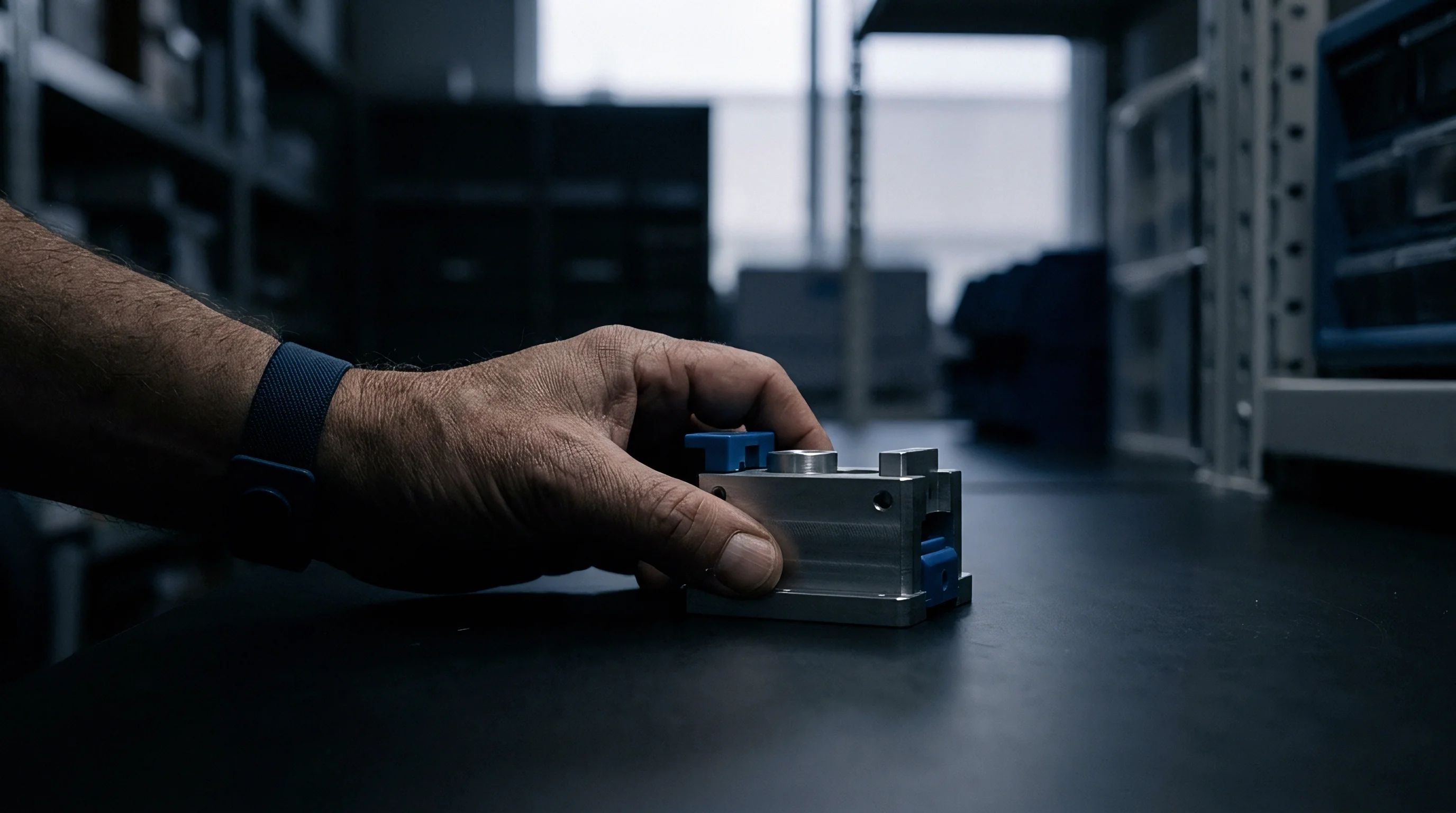
Board modifications alter physical geometries and circuit layouts, making existing test equipment obsolete. Bed-of-nails fixtures, automated optical inspection algorithms, and functional test software require immediate updates whenever jumper wires or revised passives are added to production. Funding fixture modifications and re-qualification testing forms a major part of expense recovery.
Where Does Retest Expense Sit during Split Vendor Recalls?
Updating test procedures across multiple manufacturing sites requires synchronized software updates and physical probe adjustments. When a retrofit stems from a component defect, suppliers frequently contest downstream testing costs and offer only to replace the raw silicon. Replacing a two-dollar IC does not cover fifty thousand dollars in probe repositioning and re-qualification testing.
Assembly plants cannot ship modified boards without updated functional test sign-offs. Customer procurement teams need to enforce terms that define downstream re-validation, fixture machining, and software updates as direct consequential expenses charged to the responsible vendor.

Bed of Nails Modification and AOI Retraining Overhead
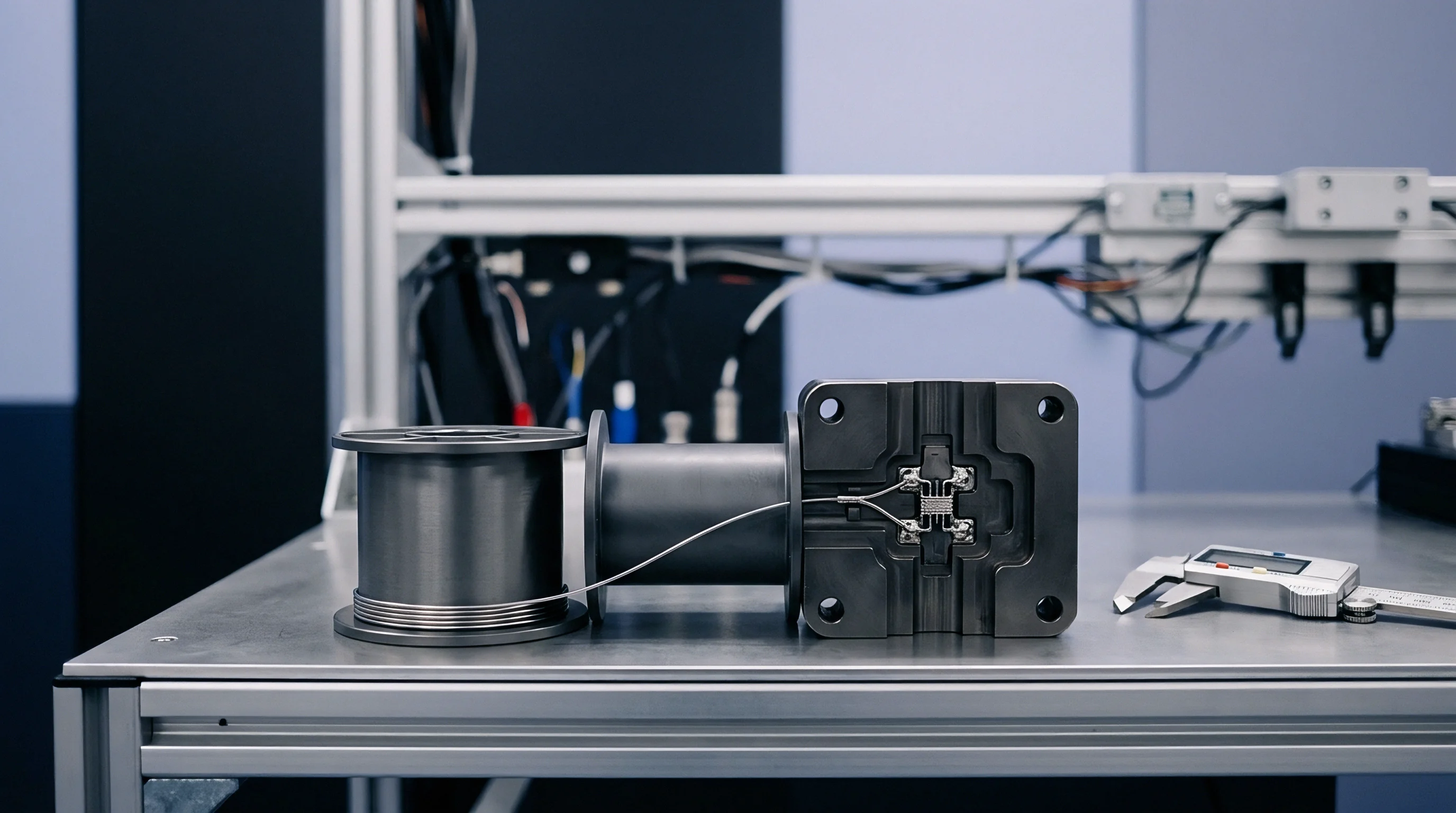
Modifying an in-circuit test fixture involves removing obsolete spring probes, drilling new access holes in acrylic plates, and wiring target nodes to measurement channels. Automated optical inspection equipment requires updated vision models so it can distinguish intentional jumper wires from solder bridges or loose strands.
- Quarantine affected printed circuit board lots across all manufacturing locations to keep unmodified assemblies out of final packaging.
- Send revised CAD layouts and schematics to fixture fabricators so they can machine updated spring-probe positioning plates.
- Update in-circuit test routines to bypass disabled test points and accurately measure relocated net connections.
- Retrain automated optical inspection vision algorithms using ten verified hand-modified board samples to avoid false defect flags.
- Perform environmental stress screening and thermal cycling on fifty reworked units to confirm mechanical jumper wire integrity.
- Release updated functional test software simultaneously across all contract manufacturing facilities under standard configuration control.
Test fixture expenses paid upfront by the customer remain unrecoverable unless offset against open manufacturing purchase orders within ninety days of engineering release.
Recourse
Recovering costs across international supply chains requires clear contractual tools. Hardware brands working with overseas contract manufacturers cannot rely on litigation to recover rework fees. Invoice offsets, escrow retainage, debit notes, and warranty holdbacks provide the direct leverage needed to secure timely reimbursement.
Invoice Offset Rights and Escrow Retainage
Commercial contracts give buyers explicit rights to withhold payment on outstanding assembly invoices to offset agreed rework claims. When a contract manufacturer accepts responsibility for defect rates requiring manual modifications, the customer issues a debit note against open accounts payable.
Escrow accounts offer similar protection during early production ramps. Withholding five to ten percent of the manufacturing contract value in escrow until line yields reach ninety-eight percent guarantees available funds if major retrofits become necessary.
Standard manufacturing agreements that include unambiguous invoice offset rights allow buyers to recover validated rework costs in thirty days.

Debit Note Issuance and Supplier Acceptance Windows
Issuing a formal debit note triggers a defined vendor review window, typically fifteen to thirty business days. The filing includes laboratory root-cause reports, technician labor logs, material scrap receipts, and re-qualification testing invoices.
| Recourse Instrument | Enforcement Velocity | Supplier Relationship Friction | Legal Recovery Guarantee |
|---|---|---|---|
| Direct Invoice Offset | Immediate (1 to 5 Days) | High Risk | Absolute (Controlled Funds) |
| Escrow Retainage Release | Moderate (30 Days) | Medium Risk | High (Contractually Bound) |
| Formal Debit Note Billing | Standard (30 to 60 Days) | Low Risk | Medium (Requires Acceptance) |
| Unit Price Amortization | Slow (6 to 12 Months) | Minimal Risk | Low (Dependent on Volume) |
- Direct Payment Deductions remove contested rework charges from current accounts payable schedules immediately upon audit sign-off.
- Warranty Fund Drawdowns use accrued vendor warranty reserves directly for modification kits and factory rework labor.
- Volume Allocation Penalties cut future order allocations to uncooperative facilities and shift volume to responsive plants.
- Component Level Backcharges pass assembly floor labor costs directly to component manufacturers whose parts failed parametric specifications.
How does a customer retain effective cost recovery rights when a secondary contract manufacturer threatens line stoppage upon receipt of a substantial modification debit note?

Settlement
Finalizing hardware rework recovery requires balancing financial compensation against long-term manufacturing continuity. Demanding cash payouts from assembly partners can strain strategic relationships, leading to delayed engineering support or subtle price increases on future builds. Balanced commercial settlements preserve multi-source supply lines while enforcing financial accountability.
Unit Price Amortization versus Direct Cash Recovery
Direct cash settlements provide immediate recovery but force vendors to draw down cash reserves. Unit price credit adjustments offer a practical alternative. Assembly plants refund rework costs by discounting service fees by two to five dollars per unit on future runs until the balance is cleared.
Unit price amortization keeps production lines moving while aligning commercial interests. The customer recovers modification expenses across scheduled shipments, and the assembler spreads the financial hit over multiple quarters rather than making a lump-sum payout.
Amortizing approved modification backcharges across future production runs maintains stable factory relationships while achieving complete financial recovery over time.

Volume Reallocation Strategy in Multi Sourced Lines
Multi-source manufacturing arrangements provide strong commercial leverage during rework disputes. If one manufacturer contests validated backcharges while a secondary plant handles retrofits efficiently, the customer can shift future production volume. Reducing order allocations creates a direct incentive for factory management to agree on reasonable settlement terms.
Formal settlement agreements close open modification dockets once rework costs, test fixture updates, and scrap allowances convert into binding debit offsets or unit price credits. Signing these documents releases both parties from further claims on the build lot, restoring normal manufacturing operations across the supply chain.