
Establishing Stable Control Limits Following High Speed Line Tooling Changes
Stable control limits post-tooling change require thermal break-in stabilization, 25 subgroup sampling, and short-term capability proof before sign-off.
Stable control limits post-tooling change require thermal break-in stabilization, 25 subgroup sampling, and short-term capability proof before sign-off.
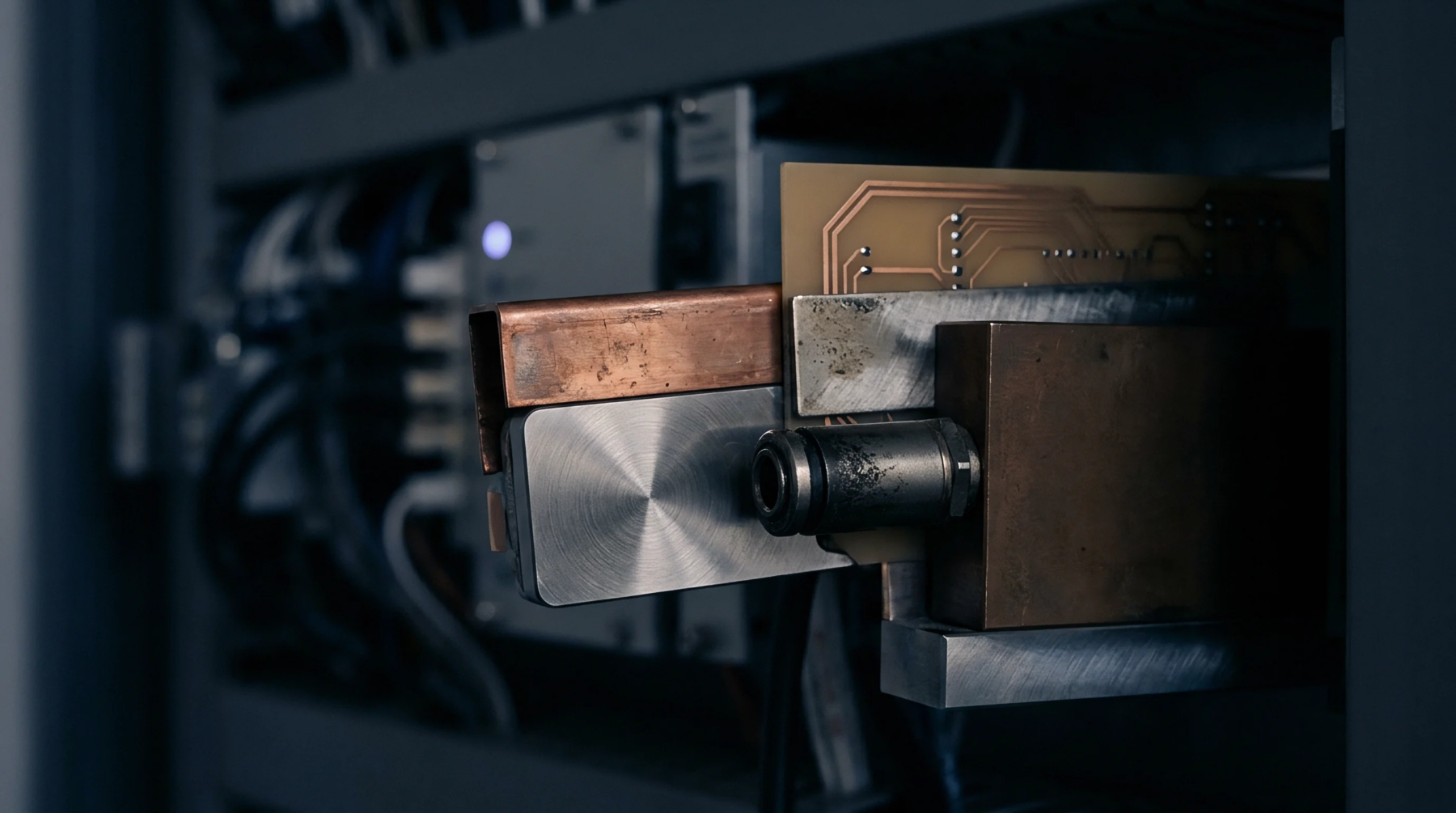
Allocate multi-vendor integration risk by contractually defining register-level silicon errata boundaries and capping software workaround engineering expenses.

Unannounced semiconductor die steppings bypass standard module warranties, requiring buyers to bind suppliers through liquidated damages and register audits.

Enforce hardware revision manifests signed under vendor keys to halt mismatched firmware blobs before bootloader execution damages uncalibrated board silicon.

Turnkey software baseline maintenance requires containerized toolchains, explicit repository custody, and dedicated NRE pools to survive hardware respins.
Commercial recovery for post-production hardware rework in multi-source supply chains hinges on contractual root-cause attribution and automated debit offsets.
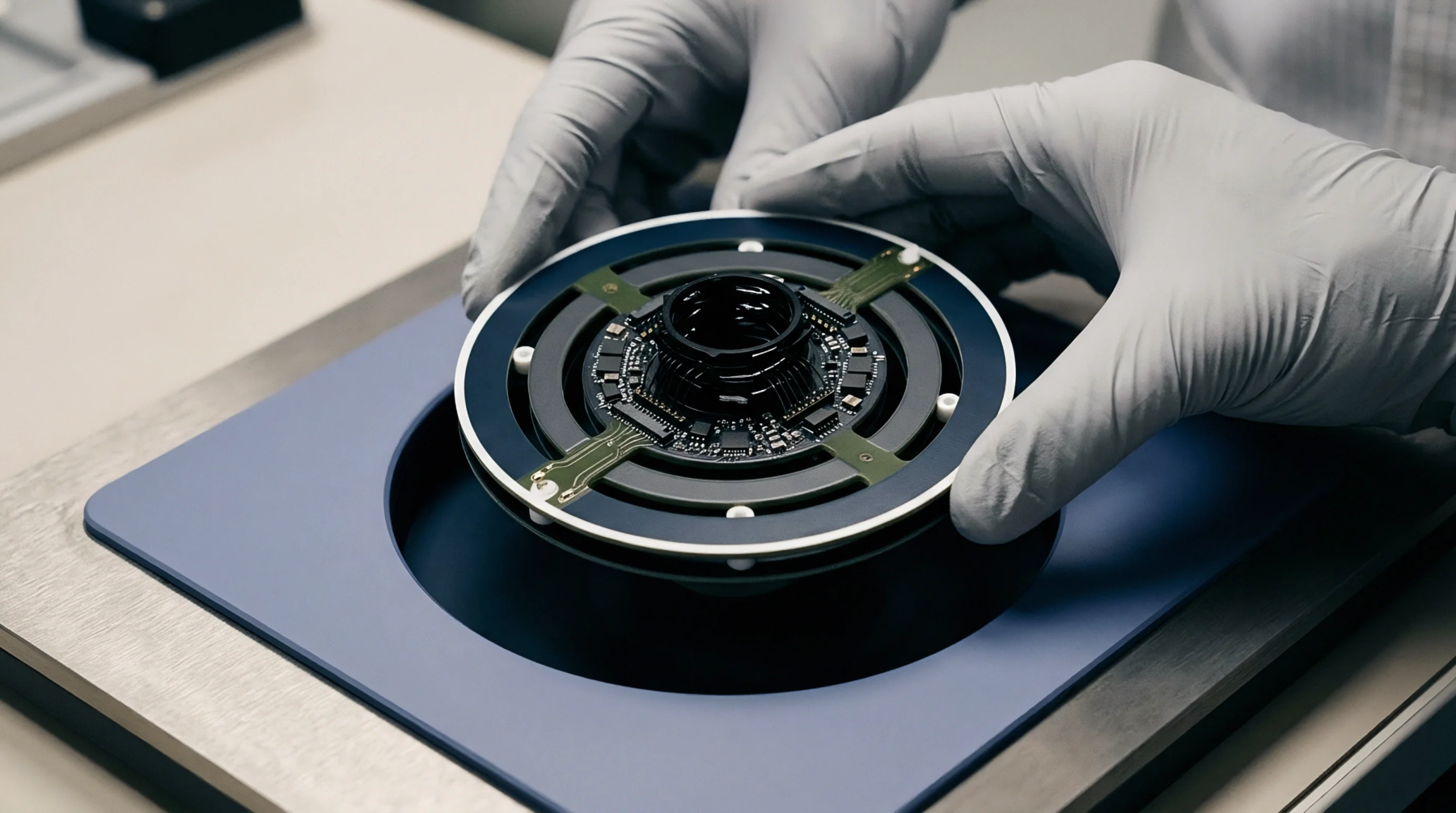
White-label products sold by competitors share baseline hardware, exposing both brands to identical silicon errata, component supply shocks, and vendor lock-in.
Expertise is a utility, not a secret. sentiention™ publishes its working knowledge as open reference: intelligence layer covering the materials it sources, the markets it enters, and the reference that serves both.