Identifying Hidden Engineering Labor Allocations within Factory Unit Quotes
Factory unit quotes bury design, test jig, and maintenance hours in piece prices, requiring unbundled SOW line items to isolate engineering labor and IP rights.

Dissection
A factory unit quotation presents a single price that blurs the line between physical manufacturing and technical labor. When a contract manufacturer quotes a custom or semi-custom assembly, one line item covers the raw bill of materials, surface-mount placement, mechanical box-build, and factory margin. Buried inside that number are hundreds of engineering hours spent adjusting layouts, writing test scripts, wiring fixtures, characterizing thermal behavior, and tuning the line.
Initial quotes frequently omit non-recurring engineering fees to make project entry look cheaper, pushing technical labor into component markups, padded test durations, and inflated gross margin baselines spread across forecasted volume.
Unpacking a consolidated unit cost requires comparing the physical production cycle against the labor needed to move a design from prototype to volume build. Standard EMS pricing splits costs across raw materials, material handling, SMT line time, manual assembly, functional test, and plant overhead. When engineering is not broken out as an explicit NRE charge, estimators roll initial engineering wages directly into the piece price for the run.
This disguises a fixed cost as a variable one, leaving the buyer paying for up-front engineering on every unit shipped long after the factory has recovered its original investment.
Hidden Labor Channels in Unit Economics
Estimators rely on predictable mechanisms to embed engineering within unit quotes. The primary route is the material overhead surcharge added to raw components. Standard handling runs between three and eight percent for inspection, warehousing, and kitting.
However, when factory engineers spend time reviewing schematics, tweaking land patterns, or qualifying alternate parts, estimators raise that surcharge to fifteen or twenty percent on high-value ICs. This links engineering recovery directly to component consumption, framing specialized technical work as routine supply chain overhead.
Functional test timing serves as another common channel. Unit price models multiply operator labor rates by the seconds a board spends on the fixture, and estimators frequently pad that duration. A cellular module requiring sixty seconds of actual test time might be quoted at three hundred seconds.
Those extra two hundred and forty seconds per unit, multiplied across operator labor rates, continuously fund back-office software revisions, failure analysis, and ongoing firmware support.
Contract manufacturing agreements that lack explicit non-recurring engineering line items transfer ongoing engineering scope charges into permanent material handling surcharges.
The table below compares a standard consolidated factory quote against an unbundled breakdown for a custom wireless sensor module produced at 50,000 units per year.
| Cost Structure Component | Consolidated Factory Unit Quote | Unbundled Physical Production Cost | Hidden Engineering Labor Allocation | Underlying Allocation Basis |
|---|---|---|---|---|
| Raw Bill of Materials | $42.50 | $42.50 | $0.00 | Verified component vendor direct pricing |
| Material Handling & Markup | $7.65 (18%) | $2.55 (6%) | $5.10 | Masked design review and library footprint creation |
| SMT Placement & Assembly | $3.80 | $3.10 | $0.70 | Reflow profile engineering and stenciling tuning |
| Functional Test Labor | $4.20 (280 sec) | $1.05 (70 sec) | $3.15 | Hidden firmware maintenance and jig software support |
| Yield Loss Absorption Buffer | $2.15 (4.5%) | $0.71 (1.5%) | $1.44 | Pre-funded scrap baseline covering unoptimized layout |
| Factory Gross Margin | $9.70 (15%) | $7.48 (15%) | $2.22 | Margin stacked on hidden engineering allocations |
| Landed Unit Total | $70.00 | $57.39 | $12.61 | Engineering labor constitutes 18.01% of quoted unit price |
Decomposition of Assembly and Test Overhead
Separating assembly and test overhead requires isolating machine running costs from engineering labor. High-speed SMT lines operate on hourly rates derived from machine depreciation, floor space, power consumption, and setup labor. These rates typically range from $80 to $150 per hour depending on line capacity and geographic location.
When quoted assembly costs exceed what line time alone justifies by two or three times, the premium reflects engineering labor folded into plant overhead ~ funding process engineers who tune stencil apertures, debug solder paste inspection failures, and resolve thermal profiles on dense multi-layer boards.
A similar pattern occurs in test departments. Functional test fixtures require automated test equipment, pogo pin arrays, and custom instrumentation ~ all of which carry direct non-recurring building and wiring costs. When a supplier omits explicit fixture line items, build costs and test automation software get amortized into the functional test unit price, leaving the buyer paying for software maintenance indefinitely.
Rate matrices across assembly facilities map these embedded overhead structures.
These pricing structures are frequently attributed to volume volatility and design changes. Discrepancies between actual test cycle times and quoted labor stem from unit-level buffers designed to cover unquoted ECOs, component end-of-life redesigns, and ongoing yield management without requiring formal purchase order amendments.
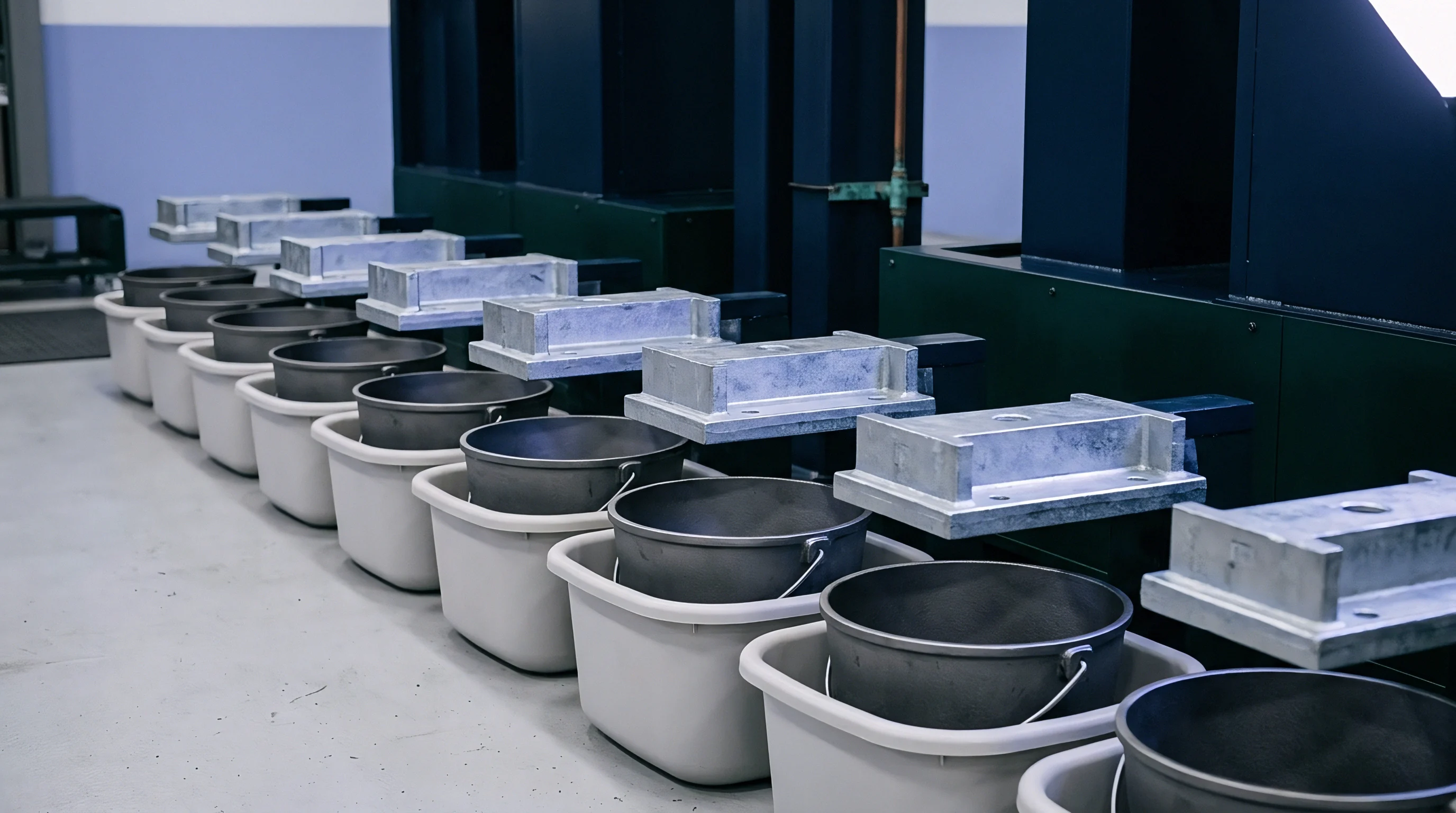
Terminal
Physical connections, wiring harnesses, test points, and header blocks represent primary targets for embedding engineering labor within production quotes. Custom cables, multi-pin interconnects, and spring-loaded test interfaces require distinct mechanical design work ~ including pin mapping, crimp validation, wire gauge selection, and strain relief calculations. Contract manufacturers often absorb these hours into standard kitting or harness assembly fees.
Setting up a custom harness with keying, twisted-pair differential signals, and automated stripping parameters routinely consumes forty to eighty engineering hours before initial production.
When unit quotes incorporate custom cabling or interconnects, mechanical work is frequently embedded directly in the harness assembly piece price. Factories accomplish this by inflating crimp contact costs, adding padded labor minutes to termination steps, or raising the yield loss percentage on raw connectors. This masks actual hardware fabrication expense while securing a continuous return on early engineering effort.
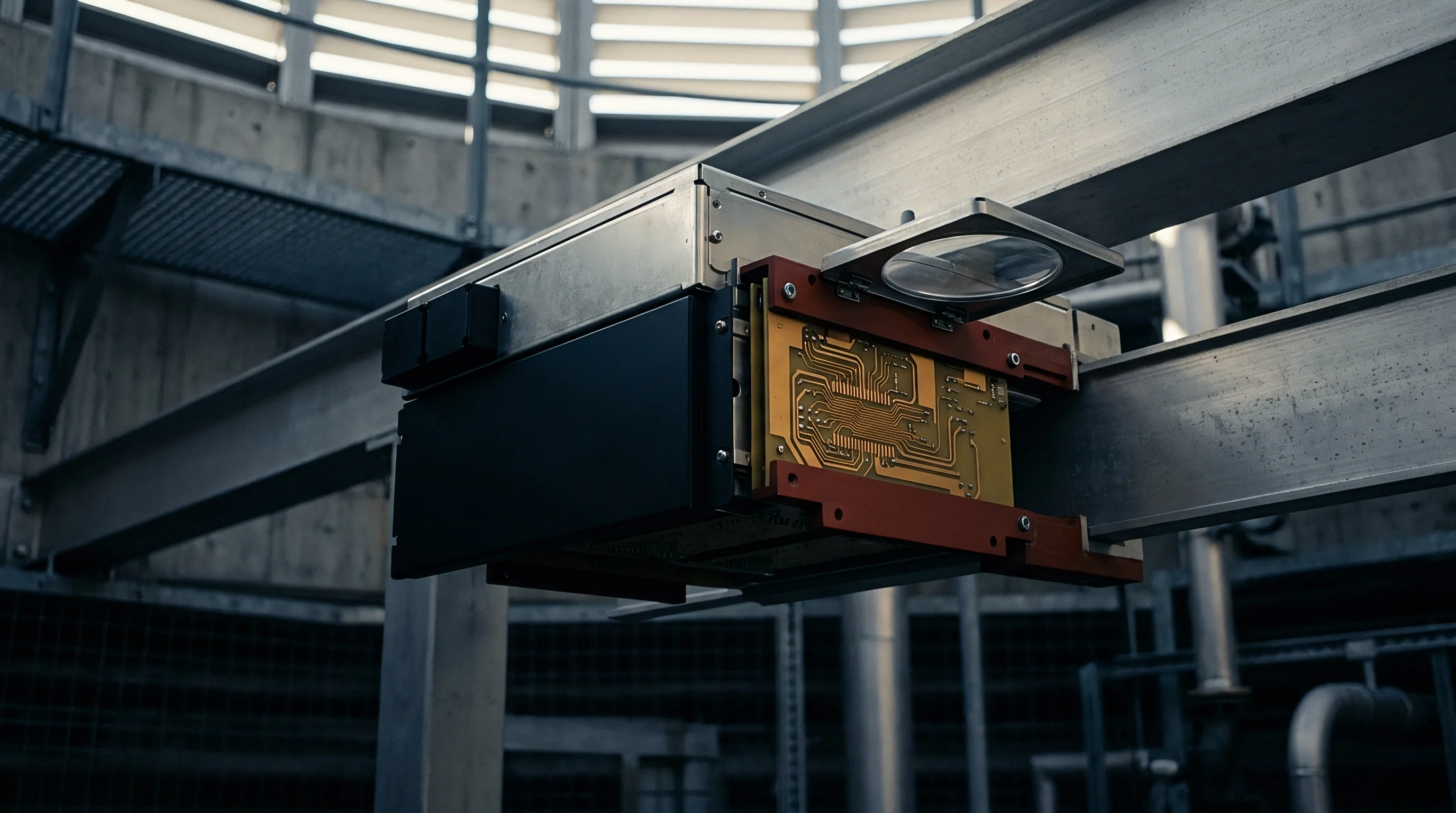
Wire Harness and Jig Labor Allocations
Custom test jigs rely on machined acrylic or aluminum nests, interface PCBs, and pogo pins aligned to test pads on the target board. Building a reliable bed-of-nails fixture for a multi-interface radio module demands precise CAD layout and routing. Pin placement tolerances must hold within plus or minus 0.05 millimeters across hundreds of press cycles to prevent pad wear or intermittent open circuits.
That layout work, along with high-frequency signal integrity routing, requires substantial engineering time.
Many factory proposals quote test fixture NRE at a nominal fee or waive it entirely against a minimum order volume commitment. The factory then recovers that labor by inflating functional test unit prices, billing pogo pin replacements under routine maintenance clauses, or adding technical management surcharges to each lot release.
- Interconnect Pin Assignment Conflicts Initial factory schematic conversions can misalign signal pairs, requiring engineering rework during test jig bring-up that is later recouped through unit assembly markups.
- Pogo Pin Force Degradation Poor strain analysis leads to premature pin fatigue, forcing frequent re-calibration cycles that inflate maintenance charges.
- Wire Harness Strain Relief Failures Unchecked flex radius parameters cause intermittent wire breaks in the field, driving failure analysis charges that get billed under general quality overhead.
- Connector Contact Crimp Overspecification Hand-crimped prototype leads are priced at automated production rates, disguising manual labor inside standard piece pricing.
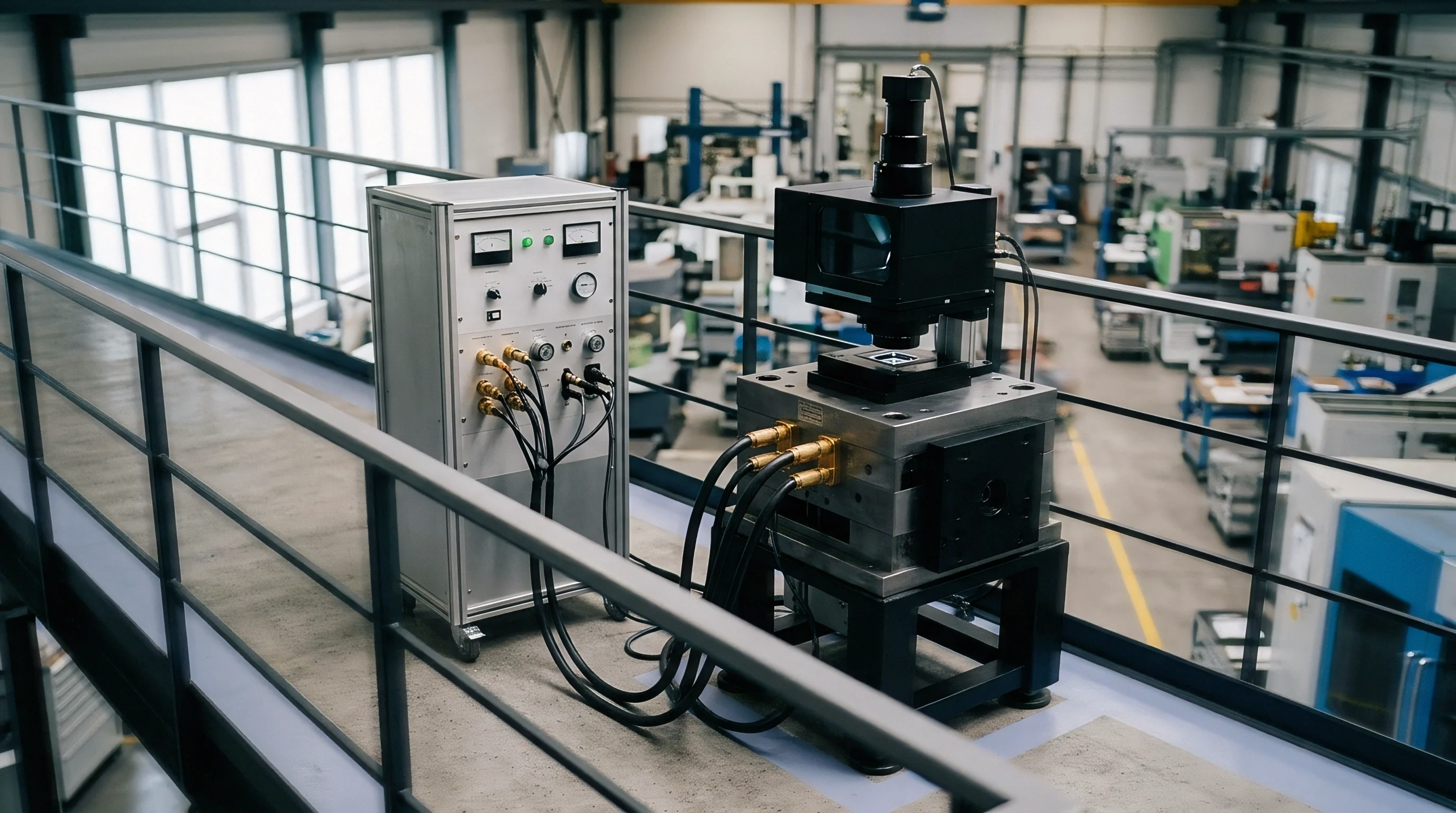
Fixture Amortization in Low-Volume Runs
Low-volume production runs immediately expose hidden tooling and fixture labor. On runs of 1,000 or 5,000 units, absorbing a $15,000 fixture investment into standard markups forces an obvious spike in unit pricing. Estimators circumvent this by dividing fixture labor across multiple line items ~ distributing charges between sample preparation, pre-production setup, and inflated first-article inspection fees.
This fragmentation hides true tooling costs from the buyer. If a program later shifts to a secondary manufacturing facility, the original plant often retains ownership of fixture design files, pin maps, and test scripts. The buyer funds that engineering through unit margins while holding no contractual rights to the documentation required to replicate the test setup elsewhere.
A second-source transition for an industrial gateway platform incurred an unexpected $22,000 duplication fee because the original factory had framed test fixture programming as ongoing quality management rather than explicit tooling NRE.


Markup
Component surcharges, BOM markups, and yield loss buffers provide simple mechanisms for hiding engineering labor inside unit quotes. Contract manufacturers routinely apply raw material markups ranging from five to twenty-five percent based on sourcing complexity, volume commitments, and inventory exposure. That baseline material margin absorbs active component engineering: evaluating alternate parts, qualifying pin-compatible replacements during supply shortages, analyzing obsolescence risk, and maintaining BOM databases.
Burying engineering work inside material markups creates compounding financial distortions as production scales. On an initial low-volume run, a twenty percent markup on a $50 BOM adds $10 per unit ~ a plausible charge for kitting and inventory management. But as production expands to 100,000 units per year, that same twenty percent markup yields $1,000,000 in material overhead revenue.
While material handling costs scale with box volume, ongoing BOM engineering remains largely fixed, allowing the factory to extract expanding margins under the label of routine supply chain management.
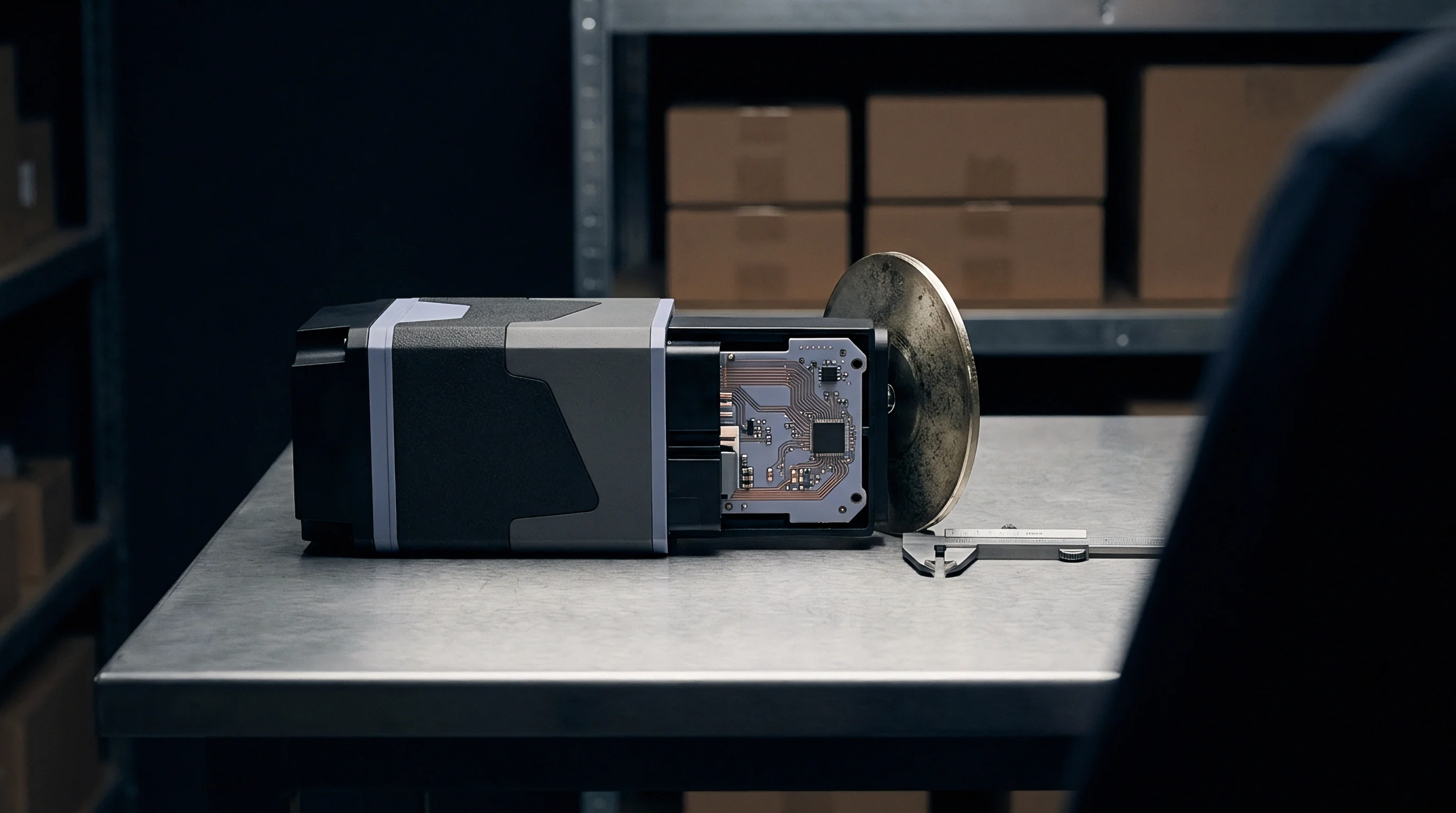
Component Surcharges as Masked Engineering Hours
Specialized components such as microcontrollers, FPGAs, RF front-ends, and power ICs require extensive engineering evaluation prior to line integration. When a factory proposes a component substitution to shorten lead times, validating signal compatibility, rewriting register initialization code, and re-checking EMC compliance demands substantial technical effort. Yet factories rarely issue a formal engineering change order for this work.
Instead, the factory adds a component processing fee or inflates the part’s unit price above distribution cost. A substitute microcontroller purchased by the factory at $4.10 may appear on the customer BOM at $6.80. That $2.70 per-unit spread funds the engineering team handling the schematic revision, layout adjustments, and firmware updates, quietly recovering technical labor through unit margins.
Component markups above eight percent on direct turnkey procurement serve as a capital recovery mechanism for unquoted engineering labor and application support.
The table below models how hidden NRE absorption plays out across escalating volume bands, showing how fixed engineering costs inside component markups drive up factory margins as volume grows.
| Production Run Volume | Quoted Unit Price | Actual Physical Cost | Hidden Engineering Content | Total Hidden Revenue Collected | Target NRE Amortization Value | Excess Factory Margin Extracted |
|---|---|---|---|---|---|---|
| 1,000 Units | $125.00 | $85.00 | $40.00 | $40,000 | $35,000 | $5,000 |
| 5,000 Units | $105.00 | $78.00 | $27.00 | $135,000 | $35,000 | $100,000 |
| 20,000 Units | $92.00 | $72.00 | $20.00 | $400,000 | $35,000 | $365,000 |
| 50,000 Units | $86.00 | $69.00 | $17.00 | $850,000 | $35,000 | $815,000 |
| 100,000 Units | $82.00 | $67.00 | $15.00 | $1,500,000 | $35,000 | $1,465,000 |
Sensitivity Banding for Yield Loss Amortization
Yield loss buffers represent another common channel for embedding engineering fees. Assembly processes generate scrap during SMT setup, component placement errors, solder bridging rework, and test failures. Standard manufacturing models assume a baseline yield loss of one to three percent for mature SMT runs, whereas quotes carrying uncredited engineering labor routinely establish initial yield loss assumptions between five and ten percent.
High yield loss buffers are often presented as necessary safeguards for complex builds or tight tolerances. In practice, the extra margin funds process development, failure analysis, and manual board repair. As process engineers optimize reflow profiles and nozzle selection, real yields rise to ninety-eight or ninety-nine percent.
The factory retains the spread between the quoted yield allowance and actual scrap rates, converting that pre-funded material buffer into gross margin to cover unbilled engineering hours.
Auditing component quotes across long production runs shows that pricing models without explicit engineering line items keep extracting labor payments long after the original engineering costs have been fully recovered.
Firmware
Embedded software is the hardest engineering allocation to spot within hardware quotes. Modern electronics rely on low-level drivers, Board Support Packages, bootloaders, test executive code, and security provisioning routines. While basic software support is frequently presented as part of standard manufacturing setup, that positioning routinely masks hundreds of hours required to port vendor code, patch drivers, construct flashing sequences, and write automated test scripts.
Software development commands high hourly rates, typically $75 to $180 depending on region and specialization. When a quote reflects software support at zero NRE, the underlying development cost is amortized directly into flashing and functional test fees, or recovered through long-term software lock-in.

Where Does Factory Firmware Maintenance Engineering Sit?
Maintaining software during mass production demands continuous engineering oversight. Silicon revisions, component end-of-life replacements, secure boot updates, and calibration adjustments all require active code maintenance. When these hours are not itemized under a dedicated maintenance agreement, the factory embeds the cost inside flashing and test configuration charges.
Flashing a pre-compiled binary onto a microcontroller via JTAG or SPI takes five to fifteen seconds of line time ~ a fraction of a cent in power and equipment depreciation. Yet unit quotes routinely charge $0.50 to $2.00 for programming. The spread between actual machine execution cost and the quoted programming fee creates an internal fund that pays software engineers to debug build breaks, update test drivers, and maintain flashing servers.
Factory programming charges exceeding three times actual machine time indicate that embedded software maintenance labor is being recovered through production flashing line items.
To isolate software engineering allocations during quote reviews, procurement and engineering teams can use a five-step audit:
- Request an itemized breakdown of flashing cycle times, programming equipment specifications, and operator rates.
- Obtain full source code, build scripts, toolchain specs, and compilation instructions for all test scripts and board support drivers.
- Compare quoted software maintenance fees against actual developer hours logged during line setup and qualification runs.
- Audit flashing server protocols and key injection procedures to separate standard operator work from engineering support.
- Contractually separate initial software development NRE, production flashing line labor, and ongoing code maintenance.

Board Support Package Customization Scope
Porting a BSP to custom hardware requires configuring pin multiplexing, setting clock trees, tuning power management registers, and validating drivers for Ethernet, Wi-Fi, Bluetooth, or CAN interfaces. Vendor reference designs rarely match custom board requirements out of the box. Adapting reference code to a custom pinout and specific peripheral ICs typically consumes eighty to two hundred engineering hours.
When a factory software team performs this work without charging explicit NRE, the factory retains control over modified driver source code, libraries, and build scripts. The buyer receives compiled binary blobs for production flashing, but lacks the source assets required to modify, rebuild, or port the software to alternative hardware or secondary production sites.
This leaves a practical question: at what point does the cumulative cost of hidden software markups exceed the cost of buying full source code ownership upfront?

Transfer
Transferring a hardware design to a secondary factory exposes every hidden engineering allocation in the original unit quotes. When establishing dual-sourcing or relocating production to mitigate risk or reduce landed costs, a complete transfer package is essential: native schematics, PCB layouts, BOM databases, fabrication drawings, SMT centroid files, test fixture schematics, pogo pin maps, and test software source code.
This transition boundary is where unbilled engineering generates commercial friction. Absorbing design adjustments, footprint corrections, test scripts, and line optimization into unit markups often leads factories to assert ownership over the resulting CAD files, tooling, and test code. Without an explicit NRE line item for design engineering, factories treat IP created during setup as proprietary asset value.

Design Transfer Package Completeness Audit
A successful transition depends entirely on the completeness of handed-over technical assets. The replacement facility requires native CAD files, fabrication and assembly outputs, process instructions, and executable test suites. Incomplete transfer packages force the new site to re-engineer missing elements, triggering fresh NRE charges and delaying production schedules by months.
A production transfer package needs the following deliverables to avoid secondary engineering fees:
- Native Printed Circuit Board Design Files Full CAD files in native formats (Altium Designer, OrCAD, or KiCad), including schematic symbols, PCB footprint libraries, and layer stackups.
- Open Standard Fabrication and Assembly Outputs Complete Gerber X2 or IPC-2581 datasets, IPC-NC-356 netlists, drill tables, pick-and-place centroid files, and assembly drawings.
- Unbundled Bill of Materials Database Machine-readable BOMs detailing manufacturer part numbers, qualified alternates, reference designators, and moisture sensitivity levels.
- Functional Test Fixture Schematics and Pin Maps Complete mechanical drawings, wiring schematics, pin assignment lists, and instrument specs for all test fixtures.
- Test Executive Source Code and Build Scripts Fully documented source code for automated test sequences, calibration routines, limit files, and log extraction scripts.
- Firmware Source Repositories and Toolchain Setup Version-controlled source code for bootloaders, application code, and flashing scripts, along with containerized build environments.
Unquantified Re-Engineering Fees at Secondary Sites
When an original factory withholds native CAD files or test scripts over unbilled engineering claims, the receiving factory must rebuild those assets from scratch. Re-creating a dense six-layer PCB layout from static PDFs or Gerbers consumes sixty to one hundred and twenty engineering hours. Rewriting test scripts and fabricating replacement bed-of-nails fixtures adds another $15,000 to $40,000 in labor and tooling costs.
The table below outlines the deliverable manifest and verification criteria required for secondary source qualification, detailing the formats and acceptance conditions needed to ensure full portability.
| Deliverable Domain | Required File Formats | Validation and Verification Conditions | Ownership Transfer Impact |
|---|---|---|---|
| Hardware Design Source | Native CAD (.PcbDoc, SchDoc), IPC-2581, Gerber X2 | 100% netlist verification against original electrical schematic | Eliminates secondary layout re-engineering fees |
| Manufacturing Outputs | OJB++, ODB++, Gerber RS-274X, IPC-NC-356 | Successful test board fabrication without engineering queries | Guarantees raw board production portability |
| Assembly Configuration | Centroid CSV, Pick-and-Place ASCII, Assembly PDF | Automated placement verification on SMT line feeder setup | Prevents SMT line programming re-charges |
| Test System Assets | Wiring CSV, Fixture CAD, Test Script Source (.py, c) | Identical test coverage verification on secondary test bench | Secures full test environment replication |
| Embedded Code & BSP | C/C++ Source, Makefiles, Docker Build Container | Bit-for-bit reproducible binary compilation from source | Prevents factory binary lock-in and enables code updates |
Securing full ownership of fabrication and test assets requires explicit terms in the manufacturing supply agreement. Clean transfer clauses prevent ownership disputes when moving production.


Reconciliation
Converting an opaque factory quote into an unbundled commercial structure requires systematic reconciliation during initial negotiations ~ well before issuing purchase orders or releasing tooling funds. The goal is to strip engineering costs out of variable unit prices and reassign them to explicit, fixed NRE line items tied to concrete deliverables.
This shift creates genuine operational transparency. Paying engineering fees as explicit NRE items ensures the buyer retains full ownership of the resulting IP, design files, test scripts, and tooling. Simultaneously, the recurring unit price drops to its true baseline: raw materials, actual SMT and assembly labor, direct test time, packaging, and an agreed factory margin.
As volume grows, unit pricing scales predictably rather than continuing to fund long-amortized engineering work.

Contractual Unbundling Mechanisms
Unbundling unit quotes starts with requiring an itemized Costed Bill of Materials (CBOM) and a detailed labor and overhead breakdown. Contracts should split supplier quotes into three distinct schedules: direct unit costs, non-recurring engineering deliverables, and ongoing technical maintenance services.
Direct unit costs should reflect verified component purchase prices, standard material handling fees, machine placement rates, actual test durations, and agreed scrap allowances. Non-recurring engineering items must specify individual deliverables ~ schematic capture, PCB layout, stencil design, fixture fabrication, test scripting, and EMC pre-testing. Each NRE line item should detail its dollar value, estimated engineering hours, completion milestones, and required file formats.

Master Services Agreement Scope Alignment
These terms are formalized within the Master Services Agreement (MSA) and Statement of Work (SOW). The MSA must explicitly define IP ownership, design change procedures, tooling custody, and transfer rights, establishing that all design files, test software, and manufacturing documentation belong to the buyer upon payment of agreed NRE fees.
The Statement of Work should also define component change thresholds and ECO pricing rules. When an end-of-life component forces a redesign, the agreement must require the factory to bill engineering labor under an itemized ECO at pre-agreed hourly rates, rather than raising unit component prices to absorb the work.
Enforcing this separation between recurring manufacturing costs, up-front NRE, and transparent maintenance rates eliminates phantom labor charges, secures design portability, and keeps landed costs predictable over the product lifecycle.