Firmware Source Escrow When the Factory Stops Answering
Firmware escrow succeeds only when deposits include containerized toolchains, signing keys, and test scripts verified by automated clean-room compilation audits.


Lapse
Production halts abruptly when an original design manufacturer cuts communication during an active product run. Hardware procurement teams frequently discover supplier distress only after delivery schedules slip past thirty days without status updates, component orders stall at customs, and factory line supervisors stop replying to engineering change notifications. Weekly status calls vanish from shared calendars without explanation while physical assembly tooling remains locked inside an inaccessible contract manufacturing facility three time zones away.
In these moments of operational rupture, immediate access to source files through escrow agreements becomes the sole way to save a product line.
Most commercial firmware escrow arrangements fail at the moment of invocation. Static software archives often lack board support packages, peripheral initialization drivers, and exact makefiles, or contain obsolete binary blobs that do not match the hex code flashed onto printed circuit board assemblies arriving at the warehouse. When an original design manufacturer enters insolvency, liquidators seize factory assets while engineering staff scatter across competing firms.
The departed lead firmware architect cannot be interviewed to determine how the real-time operating system scheduler handles flash memory wear leveling, and legal access to an escrow repository provides zero manufacturing utility if the archive cannot produce bit-for-bit identical binary output.
The technical trigger defines the operational boundary between standard vendor support and emergency release. While standard commercial contracts define trigger events through bankruptcy filings, formal liquidation proceedings, or documented failure to cure material breaches within thirty consecutive business days, hardware projects cannot endure thirty days of absolute manufacturing downtime while distribution channels run empty. Functional hardware escrow agreements tie release conditions directly to engineering responsiveness metrics rather than waiting on protracted judicial insolvency declarations.
Commercial escrow releases triggered by non-responsiveness clauses execute within ten business days when verified delivery failure notices remain unanswered across two consecutive calendar weeks.
Notice mechanisms establish the timeline for releasing assets. Formal certified notices served to corporate registered agents initiate cure clocks under standard tri-party escrow agreements. Yet when an overseas factory shuts its gates, registered agents frequently abandon physical offices, making dual-channel electronic and physical notice paths with strict time-lapse release conditions essential.

Operational Trigger Execution Sequence
Liberating deposited source assets requires rigorous procedural execution to survive challenge from liquidators or creditor committees:
- Certified Default Filing transmits documented evidence of uncured supplier silence across authenticated electronic mail and registered international courier to the designated escrow agent.
- Escrow Agent Inquiry initiates an independent five-day verification window where the escrow administrator attempts direct contact with the manufacturer technical contact via registered telephone and cryptographic keys.
- Challenge Period Expiration occurs exactly ten business days following formal notice delivery when no verified counter-notice reaches the escrow administrator.
- Asset Liberation delivers cryptographic repository archives, signing credentials, and container images directly to the buyer engineering team.
Contractual language governs the friction of this liberation pipeline. Traditional escrow drafting leaves release authority dependent on bilateral consent, creating an indefinite deadlock when a counterparty vanishes. Effective escrow covenants specify unilateral release upon certified delivery failure accompanied by bank remittance records proving full payment for outstanding engineering services.
Standard language in production agreements specifies: In the event that the Developer fails to provide technical support, component change notifications, or firmware updates for a continuous period exceeding fourteen calendar days following written demand, the Escrow Agent shall immediately release the complete source deposit to the Licensee without requiring counterparty confirmation.
Crate
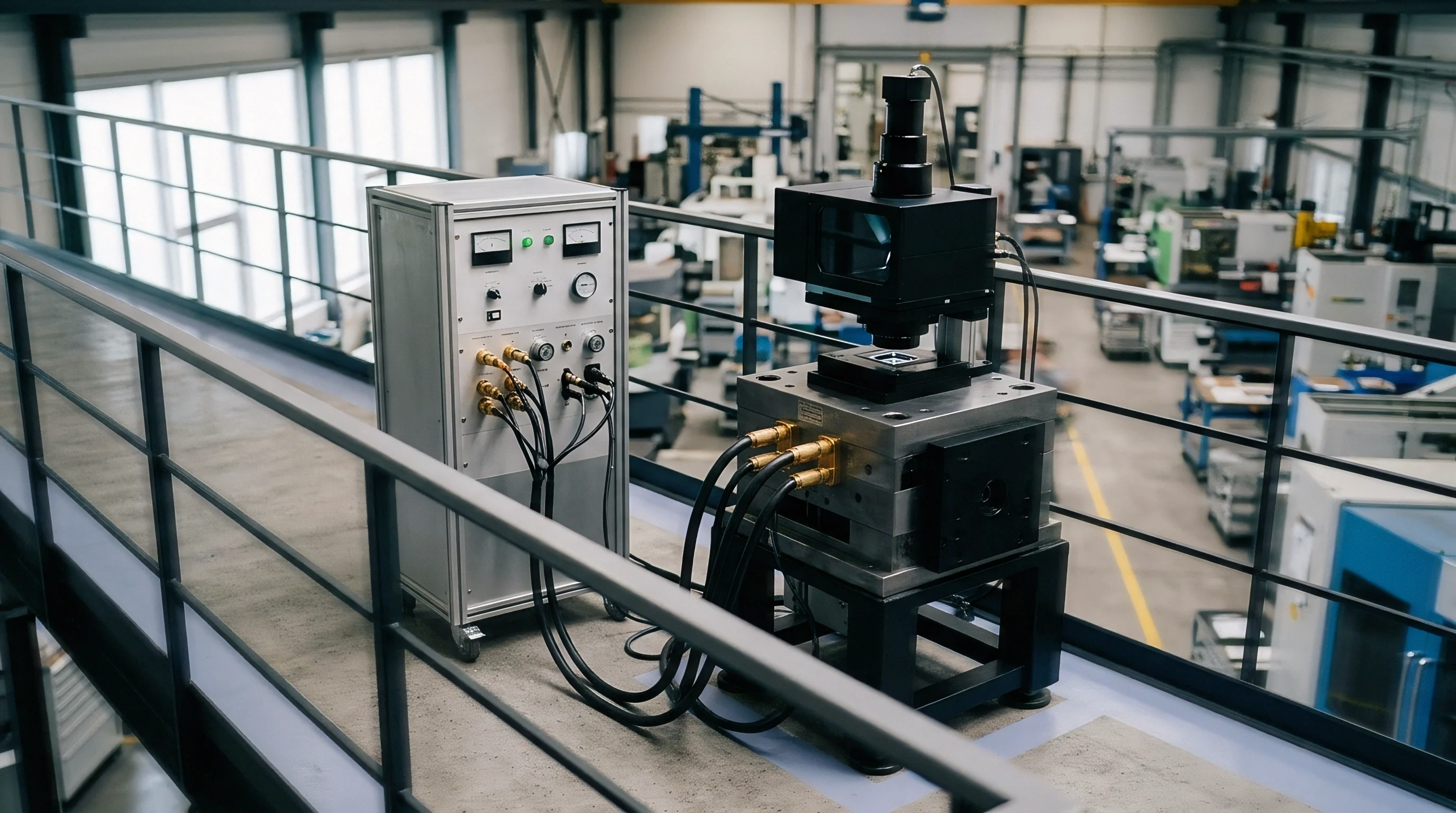
Deposited archives represent physical assets that demand rigorous inbound inspection. Software engineers frequently discover sparse folder structures missing foundational build dependencies. A firmware deposit requires far more than bare C source files and header definitions; it demands the complete hardware abstraction layer, proprietary radio frequency calibration routines, custom bootloaders, board support packages, and peripheral driver implementations.
If the archive lacks low-level silicon vendor software development kits, the source code remains completely uncompilable.
Hardware dependencies must accompany raw application code inside the repository. Real-time operating systems rely on exact timer tick configurations, interrupt priority assignments, and memory allocation tables tuned to specific microcontroller steppings. When an overseas factory develops custom application code on top of vendor reference stacks, they often modify low-level driver files directly inside the vendor SDK without documenting the changes.
If the escrow deposit contains only the top-level application directory, those underlying modifications vanish, leaving replacement engineering teams to spend months reverse-engineering undocumented register writes.
The table below details the mandatory deliverables comprising an operational firmware escrow deposit, alongside their verification criteria and specific archive formats.
| Deliverable Component | Required File Formats | Target Content and Scope | Verification Criterion |
|---|---|---|---|
| Application Source | C, C++, Rust, ASM source trees | Complete application code, thread definitions, task queues, and state machines | Clean static analysis pass without syntax or linkage errors |
| Silicon Vendor SDK | C source, static libraries, headers | Exact vendor software development kit version including modified HAL drivers | Cryptographic hash match against build dependencies |
| RTOS Kernel Configuration | FreeRTOS, Zephyr, ThreadX configs | Kernel source, configuration headers, memory map scripts, task allocation | Deterministic compilation within dedicated container |
| Linker and Memory Scripts | .ld, icf, sct files | Flash partitioning, RAM layout, boot vector tables, secure enclave memory maps | Direct memory map alignment against physical silicon datasheet |
| Factory Test Firmware | Source code, test scripts, Python | Production line test routines, RF calibration procedures, automated test sequences | Successful test execution on physical test fixture |
| Board Support Package | C source, pinout definitions | GPIO multiplexing, peripheral clock trees, external flash drivers, power rail timings | Oscilloscope verification of peripheral initialization |
Build automation scripts convert raw source into production binary payloads. Escrow deposits that omit makefiles, CMake configurations, or compiler linker directives force downstream engineers to guess memory layouts, where a single misplaced memory boundary in a linker script can direct executable code into unmapped memory addresses and cause immediate hard-fault exceptions during boot. Production builds depend on explicit optimization flags, macro definitions, and preprocessor variables that dictate run-time behavior; without the exact compiler flags, timing-sensitive bus interfaces such as SPI, I2C, and UART will fail under production clock speeds.
Schematic source files and layout databases belong inside the firmware escrow crate. Firmware cannot be debugged in isolation from the underlying hardware topology, as microcontroller pin assignments, pull-up resistor values, crystal load capacitance ratings, and power rail switching delays directly dictate register initialization sequences. When an engineering team attempts to bring up escrowed firmware on an alternative production line, discrepancies between hardware revisions and firmware pin definitions cause immediate peripheral failure.
Complete design deposits include Altium, KiCad, or OrCAD source schematics, bill of materials with manufacturer part numbers, PCB stack-up specifications, and copper layer Gerber files.
A source code escrow deposit that omits the exact hardware layout files and peripheral initialization tables prevents functional board bring-up.
Hardware abstraction layers require explicit separation from application logic. When factories deliver turnkey IoT devices, proprietary radio stacks and power management routines often intertwine with basic sensor readings, creating vendor lock-in. A properly constructed escrow archive contains isolated abstraction layers that allow the buyer to port the codebase to an alternative microcontroller if the original silicon becomes unavailable.
Every hardware-dependent driver must expose standard API interfaces for GPIO, PWM, ADC, and communication buses.
Contract negotiations frequently proceed under the assumption that a deposit archive includes everything necessary simply because the repository links directly to the production branch of an internal version control system.


Harness
Modern embedded firmware builds depend entirely on complex toolchains containing cross-compilers, static analysis utilities, patch scripts, and binary packing utilities. A developer attempting to compile an embedded project using a different compiler minor version often generates non-functional machine code, as optimization algorithms shift between compiler releases and alter instruction alignment, stack usage, and loop unrolling behavior. In safety-critical or timing-dependent systems, these micro-architectural differences lead to sporadic memory corruption, race conditions, and unexplained peripheral deadlocks.
Escrow archives must capture the entire build execution harness.
Containerized build environments solve toolchain drift. Storing raw source code in an escrow vault without its supporting compiler toolchain invites failure. A complete deposit incorporates a container image containing the exact GNU Arm Embedded Toolchain, LLVM Clang compiler, or proprietary vendor toolchain utilized on the factory production line.
This container holds all environment variables, Python script dependencies, make utilities, and system libraries required to generate production binaries from clean source trees, preventing host operating system libraries from contaminating the output binary.
| Toolchain Element | Standard Implementation | Escrow Requirement | Failure Mode if Omitted |
|---|---|---|---|
| Cross-Compiler | GCC, IAR, Keil, LLVM | Exact compiler build, version string, and optimization profile | Code size expansion exceeding flash memory limits |
| Build Orchestration | Make, CMake, Ninja, West | Version-locked build scripts with explicit dependency manifests | Implicit dependency lookup failures during compilation |
| Python Utilities | Python 2.7 / 3.x, pip wheels | Offline wheel archive for binary generation and image signing tools | Deprecation of cryptographic signing and image packing scripts |
| Proprietary License | FlexLM, dongle keys | License server bypass or perpetually valid compilation keys | Inability to invoke proprietary commercial compiler suites |
Deterministic compilation represents the gold standard of firmware escrow verification. When source code compiles under strictly controlled conditions, the resulting binary should match the production image bit for bit. Cryptographic SHA-256 hashes generated from the newly compiled binary must match the hash of the firmware image flashed onto units operating in the field.
Achieving binary determinism requires stripping variable timestamps, build paths, and debug symbols from the compilation output; if compilation hashes diverge, engineers cannot guarantee that the escrowed source represents the authentic firmware currently deployed to commercial customers.
How Frequently Should Escrow Deposits Face Clean-Room Verification?
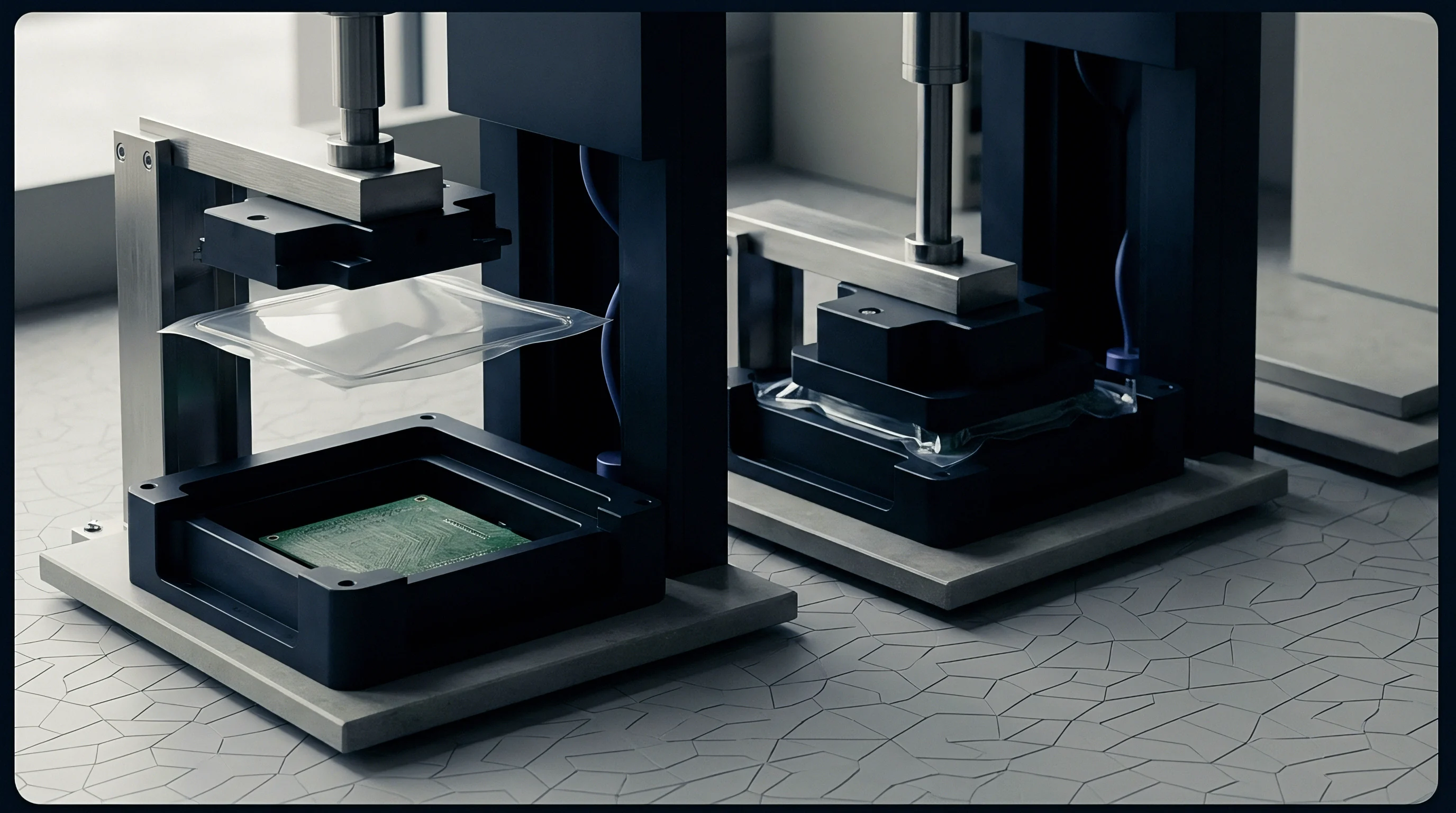
Clean-room build audits verify repository completeness. Depositing files into an escrow account provides false security unless an independent engineering team extracts the archive onto a bare-metal machine, executes the build scripts, and flashes the resulting binary onto physical hardware. Clean-room compilation audits should take place upon every major firmware milestone release to uncover missing external libraries, broken submodules, hardcoded local file paths, and undocumented proprietary build steps.
If an external build engineer cannot produce a bootable binary within four working hours, the escrow deposit fails certification.
Reviewing compilation logs line by line reveals hidden compiler warnings suppressed by careless build flags. Factory firmware teams frequently mask critical type-conversion warnings, buffer overflow risks, and uninitialized variable notices using permissive compiler switches. A rigorous escrow audit reinstates strict compiler warning checks, exposing latent code quality defects before the manufacturing relationship fractures.
Automated continuous integration pipelines ensure escrow deposits track active production firmware. Manual deposits fail because developers forget to update archives when pushing emergency bug fixes to factory lines. Modern escrow protocols integrate automated webhook triggers that mirror every tagged production release directly into the secure escrow repository, ensuring that the escrow vault holds the exact commit used during the latest production shift.
Build determinism protects downstream manufacturing continuity when source archives compile without human intervention in a standardized runtime environment.

Key
Cryptographic key management controls the execution boundary of modern microcontroller firmware. Modern microcontrollers feature hardware-enforced secure bootloaders that verify digital signatures before executing flash memory contents. If an escrow deposit contains perfect source code but lacks the cryptographic private keys used to sign the binary, the replacement factory cannot produce bootable hardware.
Silicon microcontrollers with blown security fuses will permanently reject newly compiled binaries lacking valid signatures, making the private signing key an indivisible element of the manufacturing transfer package.
Hardware Security Modules and cloud key management infrastructure complicate escrow mechanics. Factory production lines frequently pull signing credentials dynamically from remote key vaults during the final testing and flashing sequence. When an ODM terminates operations, access to those remote key servers terminates immediately.
Sourcing teams must ensure that master signing keys, root certificates, symmetric encryption keys, and provision tokens reside inside the physical escrow vault; failure to secure these assets leaves the buyer holding unbootable source code.

Why Do Bootloader Keys Break Escrow Utility?
Microcontroller hardware security architectures enforce strict cryptographic trust chains that render un-signed firmware useless on production printed circuit boards:
- Blown Electronic Fuses permanently lock the on-chip root-of-trust public key hash into one-time programmable silicon registers during initial factory provisioning.
- Secure Boot Validation executes inside hardware ROM, checking the cryptographic signature of the initial bootloader stage against the hardwired root key prior to releasing the main processor core from reset.
- Anti-Rollback Counters prevent older firmware images from executing if the internal hardware monotonic counter exceeds the revision number stamped inside the binary header.
- Encrypted Internal Flash decrypts instructions on the fly using on-chip cryptographic engines that depend on symmetric keys injected during the original factory board bring-up sequence.
Key custody procedures demand strict air-gapped protection. Storing raw private signing keys in plain text within a standard source repository introduces severe supply chain vulnerability. Escrow agreements require multi-party split-key architecture, such as Shamir Secret Sharing, where reconstructed cryptographic assets require authorization tokens from both the buyer and the escrow administrator.
This structure protects the original design manufacturer from unauthorized intellectual property theft while guaranteeing key availability during emergency default events.
Private signing keys stored in air-gapped cryptographic vaults must accompany firmware deposits to prevent production hardware from rejecting recompiled binaries.
Development keys provide an essential bridge for secondary hardware bring-up. In addition to production signing keys, escrow deposits must contain un-fused engineering sample silicon or development boards configured with open security profiles. These development units allow downstream firmware engineers to test recompiled binaries, inject debug instrumentation, and step through peripheral initialization code using JTAG and SWD hardware debuggers.
Production hardware with locked debug ports prevents real-time firmware debugging, obscuring bus collisions and memory faults.
Omitting cryptographic signing keys from escrow archives transforms fully functional source code into useless text files, forcing an expensive redesign of the hardware root-of-trust architecture across all future production batches.
Recovery
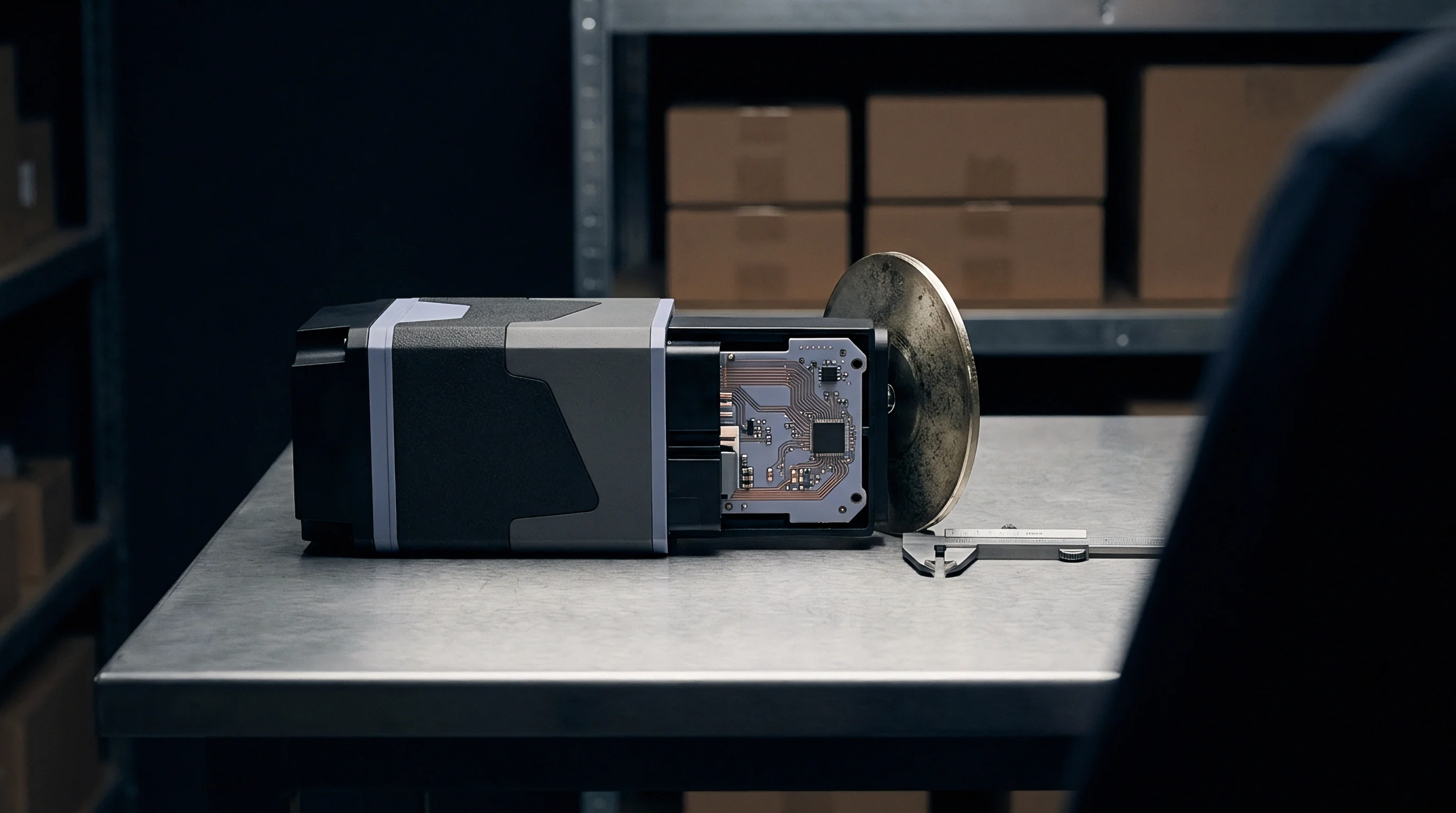
Extracting source code from escrow initiates the secondary factory bring-up sequence. The hardware engineering team must establish a localized manufacturing line capable of programming, calibrating, and testing printed circuit board assemblies. Having source code does not automatically produce functional factory test jigs; automated test equipment, RF shield boxes, bed-of-nails programming fixtures, and calibration software must all be rebuilt from the released design dossier.
Factory test firmware requires separate extraction and verification. Standard production firmware excludes specialized test commands used to calibrate radio frequency output power, tune internal crystal oscillators, and write unique MAC addresses into non-volatile memory. If the escrow archive lacks this factory test firmware, the new manufacturing facility cannot calibrate wireless radios to pass FCC, CE, and Bluetooth SIG regulatory limits.
Radio frequency calibration tables derived during initial hardware qualification must be embedded directly into production flashing scripts.

Second-Source Manufacturing Qualification Checklist
Restoring volume electronics manufacturing following supplier default follows a strict qualification path:
- Test Jig Replication rebuilds bed-of-nails programming fixtures, mechanical clamps, pogo-pin arrays, and power delivery rails from archived mechanical CAD drawings.
- Flashing Script Validation confirms automated boundary scan, bootloader injection, application flashing, and security fuse configuration across a pilot run of fifty boards.
- RF Calibration Verification validates spectrum analyzer measurements against archived golden unit radio frequency output curves within an RF isolation chamber.
- Hardware In-Circuit Testing verifies passive component tolerances, solder joint integrity, and power rail voltages prior to high-voltage flashing.
- Regulatory Pre-Scan repeats basic radiated emissions and spurious harmonics testing to confirm that the new manufacturing line preserves compliance baselines.
Traceability data structures demand careful reconciliation during recovery. Production firmware frequently tracks manufacturing date codes, factory identifiers, hardware revisions, and unique cryptographic device certificates. When shifting production to a secondary assembly facility, firmware configuration headers must be updated to reflect the new facility metadata without corrupting cloud registration protocols.
If cloud IoT platforms reject incoming device connections due to mismatched serial number ranges or invalid certificate authorities, the entire production batch remains stranded in warehouse inventory.
Flashing pilot boards using recovered source binaries and subjecting each unit to environmental thermal chamber testing between minus forty and plus eighty-five degrees Celsius confirms that the compiled codebase handles clock drift and power supply fluctuations across extreme operational envelopes. A software build that boots successfully at room temperature on an engineer desk can fail completely when thermal expansion shifts external crystal load capacitance on an industrial factory floor.
Can the secondary manufacturing facility maintain target unit yields without access to the proprietary calibration scripts originally developed by the defunct supplier?
Recourse
When an escrow archive proves defective upon release, legal claims against an insolvent design partner yield zero capital recovery. Sourcing contracts that lack strict pre-deposit technical verification leave buyers with unrecoverable breach-of-contract damages. The true cost of an empty or uncompilable escrow archive is measured in lost retail quarters, canceled distributor agreements, and emergency engineering redesign expenses.
To mitigate this exposure, procurement teams must treat firmware escrow as a continuous technical audit rather than a static legal formality.
The economic impact of recovering from an incomplete escrow deposit scales directly with product complexity. If an engineering team must rewrite firmware from scratch, non-recurring engineering costs escalate rapidly. Porting an existing application to an alternative microcontroller platform demands extensive register-level programming, driver rewriting, regulatory re-certification, and field validation testing.
A complete rewrite of complex connected device firmware easily consumes six to twelve months of engineering bandwidth, destroying product market momentum.
| Integration Model | Escrow Asset Scope | Recovery Lead Time | Typical Recovery NRE Cost | Long-Term Maintenance Overhead |
|---|---|---|---|---|
| Turnkey ODM Module | Application source, closed SDK blobs | 20 to 36 weeks | $120,000 to $250,000 | High dependence on third-party binary patches |
| Semi-Custom Architecture | Full source, modified HAL, board configs | 8 to 14 weeks | $45,000 to $90,000 | Moderate internal engineering allocation |
| White-Label Device | Top-level application scripts only | 26 to 48 weeks | $180,000 to $400,000 | Severe risk of total hardware redesign |
| Full Custom Direct Design | Complete source, toolchain, hardware design | 2 to 4 weeks | $10,000 to $25,000 | Zero external vendor maintenance dependencies |
Escrow maintenance fees represent a minor operational expense compared to the catastrophic cost of unassisted firmware re-architecture. Independent escrow agencies charge between $1,500 and $5,000 annually to hold source deposits, manage cryptographic keys, and execute automated repository sync routines. Adding third-party technical verification services increases annual escrow overhead by $3,000 to $8,000 per build milestone.
This expenditure guarantees that the deposited files compile into working machine code on demand, transforming an abstract legal document into genuine manufacturing insurance.
Hardware procurement agreements must link milestone payments to successful escrow verification audits. Sourcing managers should withhold the final ten to twenty percent of non-recurring engineering milestone fees until an independent technical auditor compiles the deposited source code in an isolated clean-room environment, flashes the resulting binary onto physical hardware, and verifies full peripheral functionality on a test fixture. Linking cash disbursements directly to verified code deposits ensures that factory firmware teams prioritize escrow completeness throughout the active design cycle.
Second-source component qualification forms the final pillar of supply chain security. Even when firmware compiles cleanly, single-sourced silicon components can stall manufacturing if supply lines break. Effective firmware architecture decouples low-level peripheral drivers from core business logic using clean hardware abstraction layers.
This architectural discipline allows downstream engineers to substitute alternative sensors, memory chips, and power management ICs with minimal code modification if the primary component vendor faces allocation shortages.
A buyer who holds verified source code, containerized compilation toolchains, production signing keys, and factory calibration scripts retains total control over product manufacturing destiny. When an overseas assembly partner goes dark, the manufacturing transfer package moves swiftly to an alternative production facility without sacrificing market momentum, regulatory certification baselines, or customer delivery commitments.