Auditing Subcontractor Fabrication Assets and Firmware Sources to Enforce Design Transfer Clauses
Auditing subcontractor fabrication assets and firmware sources requires clean-room compilation, vector validation, and milestone retainage enforcement.

Custody
Contract manufacturing transfers collapse when buyers accept production outputs rather than native design files. A contract electronics manufacturer often treats Gerber files, panel layouts, and compiled hex binaries as an entire transfer package. Those derived files allow a plant to run boards on its own lines, but leave the hardware owner unable to reroute a trace, rebuild firmware, or shift production to a second facility.
Genuine ownership requires physical and digital assets in their native editable formats, accompanied by the specific toolchains used to build them.

Physical Tooling and Fabrication Deliverables
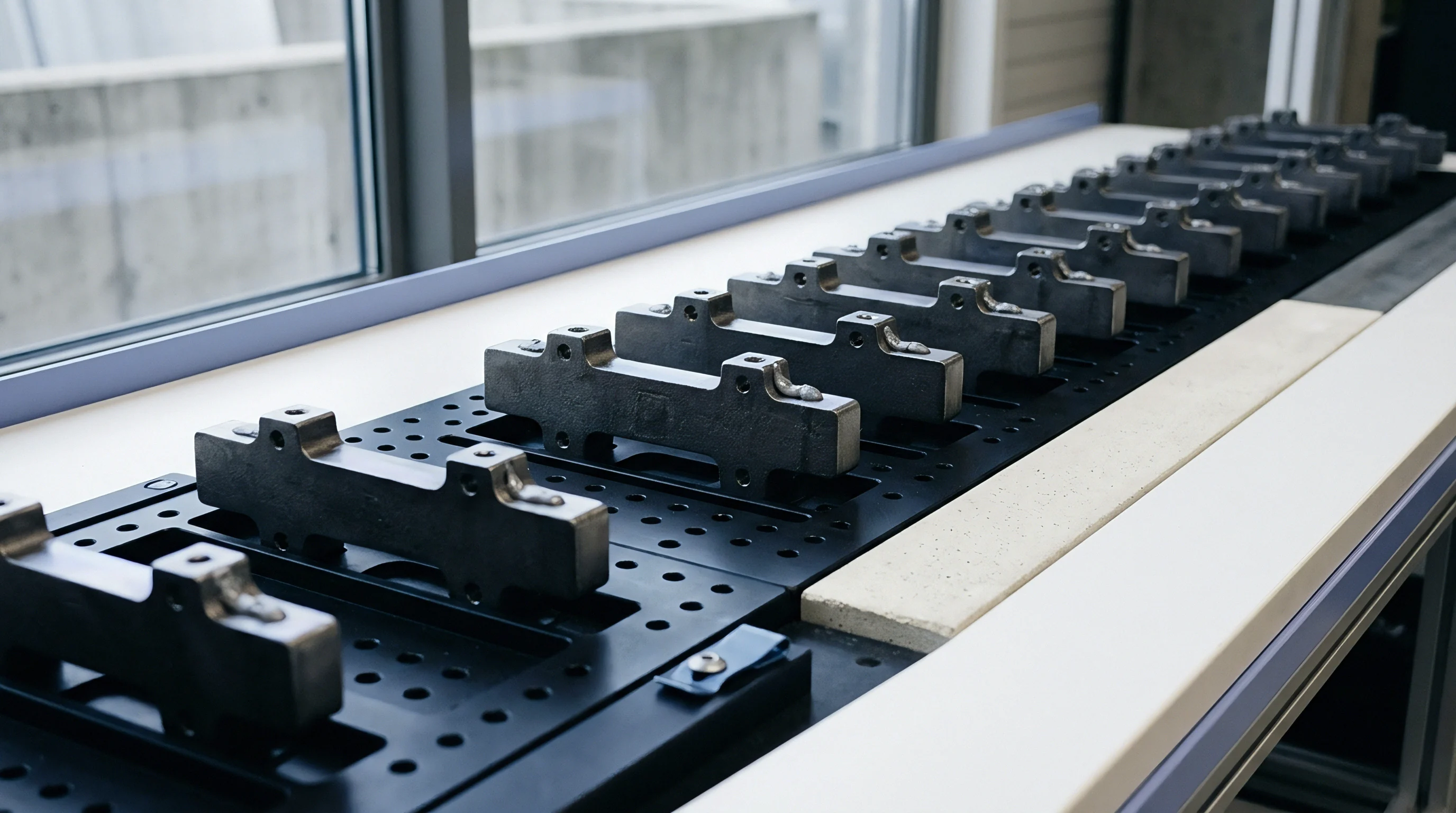
Production tooling spans both physical hardware and digital definitions. The physical inventory includes surface-mount stencils, bed-of-nails test fixtures, selective soldering pallets, and injection molds; the digital inventory covers native CAD files, source BOM spreadsheets, land pattern libraries, and panelization setups. Because stencils wear down and test fixtures require electrical schematics and wiring diagrams for routine maintenance, buyers without clear ownership clauses and physical audit rights lose control of jigs and test routines funded under non-recurring engineering fees.
Plant audits verify the physical condition, calibration, and storage of tooling paid for under development contracts. Stencils require verification of nickel-plated or laser-cut stainless steel construction alongside tension measurements recorded in Newton-centimeters. Test fixtures require inspection of spring-loaded pogo pins, interface receiver modules, and current calibration records.
An incomplete design transfer increases second-source bring-up expenditures by 35 percent when board fabrication outputs omit IPC-2581 netlists.
Digital Source Repositories and Toolchains
A software transfer package depends on its underlying version control history. Handing over a static folder of loose C files or compiled binaries does not constitute a design transfer. The repository audit inspects commit histories, branch layouts, release tags, and submodule references.
Build pipelines depend on exact compiler releases, system libraries, linker scripts, and hardware abstraction layer components.
Subcontractors must deliver containerized environment configurations, such as Dockerfiles or Nix expressions, pinning the exact compiler toolchains, build utilities, and system dependencies. The audit verifies that building from the root repository using the supplied documentation yields an executable matching the checksum of the factory-flashed binaries.
- Gerber X2 Data Sets contain board layer definitions without active CAD layout parameters, restricting simple trace modification at alternate fabrication facilities.
- Flat Binary Files omit bootloader handshake sequences, vector tables, and memory protection bits necessary for secure firmware deployment.
- Locked Flying Probe Vectors prevent target board testing on third-party test equipment without rebuilding test routines from raw schematic data.
- Proprietary Component Libraries obscure exact footprints and pad geometry parameters, causing assembly alignment errors when porting to different SMT lines.
Failing to secure raw design files leaves the buyer tethered to a single manufacturer who holds exclusive control over product revisions.


Archive
Firmware transfer relies on full source transparency and automated build reproduction. Subcontractors frequently embed proprietary routines, factory calibration algorithms, or third-party libraries into target firmware without delivering source code. Securing complete software archives demands rigorous examination of every repository commit, external dependency, and linker script involved in producing operational binaries.
Firmware Source Trees and Build Reproducibility
Containerized build environments ensure matching binary hashes across separate machines. The audit checks C, C++, or Rust source trees for hardcoded local file paths, missing headers, and unpinned repository links. CMakeLists.txt or Makefile configurations must specify explicit library paths and compilation flags.
Enabling standard compiler warnings during test builds highlights code defects and omitted includes that permissive factory settings routinely mask.
Register configurations, pin mappings, board support package routines, and low-level drivers require source reviews to ensure no closed-source static libraries sit inside the dependency chain. A single pre-compiled static library (.a or.lib format) hides critical low-level register initializations, peripheral timings, or custom encryption algorithms, leaving the hardware owner reliant on the original subcontractor for driver updates or silicon revision updates.
| Artifact Category | File Format / Repository | Verification Audit Check | Transfer Risk Factor |
|---|---|---|---|
| Application Source | Git repository with history | Bit-for-bit build matching target checksum | High if vendor submodules remain unpinned |
| Board Support Package | Native source files | Register map alignment with schematic pins | Critical if provided as static binaries |
| Bootloader Code | Source code and build scripts | Secure boot key injection and flash layout check | Critical if key generation tools are withheld |
| Production Test Firmware | Source code and test scripts | Execution on neutral development target | Medium if diagnostic routines rely on factory test rigs |
| Audit checks require clean-room execution on isolated target hardware without local vendor dependencies. | |||

Who Retains Ownership of Manufacturing Firmware Binaries?
Binary blobs generated on the production line often conceal factory-specific configuration data. Subcontractors sometimes flash proprietary diagnostic routines, test hooks, or chip-specific calibration offsets directly into microcontrollers during assembly. If these changes remain uncommitted to the central repository, the hardware owner receives source code that cannot run on freshly assembled boards.
Auditing manufacturing firmware involves dumping internal flash memory from mass-production samples collected off the assembly line. Comparing extracted flash dumps against clean-room compiled binaries reveals hidden bootloader modifications, missing security configuration bits, or untracked EEPROM parameters. Software bill of materials auditing tools map every license in the codebase, identifying GPL or open-source copyleft components that obligate complete source distribution.
Build environments frequently incorporate internal macros that factories protect as proprietary trade secrets, which directly conflicts with the buyer’s requirement for fully reproducible, exportable builds.
Solder
Circuit board design transfer demands native CAD files rather than derived CAM outputs. Board fabrication data files represent static snapshots of geometry, whereas native project files preserve design intent, net topologies, constraint sets, and parametric rules. Auditing physical layout data requires evaluating CAD schematics, PCB layout files, layer stack-up definitions, and assembly manufacturing instructions.

PCB Fabrication Source Files and Manufacturing Stack-Ups
Native board design packages contain parameter rules and pad geometry definitions. Accepting Gerber 274X or Gerber X2 files without accompanying native Altium Designer, KiCAD, or Cadence OrCAD/Allegro project files restricts future hardware modifications. They omit copper weight specifications, dielectric constant values, drill hole tolerance tables, and impedance control targets embedded inside native design databases.
The layout audit cross-checks electrical schematics against exported layout netlists using automated CAD tools. Copper layer stack-ups require evaluation for standard material availability. Subcontractors sometimes specify non-standard core thicknesses or exotic prepreg styles that optimize costs on their local supply lines but cause manufacturing delays when shifted to international fabricators.
Fabrication transfer packages must include raw layout project files alongside drill tables and layer stackup rules to enable immediate second-sourcing.
Test Fixtures and Functional Test Vectors
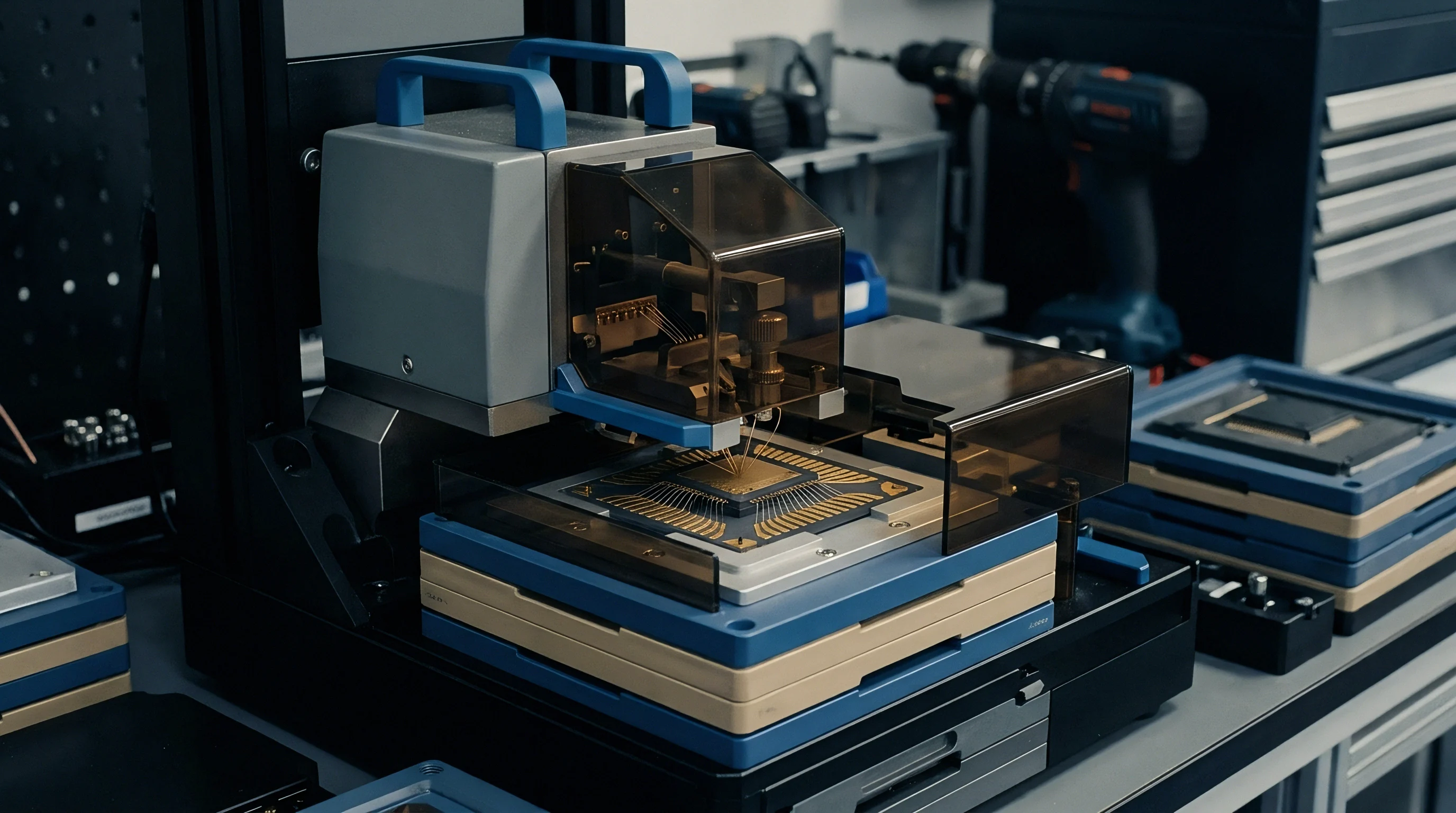
Factory testing gear requires complete mechanical and electrical documentation to allow reproduction at alternative facilities. Production testing at contract manufacturing sites relies on custom in-circuit test beds and functional test fixtures. These fixtures utilize pogo-pin receiver interfaces connected to custom driver cards, power supplies, and signal analyzers.
- Request native CAD mechanical drawings for all bed-of-nails test fixtures, including pin coordinate drill maps and probe tip selections.
- Extract complete wiring schematics detailing electrical connections between interface receivers, switching relays, and instrumentation units.
- Collect raw executable source scripts, configuration files, and measurement threshold limits for all functional testing sequences.
- Verify instrument calibration records and diagnostic self-test software routines used to maintain fixture accuracy on the manufacturing line.
- Perform test vector execution audits on neutral reference target boards to ensure measurement repeatability across alternate test stations.
A complete fabrication transfer contains every source file needed to generate bare boards without relying on subcontractor conversion scripts.

Verification
Validating design transfer dossiers requires an independent clean-room build sequence. Simply reviewing inventory file lists or checking file extensions provides zero assurance of transfer completeness. The engineering practice must instantiate a standalone build environment on fresh, network-isolated hardware and attempt to compile software sources into identical production binaries.
Physical hardware must be assembled using delivered manufacturing files at a secondary facility.
Clean-Room Build Replicability and Hash Verification
Isolated compilation environments prevent untracked local host dependencies from distorting build outcomes. The audit protocol mandates executing the complete software build sequence inside an isolated virtual machine or container without internet access. This ensures that no hidden external server dependencies or remote repositories pull uncommitted source files during compilation.
The build output produces binary images for application execution, bootloader routines, and mass-production flashing files. SHA-256 cryptographic hashes calculated from clean-room binaries are compared against binary dumps extracted from production units pulled directly off the subcontractor’s operational assembly line. Any variance in cryptographic hashes indicates uncommitted source changes, differing compiler versions, modified linker optimizations, or untracked factory calibration data.
| Asset Description | Source File / Artifact | Minimum Acceptable Format | Audit Test Method |
|---|---|---|---|
| Schematic Diagrams | Native CAD Schematic | Altium, KiCAD, or Allegro source files | Netlist export and rule checking |
| PCB Layout Geometry | Native Board Layout File | Full source CAD project with design rules | 3D CAD clearance and trace audit |
| Fabrication Drawings | Drill and Stack-up Files | IPC-2581 or ODB++ native packages | Fabricator design-for-manufacturability check |
| SMT Placement Data | Pick-and-Place File | ASCII text with X-Y coordinates and rotation | Feeder layout match on SMT line simulator |
| Test Vector Suite | Test Script Source Code | Uncompiled Python, LabVIEW, or C files | Execution on neutral test rig target |

Target Bring-Up on Neutral Hardware
Physical board bring-up on a fresh manufacturing line confirms that layout files match production reality. Clean-room verification extends past software compilation into physical bare-board fabrication and component assembly. The transferred fabrication kit is submitted to a second, neutral board fabricator to produce a sample batch of bare circuit boards.
These bare boards are populated using delivered pick-and-place files and bill of materials spreadsheets on a neutral assembly line.
Assembly operators run placement, reflow soldering, and visual inspection exclusively from the transfer documentation, which quickly exposes missing vector files or incomplete setup instructions. Functional test routines delivered in the transfer package are executed on newly assembled hardware units. Successful bring-up occurs only when second-source boards pass all functional verification metrics without requiring engineering intervention or subcontractor clarifications.
Section 8.2 of the standard manufacturing agreement assigns sole intellectual property ownership of generated test binaries to the buyer upon final engineering acceptance.
Standard transfer clause 12.4 stipulates that engineering sign-off occurs only after an independent facility produces identical binary outputs from delivered repository files.

Registry
Managing component lists across transfer boundaries determines supply chain autonomy. A contract manufacturer often optimizes bills of materials for their local component distribution agreements, introducing internal part numbers, custom Reel packages, or regional sub-tier component vendors. Design transfers require resolving these localized component references back to universal, globally procurable manufacturer part numbers.
Component Ownership and Alternate Part Qualification
Bill of materials documentation requires explicit part numbers alongside qualified secondary equivalents. Subcontractors sometimes register internal house numbers on production bills of materials. This practice obscures actual component origins and masks single-source risks.
The component audit demands replacing internal distributor SKUs with exact primary manufacturer part numbers, manufacturer names, and secondary approved alternate components.
Passive components require explicit specification of footprint sizes, tolerance percentages, temperature coefficients, voltage ratings, and dielectric types. Active ICs require pin-compatible alternate qualifications verified through parametric testing. The component engineering team audits the software bill of materials to identify end-of-life status, long lead-time risks, and single-source dependencies that threaten ongoing device production.
Source files must explicitly link layout footprint symbols with standardized component databases to preserve engineering intent during vendor migrations.
Engineering Change Order Auditing and Lineage
Production revisions implemented on the assembly floor frequently drift from host design records. Assembly line engineers routinely apply manual component swaps, trace cuts, jumper additions, or passive value adjustments to resolve yield issues during mass production. These changes are documented in factory-internal engineering change orders that fail to migrate into host drawing archives.
- Engineering Change Notification Records specify exact historical dates, rationales, and approval authorities for physical board modifications.
- Marked-Up Assembly Drawings highlight manual trace cuts, wire jumpers, and modified component mounting orientations executed on the assembly floor.
- Component Substitution Logs record alternate passive and active part swaps authorized during component shortage events.
- Production Yield Reports document historical failure Pareto distributions that reveal underlying layout weaknesses or tight tolerance limits.
Whether contract electronics manufacturers will ultimately accept unified bill of materials schema standards across competing production lines remains an open question for global hardware buyers.
Remedy
Contract clauses protecting design ownership depend on commercial holdbacks for enforcement. Subcontractors possess little incentive to compile complete transfer packages after receiving full payment for development services. Protecting buyer interests requires structuring payment terms that retain substantial non-recurring engineering fees until complete transfer validation succeeds.
Milestone Payments Tied to Audit Sign-Off
Financial retainage structure aligns subcontractor incentives with complete deliverable handovers. Development contracts should distribute non-recurring engineering payments across distinct progress milestones, withholding twenty to thirty percent of total project fees until final design transfer verification completes.
Consider a custom module program with a $150,000 non-recurring engineering budget. Milestone payment schedules allocate funds across preliminary schematic review, layout release, prototype delivery, and final mass-production transfer sign-off. Retaining $30,000 to $45,000 pending successful clean-room build verification and second-source target bring-up ensures that the subcontractor dedicates necessary engineering hours to organizing source code, documenting test procedures, and releasing clean design assets.

Enforcing IP Escrow and Transfer Default Clauses
Third-party software vaults hold source code during active production agreements. Intellectual property escrow agreements protect buyers against subcontractor financial insolvency, breach of contract, or operational refusal to transfer files. Escrow deposits must contain native source repositories, toolchain configurations, build scripts, test vectors, and production documentation updated quarterly during mass production.
Default clauses trigger explicit release conditions. If a subcontractor fails to meet contractual quality targets, misses production schedules, or unilaterally increases unit pricing beyond agreed caps, the escrow agent releases full design transfer archives to the buyer. Legal contracts must stipulate liquidated damages per day of delayed transfer deliverable submission following default notification.
Holding twenty percent of non-recurring engineering fees until clean-room target bring-up succeeds enforces compliance without litigation.