Meaning
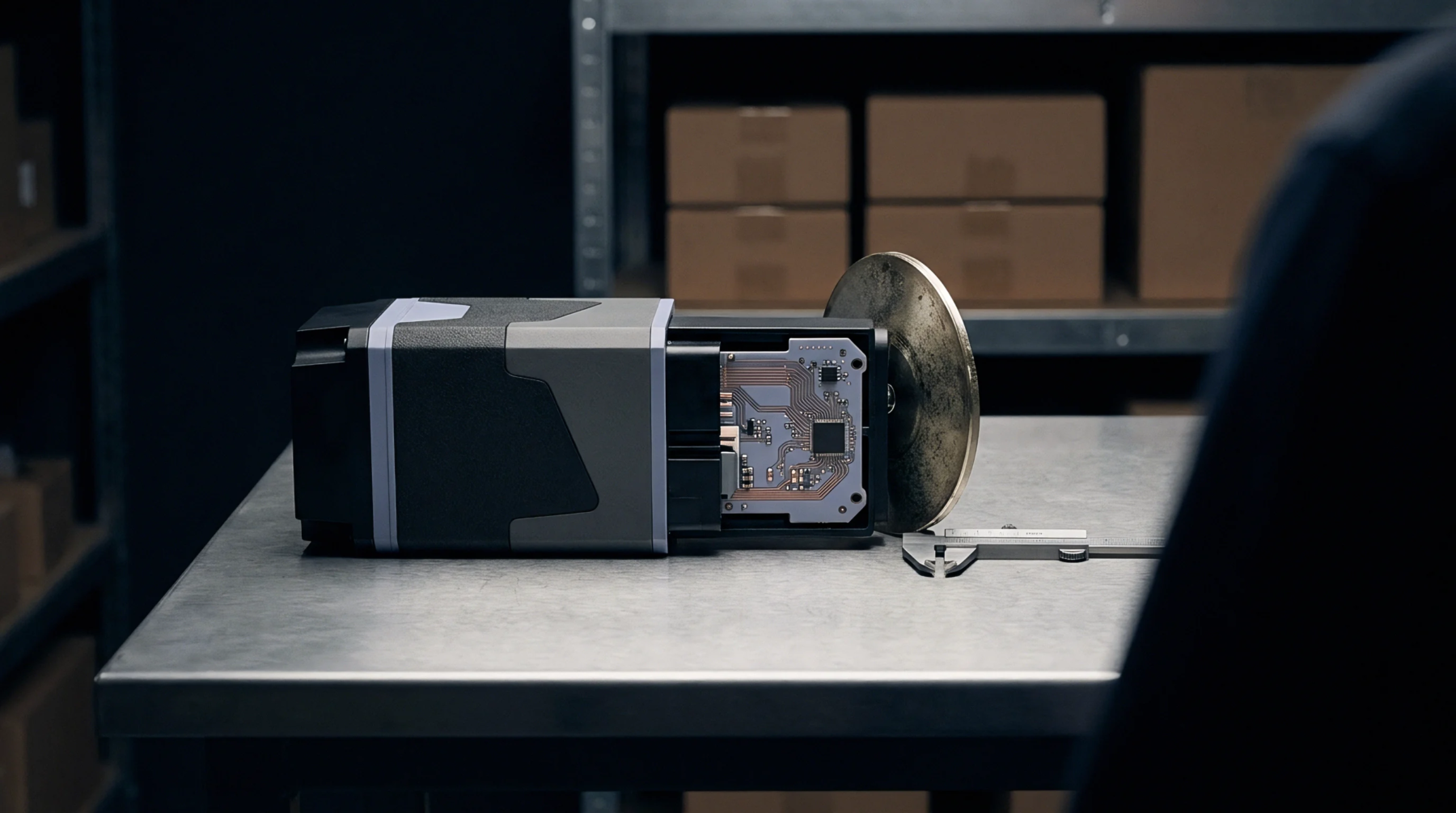
Source code deposit held by a neutral third party protects the intellectual property rights of a connected device vendor while ensuring factory continuity for the buyer if the supplier ceases trading. Firmware escrow establishes a legal and technical mechanism requiring binary images, compilation toolchains and decryption keys to pass into secure custody before production release. Manufacturing halts or corporate insolvency triggers the release conditions, granting the original equipment manufacturer access to necessary maintenance assets without violating licensing agreements.
The procedure applies exclusively to proprietary embedded software binaries tied to specific microcontrollers and radio frequency modules, terminating once the hardware reaches end-of-life status.
Binary Verification
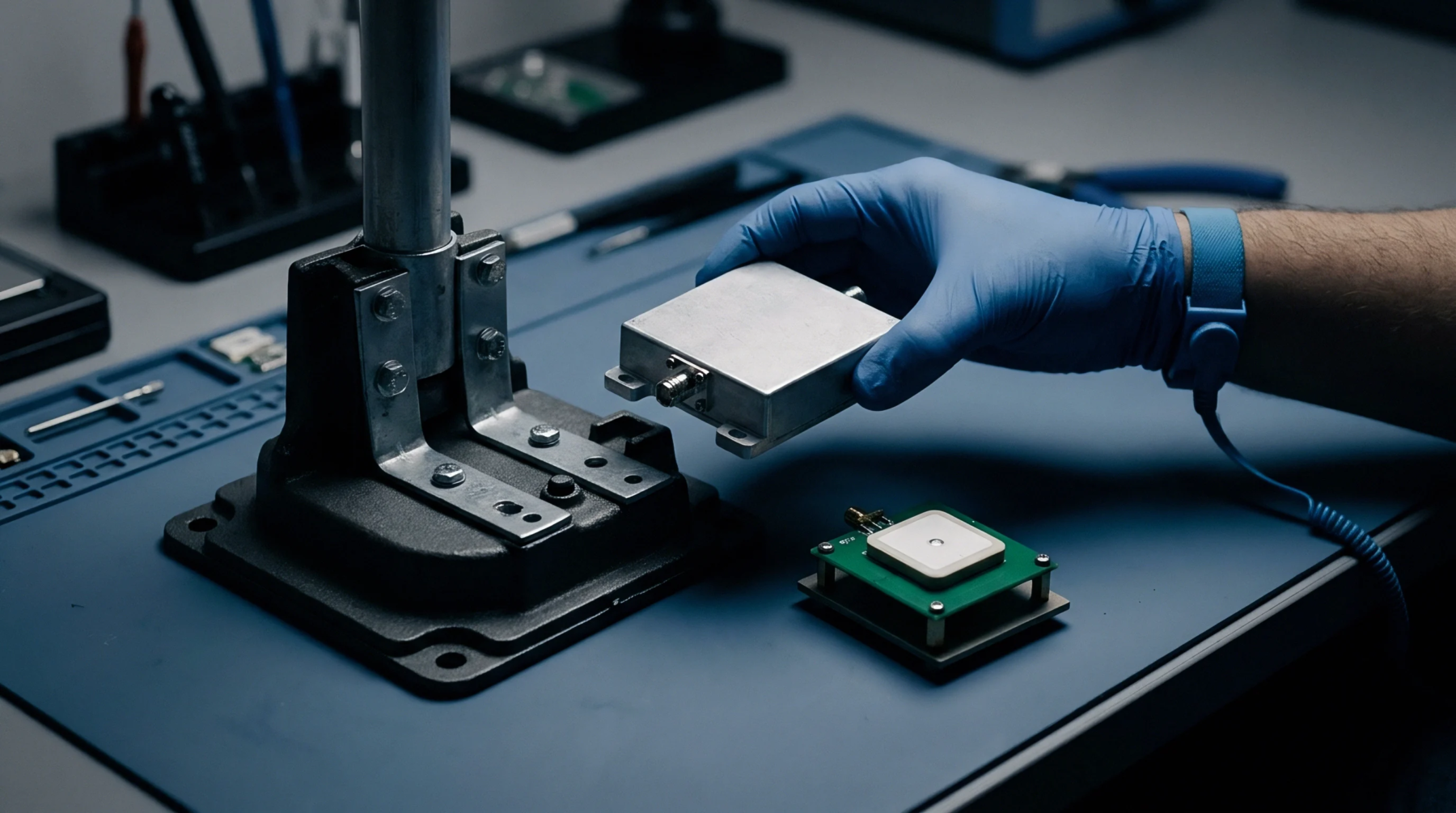
Deposit validation confirms that submitted archive files match the exact machine code flashed onto production printed circuit boards during factory programming. Cryptographic hashes generated from compiled binaries provide a verifiable checksum stored alongside source archives within the holding facility. Laboratories test these deposited images by flashing sample radio modules to prove that recovery protocols restore full transceiver calibration and regulatory compliance parameters without missing dependencies.
Release Protocol
Contingency activation depends on documented insolvency events, bankruptcy filings or contractual breach notifications verified by the escrow agent. Buyers submit legal proof of default to trigger the conditional release of decryption keys and build scripts necessary for independent maintenance. Delays in releasing secured assets can stall hardware deployment schedules, prompting strict adherence to pre-negotiated arbitration timelines specified in the original supply agreement.
Storage Security
Physical custody of deposition media demands air-gapped storage vaults with restricted biometric access to prevent unauthorized extraction of sensitive microcode. Encryption keys securing the binary archives remain split among multiple escrow officers, requiring independent authorization shards to reconstitute the decryption routine. Extended retention periods require periodic media migration to prevent bit rot on magnetic tapes or optical storage media housing the proprietary codebases.