Meaning
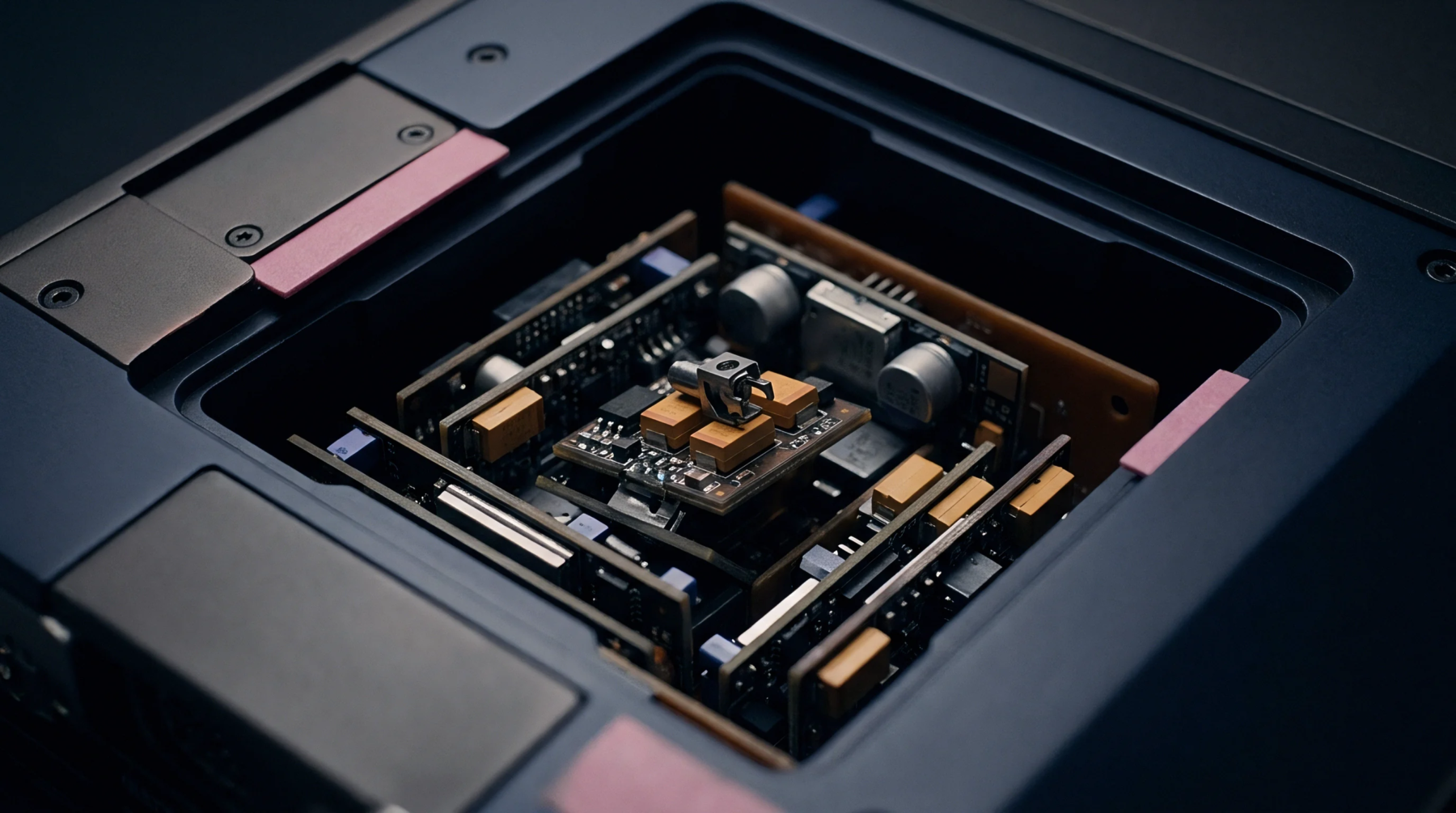
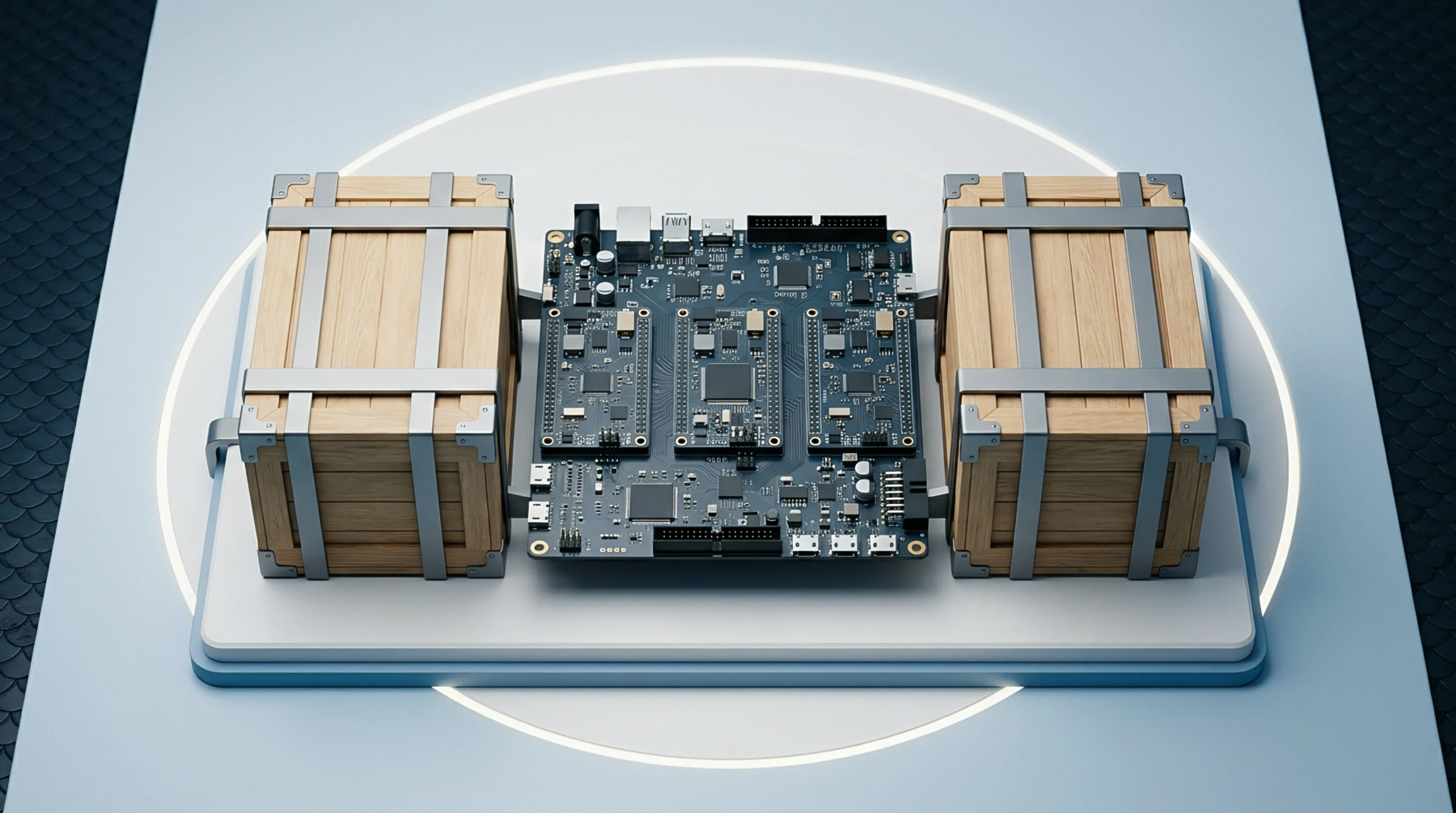
Preliminary software instructions verify hardware functionality during the manufacturing stage of electronic components. Test firmware executes specific diagnostic routines to validate circuit continuity, memory addressability, and peripheral responsiveness before the final product code receives permanent installation. It exists strictly within the production environment to isolate assembly defects from logic errors.
Validation Logic
Diagnostic algorithms within test firmware target individual board traces and voltage regulators to detect shorts or open circuits. Operators load these temporary files onto bare metal processors during the primary power-on sequence. Successful execution confirms that the Printed Circuit Board assembly hardware satisfies initial electrical tolerances.
Missing pin connections or faulty oscillators cause the boot sequence to hang or return specific error codes to the workstation.
Integration Interface
Communication protocols like JTAG or serial debugging ports allow test firmware to report granular data back to the verification host. Engineers analyze this information to calibrate sensors and verify clock frequency stability. The binary size remains small to ensure rapid loading times over slow factory buses.
Once the sequence completes, the system wipes the temporary instructions to prepare the board for final functional programming.
Deployment Boundary
Operational usage for this software terminates immediately once the production line clears the physical assembly for shipment. It does not contain user features or communication stacks intended for the end consumer. Firmware of this nature functions only as a gatekeeping mechanism that differentiates defective silicon from reliable hardware.
Quality control relies on these transient instructions to establish a baseline of physical reliability for every shipped unit.