Meaning
Radio frequency architecture captures transient signal characteristics through synchronous sampling across discrete temporal intervals rather than traditional frequency conversion stages. A time-domain receiver preserves phase relationships directly from intermediate analog signals by digitizing waveforms immediately following front-end filtering. This digital conversion sequence eliminates local oscillator phase noise accumulation during heterodyne downconversion steps.
Production test benches validate receiver sensitivity against thermal noise floors during final printed circuit board qualification. Manufacturing compliance depends on establishing consistent aperture jitter measurements within the analog-to-digital converter stage prior to system integration.
Sampling Mechanics
High-speed clock distribution networks govern timing accuracy across multi-channel receiver modules during high-frequency data acquisition phases. Clock jitter introduces phase uncertainty that degrades signal-to-noise ratios during high-bandwidth pulse reconstruction procedures. Board designers mitigate thermal drift by mounting precision crystal oscillators near front-end sampling components inside sealed enclosures.
Factory calibration routines compensate for channel skew variations introduced by microstrip trace length disparities on multilayer circuit boards.
Thermal Budget
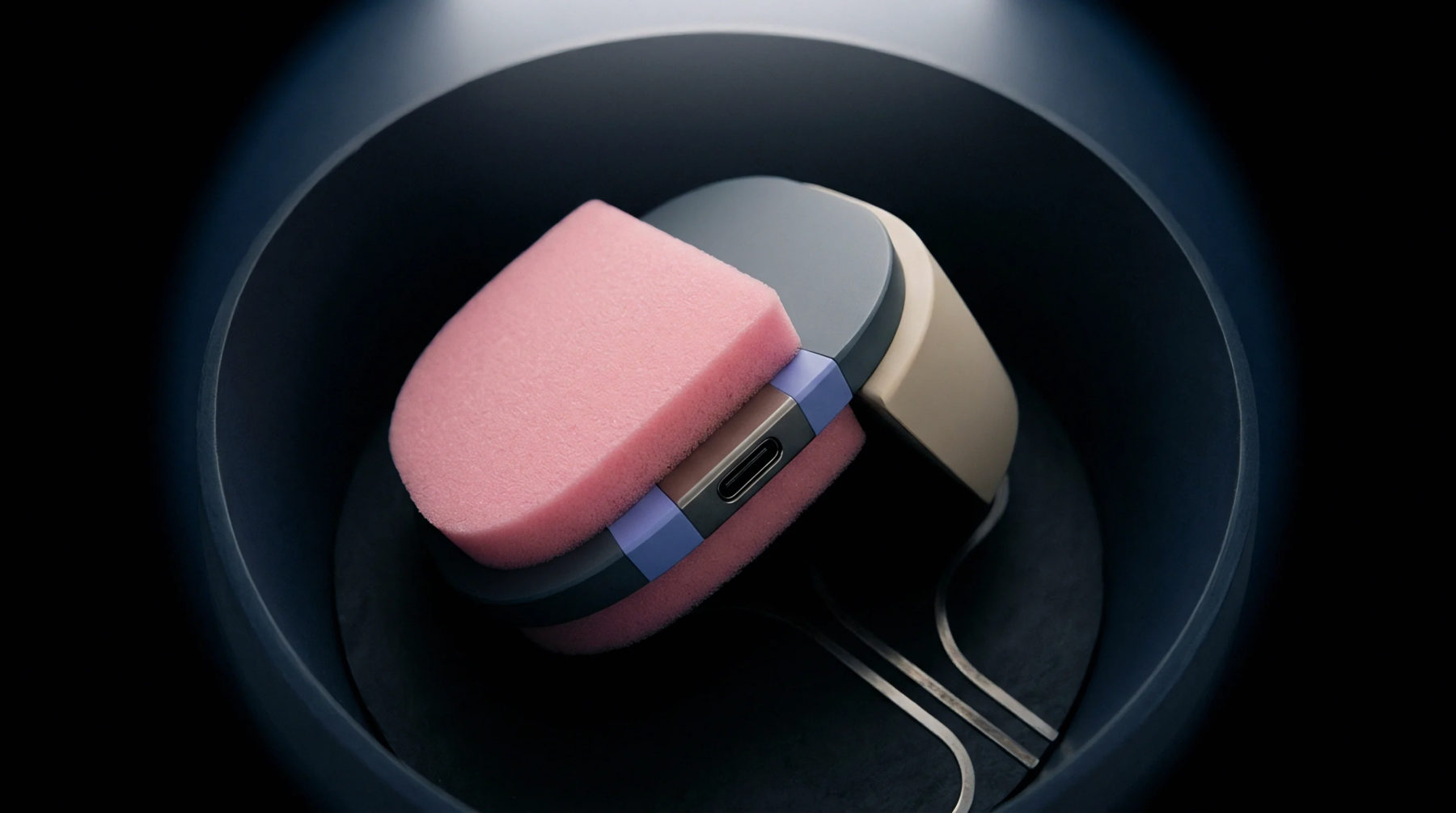
High-density digital signal processing chips dissipate substantial thermal energy inside constrained metallic housings meant for outdoor deployment. Enclosure designers calculate junction temperature limits to prevent semiconductor degradation during continuous operation under maximum load conditions. Passive cooling structures transfer internal heat loads toward exterior mounting plates through thermally conductive interface pads.
Thermal cycling qualification tests expose fully assembled receiver units to extreme temperature gradients to verify solder joint reliability over extended operational lifespans.
Component Qualification
Procurement teams verify component reliability data against strict manufacturer specifications before authorizing parts for production assembly lines. Vendor qualification processes require statistical verification of phase noise performance across authorized operating temperature ranges. Assembly plants reject semiconductor batches failing dynamic range thresholds during automated board-level screening procedures.
System integration success relies on maintaining strict electrical isolation between sensitive analog front-end circuits and noisy digital processing subsystems.