Meaning
Rework procedure documentation governs modification limits for assembled printed boards through standardized wire replacement and trace repair methods. Industry technicians apply ipc-7711 protocols when removing surface mount components from densely populated connectivity modules without lifting adjacent copper pads. The boundary of applicability ends at structural laminate damage, because base material delamination requires complete factory scrapping rather than field rework.
Production facilities adopt this specific directive to salvage high value assemblies before final environmental stress screening begins.
Thermal Budget
Operator training emphasizes temperature profiling during localized heating cycles to prevent mechanical stress fractures within ceramic chip carriers. Hand soldering tools transfer energy through specialized tips matching component geometry during desoldering operations. Excess heat degrades the internal resin matrix of multi layer substrates, causing micro cracks along plated through holes.
Production supervisors monitor dwell times closely to keep thermal exposure below the glass transition temperature of the epoxy material.
Component Replacement
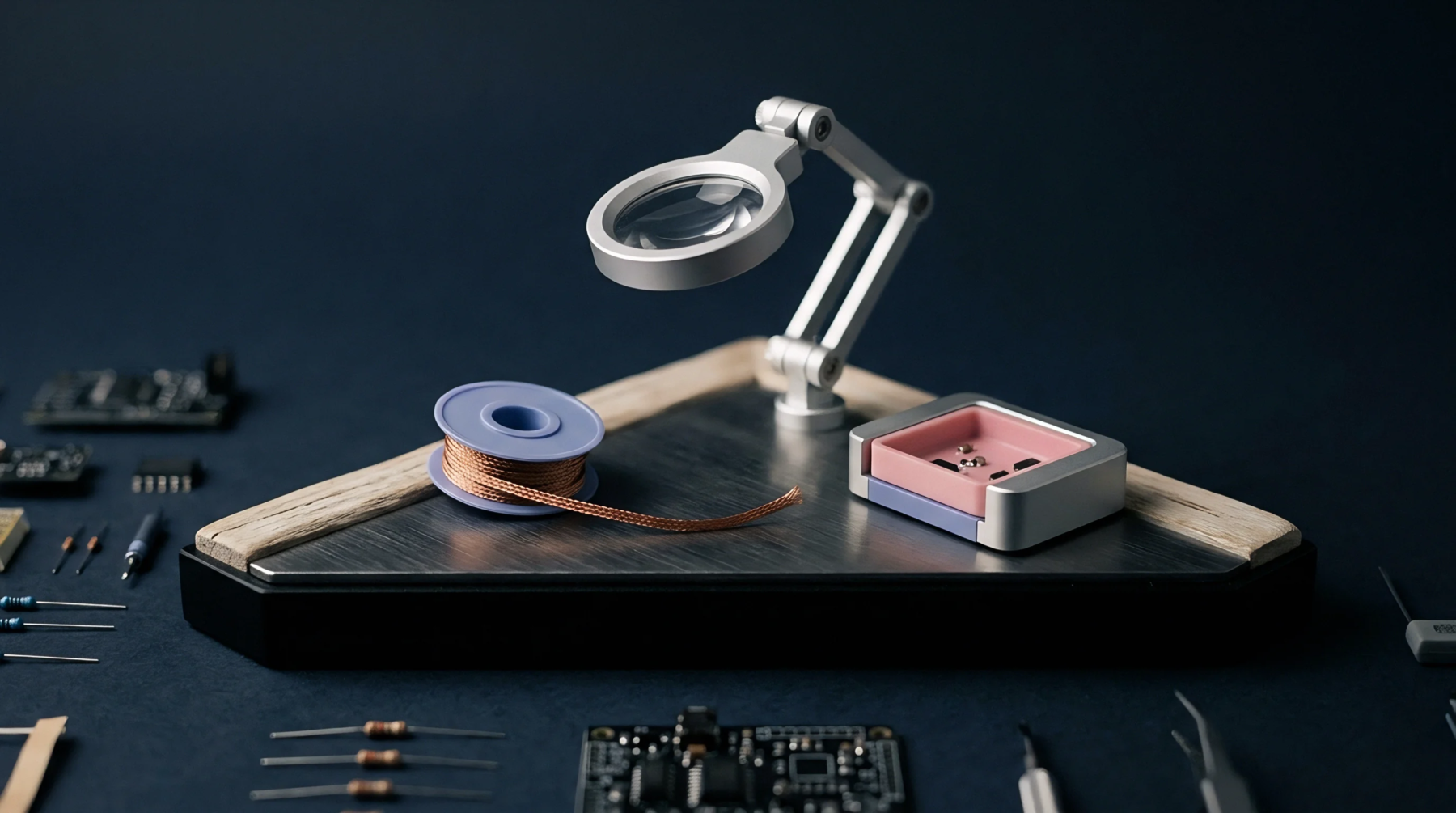
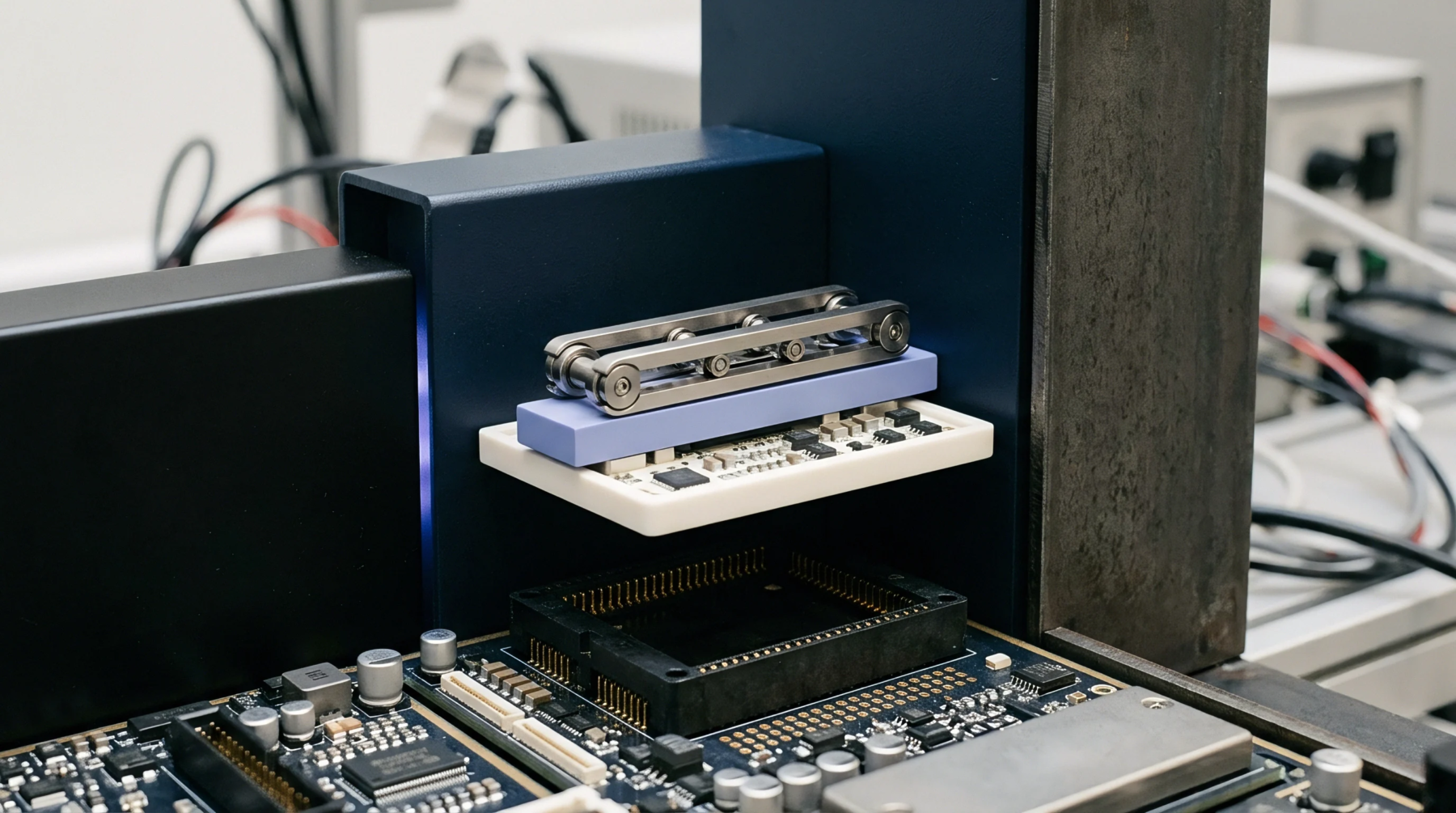
Extraction techniques rely on controlled hot air delivery systems that melt solder joints uniformly across all terminations simultaneously. Technicians clean residual alloys from landing pads using braided copper wicks combined with low temperature fluxes. New parts align manually under stereo microscopes before placement onto fresh adhesive or solder paste deposits.
Final reflow completion triggers immediate optical inspection to verify correct fillet formation and lead co planarity.
Quality Verification
Acceptance criteria demand zero bridging between adjacent pins and complete absence of intermetallic voids within repaired joints. Inspectors check cleaned areas for chemical residue accumulation that might cause electrochemical migration during active field deployment. Test engineers subject salvaged units to vibration profiling to confirm mechanical integrity meets initial factory standards.
Successful completion of this audit allows the finished assembly to pass final customer handover inspection.