Meaning
A formal diagnostic methodology identifies the singular point of failure within a complex system by tracing physical anomalies back to their generative source. Practitioners utilize root cause analysis to distinguish underlying systemic flaws from the symptomatic outputs that appear during device operation. The process stops when the investigator reaches a condition that, if corrected, prevents the specific failure from repeating.
It relies on iterative questioning to move through causal layers, starting from a detected fault and proceeding to the latent organizational or mechanical trigger. Engineers perform this work during the failure analysis stage of product development or post-production quality review. A failure report provides the evidence for this inquiry, documenting the environmental conditions and electrical stressors present when the hardware ceased to perform its intended function.
Diagnostic Logic
Fault tree generation acts as a primary tool for mapping the relationship between observed deviations and their origins. This structure forces the analyst to categorize potential contributors into hardware, software, or human interaction domains before narrowing the scope. Effective investigators avoid the trap of stopping at human error, instead questioning why the system allowed the mistake to occur.
By isolating the exact component degradation or logic loop conflict, the team gains the data needed for a permanent engineering change. Each branch of the tree requires empirical validation, often through destructive testing or controlled simulation of the failure state. Precise identification ensures that the subsequent mitigation plan addresses the mechanism itself rather than modifying secondary parameters that keep the system running despite the latent defect.
Hardware Calibration
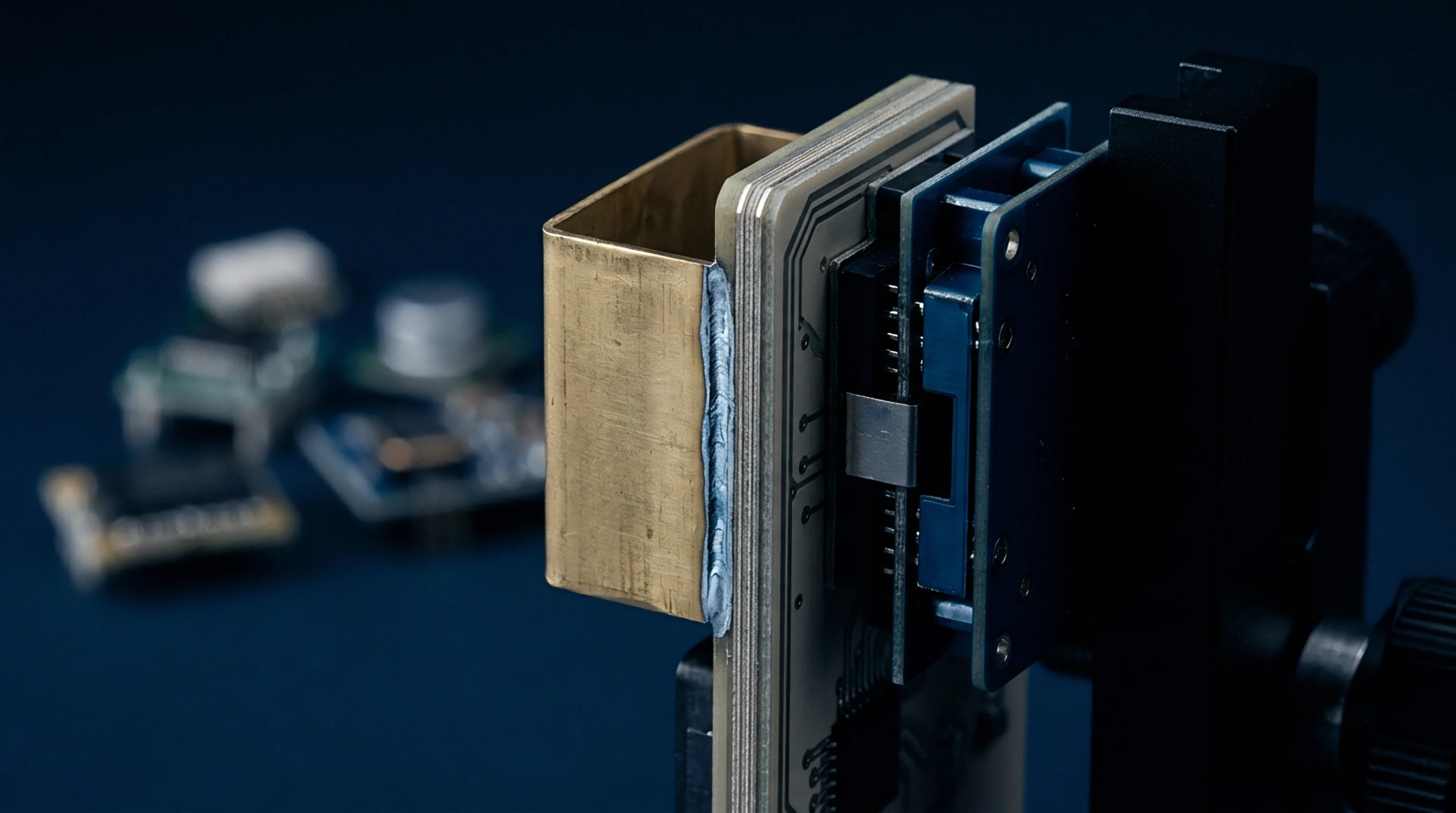
Circuit boards and sealed enclosures present specific physical constraints that dictate the feasibility of a physical intervention. Designers compare the thermal budget against the power dissipation of a component to determine if excessive heat acted as the initiator for a material breakdown. When a module fails under load, the test laboratory evaluates the interface between the substrate and the lead finish to confirm that oxidation or stress fractures did not compromise the electrical path.
A component rating serves as a benchmark for this verification, providing the limit beyond which the device loses its functional integrity. Reliability engineers inspect the solder joints and interconnects for signs of fatigue that correlate with the operational history recorded in the firmware logs. They correlate the physical state of the hardware with the time-stamped entries in the event management register to establish a timeline of degradation.
Mitigation Validation
Final sign-off relies on the successful verification of the corrective action under identical environmental stress profiles. A manufacturer validates the change by subjecting a batch of updated modules to the same vibration and thermal cycling that triggered the initial inquiry. Success requires the disappearance of the original failure mode without the introduction of new dependencies within the signal path.
The closure of the investigation signifies that the product design now meets the established performance criteria for deployment. Corrective action represents the final output of this rigorous inspection cycle, anchoring the reliability of the system to a verified and repeatable engineering standard.