Meaning
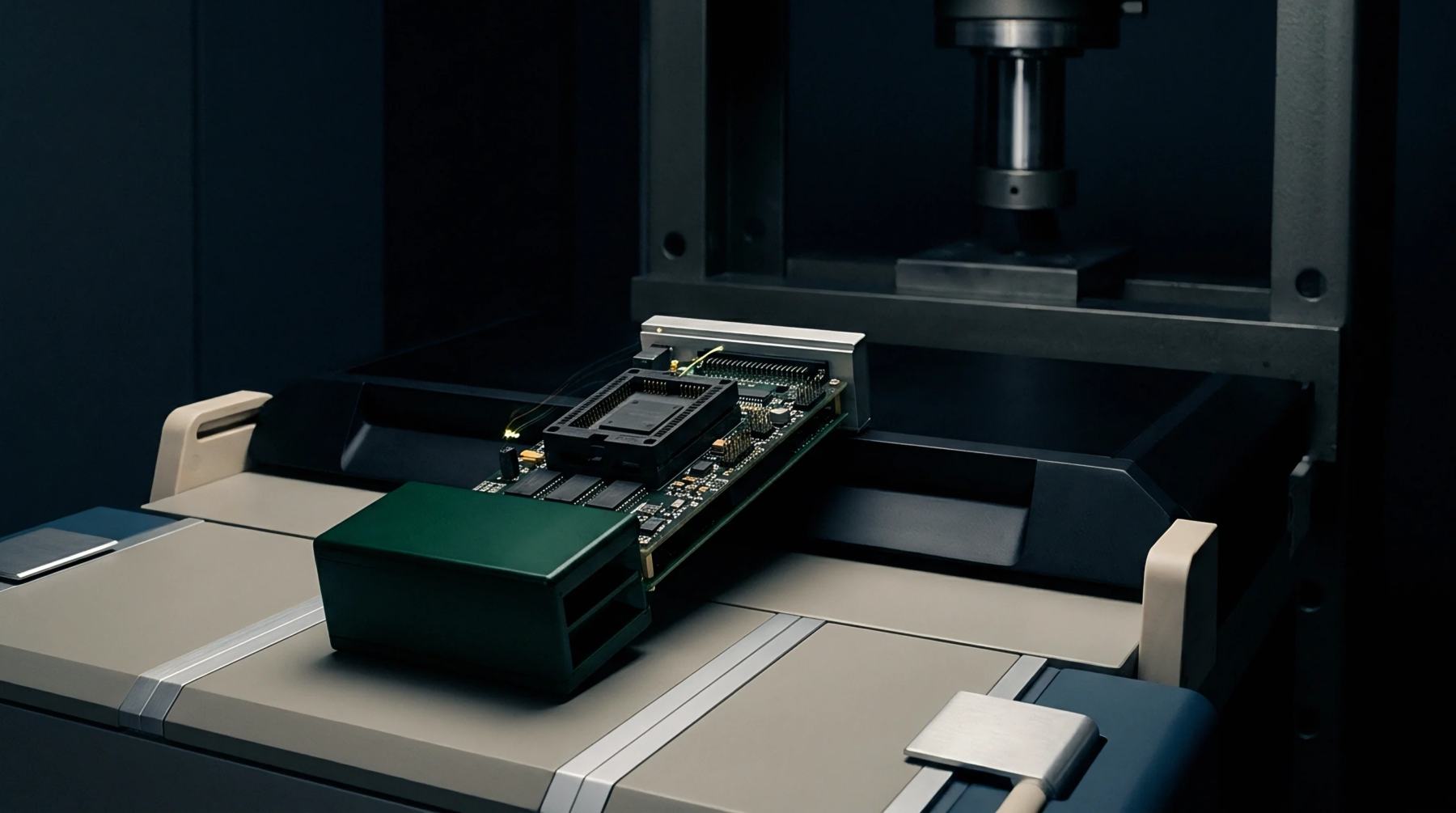
Physical degradation mode known as barrel cracking occurs when high internal pressure exceeds the yield strength of a cylindrical metal container, resulting in longitudinal wall splitting. Destructive failure typically originates at microstructural inclusions or deep tool marks left during manufacturing. Material ductility dictates whether the breach propagates rapidly into a catastrophic rupture or halts once hoop stress drops below the ultimate tensile strength.
Thermal Budget
Operation inside extreme temperature envelopes accelerates the susceptibility of a housing to structural failure. Thermal expansion mismatches between internal potting compounds and outer metal walls induce cyclic fatigue during rapid thermal shock testing. Mechanical engineers calculate these boundary conditions by cross-referencing coefficient differentials against anticipated peak operating wattages.
Interface Tolerance
Clearance fits between printed circuit board assemblies and surrounding metal shields prevent mechanical binding during high vibration events. Tight assembly tolerances restrict radial movement, which minimizes impact forces that otherwise initiate microfractures along interior walls. Quality inspectors verify these dimensional limits using air gauging systems before final enclosure sealing.
Qualification Protocol
Component verification requires exposing sealed enclosures to hydrostatic burst pressure testing to confirm structural margin compliance. Laboratories record pressure versus volumetric expansion curves during the test sequence to identify the exact yield point of the housing. Buyer acceptance depends entirely on the sample sustaining pressure levels fifty percent above maximum working pressure without developing structural leakage.