
Ground Plane Continuity Rules for Modular Transceiver Integration
Unbroken ground planes beneath RF traces and tight stitching via spacing eliminate parasitic slot radiation and prevent costly regulatory chamber retests.
Unbroken ground planes beneath RF traces and tight stitching via spacing eliminate parasitic slot radiation and prevent costly regulatory chamber retests.
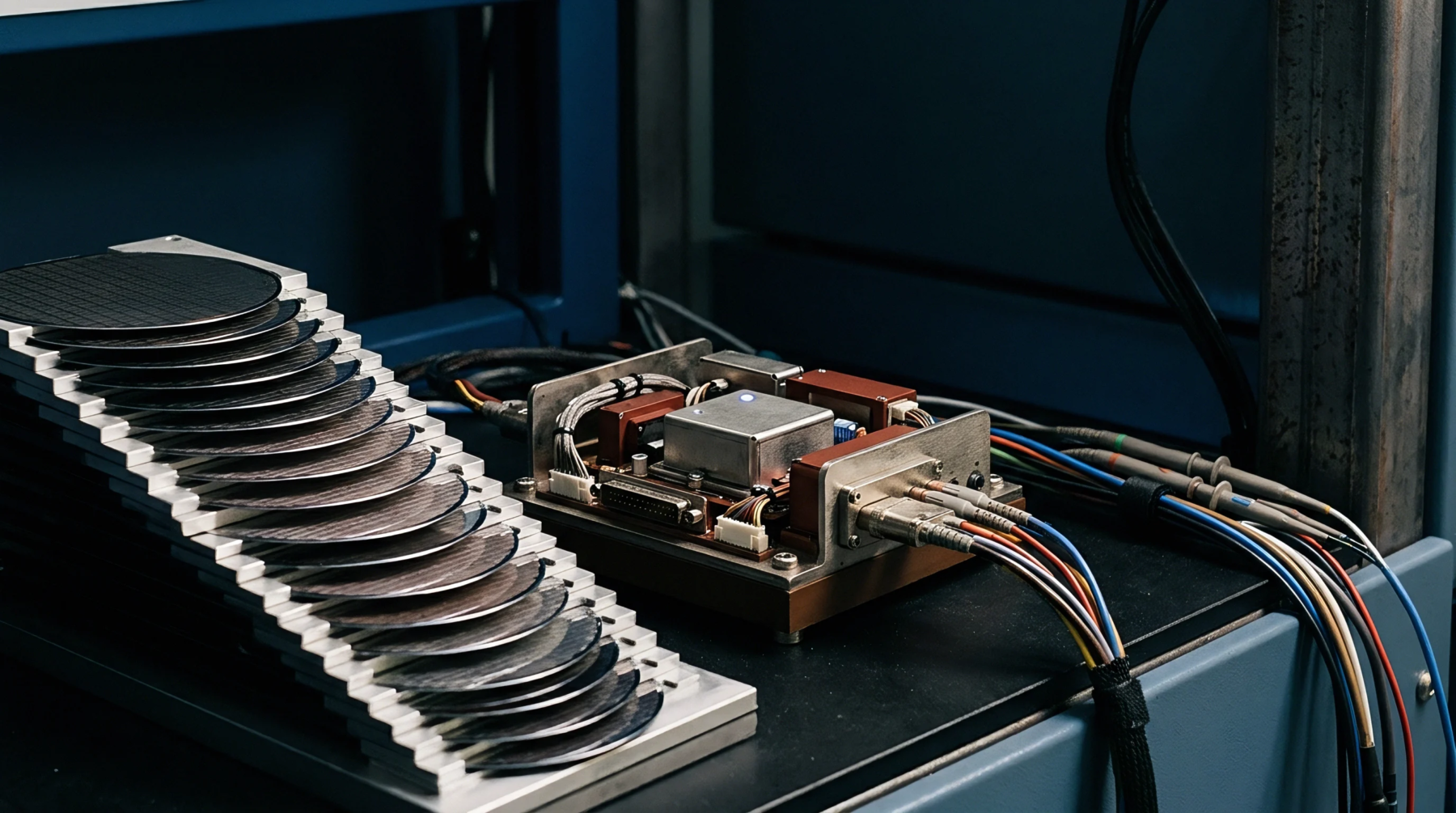
Ground allocation liability across hardware integration tiers requires explicit interface control documents defining return path impedances and chassis bonds.
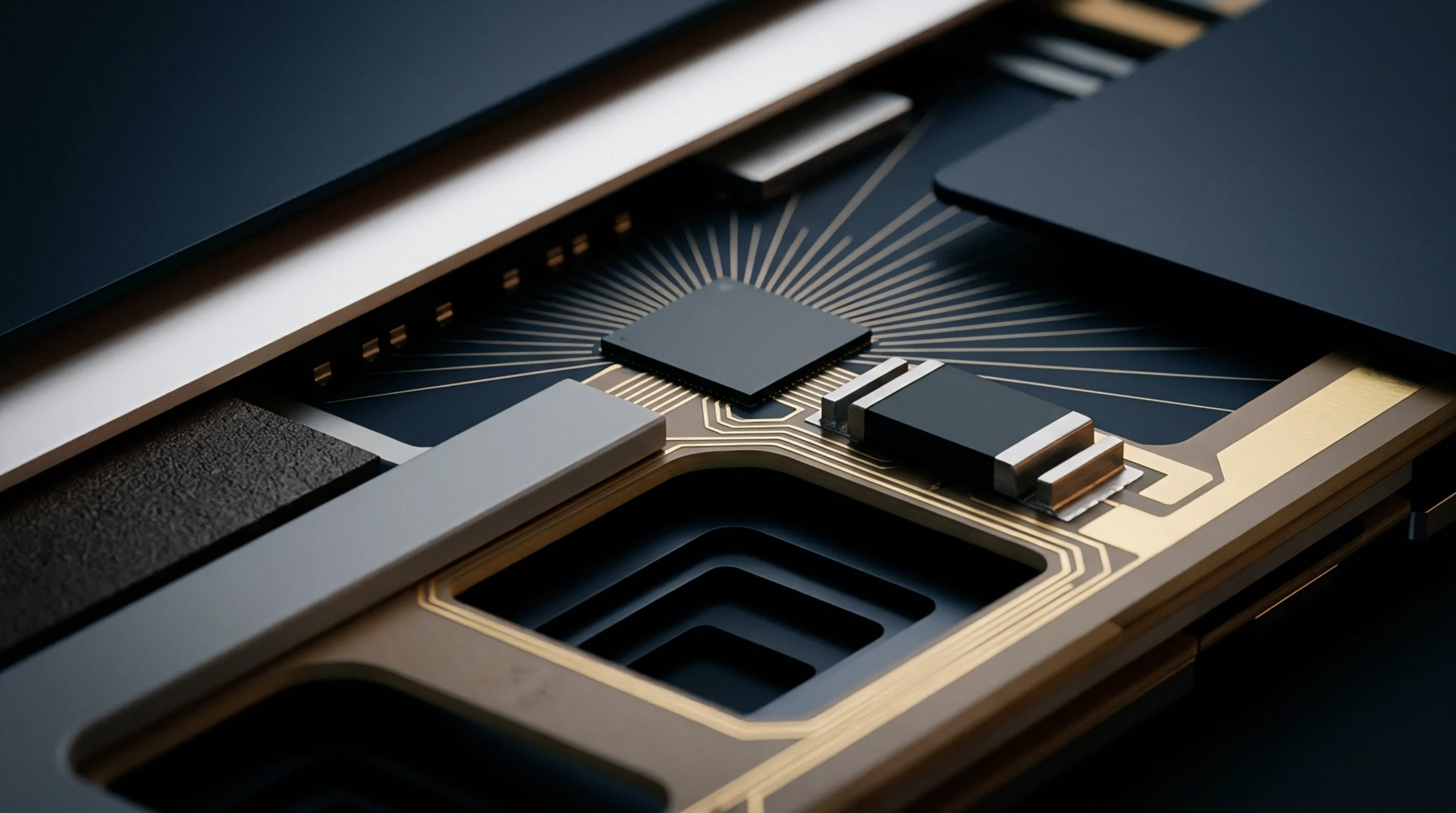
Die shrink equivalence demands full 3D electromagnetic loop extraction to prevent high-frequency current loop displacements from causing transient rail failures.

Initial contact resistance degradation in RF test sockets increases insertion loss and alters impedance matching, requiring dry-circuit Kelvin monitoring.

Choosing between radio modules and discrete layouts balances upfront NRE fees and compliance testing against per-unit BOM costs and production volume thresholds.

A test fixture statement of work must specify pin contact physics, calibration traceability, measurement uncertainty budgets, and native design deliverables.
Expertise is a utility, not a secret. sentiention™ publishes its working knowledge as open reference: intelligence layer covering the materials it sources, the markets it enters, and the reference that serves both.