
Designing Transfer Dossiers for Dual-Sourcing Electronics Manufacturing Lines
A dual-sourcing transfer dossier must couple native CAD data and stencil apertures to unified test firmware to prevent process drift between factories.
A dual-sourcing transfer dossier must couple native CAD data and stencil apertures to unified test firmware to prevent process drift between factories.

Module integration levels dictate engineering ownership, file transfer rights, firmware access, and long-term landed cost metrics across production lifecycles.

Locking turnkey bills of materials requires cryptographic file hashing, explicit manufacturer part numbers, and strict contractually enforced engineering change approval protocols.

Structure turnkey agreements with mandatory PCN windows, escrowed native design files, capped respin NRE, and explicit component storage liabilities.
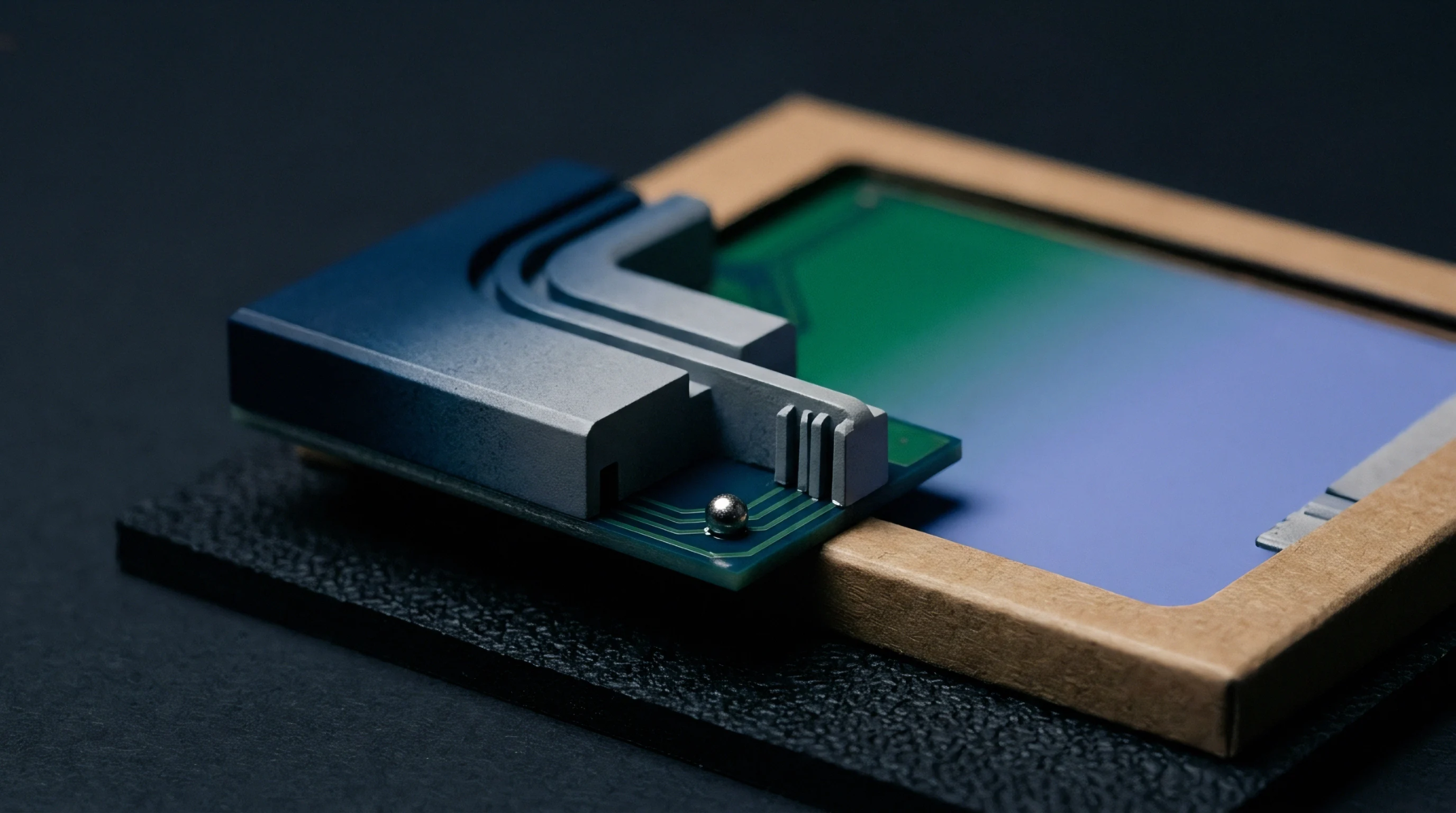
Dynamic firmware abstraction protocols and standardized test jigs eliminate operational failures caused by asynchronous silicon errata across alternate factories.

Asset valuation baselines for electronics design transfers require native ECAD databases, uncompiled firmware source trees, and audited factory test tooling.

Optimal volume split modeling balances factory fixed cost overhead against country duty rates to minimize landed module cost.

Post-production change control requires frozen revision baselines, strict PCN risk classification, delta testing, and explicit contractual cost allocation.

Uncoupling engineering charges from unit component costs prevents perpetual margin penalties and secures design ownership for secondary factory transfers.

Auditing transfer packages demands verifying native CAD files, bit-for-bit firmware build parity, ATE jig calibration logs, and ECN histories before tooling.

Validating factory fabrication packages for multi-sourced wireless modules requires IPC-2581 layer mapping, netlist verification, and RF calibration parity.
Expertise is a utility, not a secret. sentiention™ publishes its working knowledge as open reference: intelligence layer covering the materials it sources, the markets it enters, and the reference that serves both.