
Selecting Sub Gigahertz Radio Modules for Indoor Penetration
Sub-gigahertz selection pairs high link budgets with regional duty limits to pierce reinforced slabs without sacrificing multi-year battery lifespans.

Sub-gigahertz selection pairs high link budgets with regional duty limits to pierce reinforced slabs without sacrificing multi-year battery lifespans.
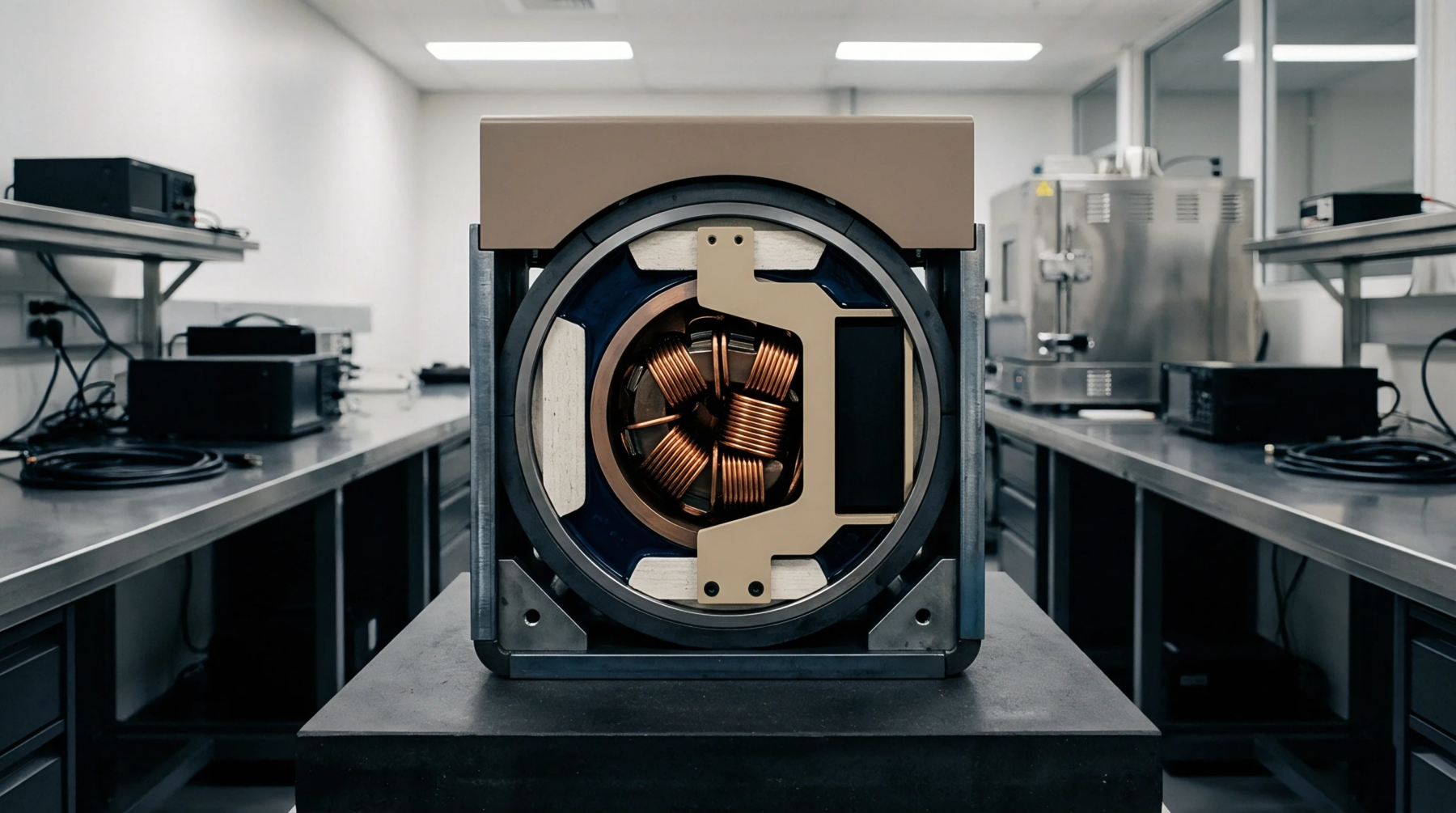
Adaptive boundary regularization prevents spurious spectral growth in overmoded enclosures, securing repeatable electromagnetic test data before lab filing.
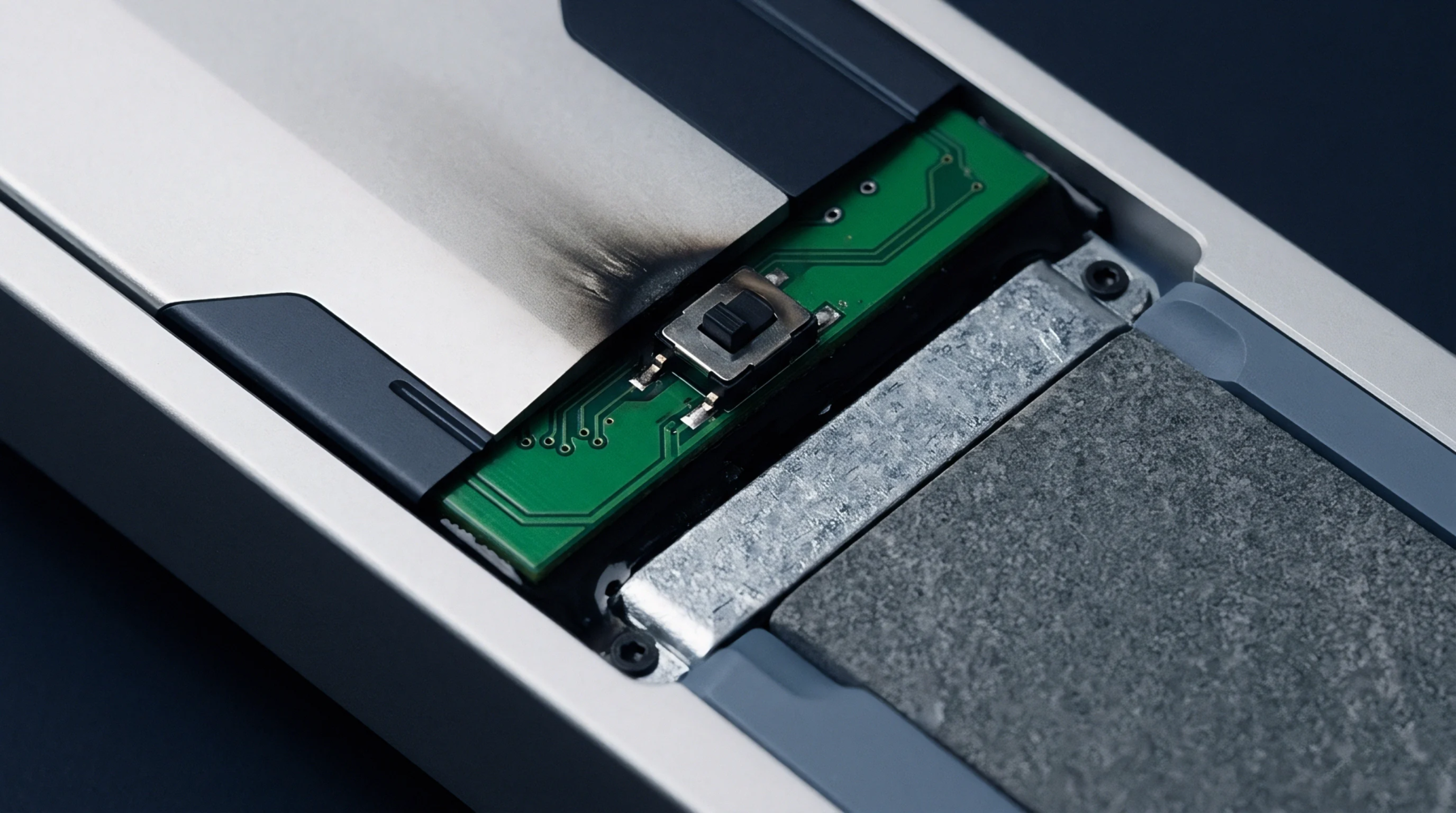
Latent defect recovery requires proving pre-handover physical origin via failure analysis and breaching liability caps via explicit epidemic carve-out terms.

Sub-zero pulse survival requires sizing hybrid capacitors to buffer peak RF bursts while managing cell passivation and temperature-dependent ESR fade.

Transfer matrix inversion synthesizes compliant immunity fields inside unlined enclosures but carries severe certification and retest risks during audit.

Imperfect shielded enclosures achieve field uniformity when probe grid calibrations account for boundary absorption and seam leakage across test frequencies.

Thermal shock increases primary cell internal resistance, requiring output power derating to prevent immediate cutoff voltage collapse during radio pulses.

Quiescent current and chemical self-discharge dominate battery longevity in low-rate telemetry, demanding bench validation across temperature extremes.

Exclusion of simultaneous wearable SAR requires summing individual link ratios below unity under KDB 447498 D04 using maximum factory tune-up power limits.

Heavy industrial metal environments require a multipath shadowing margin floor between 24 dB and 38 dB to guarantee 99 percent link availability.

Real receiver sensitivity requires balancing coding gain against airtime energy penalties, thermal drift, and production lot variance.

Metallic host enclosures induce cavity resonances and seam radiation, turning modular radios into compliance risks requiring co-location and emission scans.

Physical decapsulation and acoustic microscopy isolate sub-tier component defects to assign liability and recover forensic costs under supply agreements.
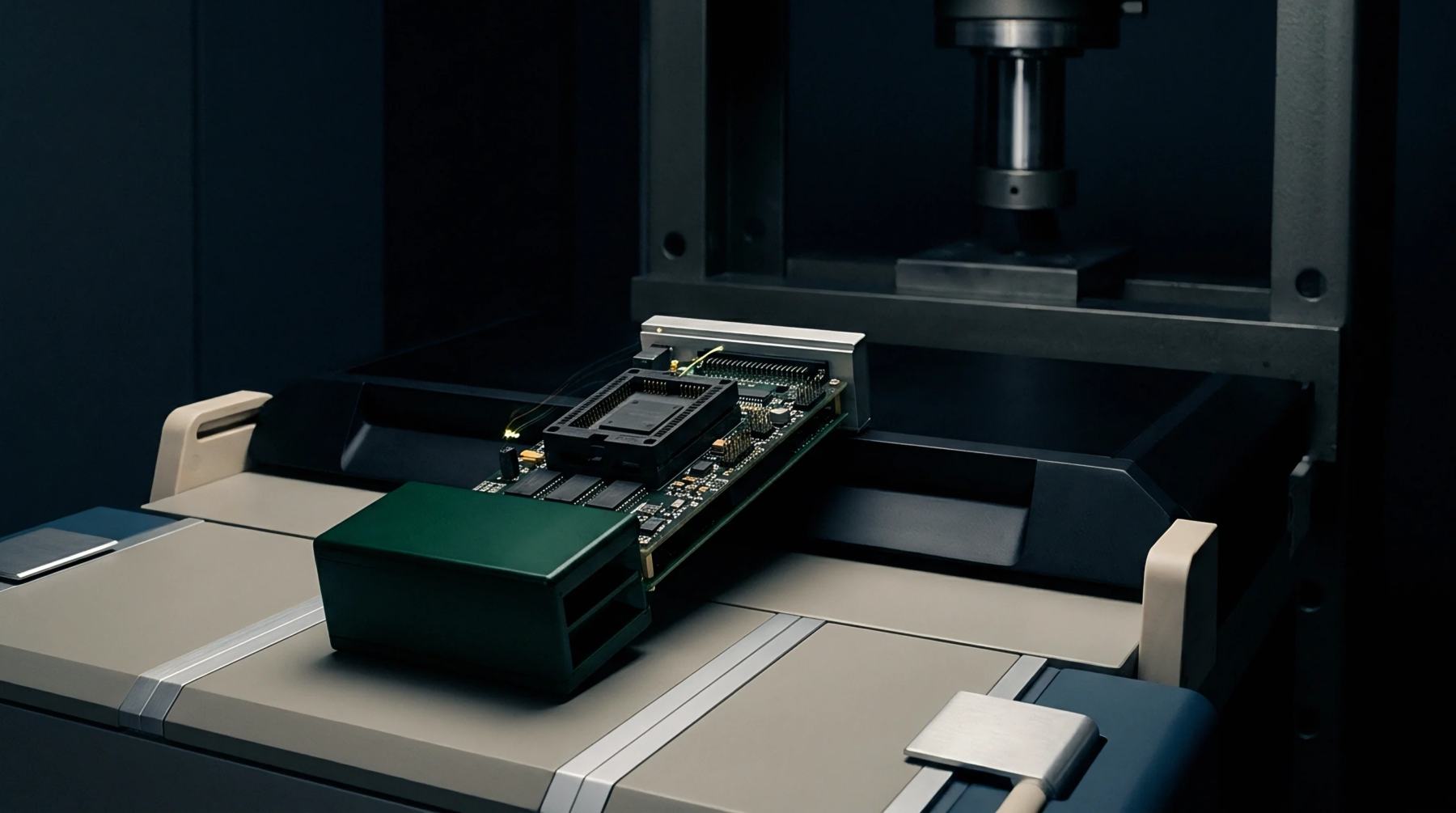
Host modular envelope boundaries end where layout traces, enclosure clearances, or SAR margins deviate from original certification integration instructions.

Dynamic deflection governance across press-fit tooling prevents inner copper barrel fracture by stabilizing seating variance below ten micrometers.
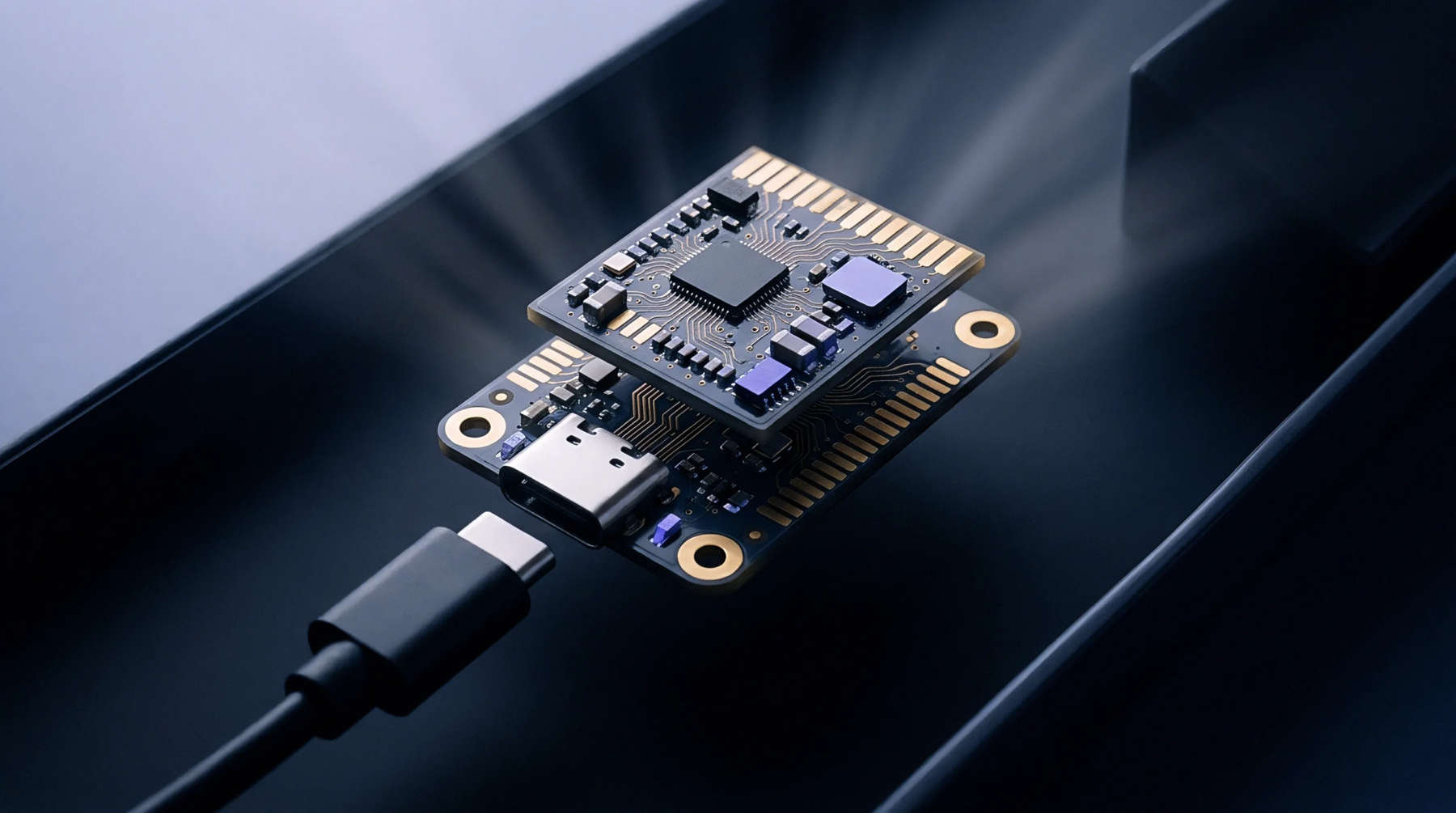
Hierarchical variance decomposition isolates turret spindle runout and feeder play from board drift, securing high-speed radial placement capability.

Real Bluetooth range requires calculating conducted power, antenna loss, indoor obstruction models, and fade margins beyond basic datasheet sensitivity.

Establishing baseline variance for multi-head insertion requires validating force-displacement profiles and runout per spindle under dynamic board deflection loads.

Unshielded wireless modules legally void standard modular approvals, transferring all radiated compliance liability and certification costs to the host integrator.

Mitigate multi-radio coexistence interference by combining 35 dB front-end isolation, steep ceramic harmonic filtering, and deterministic line arbitration.

Co-located wireless modules require permissive change filings whenever intermodulation exceeds Part 15.209 limits or portable SAR separation falls under 20 cm.

Select BAW filters for steep restricted band edges and LTCC for harmonics, balancing passband insertion loss against power back-off to maintain range.

Reconciling Git commits with DEMPE requires branch protection, cryptographic principal review signatures, and automated test telemetry matching legal contracts.

Modular radio certifications cover standalone transceivers; host integrators retain full legal liability for combined unintentional emissions and SAR limits.

Substrate permittivity drift pulls 77 GHz automotive radar frequencies out of statutory bands, invalidating grants and forcing costly laboratory re-filings.

Valuing custom PCB layout intangibles requires separating physical copper routing from schematics, using cash flow methods that model fabrication revision risk.

Switched lumped-element matching circuits reconcile regional sub-gigahertz allocations while maintaining link margins within two decibels across target bands.

OECD transfer pricing principles classify microelectronics layout deliverables by technical control and decision rights rather than legal file ownership.

Enforce hardware revision manifests signed under vendor keys to halt mismatched firmware blobs before bootloader execution damages uncalibrated board silicon.

Laminate swaps in 77 GHz radar change EIRP and pattern directivity, requiring Class II permissive filings if power rises or spurious emission profiles degrade.
Expertise is a utility, not a secret. sentiention™ publishes its working knowledge as open reference: intelligence layer covering the materials it sources, the markets it enters, and the reference that serves both.