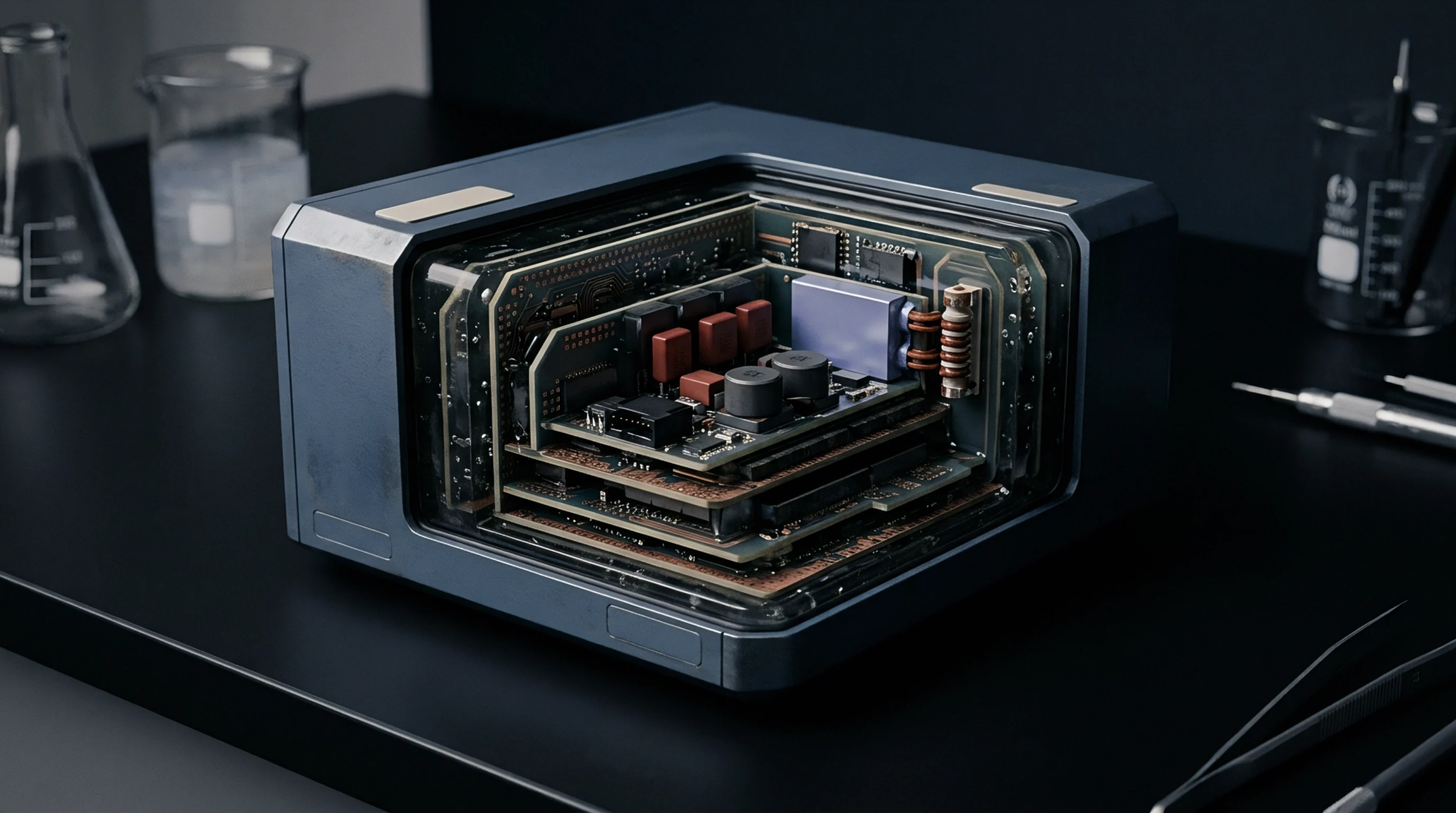
Suppression Techniques for Spurious Radiated Emissions in High Density Connected Devices
Suppressing high-density radiated spurs demands continuous return planes, sub-millimeter shield apertures, and early far-field pre-scans before certification.

Suppressing high-density radiated spurs demands continuous return planes, sub-millimeter shield apertures, and early far-field pre-scans before certification.
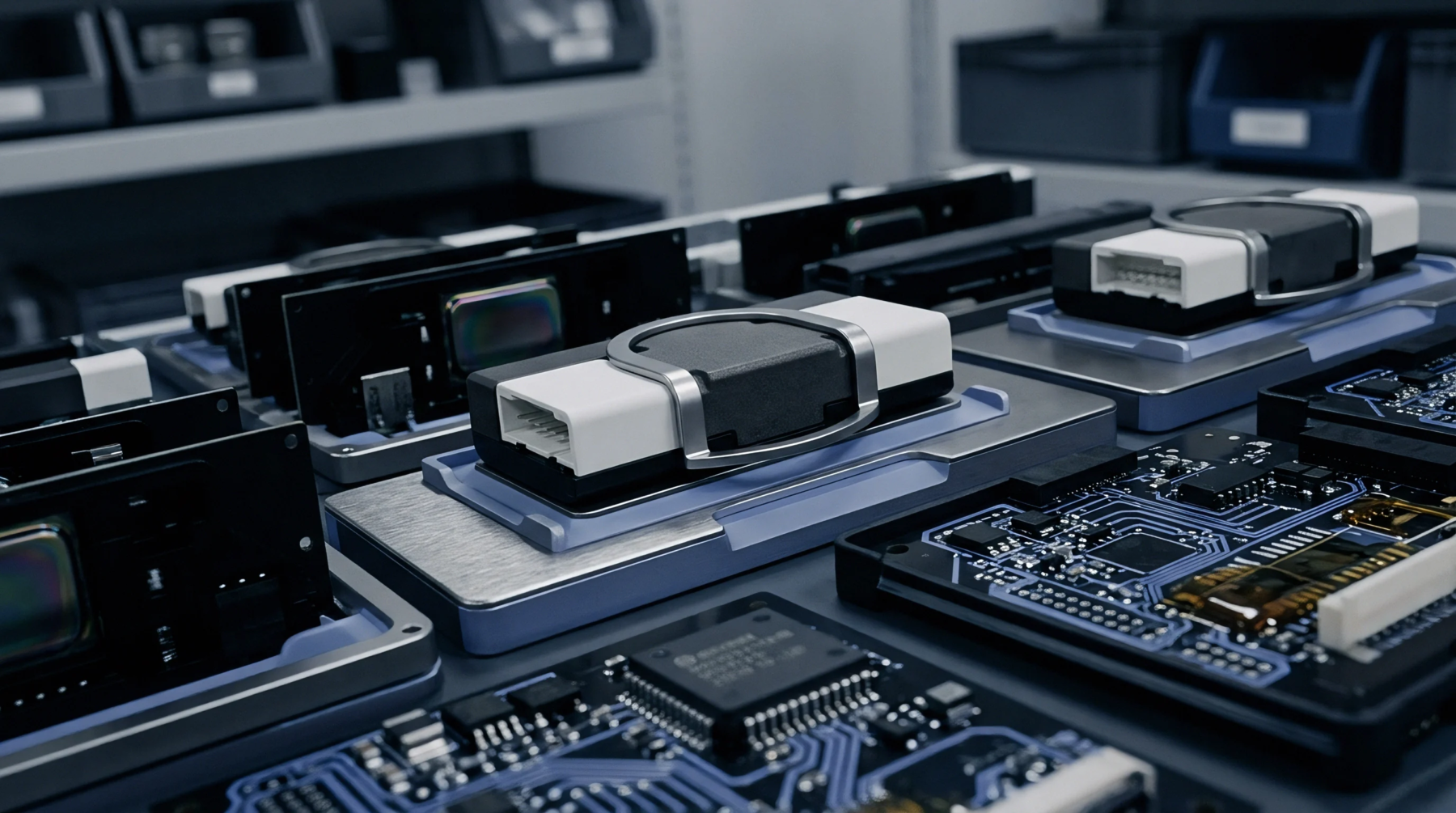
Verify telemetry logs and stabilize tooling mass for seventy-two hours on the metrology bench before conducting acceptance measurements or releasing final payment.
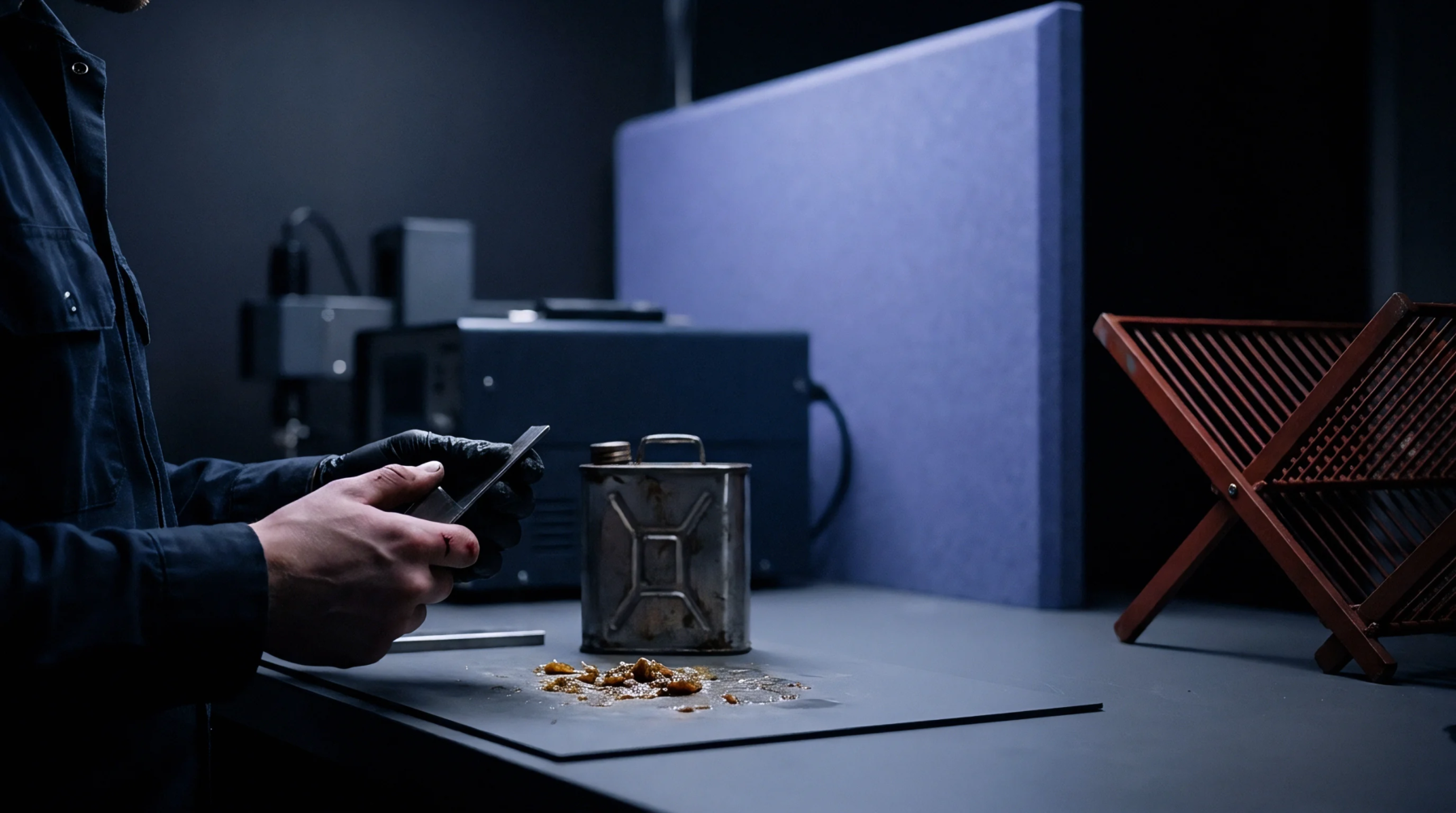
Crossborder metrology transfer succeeds only when physical calibration artifacts, 20 °C thermal normalization, and ISO 14253 guardbands bind both factories.
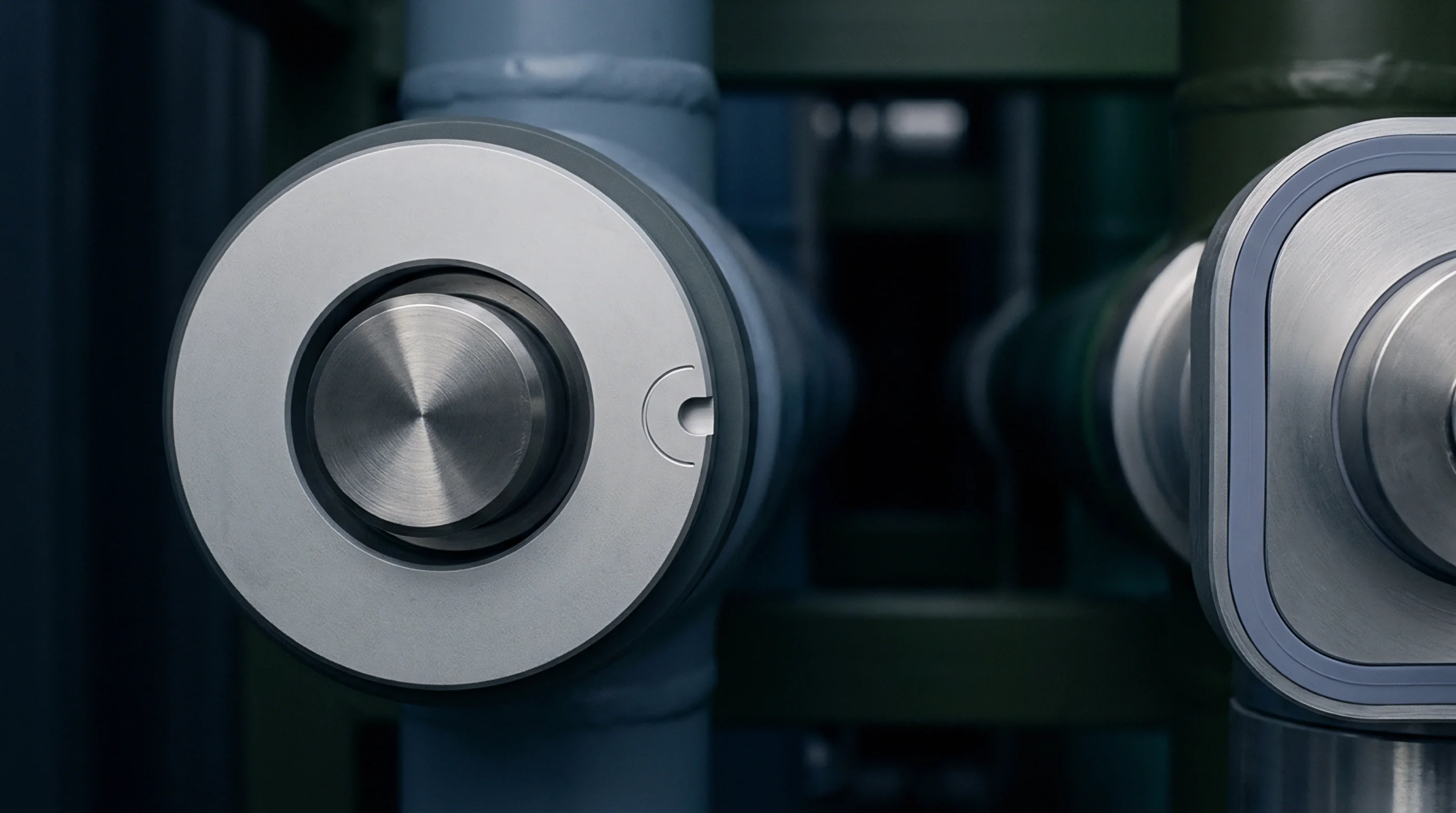
Dynamic acoustic calibration isolates tool cavity wear by tracking reference notch reflections to cancel thermal gradient velocity shifts in real time.
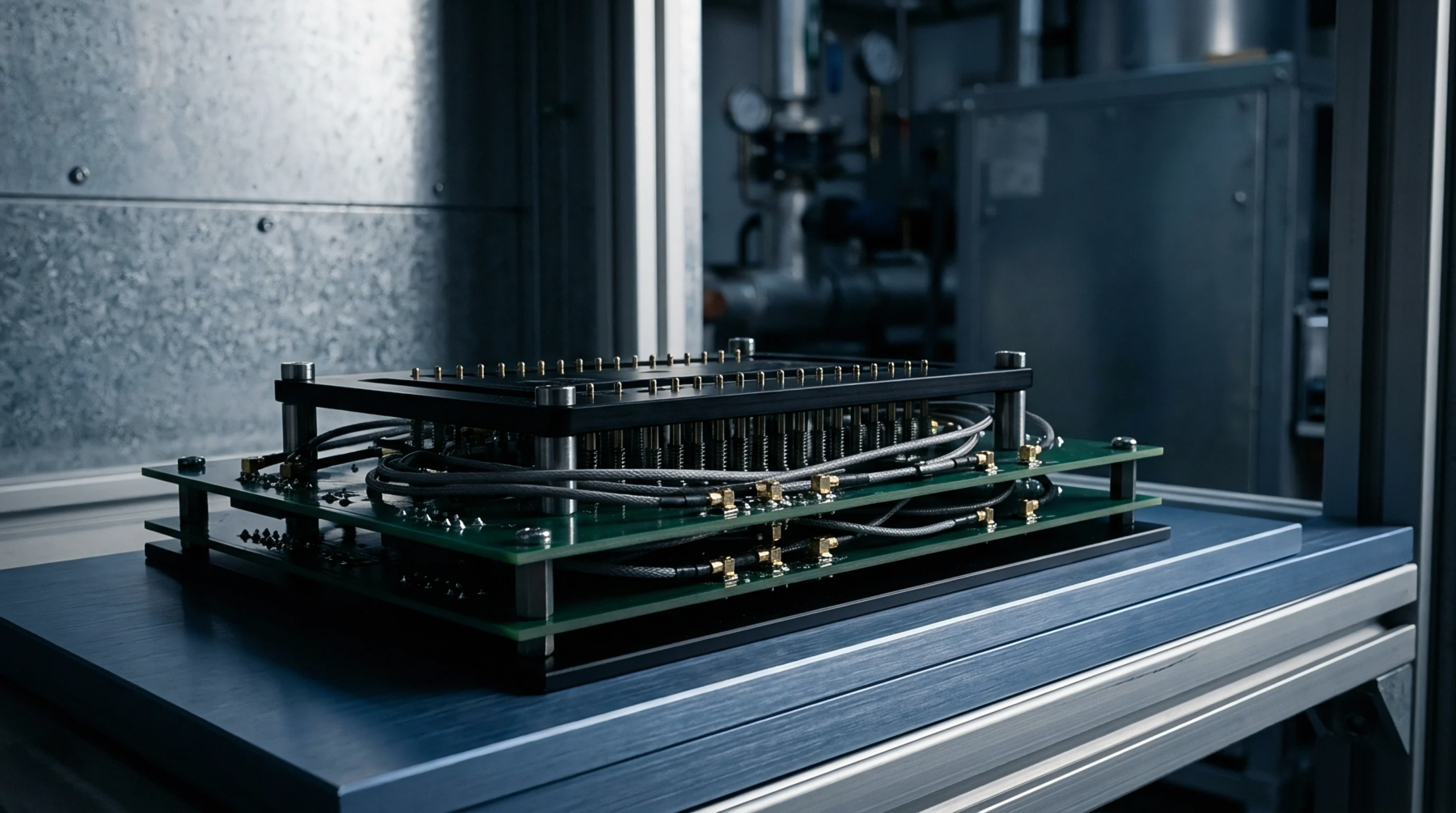
Dense PCB near-field coupling induces receiver desense and radiated spurious emissions, invalidating modular grants and forcing costly board re-spins.

Dedicated FPGA pipelines processing high-frequency acoustic emission transients above one megahertz detect mold wear kinetics before surface micro-galling propagates.

Re-architecting multi-transmitter hosts generates intermodulation spurious emissions that void modular grants and require harmonized chamber re-testing.
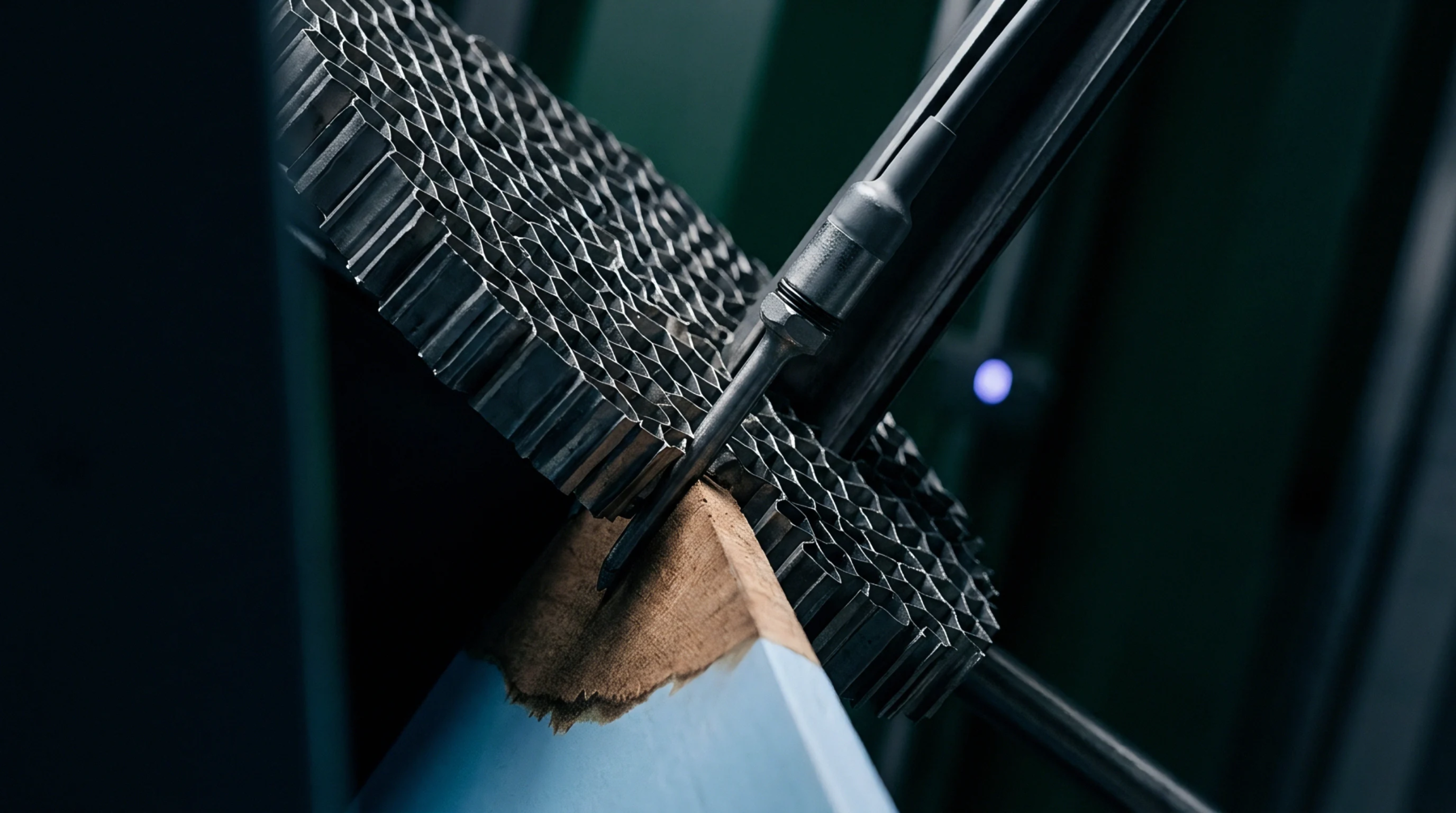
Acoustic emission tooling integration demands direct cavity mounting, gold foil coupling, and defined scope boundaries to isolate wear bursts from press noise.
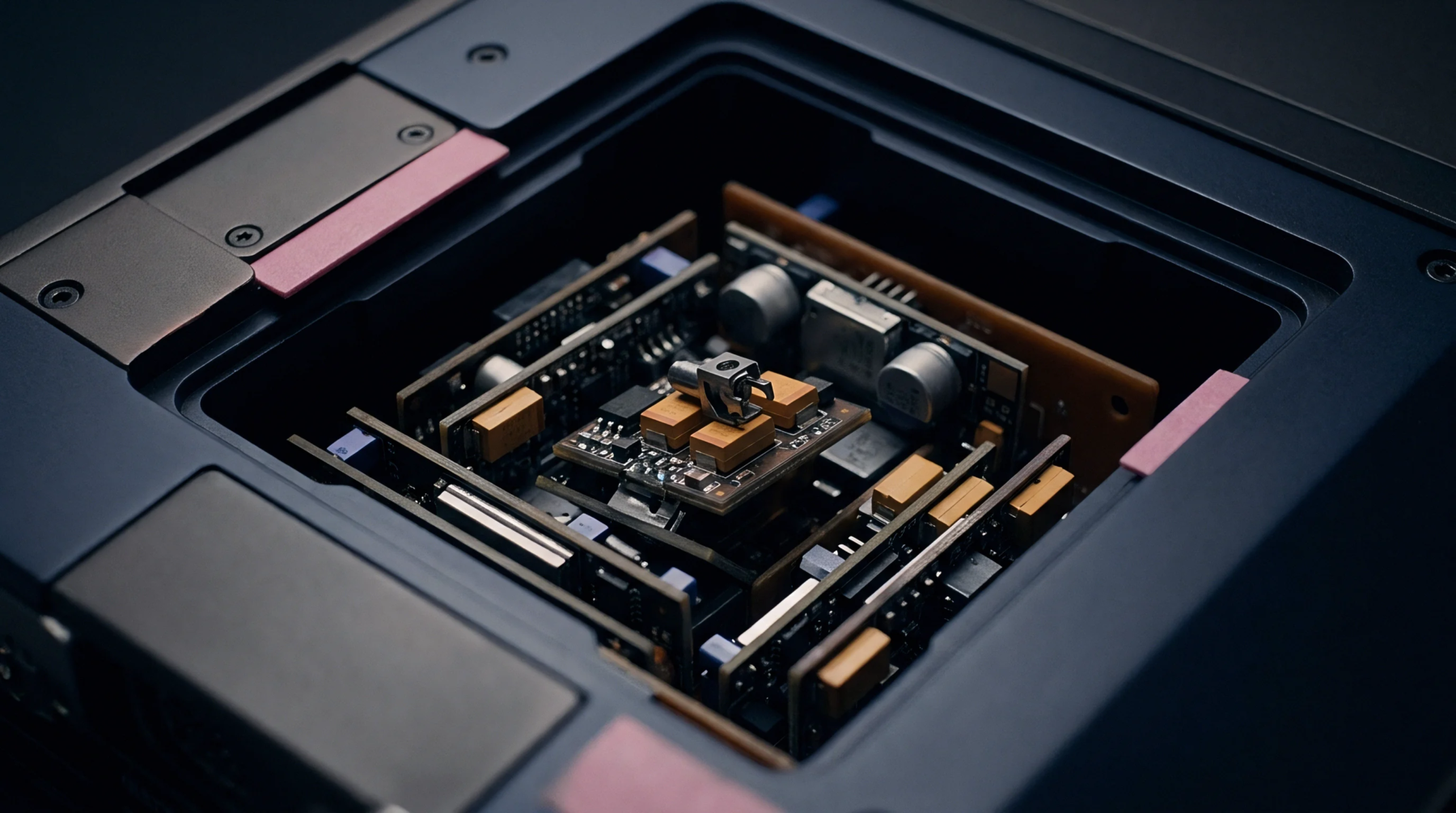
Host chassis material or layout changes require radiated spot-checks and a formal Class II Permissive Change filing whenever spurious harmonic levels degrade.
Predictive coating delamination thresholds require pairing wall shear stress calculations with ASTM C1624 critical scratch loads above 65 Newtons.

Optical profilometry tracking of gate land recess under abrasive feedstock flow bounds replacement cycles and prevents cavity packing imbalance.

Mitigate glass-filled thermoplastic mold erosion by specifying powder metallurgy tool steels like CPM 10V or Elmax at 58-62 HRC for gates and high-wear inserts.
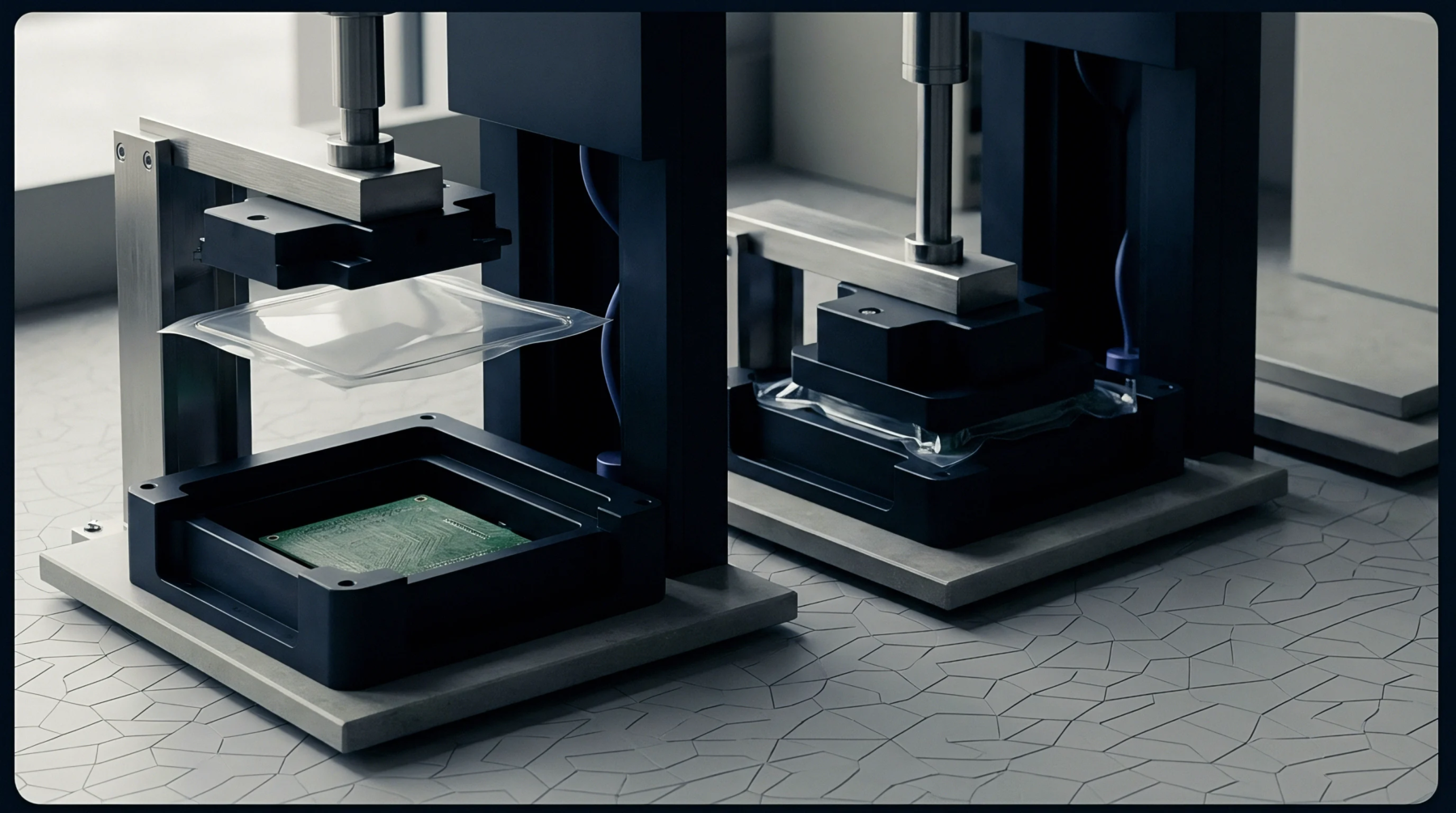
Power-gated radio sleep drifts timing registers, forcing wider reception windows that drain cell capacity unless firmware calibrates oscillator thermal bias.
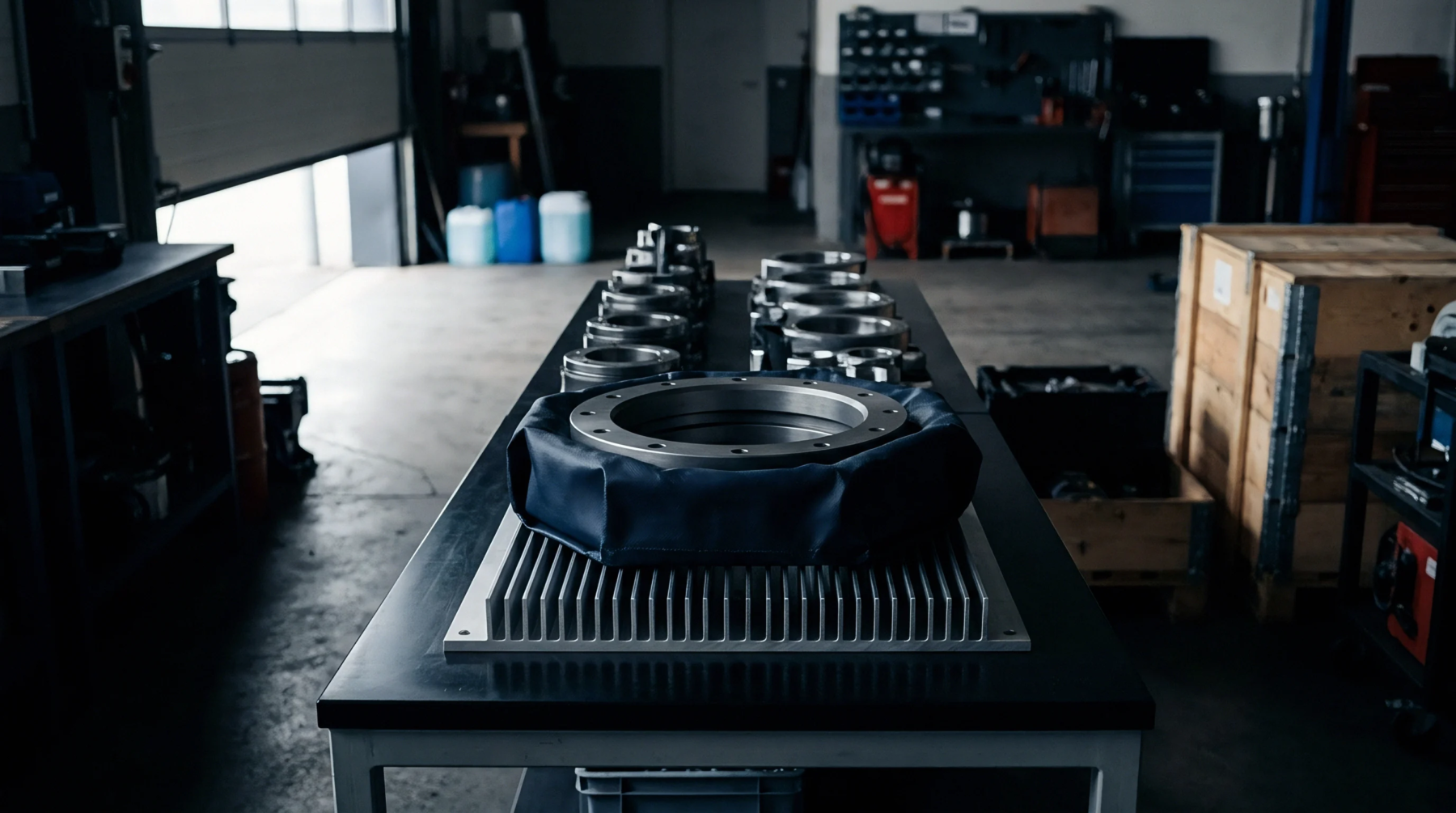
Thermal drift in sub-GHz sleep oscillators forces wider receiver listen windows, multiplying airtime current drain and cutting battery operating lifetime.
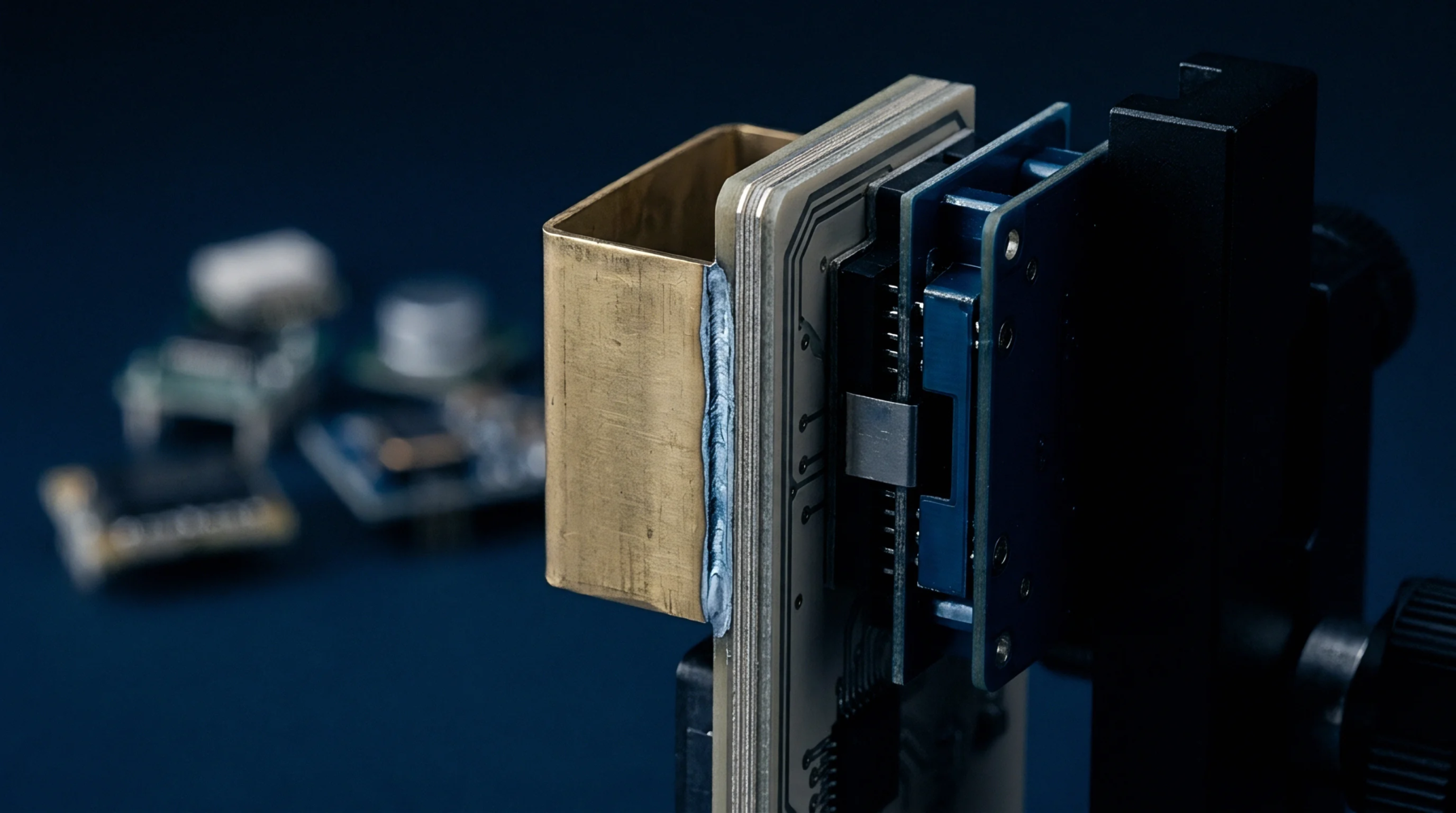
Sizing decoupling to hold supply fall below 0.1 volts per microsecond ensures brownout circuitry halts flash writes before line voltage breaches write inhibit.

Brownout propagation latency allows power rails to collapse during nonvolatile writes, corrupting LoRaWAN frame counters and causing silent backend replay drops.

Modular grants never eliminate host testing: host layout, cabling, and enclosures create composite radiators requiring independent radiated spurious verification.
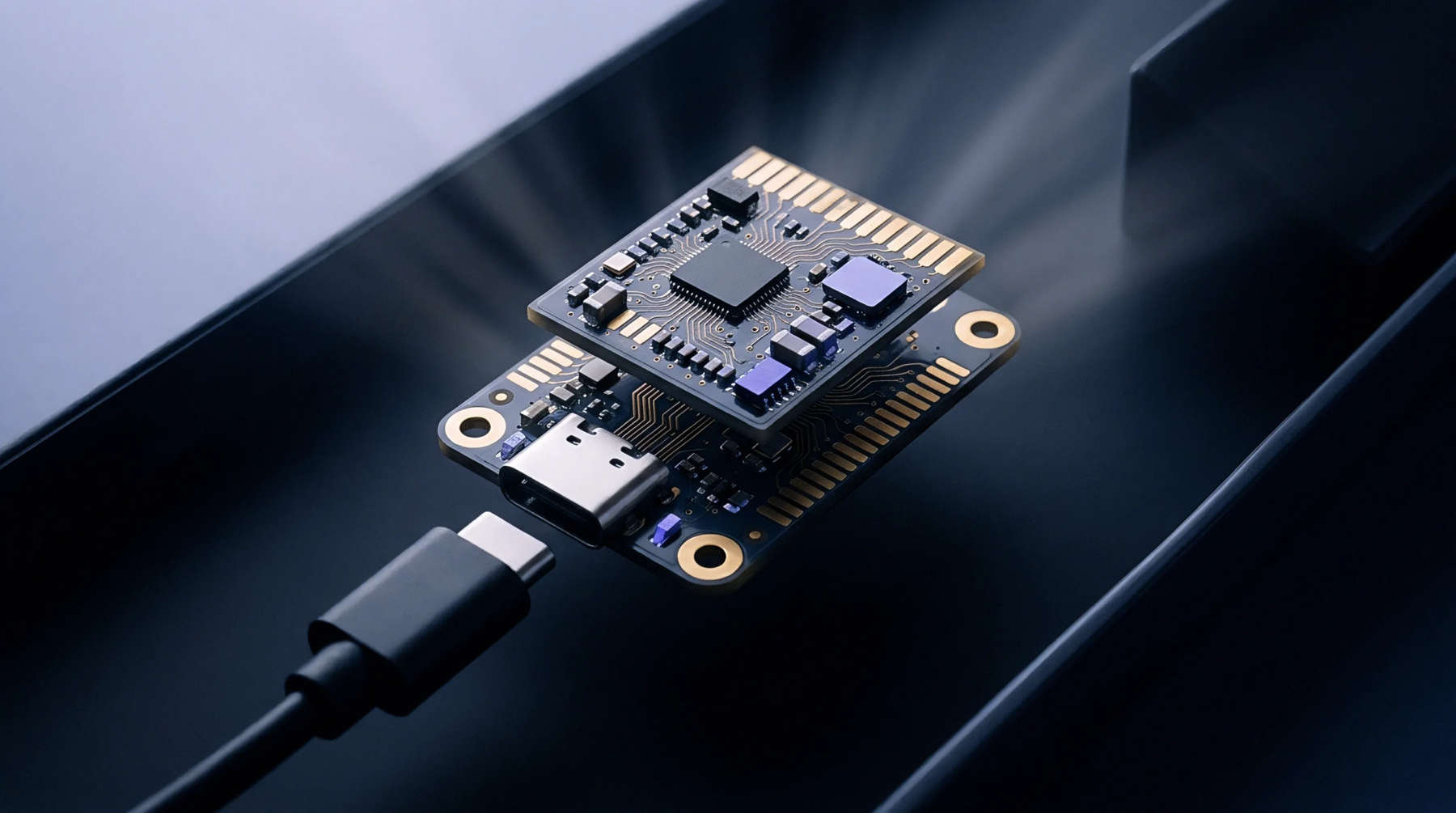
Environmental aging shifts fluoropolymer dielectric constants, detuning high-frequency antenna arrays and causing radiated emission failures during certification.

Foreign arbitral tooling awards face sharp execution variance across borders where local courts frequently convert physical retrieval orders into monetary compensation.

Dynamic battery impedance causes steep microsecond voltage droop during radio power amplifier ramps, requiring low-ESR buffering to prevent RF link failures.
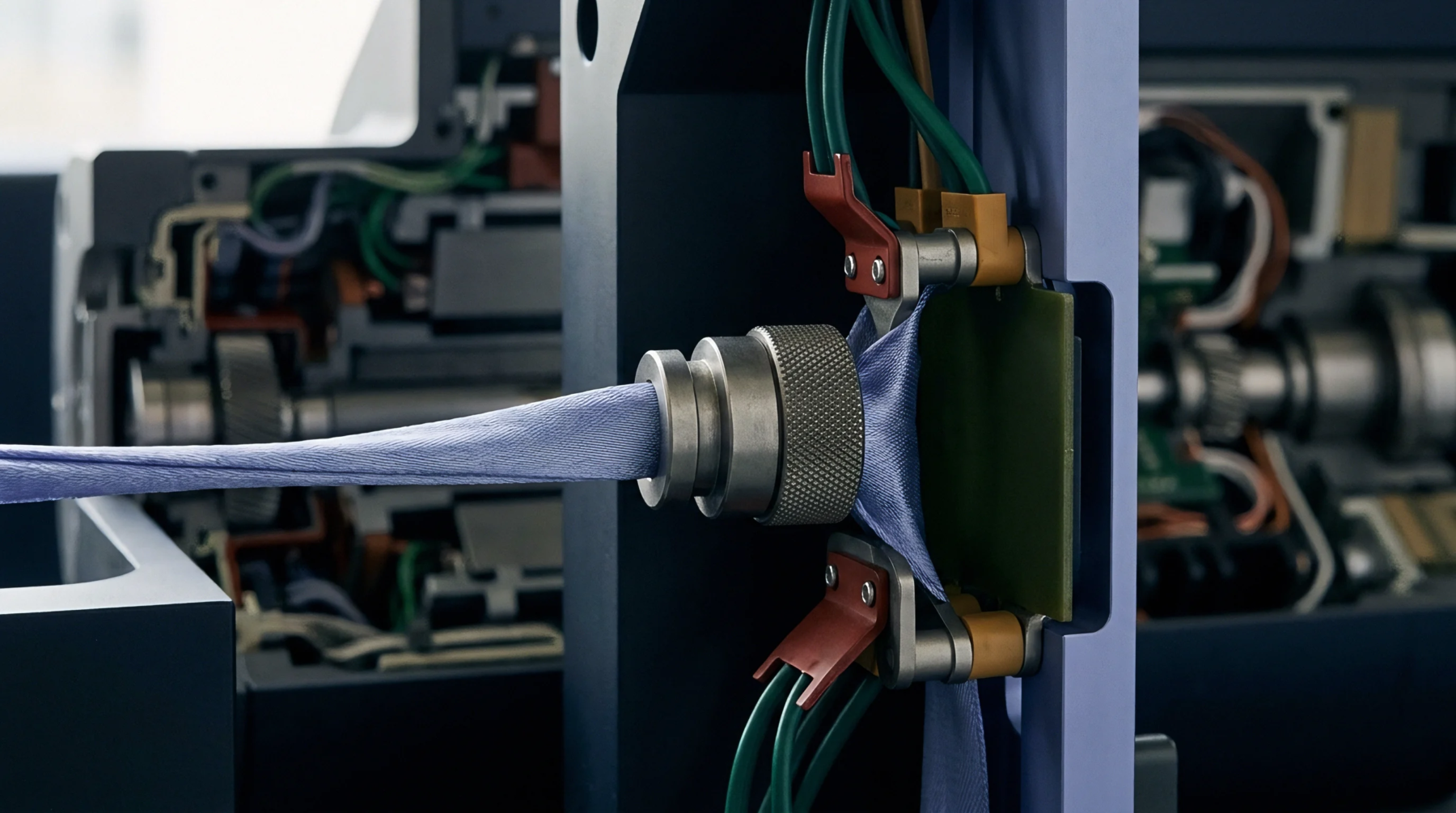
Supercapacitor ESR growth under thermal cycling causes severe pulse voltage sag, triggering transceiver brownout resets unless derated for cold end-of-life limits.

Exequatur for physical tooling demands hybrid arbitral awards pairing specific performance with daily coercive fines and alternative cash conversion terms.
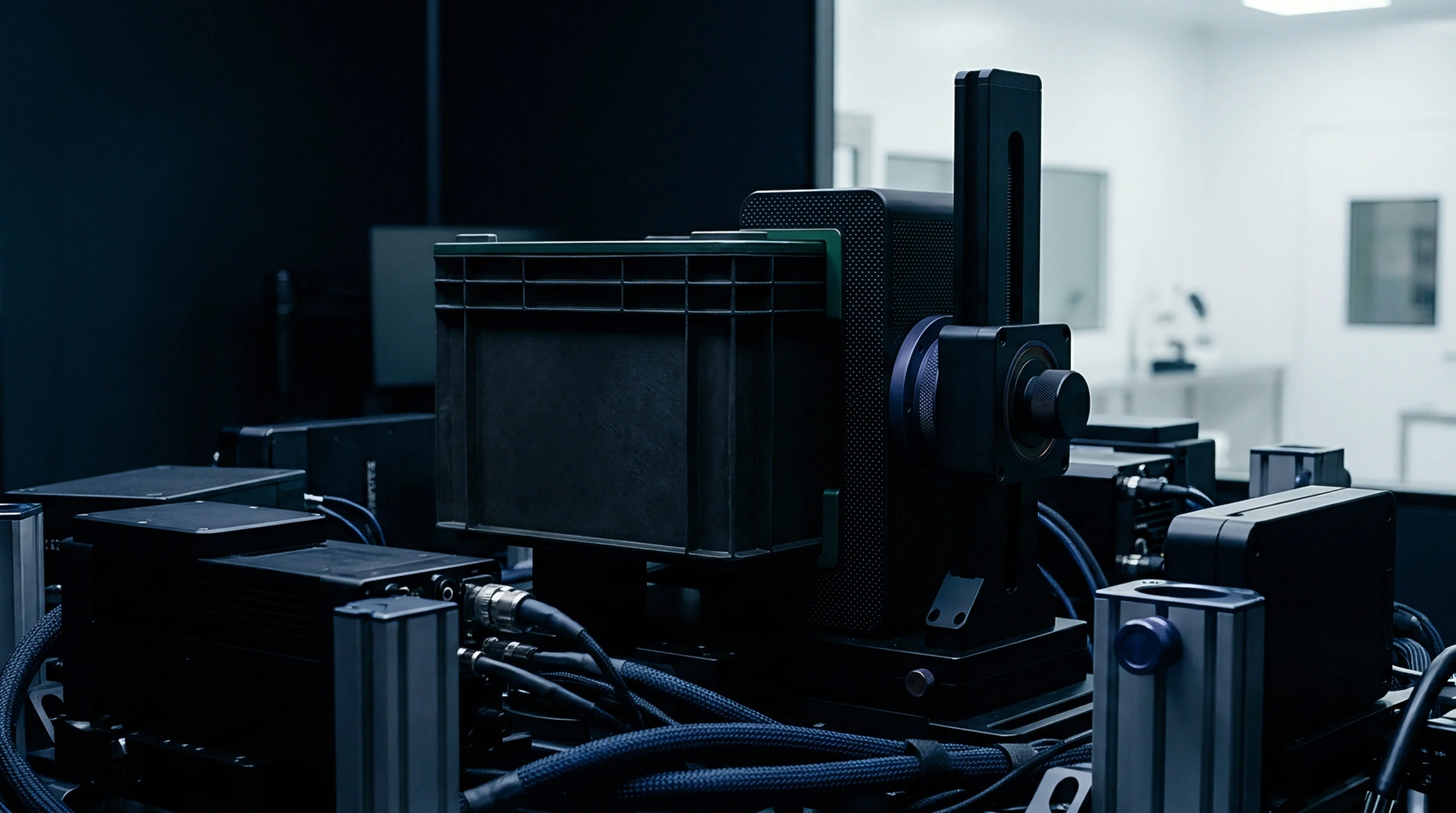
Mitigate sub-GHz radio power transients during flash page writes using split supply rails, DC-bias derated capacitors, and firmware program-suspend arbitration.
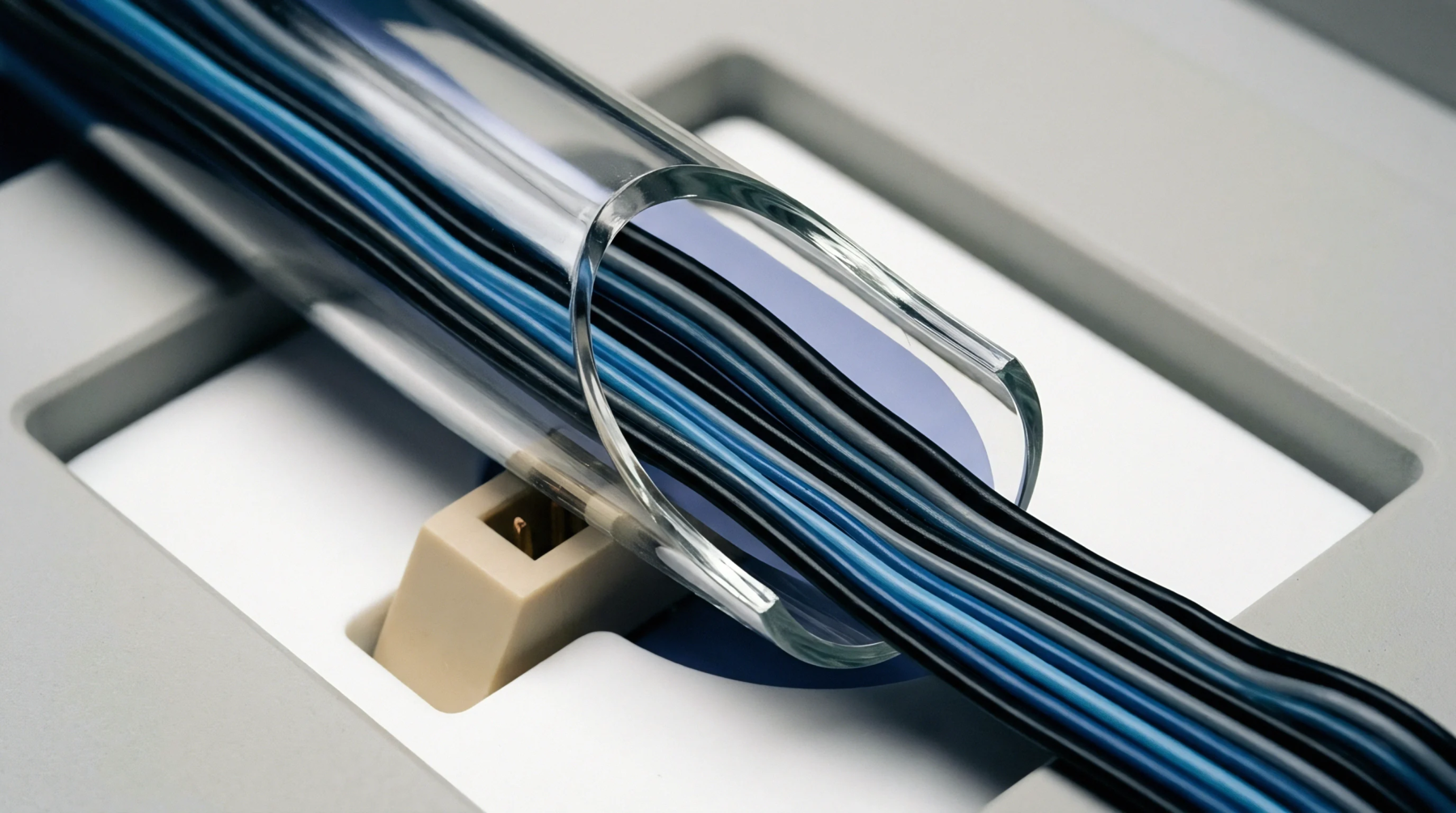
Managing dielectric dissipation shifts requires coupon cavity testing, pre-bake procedures, and permissive change margin budgets to secure radar type approvals.

Sizing holdup capacitors demands isolating radio load, tracking peak page write energy to minimum supply rails, and derating ceramic capacitance by half.
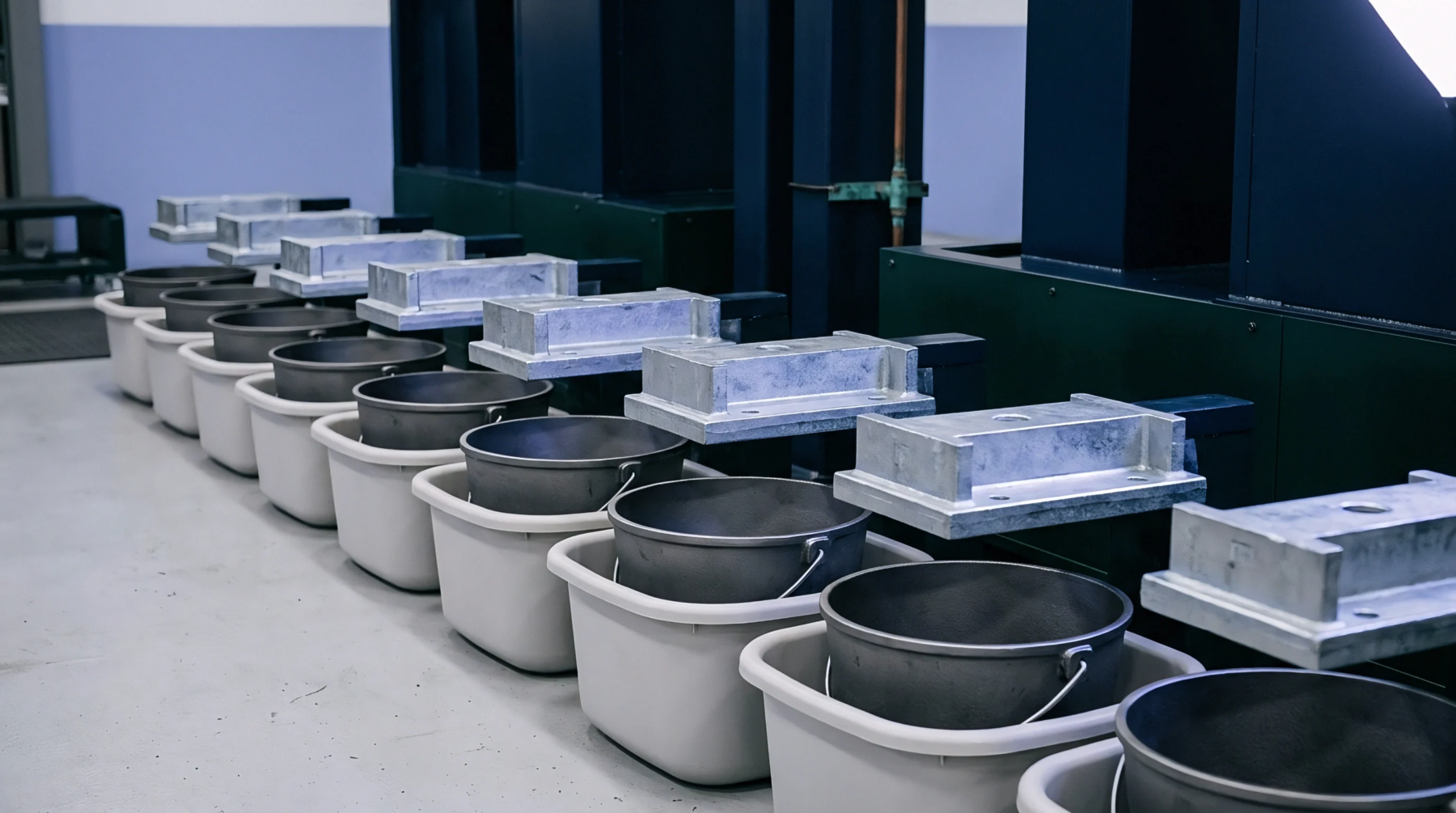
Verify physical tooling serial engravings and cycle counter telemetry on-site while registering bailment agreements to secure legal title and clean extraction.
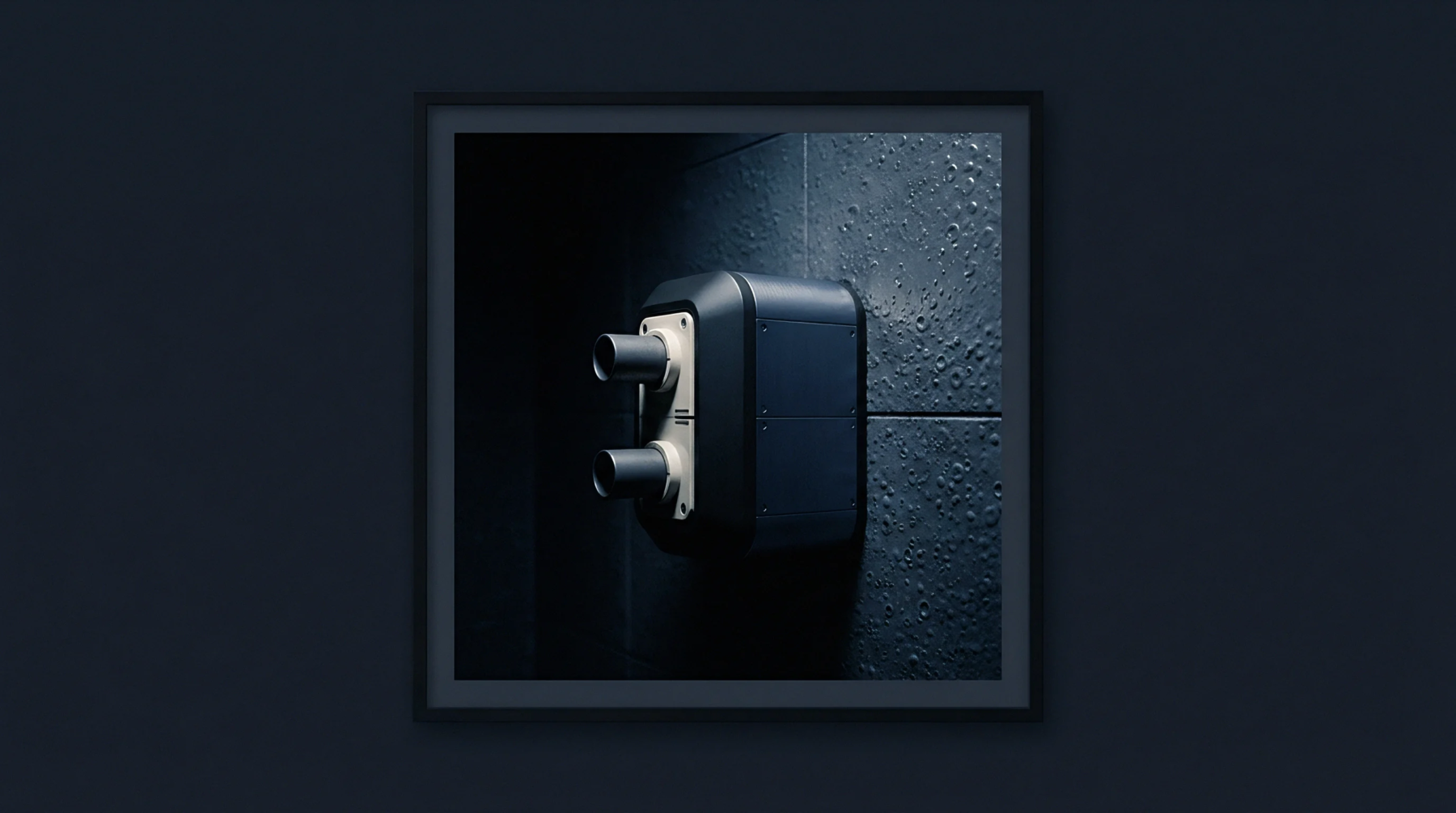
Screening escapes trigger supplier indemnity when board diagnostics prove latent defect presence before field thermal stress accelerates the fault.
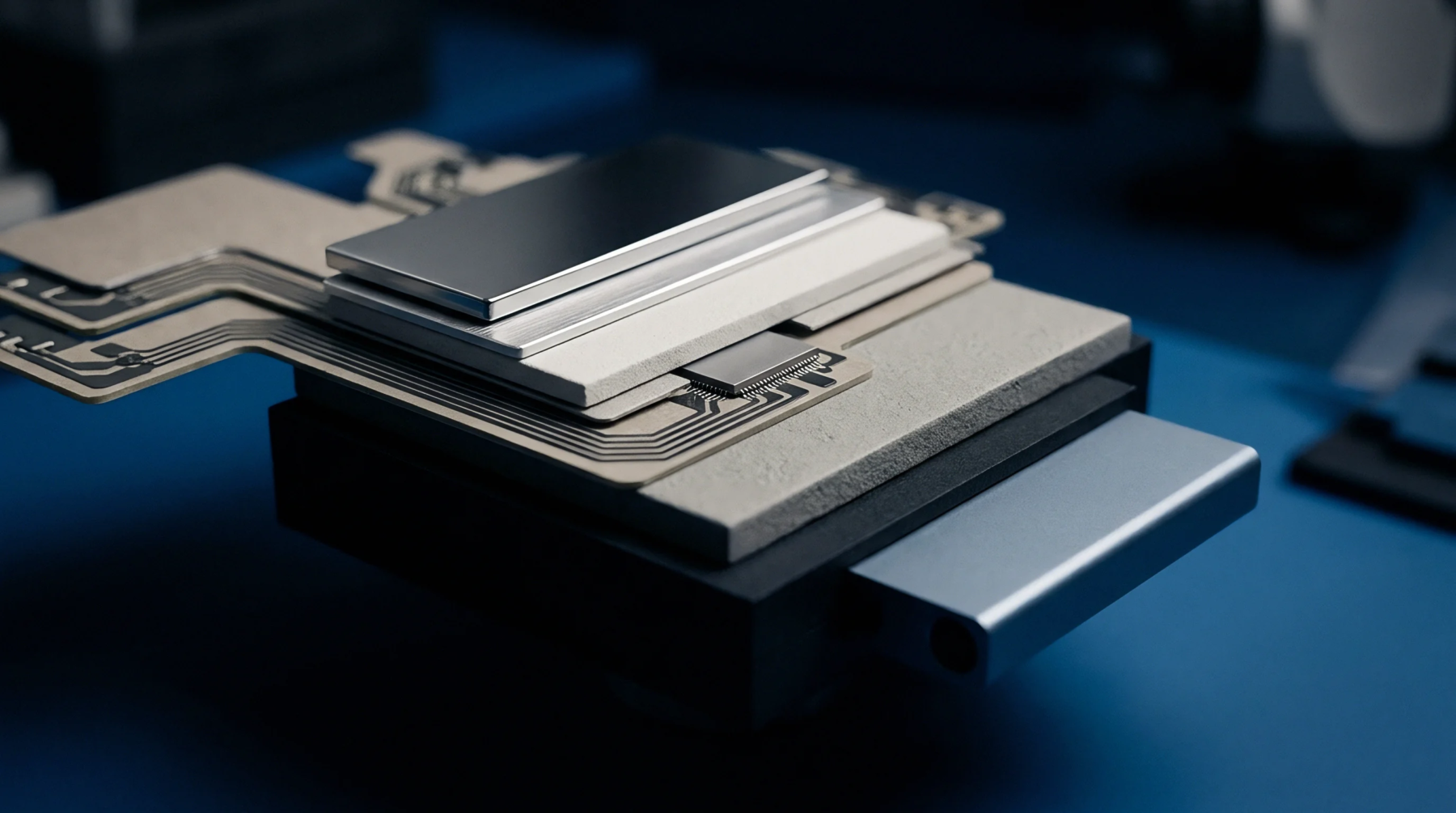
Substrate loss evaluation at millimeter-wave frequencies requires extracting conductor interface roughness and bulk dissipation to protect radiated EIRP margins.
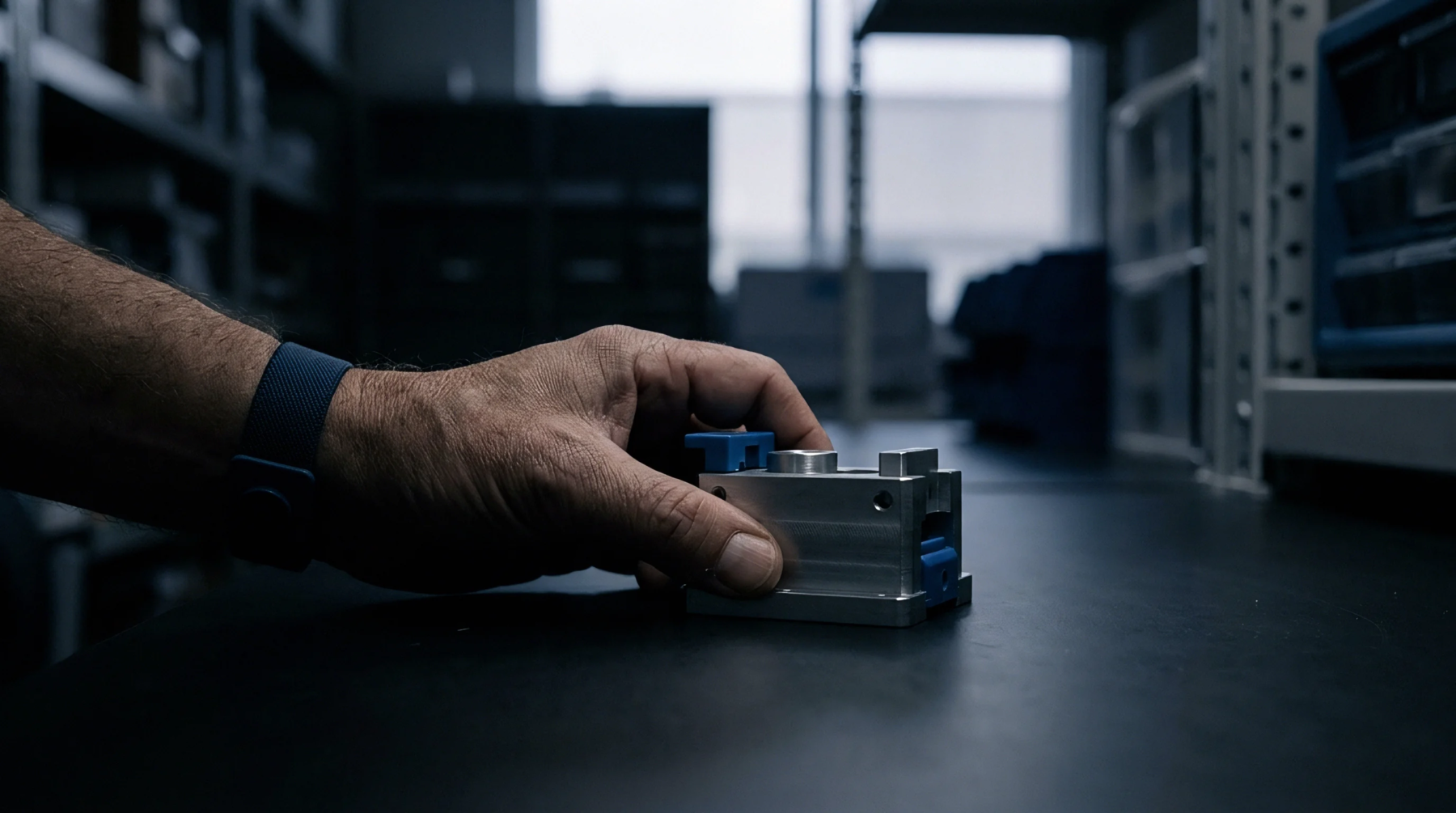
Mitigate passivation collapse in sub-GHz transmitters by pairing bobbin LiSOCl2 cells with hybrid layer capacitors or staged firmware depassivation current ramps.
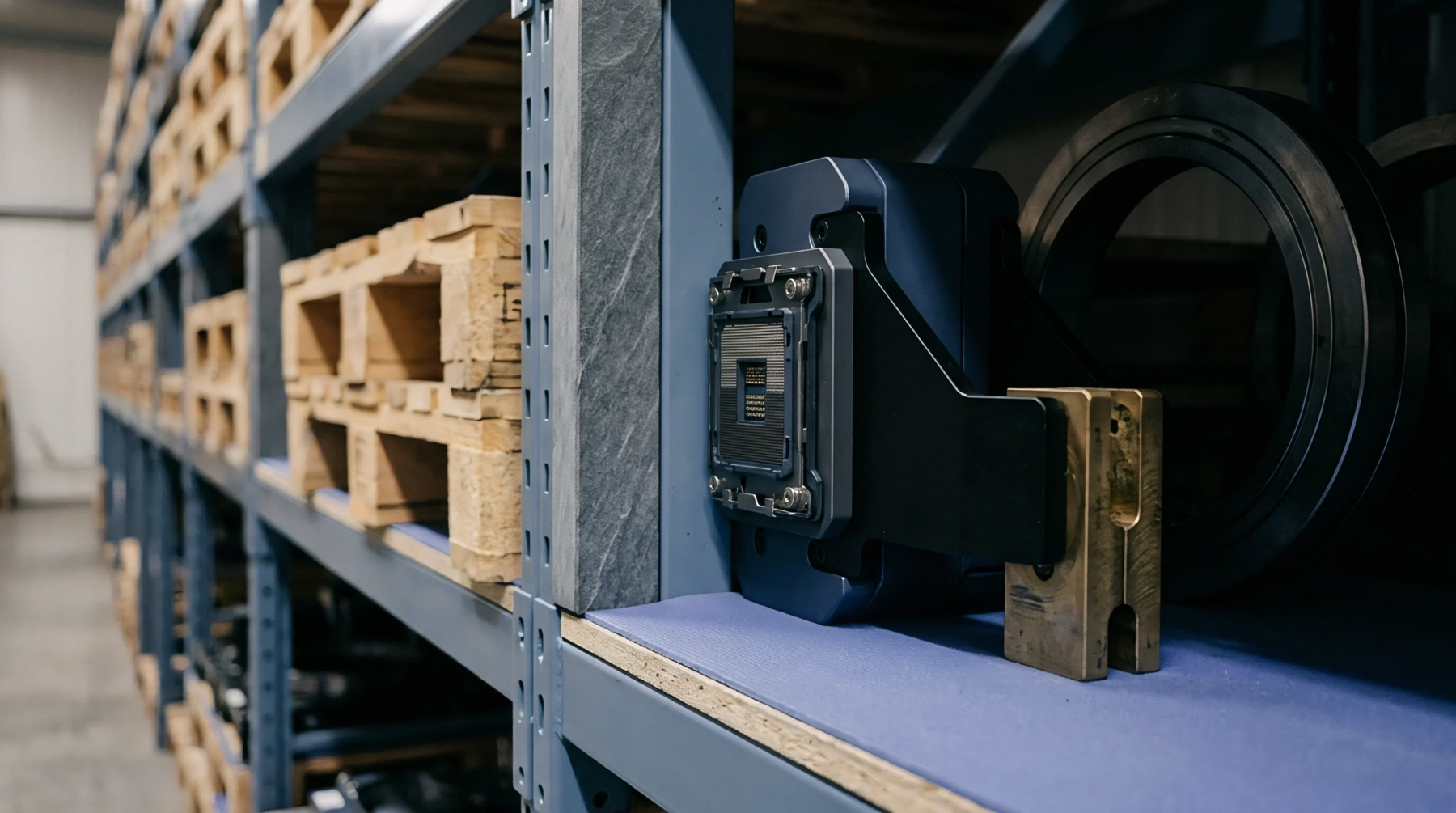
Portability requires itemized NRE payment, uncompiled script source code, native CAD and netlist deliverables, and cold-start verification before sign-off.
Expertise is a utility, not a secret. sentiention™ publishes its working knowledge as open reference: intelligence layer covering the materials it sources, the markets it enters, and the reference that serves both.