Meaning
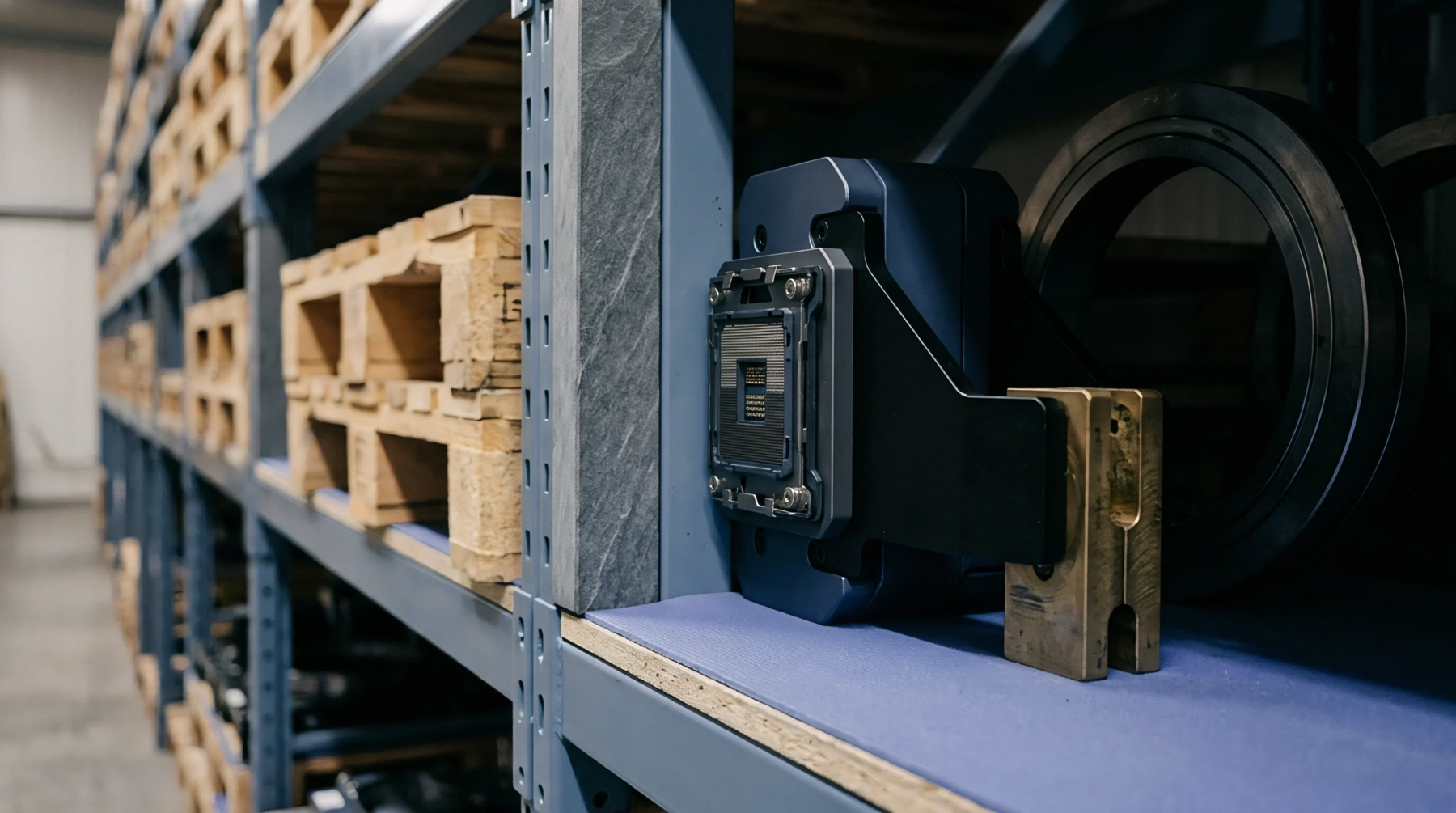
Custom assembly designed to execute electrical and software verification on a populated board. Functional test station comprises the hardware and software environment used to simulate the final application environment of a device. It connects to the unit under test through a bed of nails or high speed cable to verify that the integrated components perform their intended roles.
Interface Hardware
Pogo pins and precision alignment fixtures provide the electrical connection between the tester and the circuit board. The functional test station uses these contacts to inject signals and measure responses across various interfaces like USB or SPI. Durable mechanical frames ensure that the contact pressure remains consistent across thousands of insertion cycles.
Signal Measurement
External instruments like oscilloscopes and spectrum analyzers often integrate into the rack to capture high frequency performance. A functional test station evaluates the radio output and power consumption against the design limits. If the module draws too much current during a simulated data transfer, the system flags a failure.
Throughput Capacity
Cycle time for each unit determines the total production volume the line can support. Designers of a functional test station aim to minimize the time spent on overhead like booting the device or establishing a wireless link. Parallel testing of multiple units allows the manufacturer to scale production without increasing the footprint of the factory floor.
Automated handlers move boards in and out of the test nest to maintain a steady flow of verified products.