
Crystal-Less Cellular IoT Frequency Drift in Open-Loop Transmit Bursts
Crystal-less cellular IoT saves bill of materials cost but risks severe open-loop frequency drift, destroying subcarrier orthogonality during extended bursts.

Crystal-less cellular IoT saves bill of materials cost but risks severe open-loop frequency drift, destroying subcarrier orthogonality during extended bursts.

Unannounced RFIC silicon stepping changes exceeding 0.5 dB conducted power or 3 dB spur limits invalidate modular grants, forcing Class II Permissive Changes.
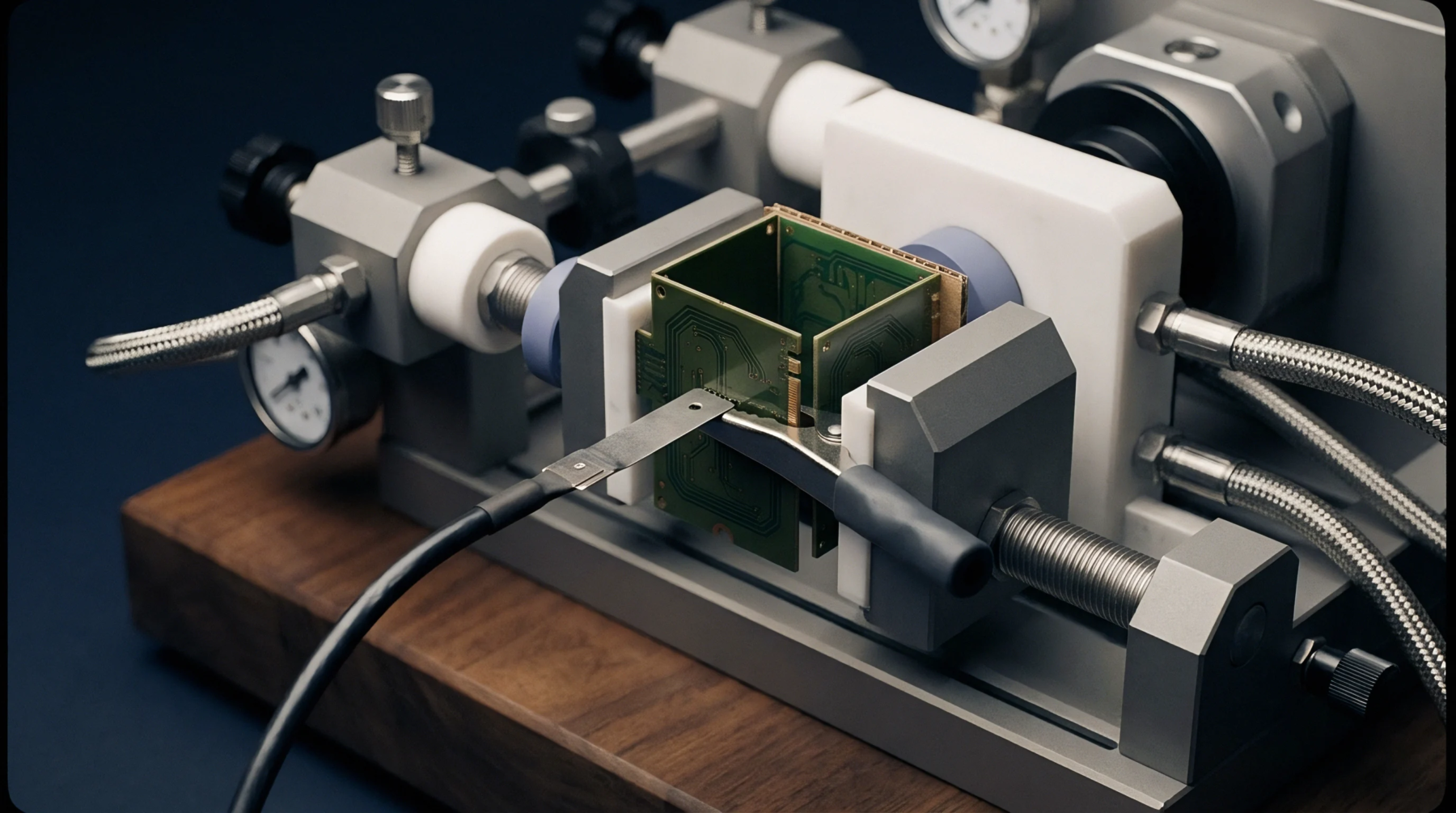
Interconnect dielectric variance alters parasitic capacitance on trim networks, demanding widened wafer probe guardbands to prevent post packaging drift failures.

Dynamic thermal gradients limit crystal-less radios by causing carrier drift that outpaces receiver tracking loops unless calibration intervals adapt to traffic bursts.

Lock process modification boundaries to physical test thresholds, mandatory 180-day notices, and escrow-held manufacturing source files to prevent line lock-in.
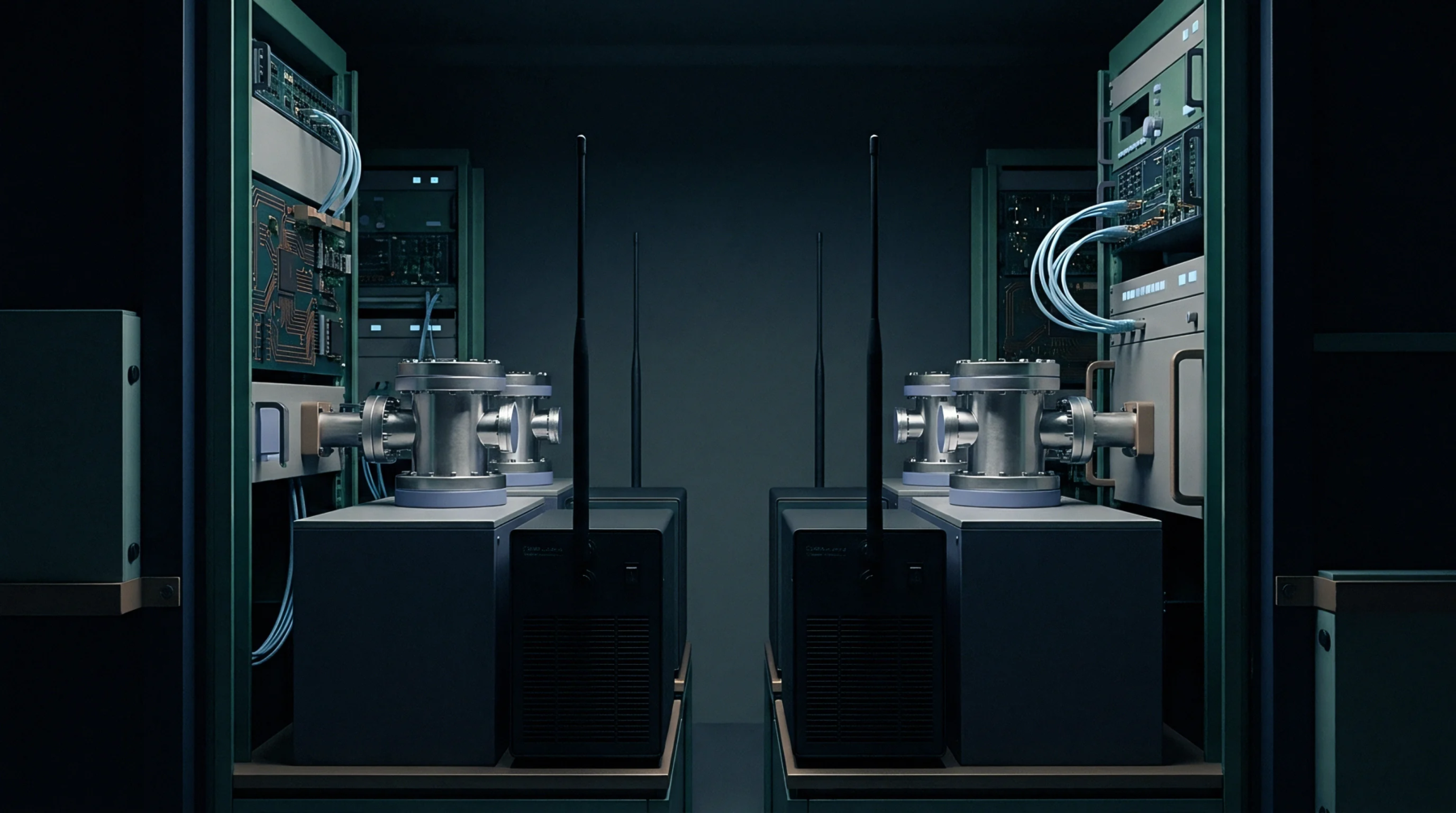
Infrastructure sync schedules bound receiver guard windows, balancing crystal-less oscillator drift against battery consumption.

Hardware changes affecting form, fit, function, interface timing, or compliance require 90-day advance notice, test dossiers, and formal customer approval.

Crystal-less radios trade component bill of materials against wider receiver noise bandwidth, active calibration currents, and tight thermal slew limits.
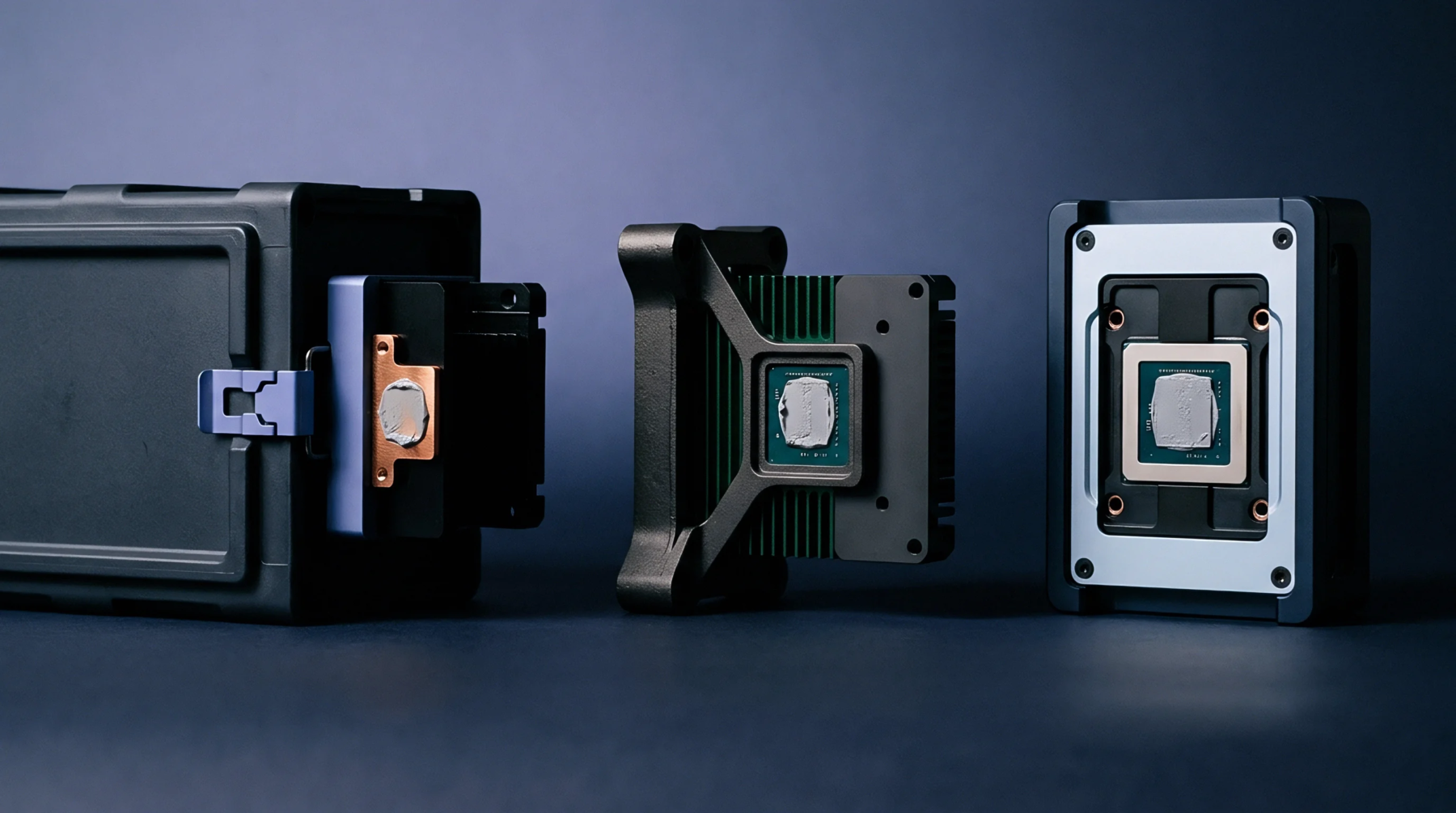
Automated reticle tracking and thermal impedance limits isolate supplier defect liability when dual-sourced optical packages diverge over operating temperatures.

Monolithic transceiver test accuracy depends on de-embedding ATE loadboard parasitics through rigorous error vector validation before committing production wafers.

Host ground planes and cables convert module harmonics into illegal radiation, voiding modular grants and forcing costly Class II Permissive Change retests.

ALD oxide passivation suppresses interface trapping under high-power sub-GHz RF drive, preventing dynamic on-resistance drift and link margin collapse.
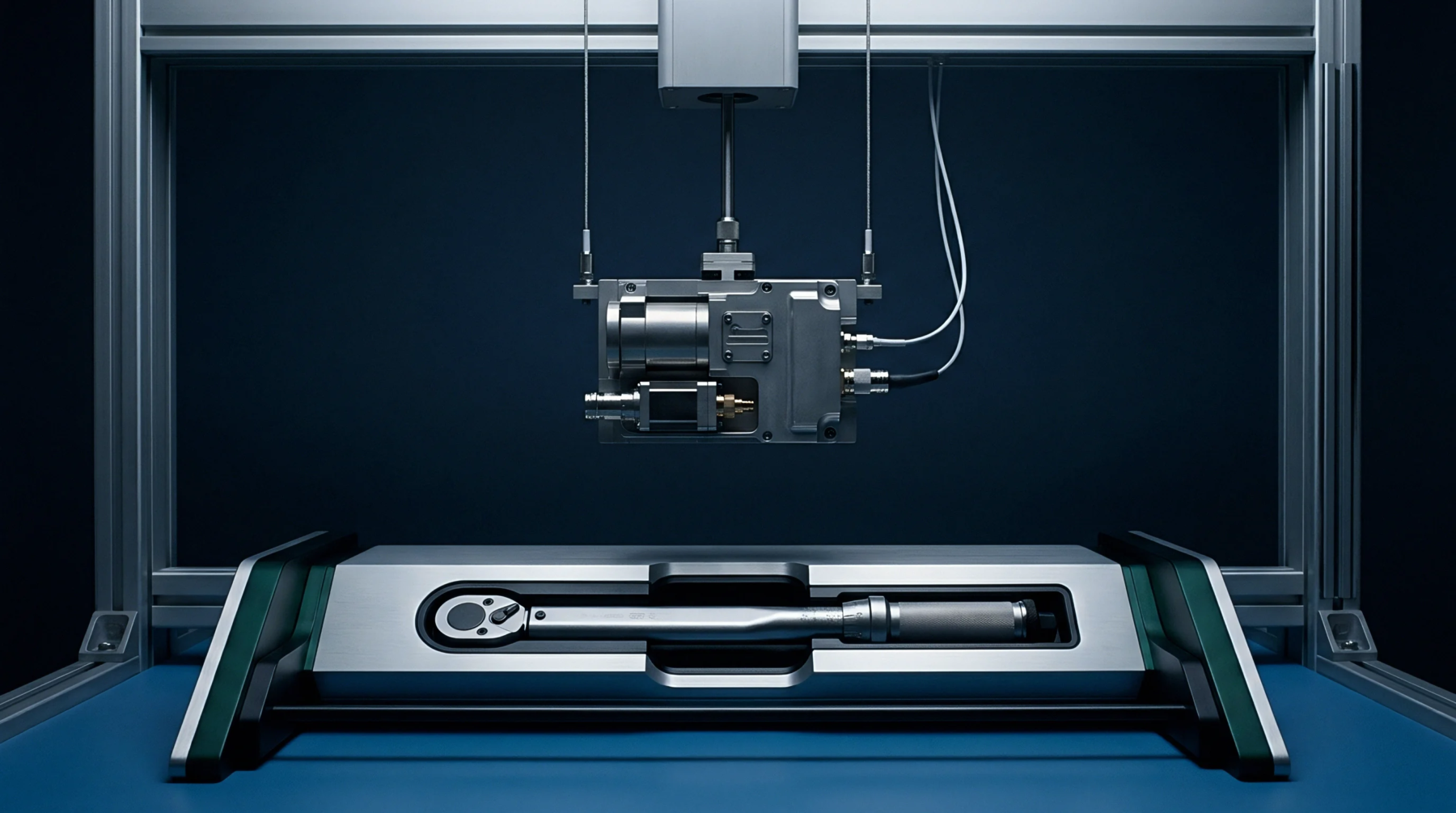
Silicon revisions alter transceiver parasitics, invalidating static calibration tables and degrading receiver image rejection unless firmware arrays update.

Atomic layer deposition films quench dangling bonds and establish field-effect charges, lowering interface trap density to preserve sub-GHz RF sensitivity.

Radiated spurious emissions demand system-level chamber validation because host board traces, power ringing, and housing detuning invalidate standalone grants.

Synchronizing cross-border radio re-certification depends on pre-scanning host harmonic emissions to bridge regional limit gaps before filing permissive changes.

Silicon stepping updates require rigorous delta EMC testing to verify that altered die geometries do not trigger mandatory Class II filings or new FCC IDs.

Verify silicon stepping registers during boot to execute matching errata patches before peripheral initialization locks the hardware interface.

Dynamic matrix correction maps real-time structural thermal gradients into six-axis motion stage offsets, preserving sub-micron probe alignment.
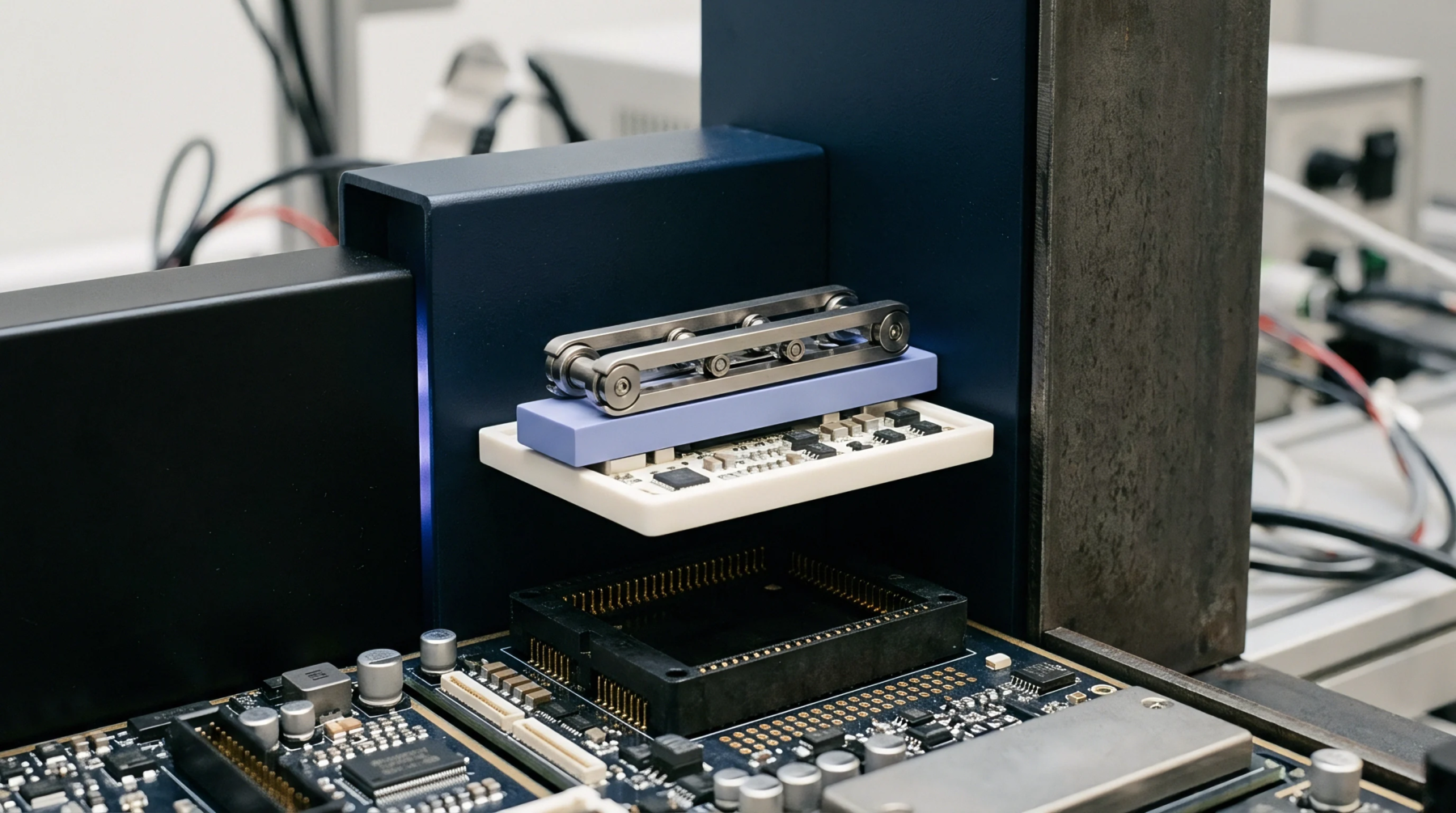
Software changes to SDR receiver parameters alter local oscillator emissions and blocking, dictating 3-to-12-week permissive change filing lead times.
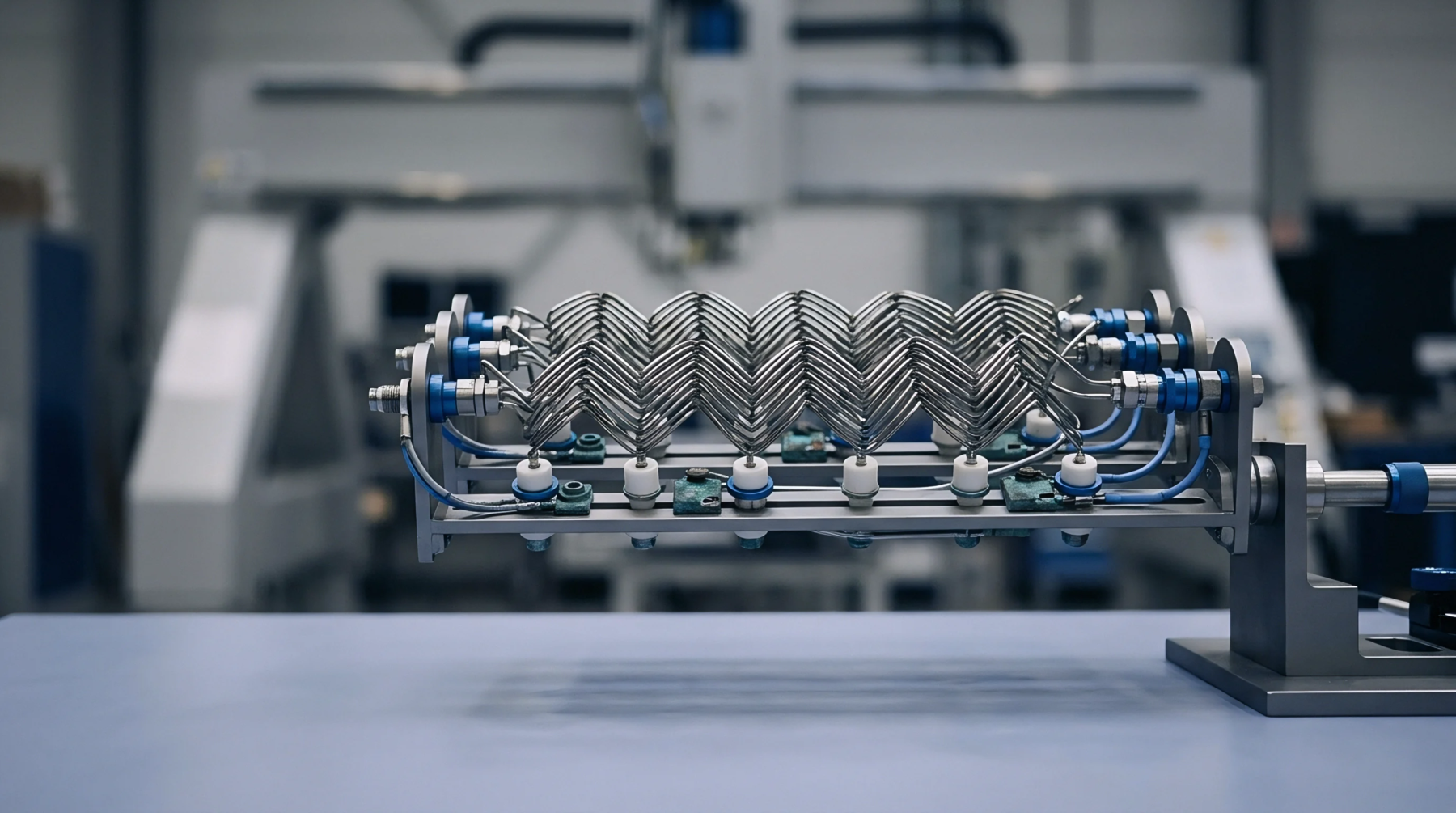
Sub-GHz high-power switch passivation requires a low-defect oxide interface beneath dense silicon nitride buffered by polyimide to stop RF field trapping.

Active in-situ thermoelectric compensation stabilizes multi-axis sensor test platens, preventing dynamic thermal gradients from corrupting inertial calibration.
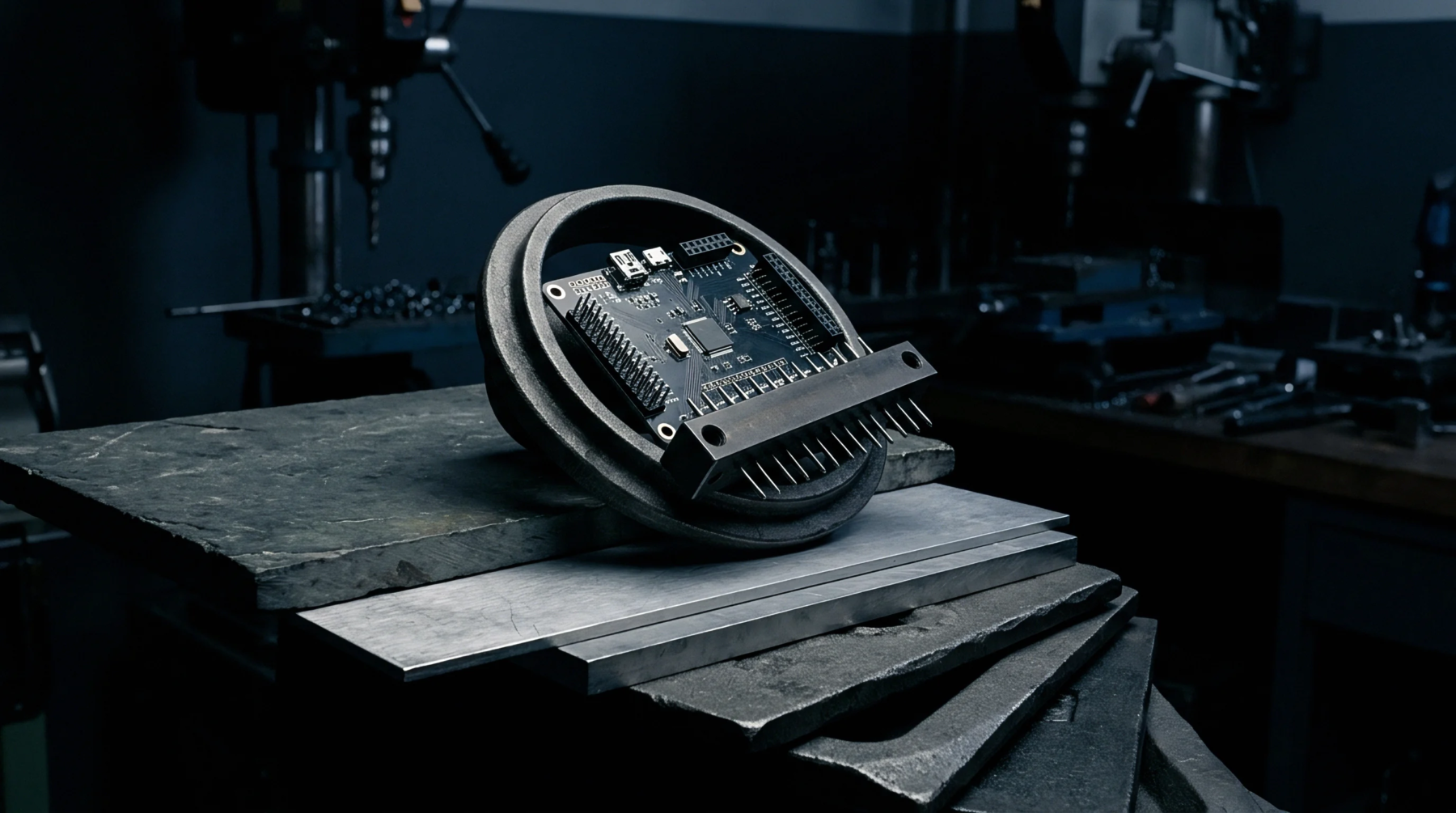
Thermal budgets over 1000 C destroy polysilicon trap layers in RF SOI, collapsing resistivity to 100 ohm-cm and elevating antenna switch harmonic emissions by 20 dB.

Modifying wireless module firmware registers invalidates modular type approvals, turning certified products into unapproved transmitters subject to immediate seizure.

Quantifying host spurious coupling requires far-field scans comparing factory and modified firmware to verify radiation margins against regulatory limits.
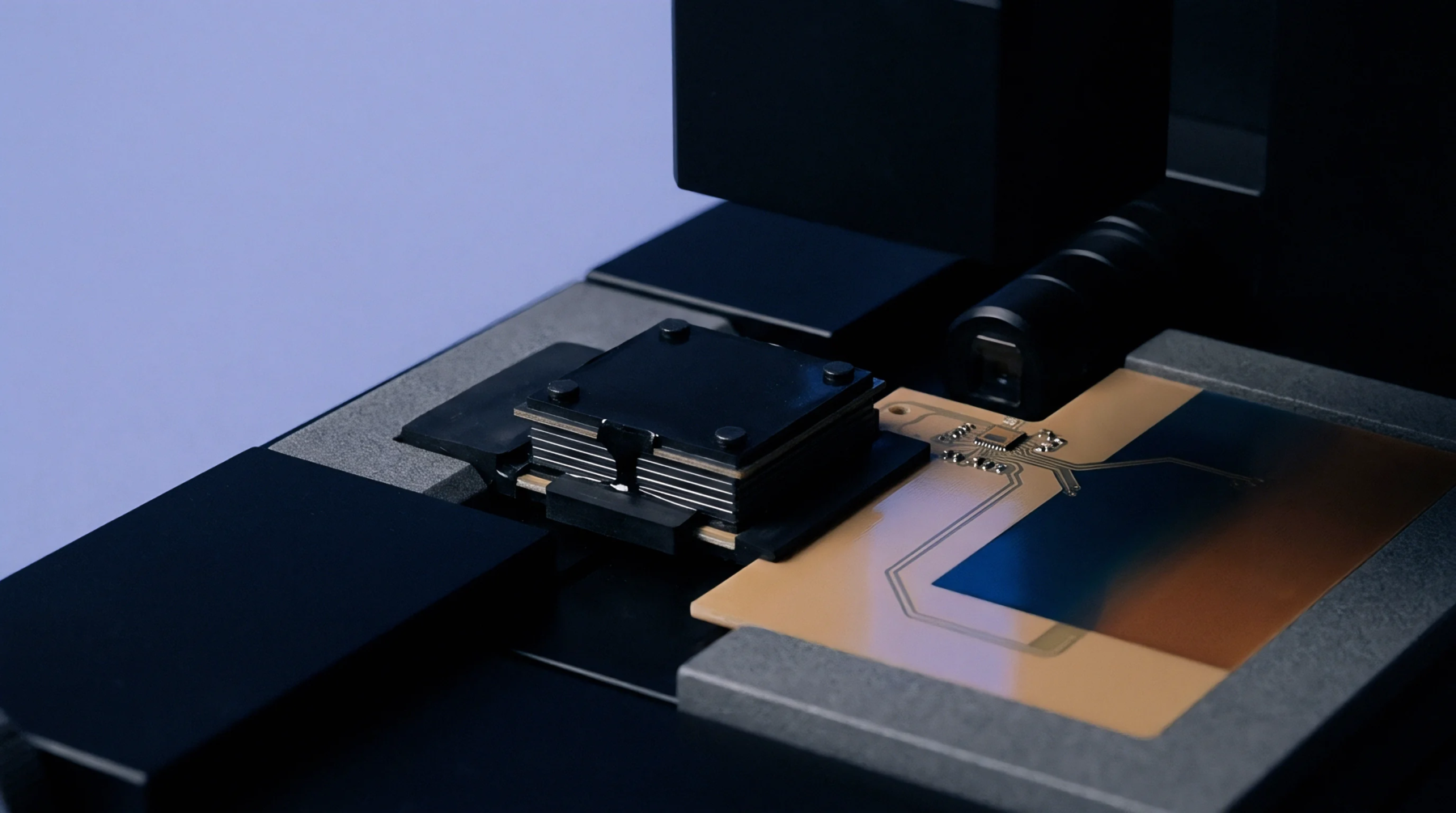
Kinematic drift in multi-axis test stations stems from thermal gradients and contact fretting, demanding hardened seats and active vision recalibration.

Unmonitored sensor drift shifts stoppage costs to the tooling custodian unless contract terms explicitly require continuous automated telemetry logging.

Optimizing defect-dense polysilicon passivates parasitic surface conduction, holding substrate resistivity above three kilo-ohm-cm to cut harmonics past ninety dBc.
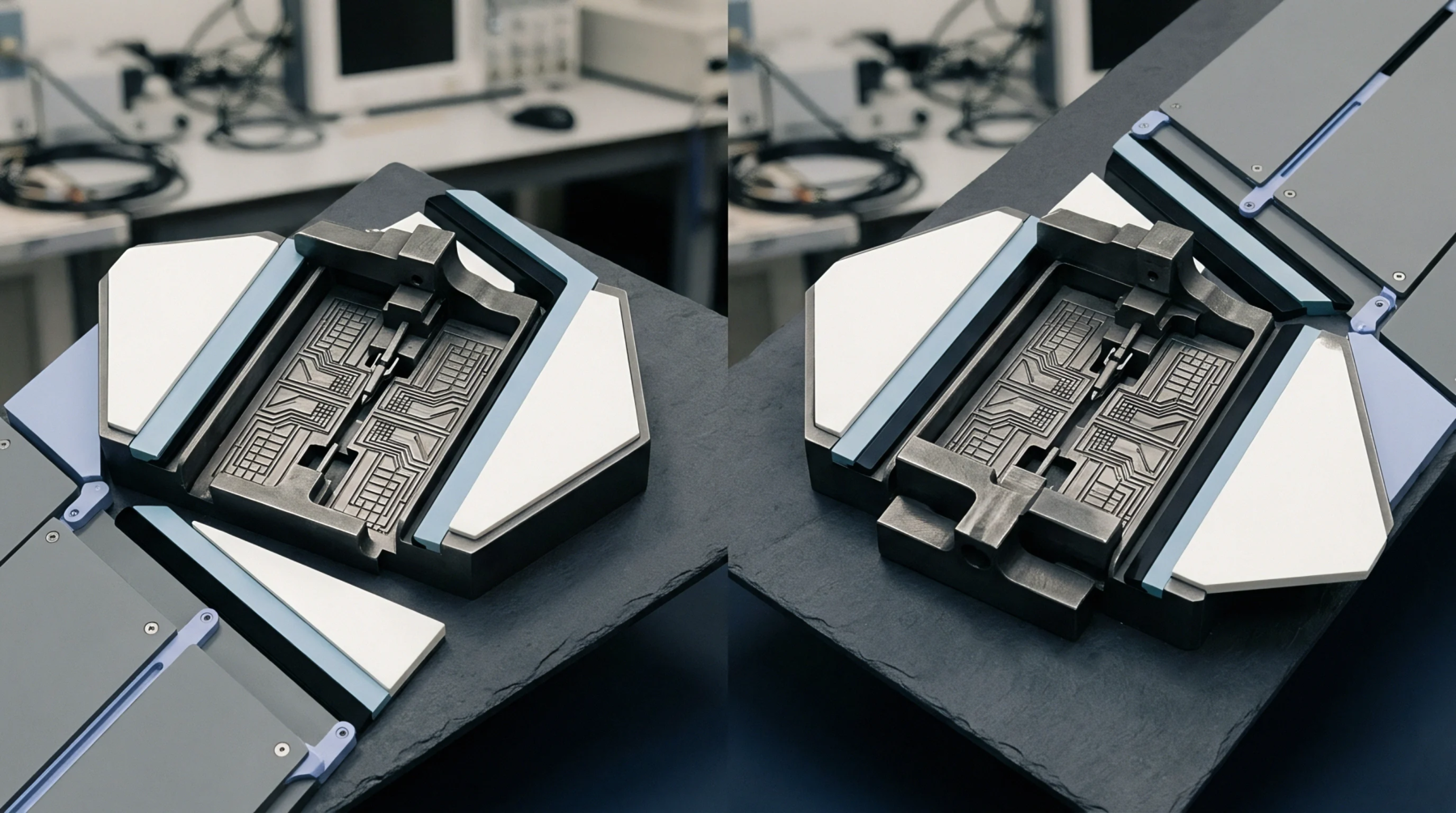
Firmware updates modifying transmitter power, duty cycle, or spurious emissions demand a Class II Permissive Change filing before deployment.
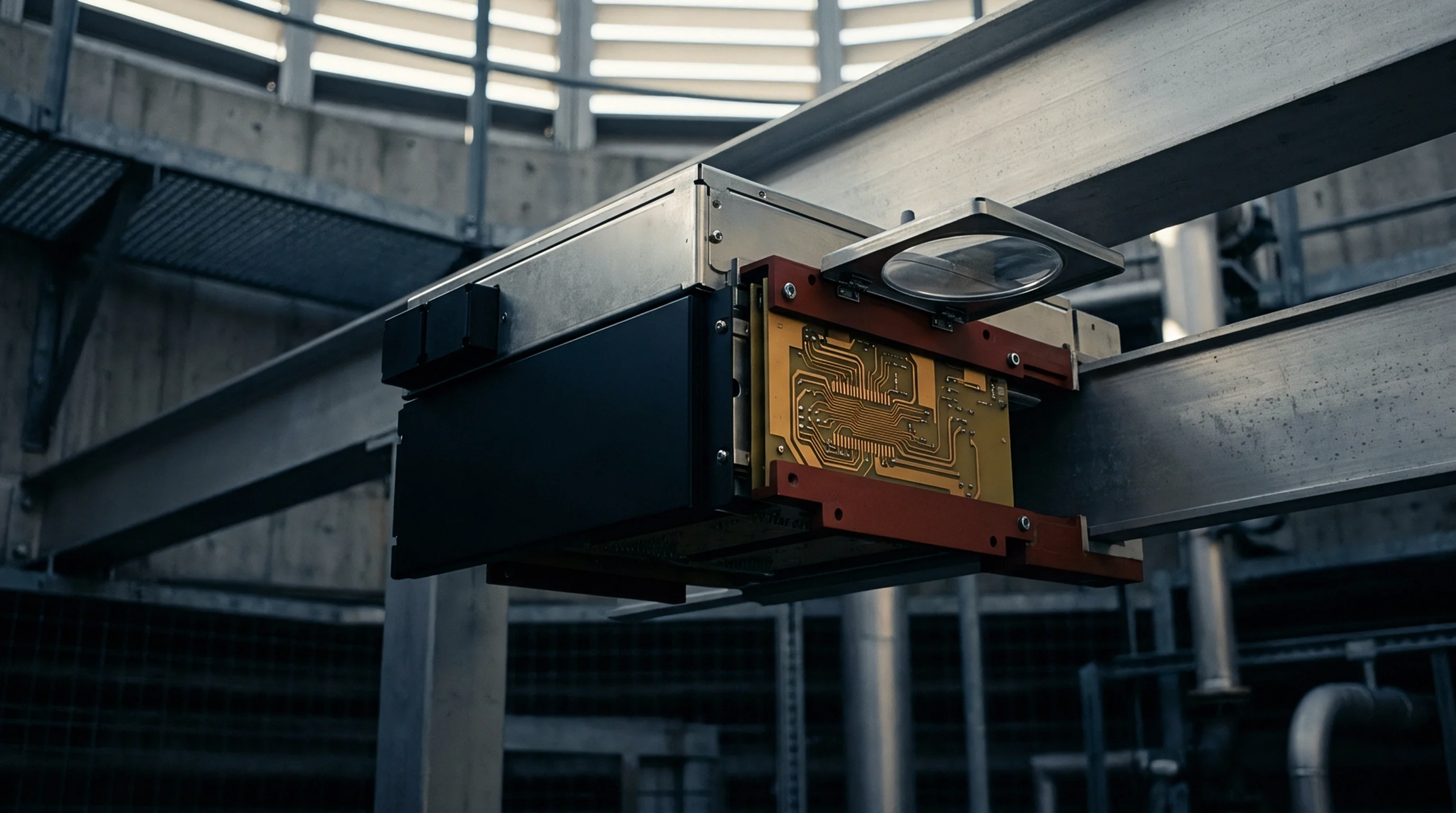
Statistical process control limits for placement fixtures isolate pocket wear and thermal expansion from machine gantry errors to prevent component pad misalignments.
Expertise is a utility, not a secret. sentiention™ publishes its working knowledge as open reference: intelligence layer covering the materials it sources, the markets it enters, and the reference that serves both.