
Determining Customs Classifications for High Density Electronic Component Packaging
Verify packaging internal discretes against HS Note 9(b)(4) before import to prevent reclassification from duty-free ICs into detained wireless apparatus.

Verify packaging internal discretes against HS Note 9(b)(4) before import to prevent reclassification from duty-free ICs into detained wireless apparatus.

Closed-loop sub-GHz tuners degrade net radiated power unless antenna mismatch loss exceeds the two-decibel threshold of switch and sensor insertion dissipation.

Low-frequency pre-scan correlation requires analytical transfer functions compensating for enclosure wall reflections, reactive coupling, and antenna factor shifts.

Sub-GHz antenna detuning increases transmit current over eighty percent, triggering severe battery voltage droop that demands hybrid capacitor buffering.

Antenna detuning shifts transmitter power amplifier load impedance away from nominal conjugate match, slashing power added efficiency and draining battery reserves.

Standardized field uniformity verification prevents pre-scanning errors by mapping spatial grid power profiles inside compact immunity enclosures.
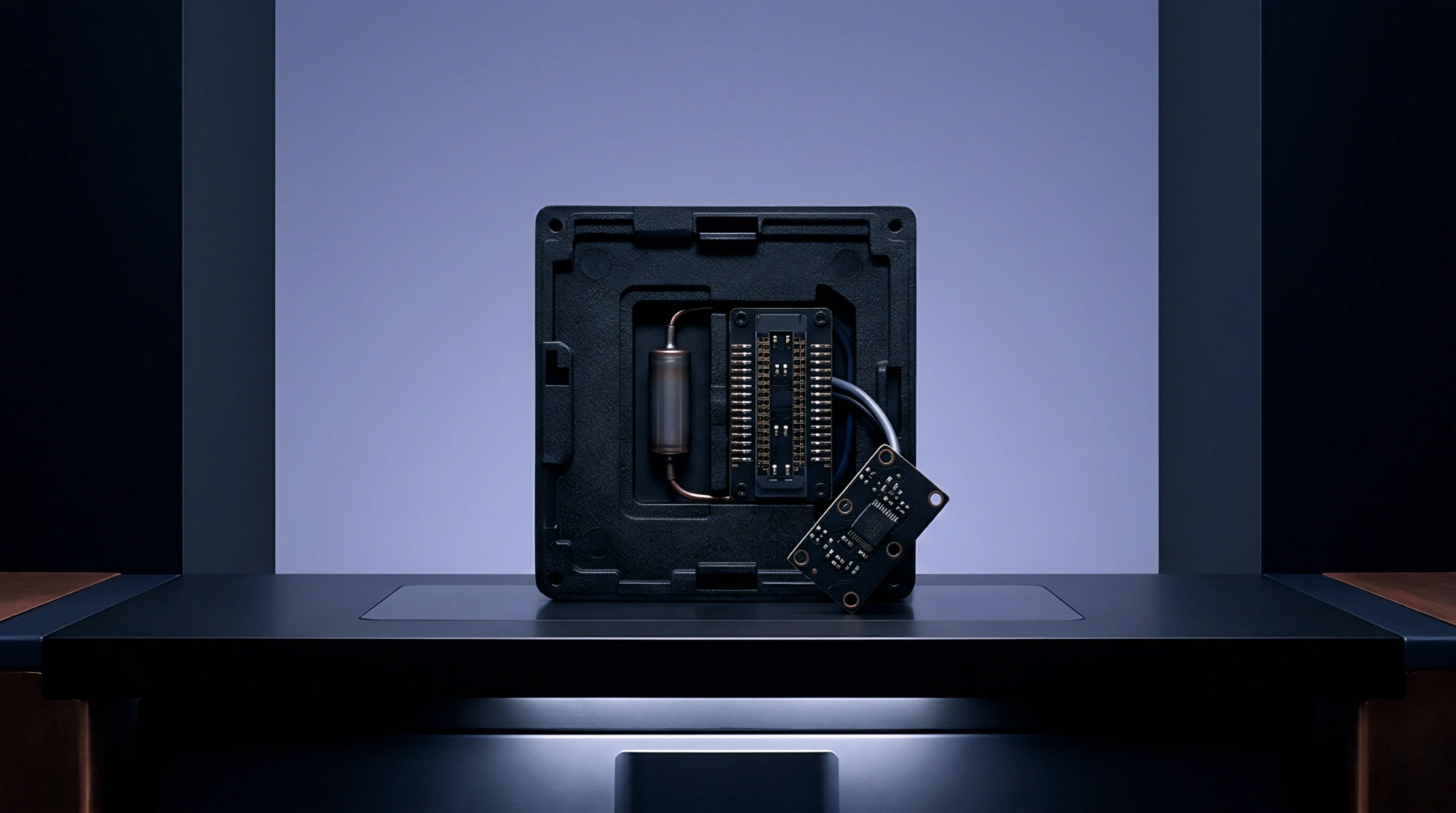
Firmware recall attribution requires non-volatile hardware fault logging, frozen containerized build artifacts, and strict contractual defect liability schedules.

Dense transceiver enclosures generate common-mode currents and dynamic intermodulation across metal seams, requiring early near-field scanning to prevent costly compliance retests.

Resolving host enclosure resonances relies on identifying cavity modes and sealing seam apertures before submitting embedded radios for regulatory scans.

Firmware recall liability hinges on reproducible build environments and binary component attribution before contract liability caps take effect.
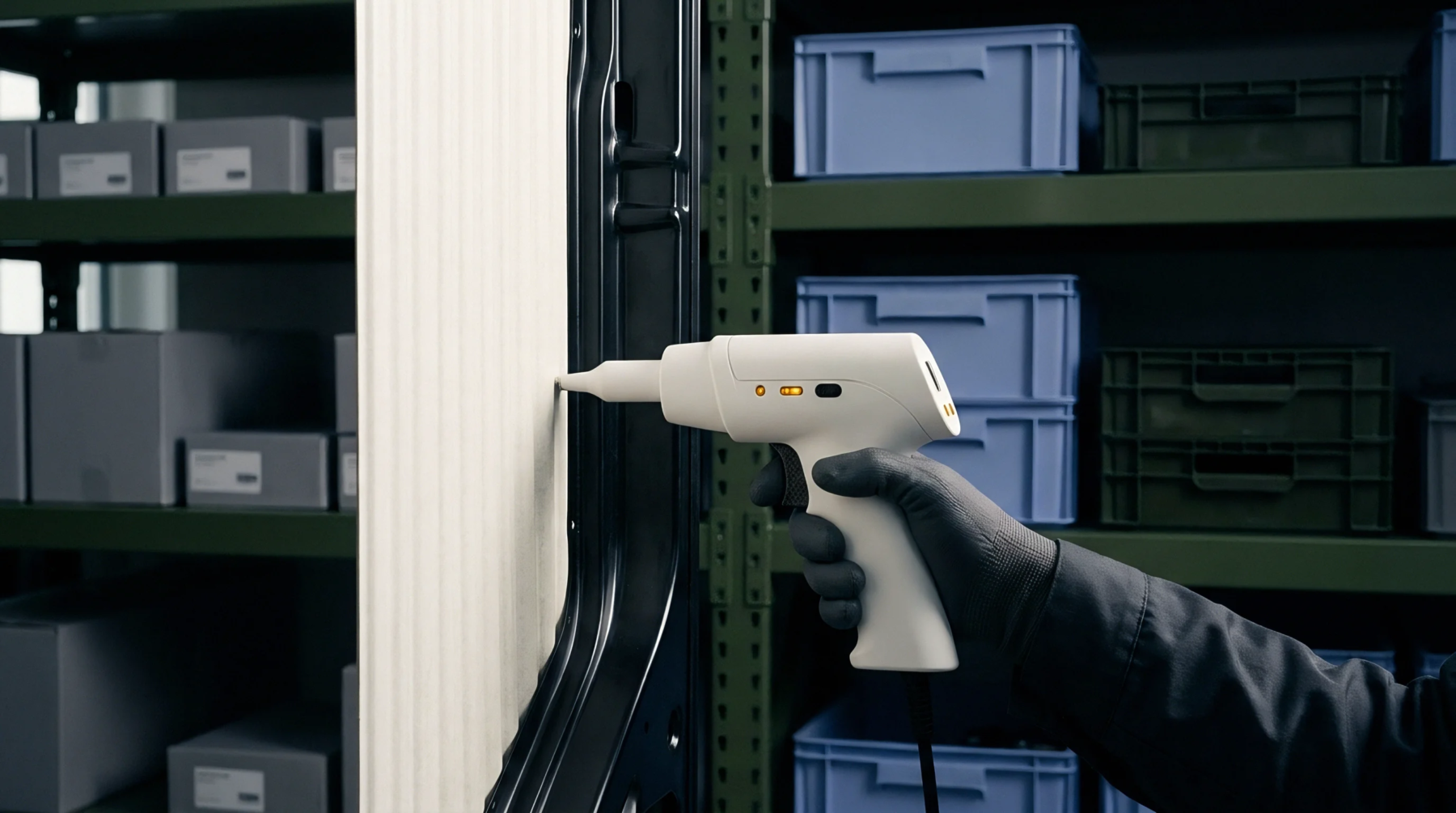
Diagnosing parasitic radiated emissions requires tracing clock harmonic return loops, suppressing cavity resonance, and validating simultaneous transmission grants.

Reconciling international MRA discrepancies in modular radio dossiers requires structured delta testing to satisfy regional radiated limits and CAB scopes.

Stochastic landed cost models dictate dynamic allocation of module assembly volume across bonded regions to neutralize ocean freight spikes and sudden tariff jumps.

Aggressive dynamic CCA elevation trades spatial isolation for medium concurrency, raising co-channel interference floors and forcing MCS drops on distant stations.

Optimal volume split modeling balances factory fixed cost overhead against country duty rates to minimize landed module cost.

Verify laboratory regulatory recognition listings rather than general accreditation badges to prevent unbudgeted retesting and market entry delays.

IEEE 802.11ax OBSS-PD threshold scaling elevates preamble detection up to -62 dBm while mandating a proportional 1:1 transmit power back-off to balance reuse.

Dynamic Clear Channel Assessment adjusts signal detection thresholds to suppress deferral and restore airtime in high-density Wi-Fi networks.

Base foreign manufacturing costs hinge on automated machine cycle times, localized substrate procurement, and tariff transformation rules rather than labor rates.
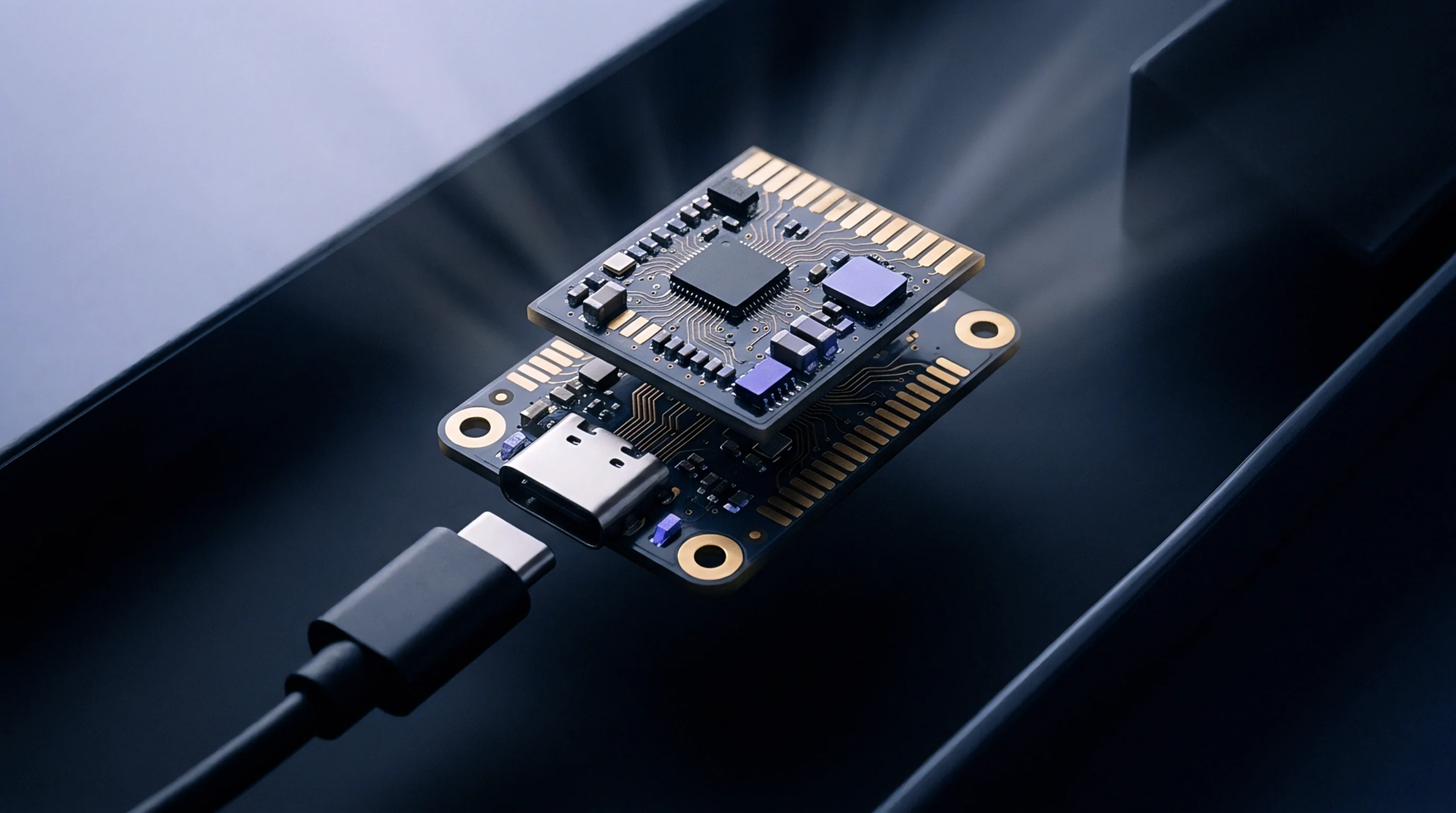
Auditing ISO IEC 17025 test reports against active laboratory scope schedules prevents expensive certification rejections and product market holds.

Suppress colocation intermodulation spurious emissions in tight metallic enclosures by combining high-rejection PA filters with lossy magnetic cavity absorbing sheets.

Severe antenna detuning elevates power amplifier current and airtime during profile reselection, driving battery voltage below shutdown limits.
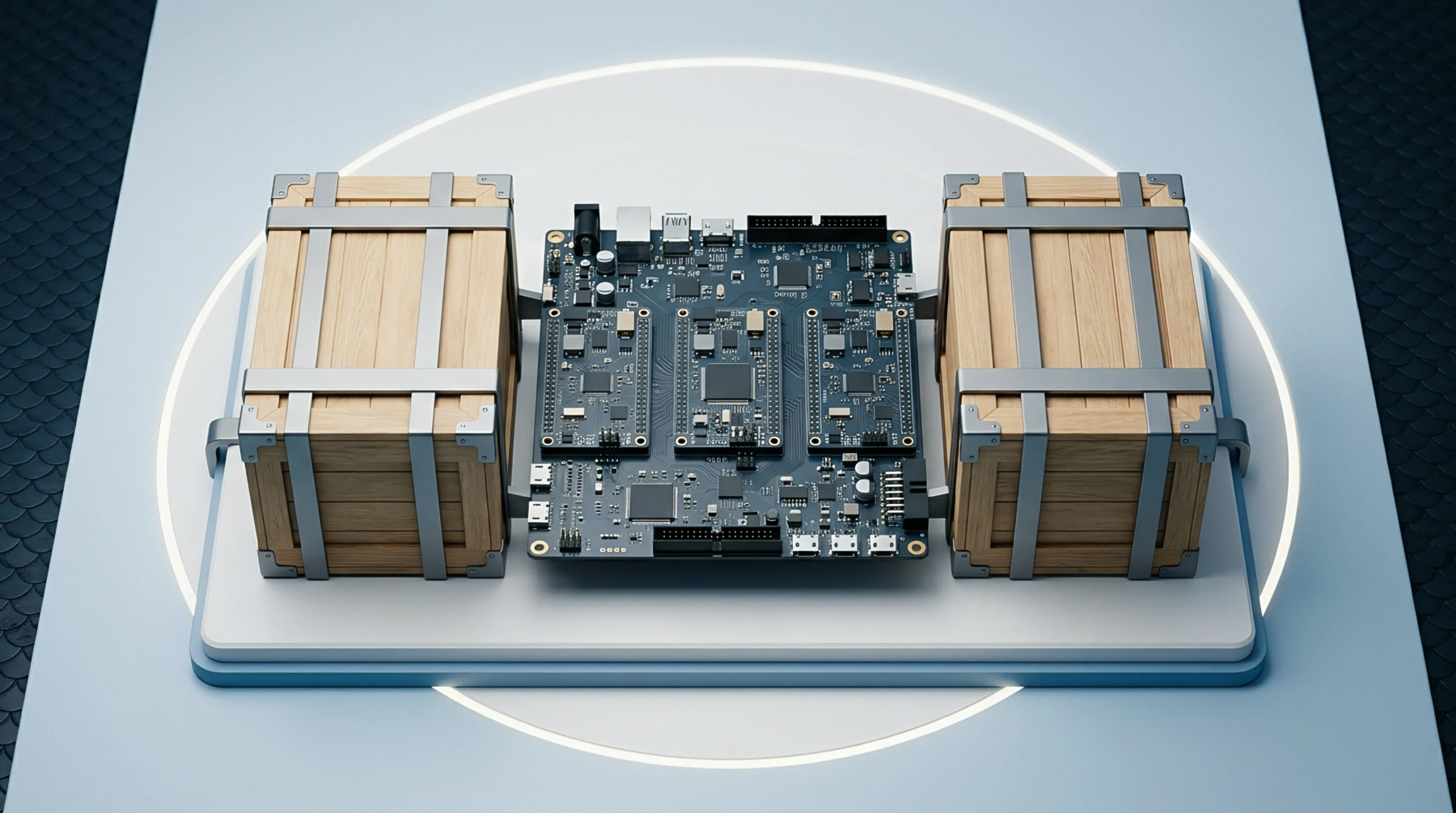
Mitigating board noise desense requires unbroken ground planes, filtered switching stages, and RF shielding cans to preserve receiver sensitivity margins.
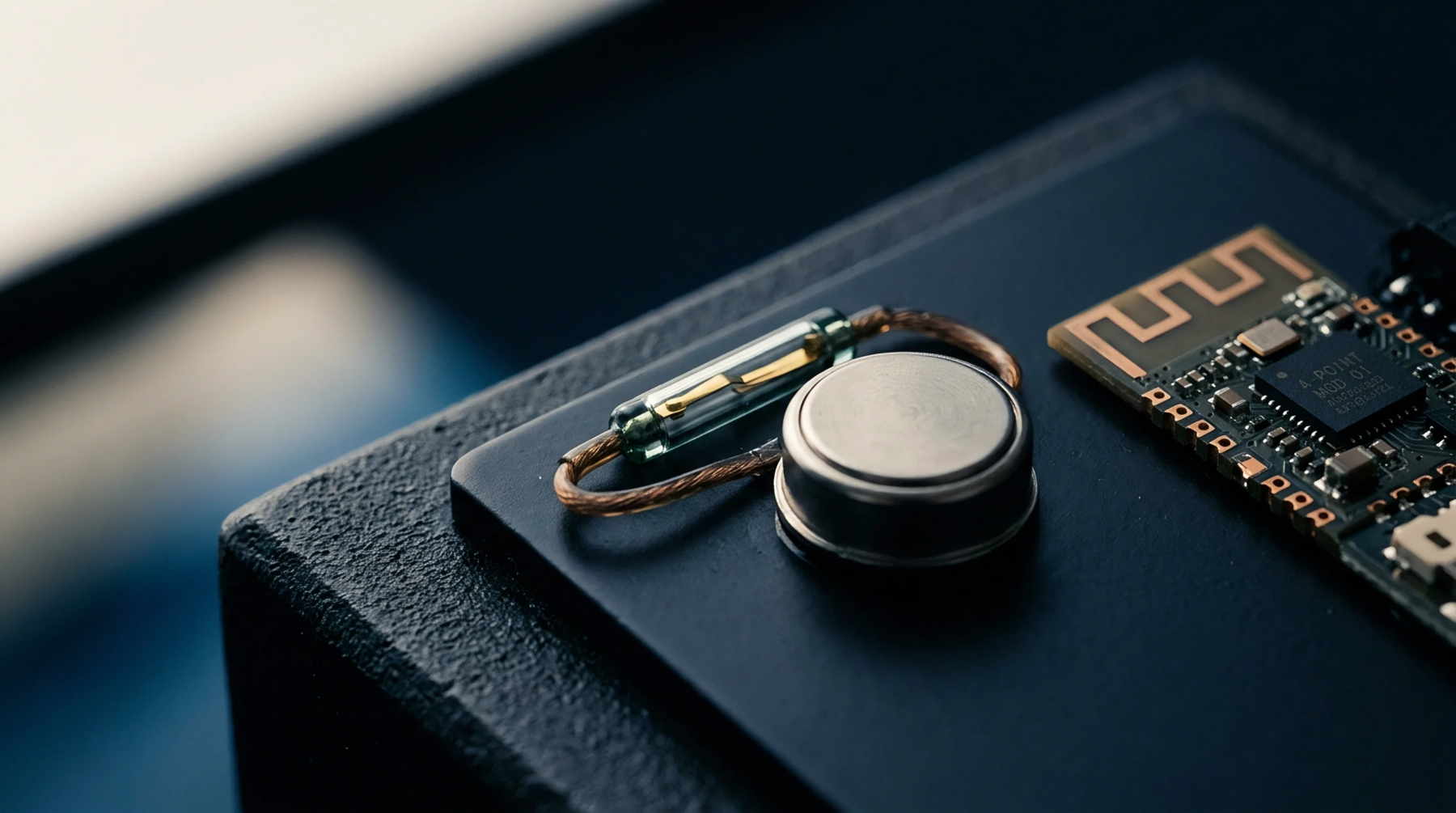
Nanolaminate ALD passivations resist cyclic shear stress during RF transmit bursts when individual sub-layer thicknesses remain below critical slip limits.

Dielectric alterations to certified radio modules alter antenna impedance and radiated emissions, triggering permissive change filings across major global jurisdictions.
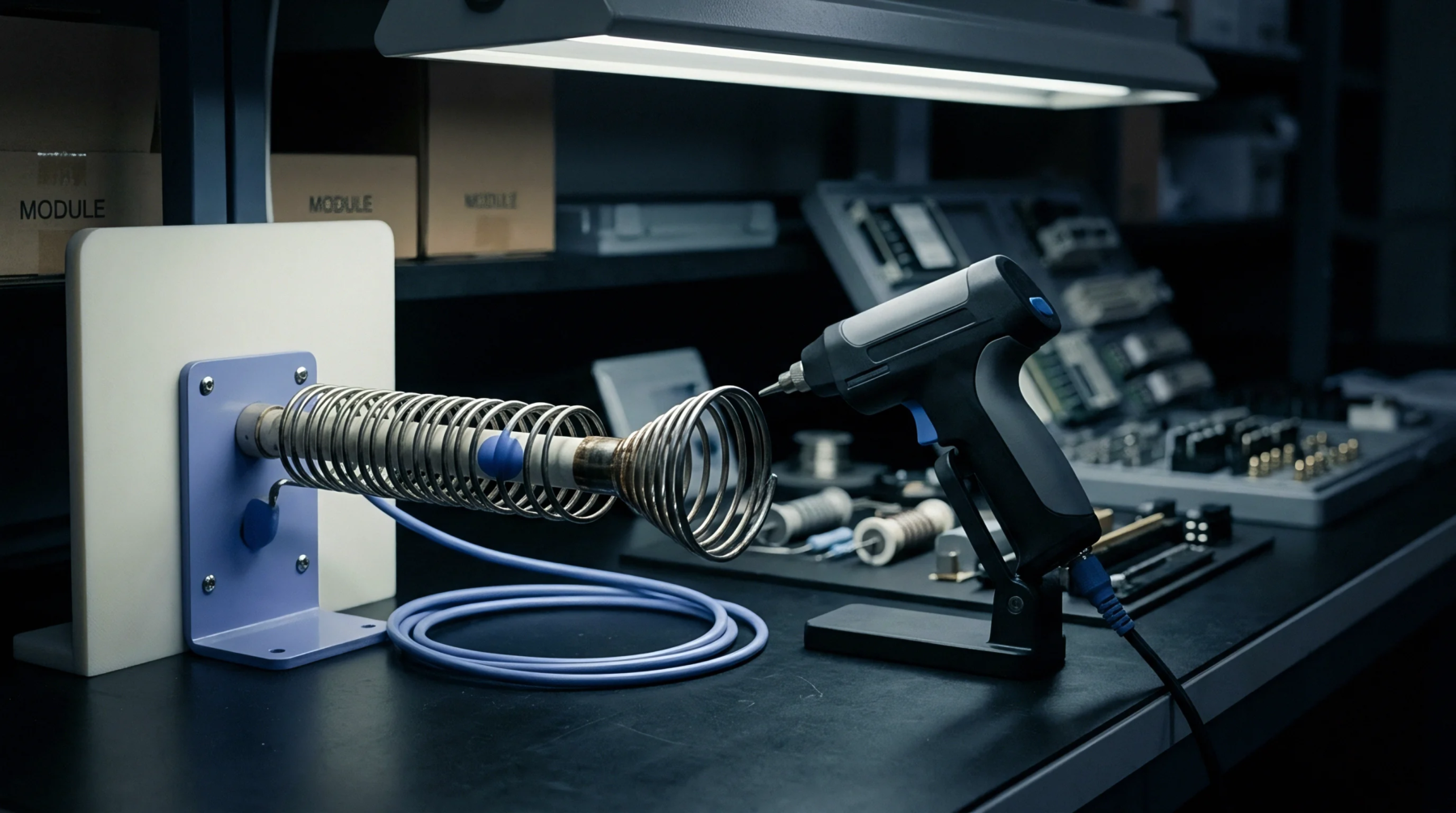
Cross site RF test jig attenuation variances demand de-embedded scattering matrices, golden board transfer protocols, and automated thermal drift offsets.

Automating IPC-2581 stack-up parsing aligns secondary factory laminate inventory with signal integrity targets, eliminating manual engineering delays and scrap.

Verifying native CAD and firmware source files during design transfer prevents unlinked components, build failures, and costly manufacturing delays.

Encapsulating transmitters alters dielectric loading, detuning antennas and shifting RF exposure boundaries, demanding re-evaluation of emissions and SAR compliance.

Securing global port radio approvals for off-grid cryptographic seals requires matching regional sub-GHz power ceilings before final host integration.
Expertise is a utility, not a secret. sentiention™ publishes its working knowledge as open reference: intelligence layer covering the materials it sources, the markets it enters, and the reference that serves both.