
Real Time Clock Drift Mechanics in Uncompensated Outdoor Sub-GHz Nodes
Uncompensated 32.768 kHz outdoor sub-GHz clock drift expands receive guard windows, draining primary batteries and risking channel filter loss under thermal extremes.

Uncompensated 32.768 kHz outdoor sub-GHz clock drift expands receive guard windows, draining primary batteries and risking channel filter loss under thermal extremes.

Dynamic preamble tracking and thermal mass matched hardware RTC compensation recover 6 dB sensitivity and align sleep windows under extreme thermal shock.

Dual site binary blob integration relies on deterministic checksum gating, synchronized flash partition maps, and hardware security module key isolation across lines.

Reconciling customs import valuations with radio type approval scopes requires aligning declared hardware assists and software royalties with granted technical limits.

Customs valuation of radio modules excludes embedded firmware value when software licensing is contractually unbundled and invoiced on separate line items.

Un-steered roaming profiles eliminate SIM applet rejection sweeps, preserving cellular tracker battery capacity across international borders.

Official Journal harmonized standard expiration dates are governed by the Date of Cessation of Presumption of Conformity listed in Commission publications.
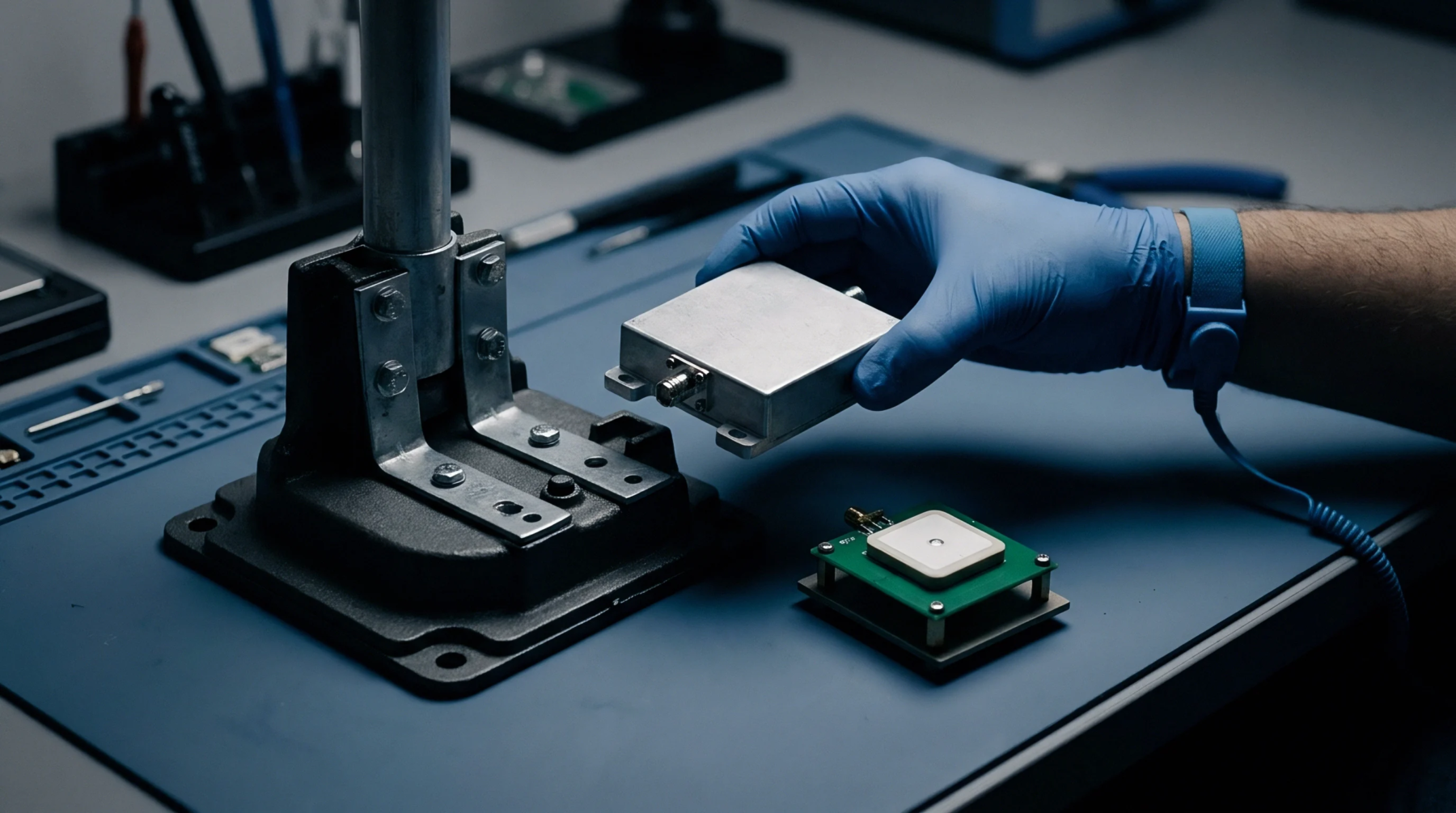
Incomplete wireless Declarations of Conformity trigger immediate customs red-lane quarantine, imposing daily port demurrage charges until host-level documentation clears.
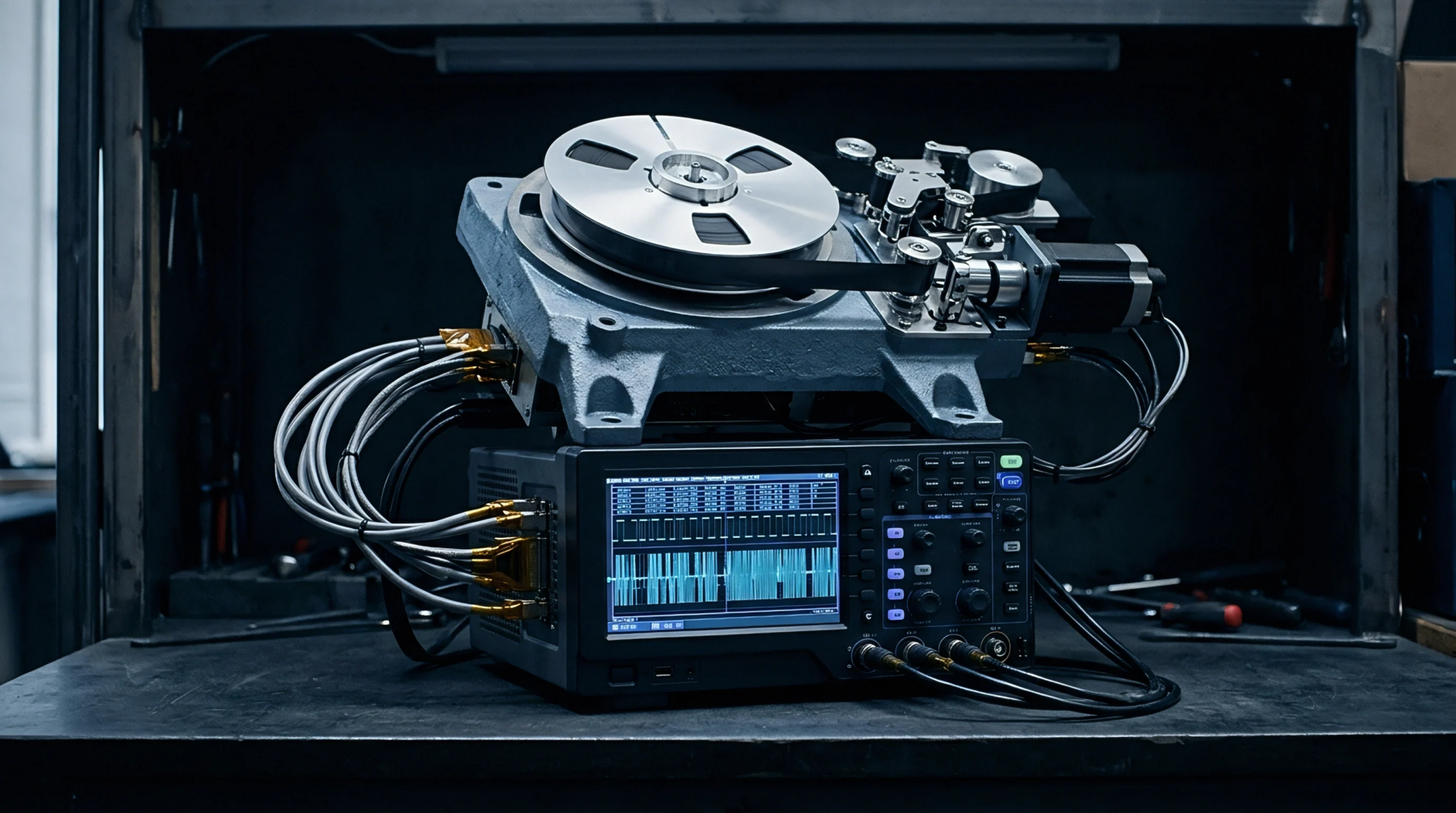
Cast aluminum plate delivers isotropic thermal expansion across all orthogonal axes due to its stress-relieved equiaxed grain structure.

Host modular radio audits prevent costly market re-certification by verifying trace layout specs, exposure limits, and grant scope before compliance filings.

Continuous integration firmware escrow verification relies on deterministic build containers and automated physical test vector benches to resolve synchronization disputes.

Dynamic thermal gradients across sub-microamp sleep clocks induce transient frequency drift exceeding static crystal parabolic tolerances by 150 ppm.
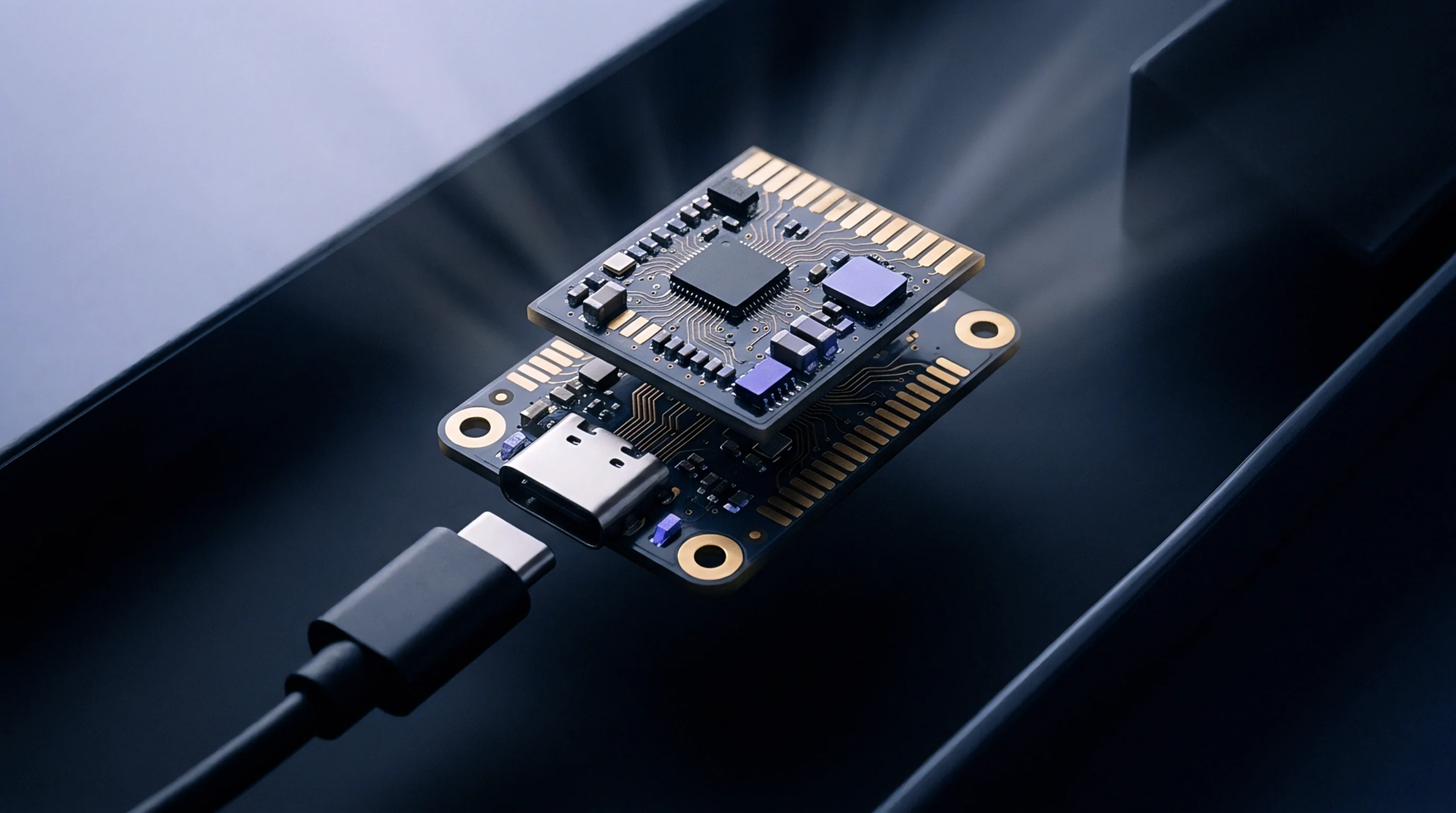
Volumetric site voltage standing wave ratio in hybrid chambers isolates 3D quiet zone reflections by converting normalized spatial field ripples into linear ratios.

Unbundling engineering deliverables separates physical component supply from native design files, firmware repositories, and test fixtures, ensuring dual-sourcing rights and transparent landed costs.

Drift-compensated guard windows reduce active receiver wake duration by narrowing timing margin based on tracked phase offset and thermal variance.

Dense multi transmitter hosts require mathematical modeling and chamber isolation of intermodulation products to prevent compliance rejections across global regulatory filings.

Baseband register drift across silicon steppings requires dynamic runtime register lookup tables tied to hardware ID registers to prevent silent write failures.

Trap rich polysilicon layers freeze interface charges to hold high resistivity and suppress switch harmonics below minus eighty dBc.

Structuring cross-border packaging indemnification demands uncapped IP liability carve-outs, IPC-2581 design escrow, and unbroken sub-tier flow-down covenants.

Co-located modular SAR permissive change compliance depends on distance, combined transmit power, and SPLSR calculations to avoid Class II testing.

Regulatory certification failure liability depends on linking contract milestone payments and indemnification clauses to accredited lab test reports.

Resolve regulatory technical file disputes by embedding tripartite direct-to-authority escrow release covenants into module procurement contracts.

Substrate dielectric tolerance and etch variance shift trace impedance, raising return loss and degrading RF power amplifier efficiency in custom module designs.

Module IP management requires defining baseline assets, acquiring raw CAD and containerized build packages, and securing clear derivative assignment.

Liquidated damage allocations for optical inspection failures require multi-tiered downtime formulas backed by cryptographic system logs to withstand cross-border enforceability challenges.

Quantifying shear rates and gate geometry limits prevents fiber length attrition, tool surface erosion, and mechanical strength loss in molded composite parts.

Foreign statutory possessory liens defeat emergency arbitral surrender orders under lex situs unless substitute financial security is deposited to release the asset.

Modifying host enclosure materials demands FCC permissive change evaluation when dielectric properties or metallic proximity alter radiated emissions or SAR values.

Host enclosure modifications invalidating embedded radio grants require fresh host-level testing and updated labeling prior to customs clearance.

Polymer radome transmission loss at mmWave frequencies depends on dielectric loss tangent and wall thickness precision to maintain regulatory EIRP compliance.
Expertise is a utility, not a secret. sentiention™ publishes its working knowledge as open reference: intelligence layer covering the materials it sources, the markets it enters, and the reference that serves both.