Harmonic Trap Topologies for Co-Located Cellular and Wi-Fi Front Ends
Harmonic traps suppress cellular spurious emissions to protect co-located Wi-Fi receivers and prevent laboratory retests that delay market filings.

Harmonic traps suppress cellular spurious emissions to protect co-located Wi-Fi receivers and prevent laboratory retests that delay market filings.

Configure LTE-M Power Save Mode by auditing granted T3412 and T3401 timers on carrier networks to prevent active listening drain from exhausting batteries.
Ultra-narrowband Sub-GHz communication demands sub-ppm crystal stability and rigorous close-in phase noise management to prevent adjacent channel failure.

Verify unredacted ISO 17025 test dossiers, local band compatibility, and vendor test-firmware support before purchase to avoid border seizures.
Regional sub-GHz power ceilings require harmonic filters balancing up to 71.2 dB rejection against insertion loss to preserve battery life and link margin.
Laminate thickness collapse from uncontrolled resin flow forces costly radio recertification, shifting liability to fabricators only under strict RF covenants.
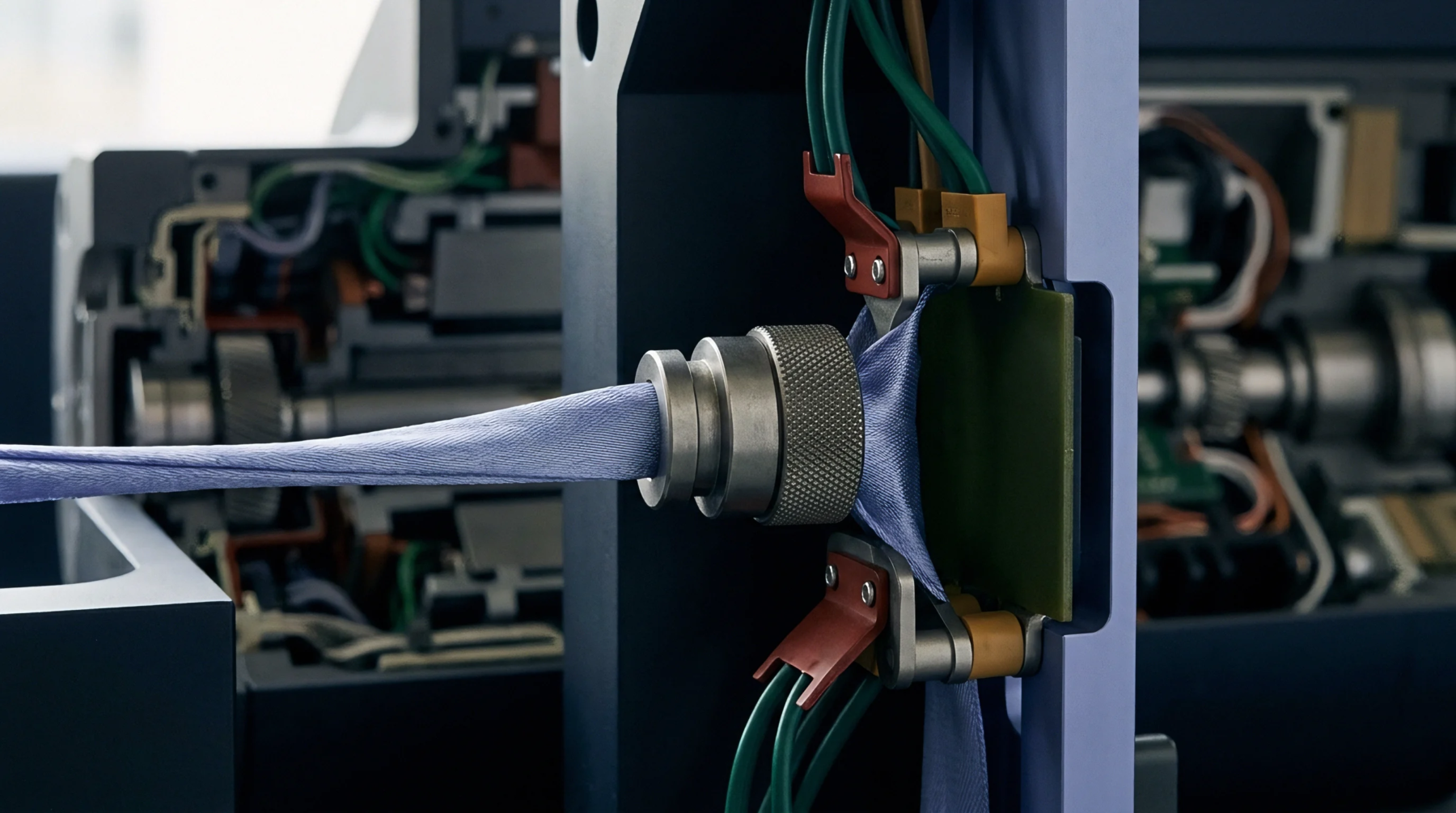
Mitigating enclosure passive intermodulation requires non-magnetic interfaces, high joint clamping pressures, and strict component plating to safeguard receiver noise floors.

Modular radio approvals fail to transfer automatically to host systems across ASEAN markets, requiring dedicated host testing, local agents, and distinct filings.

Allocate radio respin expenses by enforcing IPC coupon data to prove substrate dielectric variance, debiting tooling and testing costs to the responsible vendor.

Southeast Asian radio approvals require fragmented local filings, mandatory in-country testing, and authorized local representation across each trade channel.
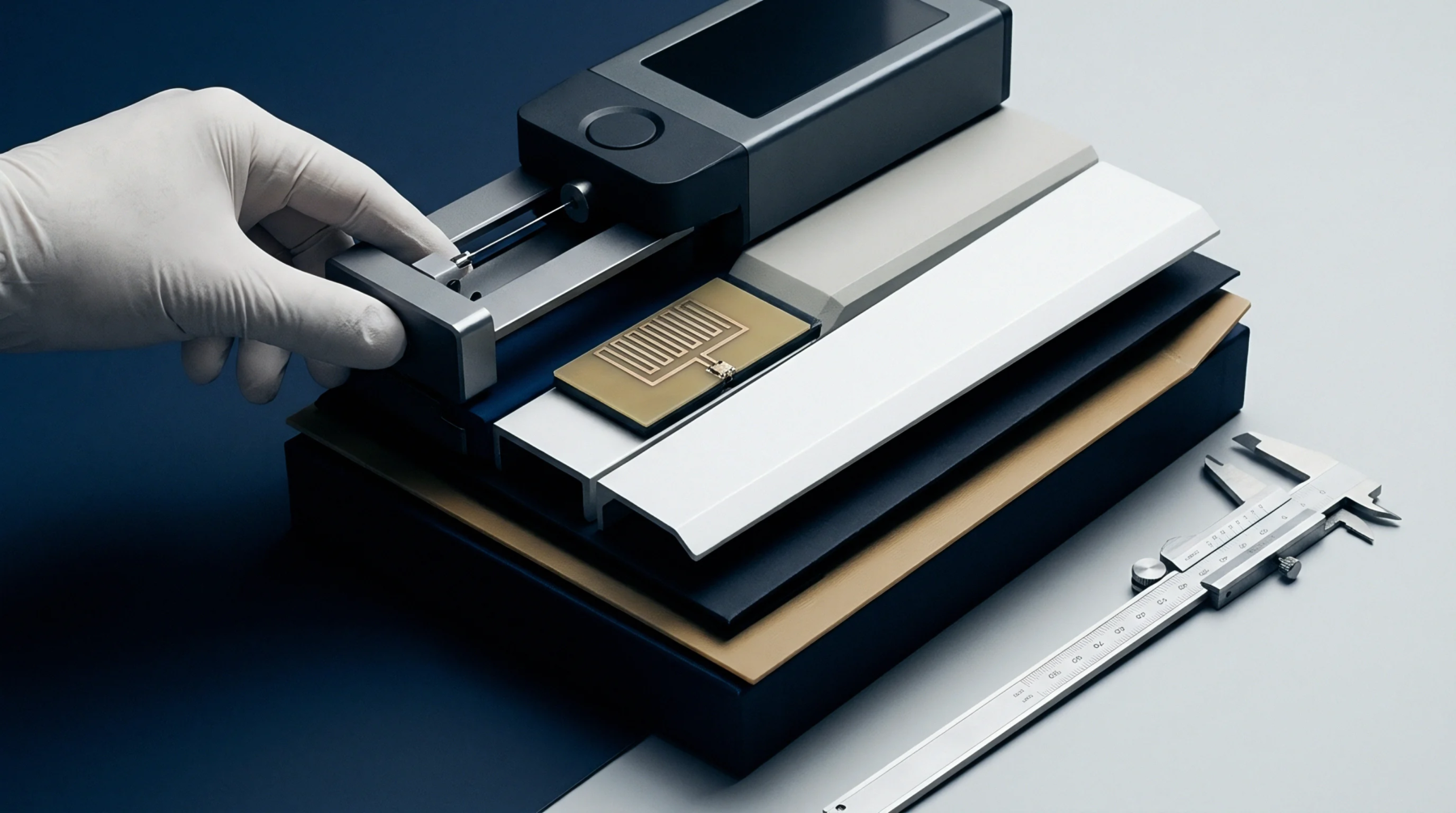
Firmware handovers require audited source code boundaries, containerized reproducible toolchains, and verified escrow release triggers to mitigate patent risk.
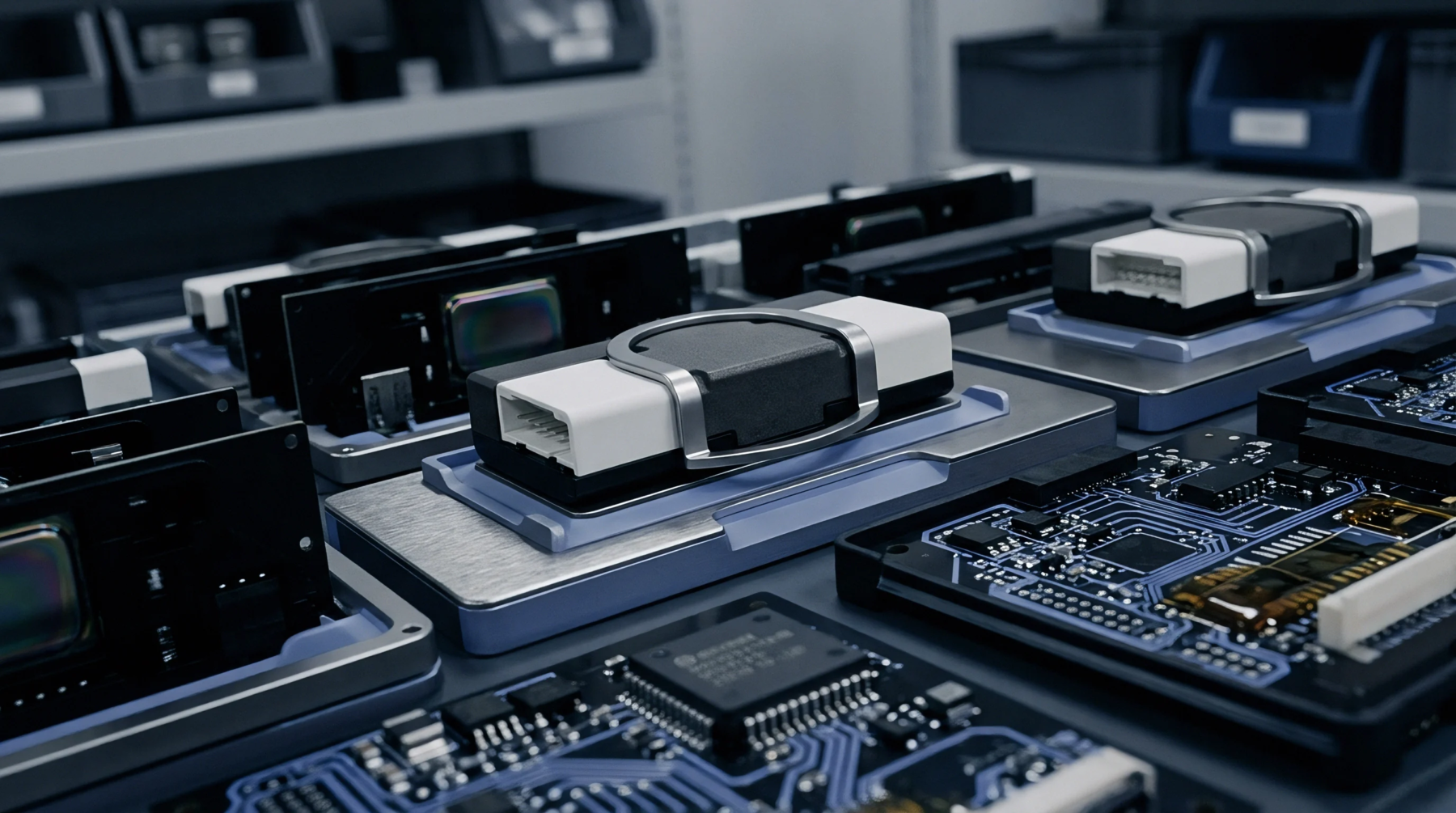
Verify multilayer RF microstrip impedance using calibrated on-board TDR probing to reveal hidden etch and resin shifts that margin coupons routinely mask.
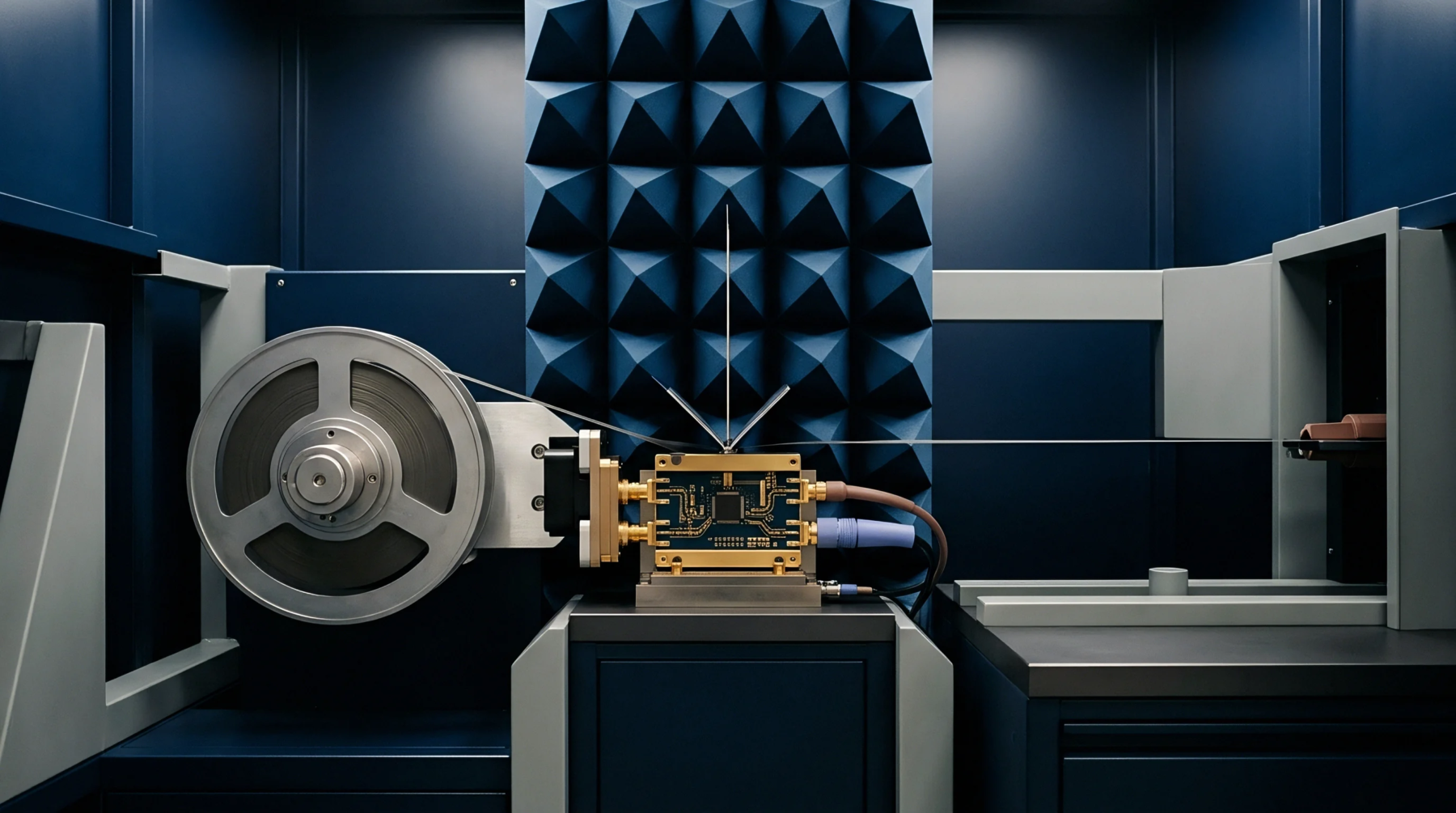
Sub-GHz range depends on matching transceiver front-ends to complex load impedances while satisfying regional power, duty-cycle, and harmonic rules.
Regulatory grant custody dictates dual-source viability: the grantee controls Class II permissive change filings, regardless of who financed the hardware design.
Reconciling radiated spurious discrepancies requires isolating setup mechanics, chamber reflection delta, and antenna calibration offsets under bilateral pacts.

Primary lithium voltage delay during synchronized mesh search cascades requires parallel hybrid storage or staged firmware preconditioning to prevent brownout.
Configure sub-GHz exponential backoff timers to sleep during extended contention slots, matching battery recovery curves to prevent brownouts.

Cross-border radio approvals require isolating regional gaps between European receiver-centric standards and North American transmitter-focused filing grants.

Executing wireless hardware design transfer packages requires native CAD files, reproducible firmware build trees, and calibrated automated RF test fixtures.
Mutual recognition frameworks eliminate redundant overseas radio testing by allowing accredited domestic bodies to issue valid destination market authorizations.
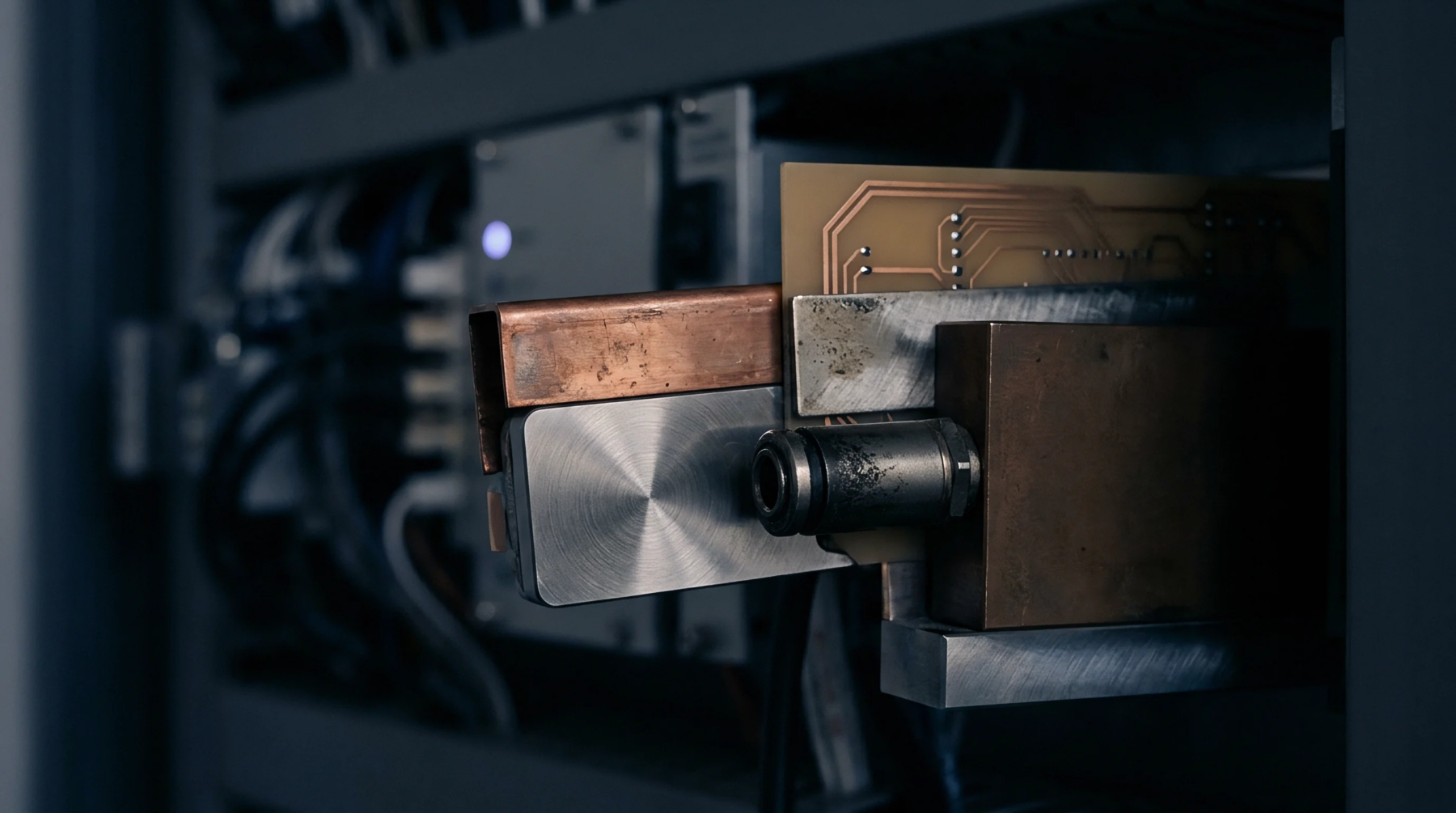
Allocate multi-vendor integration risk by contractually defining register-level silicon errata boundaries and capping software workaround engineering expenses.
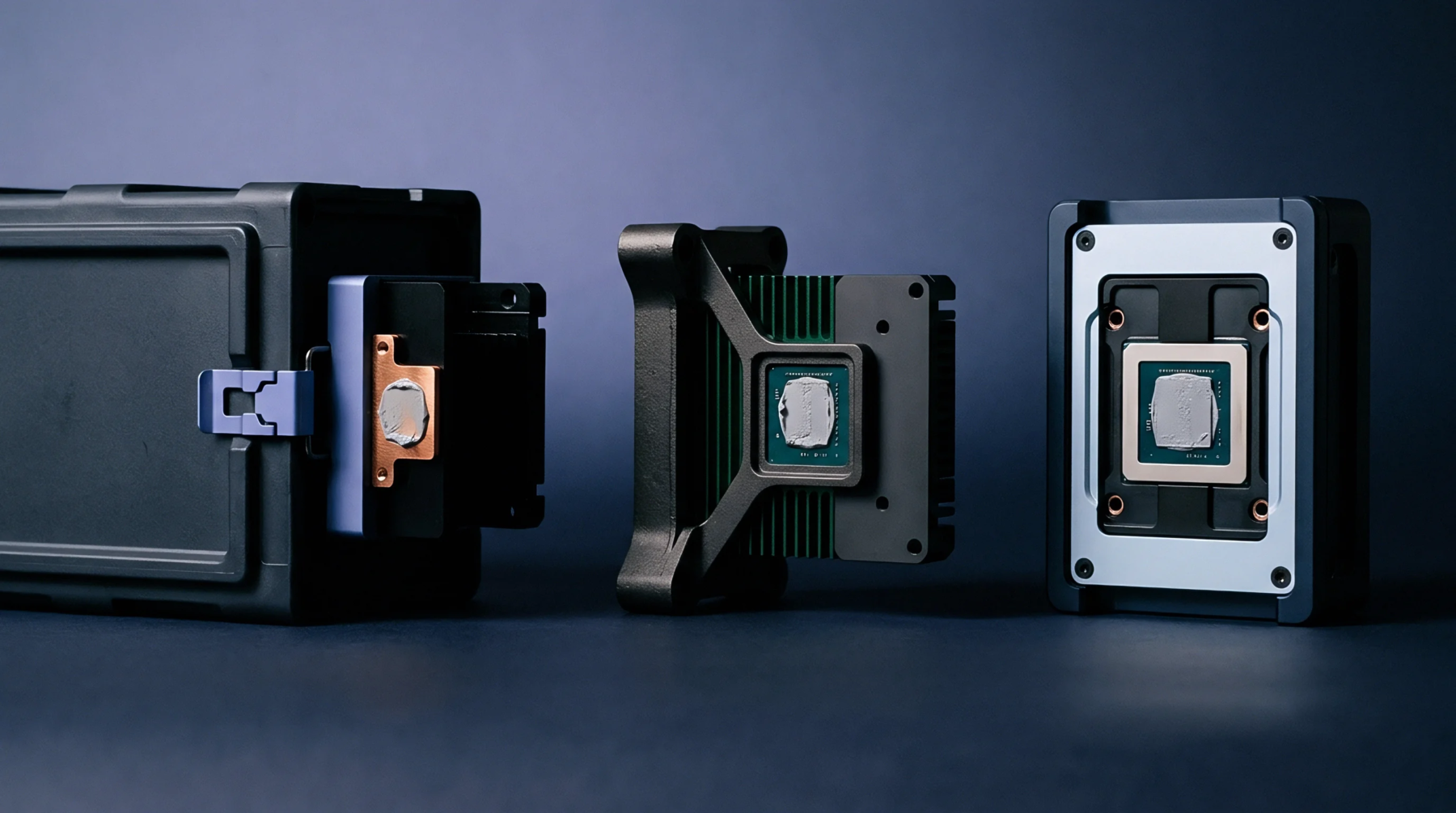
Cross-border radio clearance requires aligning host antenna gains and trace layouts with modular grant limits to avoid entry holds and permissive changes.

Throttle mesh rejoining sequences using restricted channel masks, exponential backoff with jitter, and cached keys to eliminate battery-draining continuous RX.
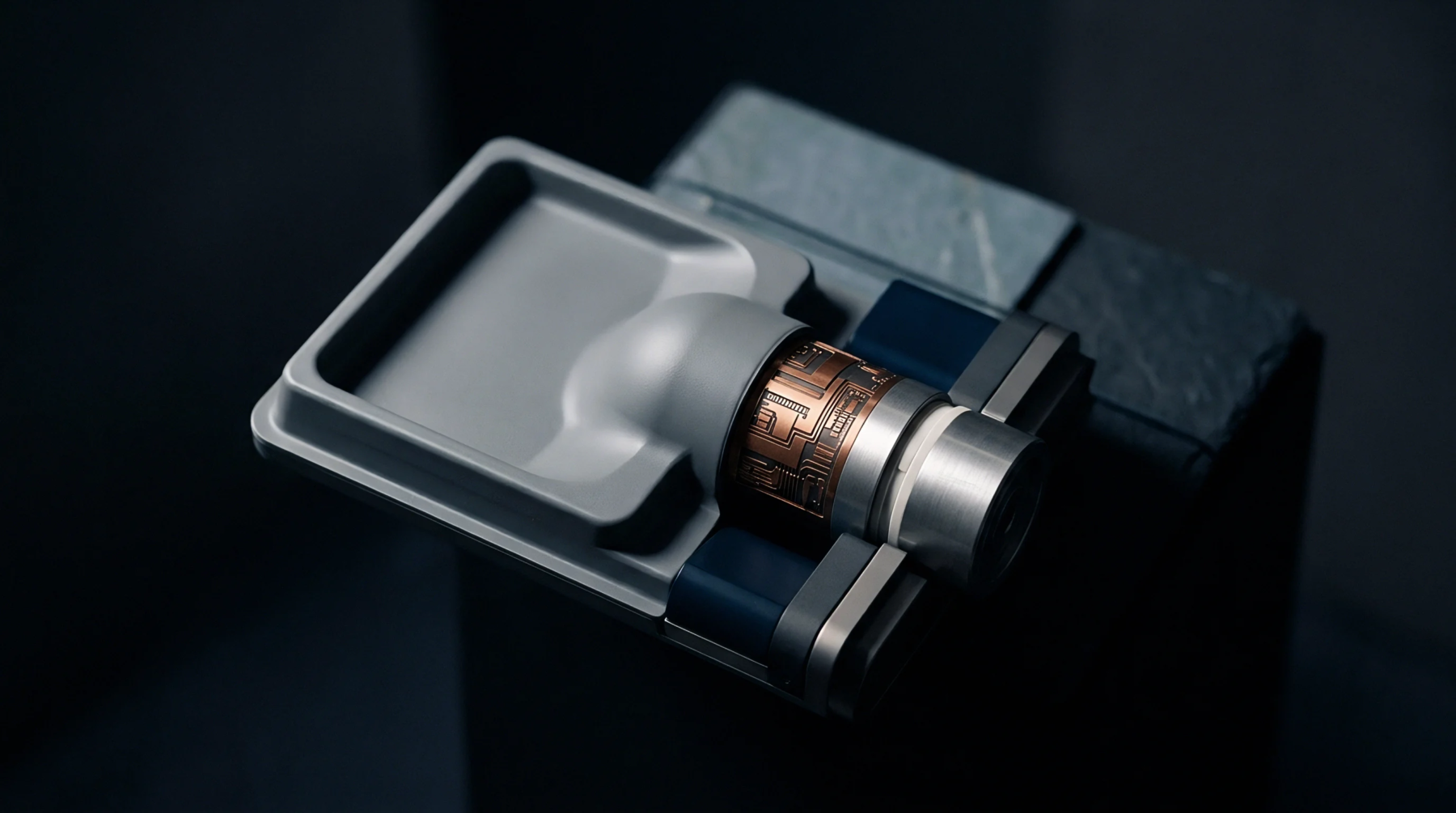
Transferring hardware across tiers succeeds only when native CAD constraints, containerized firmware builds, and custom test tooling stay under buyer custody.

Sub-gigahertz duty cycles enforce throughput limits that increase latency, whereas 2.4 GHz bands accept higher co-channel interference for deterministic timing.

Decouple non recurring engineering into milestone payments to preserve design ownership, eliminate inflated bill of materials markups, and secure transfer rights.

Sub-GHz links deliver up to 9 dB lower path loss and strong obstacle penetration, but 2.4 GHz transceivers reduce energy per bit and simplify global compliance.

Radio assembly classification turns on standalone RF transmission capability while dutiable valuation requires full reconciliation of offshore assists.

Verifying tariff line data against regulatory agency records before customs filing prevents shipment holds and bond forfeiture.

Unannounced semiconductor die steppings bypass standard module warranties, requiring buyers to bind suppliers through liquidated damages and register audits.
Expertise is a utility, not a secret. sentiention™ publishes its working knowledge as open reference: intelligence layer covering the materials it sources, the markets it enters, and the reference that serves both.