
Drafting Module Level Functional Test Acceptance Specifications
Draft rigorous module test acceptance specifications using strict parametric limits, diagnostic firmware protocols, and auditable production data logging.

Draft rigorous module test acceptance specifications using strict parametric limits, diagnostic firmware protocols, and auditable production data logging.

Unannounced frequency decrees turn compliant transceivers into unlawful contraband, causing compounding losses through inventory scrap, demurrage, and retesting.

Primary cell impedance sags during sub-GHz transmit pulses drop rail voltages below transceiver brownout levels unless buffered by hybrid layer capacitors.

Reconciling schematic IPC-356 netlists against plant Gerber files eliminates graphic extraction shorts and guarantees bare boards match circuit connectivity.

Automate change control by compiling native CAD into cryptographically signed IPC-2581 containers that lock SMT machine outputs to verified Git revision tags.

Gerber X2 embeds layer functions, drill spans, and component centroids directly into CAD headers, eliminating manual CAM interpretation and engineering queries

Hardware battery supervisors prevent brownouts by holding sub-GHz transceivers in reset during current spikes while drawing nanoamp-tier quiescent current.
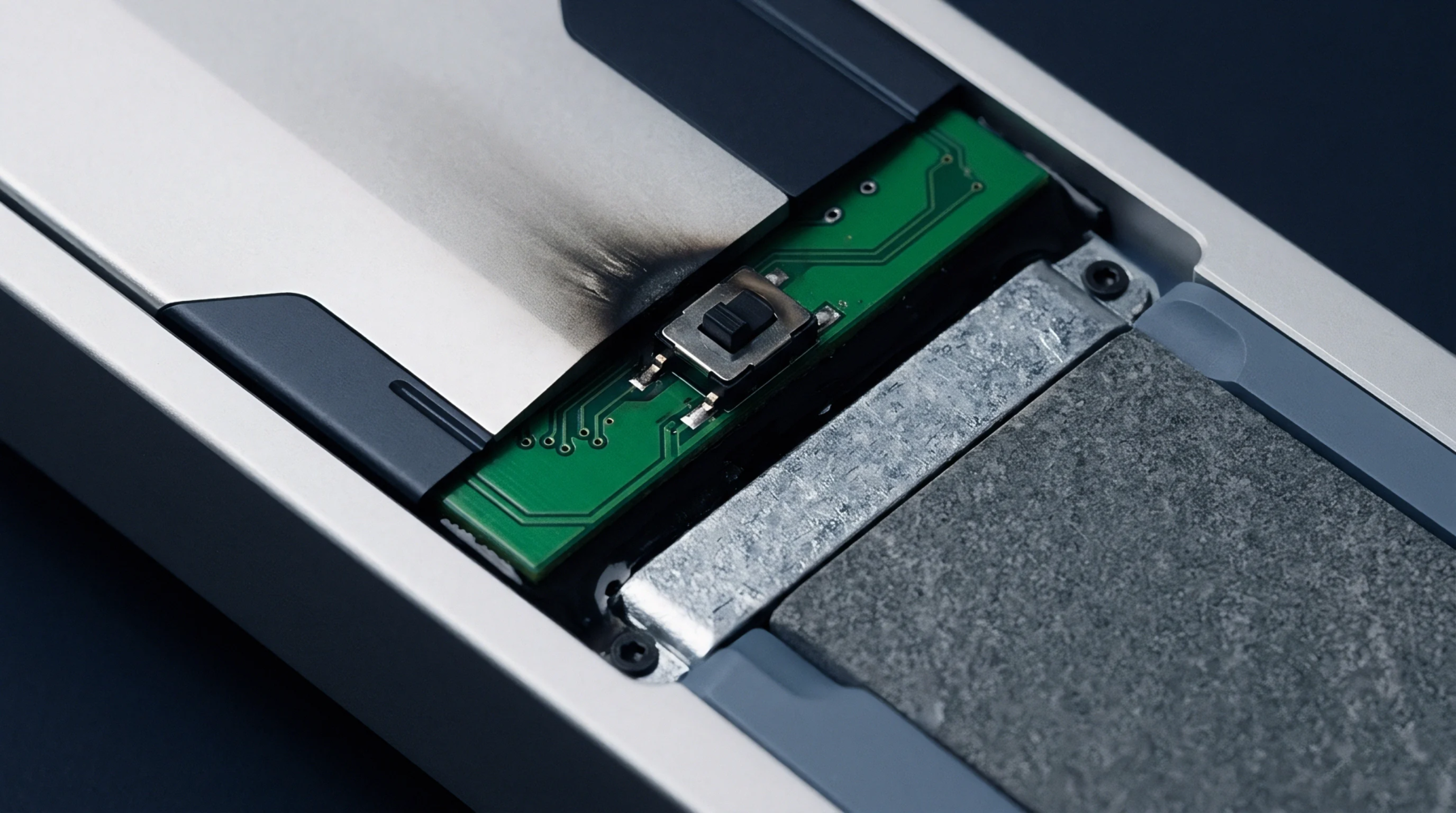
Rigorous RF substrate selection pairs tight dielectric tolerances with symmetric CTE stack-ups to prevent phase detuning and solder joint fatigue failure.

Mitigate landed cost expansion and cell degradation in ASEAN radio procurement by tying factory dispatch to local regulatory database verification.

Evaluating polysilicon trap passivation requires multi-voltage step testing to detect acceleration factor inversion that compromises RF switch linearity and range.

Navigating Southeast Asian radio approvals demands local in-country testing, local representative holders, and strict adherence to regional band allocations.

Secure native ECAD databases, unencumbered trace intellectual property, and calibrated manufacturing data before authorizing production migration.

Pre-certified wireless modules bypass intentional radiator testing under 10,000 units, trading higher bill-of-materials cost for immediate regulatory clearance.

Lock microcode execution to foundry-burned silicon IDs via authenticated key tokens and own all tooling NRE to stop shared assembly lines leaking IP.

Expedited TCB fees pay off only when daily retail delay penalties or airfreight surcharges exceed the administrative premium and test exhibits carry zero errors.

Firmware ownership and escrow verification define true hardware landed cost by hedging against vendor lock-in, forced board respins, and unmaintainable binaries.

Metallic host enclosures induce cavity resonances and seam slot leakage, requiring pre-scans and host-level radiated testing despite modular pre-grants.

Shared ODM architectures are identified through identical PCB layouts, matching device tree memory maps, unified tooling marks, and shared FCC test filings.

Arbitral quantum in tooling expropriation recovers replacement costs, extraction friction, and re-qualification downtime margin minus verified mitigation.

Depreciated replacement cost sets objective escrow bond values to neutralize factory possessory liens and legally extract cross-border production tooling.

A Class II permissive change is required whenever host integration changes antenna type, increases gain, reduces RF exposure distance, or adds collocation.

Injection mold dispute valuation deducts cycle fatigue, physical cavity wear, and missing CAD regeneration costs directly from baseline reproduction estimates.

Establishing HSM enclosures on SMT lines requires strict Z-axis force caps, outgassing vents, and air-gapped key injection to prevent bricking.

Trap-rich layers suppress buried oxide field concentration under multi-carrier RF excitation, preventing substrate non-linearities from degrading linearity.
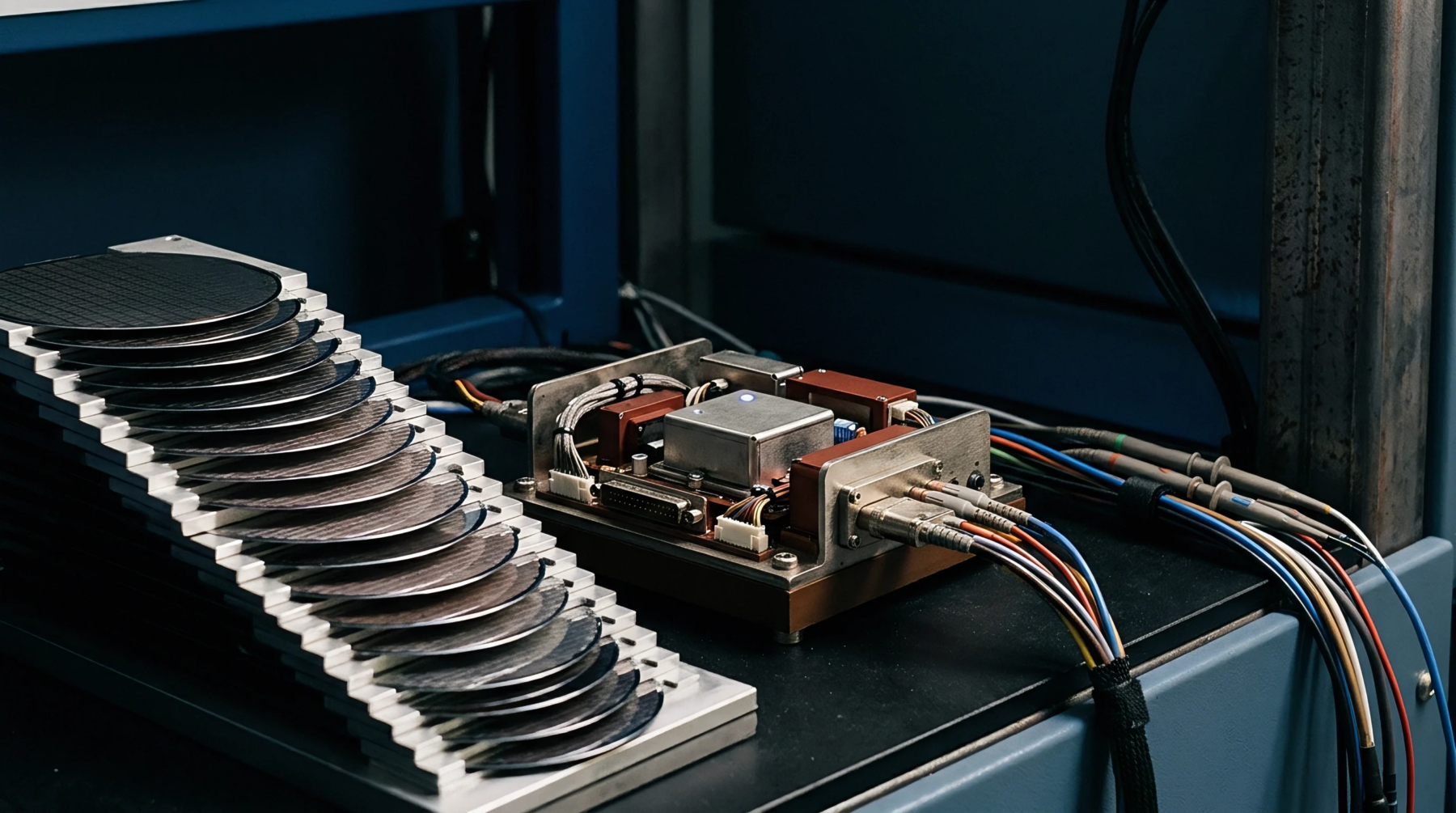
Trap-rich layers eliminate parasitic surface conduction in high-resistivity silicon, suppressing harmonic distortion and insertion loss in RF front-end modules.

Automate factory scrap reconciliation by linking assembly line discard scans directly to certificate revocation endpoints before final product packaging.

Pre-programmed secure elements eliminate line-side injection cycle penalties while direct microcontroller OTP flashing demands isolated hardware security modules.
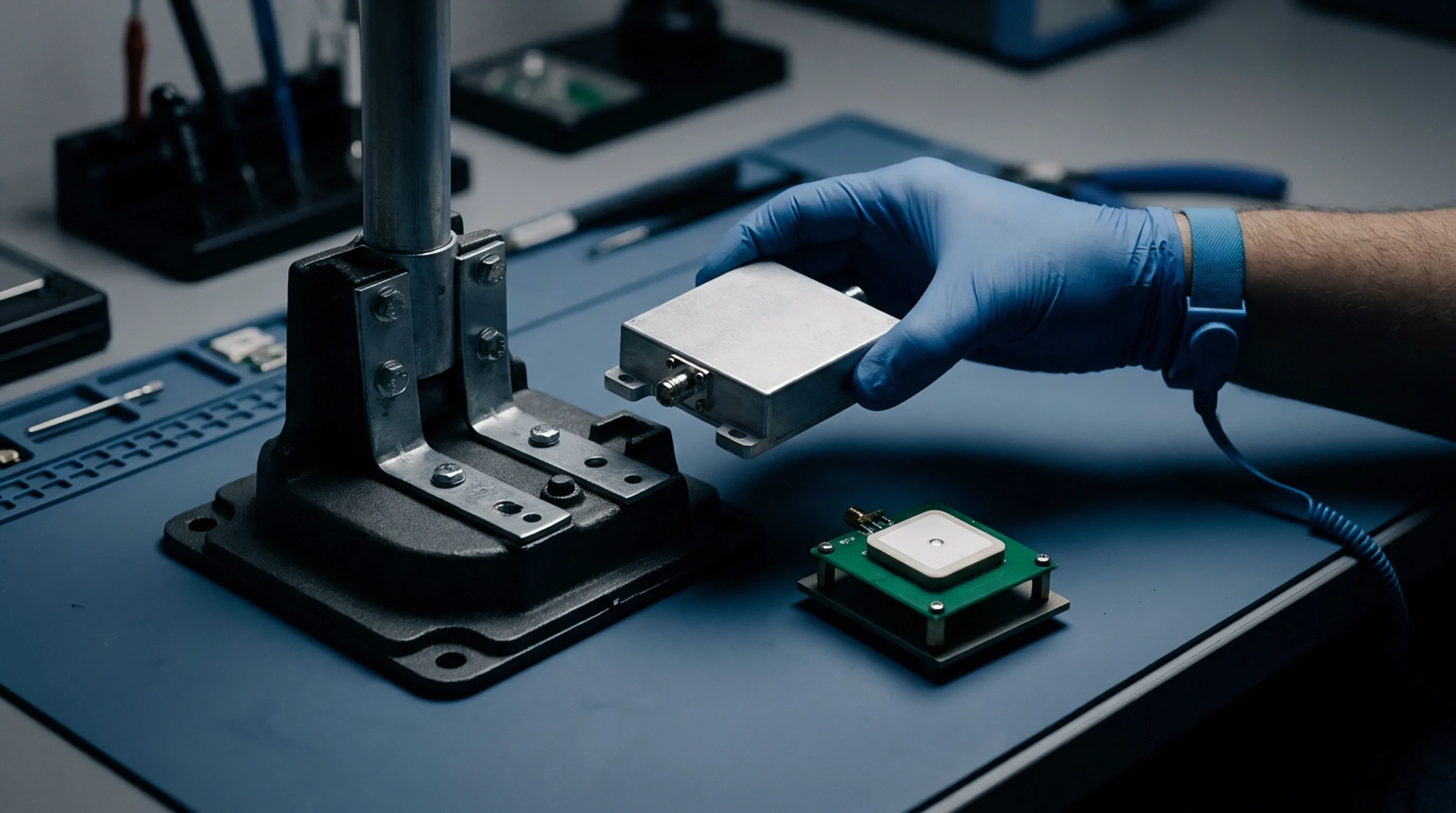
Characterizing glass-weave interface hydrolysis prevents latent phase skew and dielectric loss in mmWave interconnects by enforcing hydrophobic silane sourcing.

Signed regulatory binaries bound to immutable hardware roots prevent invalid country code configurations from enabling non-compliant radio frequency emissions.

Harmonizing modular transmitter grant numbers requires locking firmware power tables and mechanical tooling clearances directly to the original grant parameters.
Expertise is a utility, not a secret. sentiention™ publishes its working knowledge as open reference: intelligence layer covering the materials it sources, the markets it enters, and the reference that serves both.