Meaning
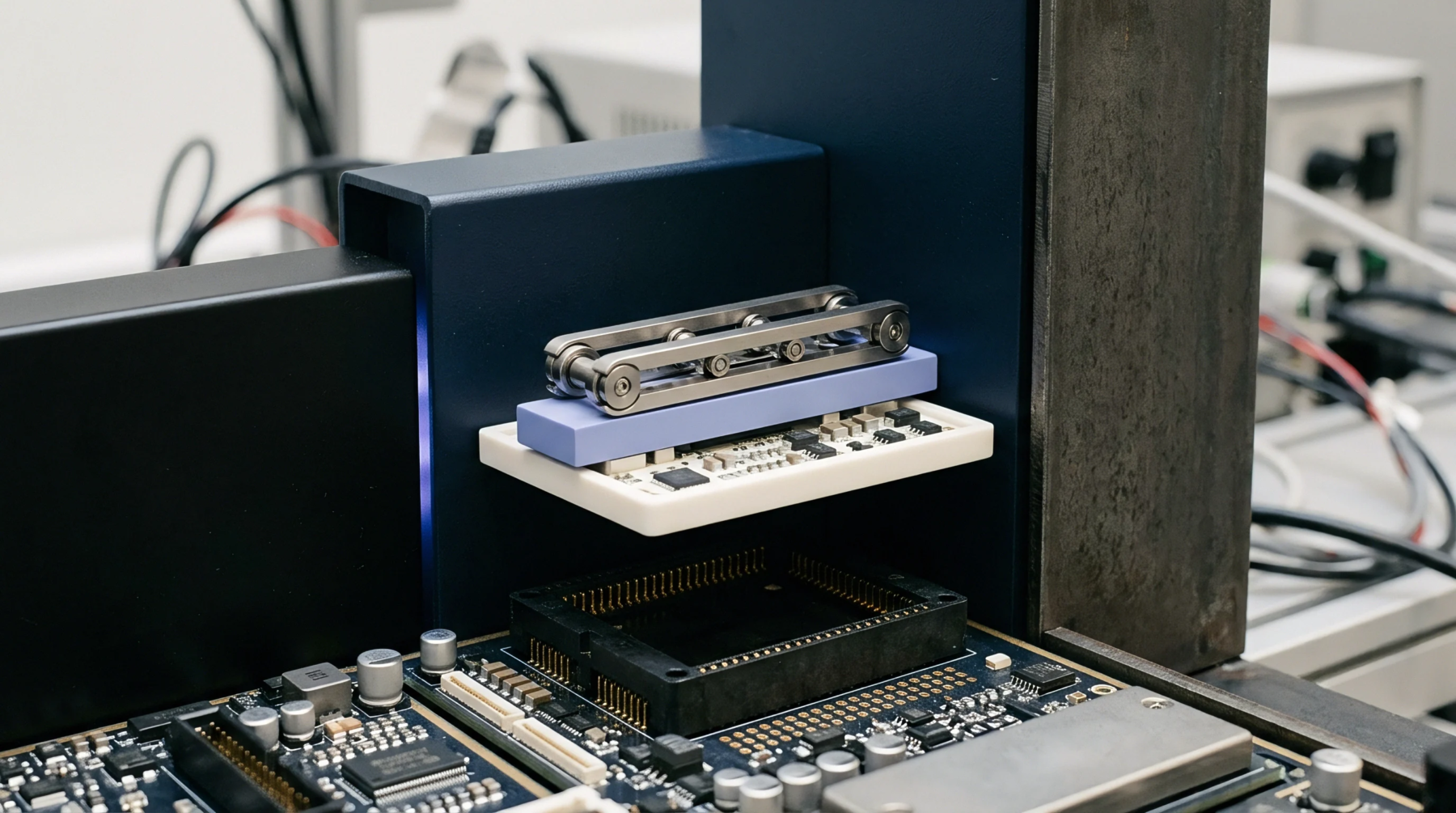
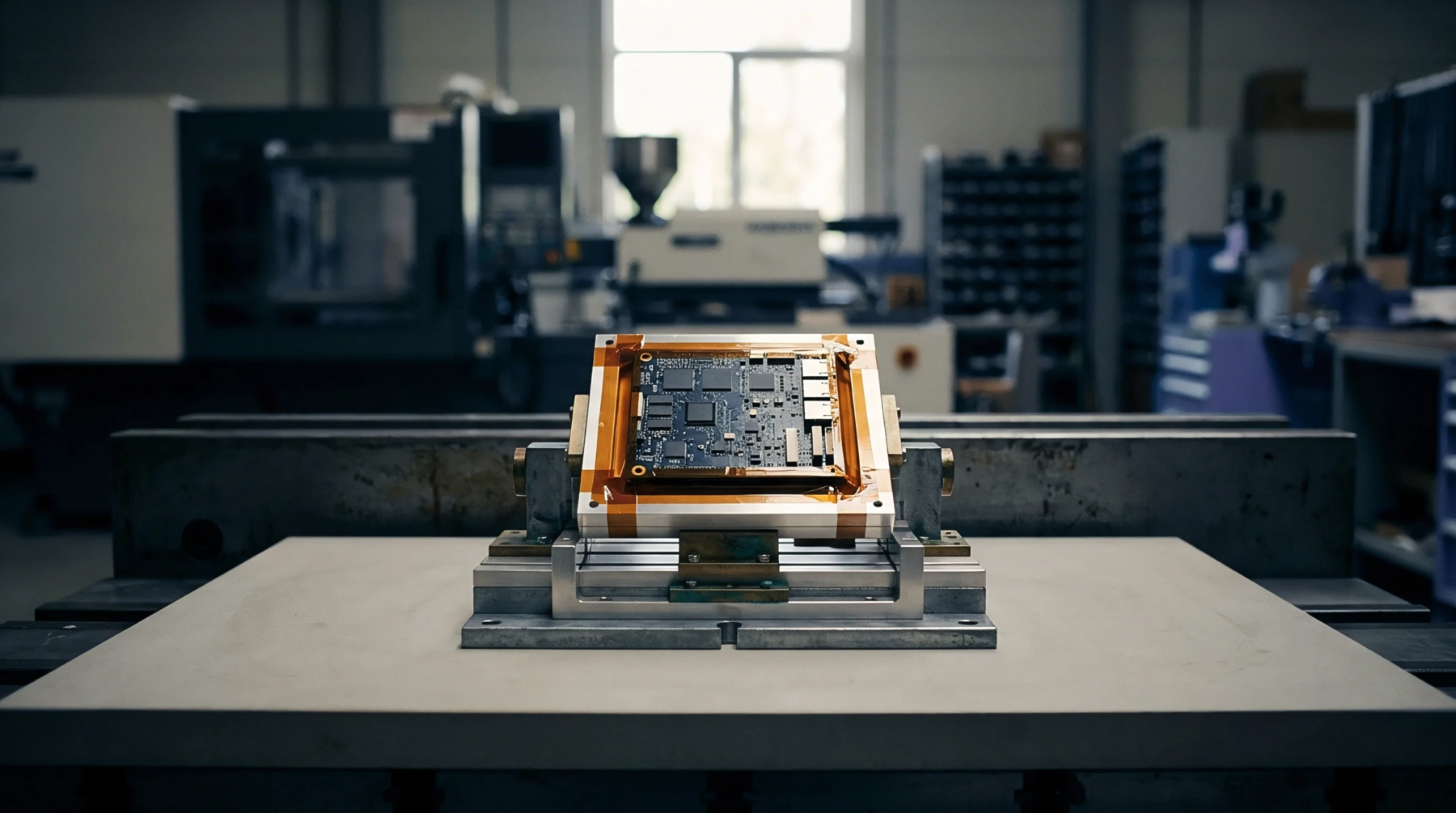
Custom test equipment utilizes an array of spring-loaded probes to establish electrical contact with test points on a printed circuit board. A bed of nails connects to automated test systems to verify continuity and component values across a populated board.
Test Fixture
Probes are held in a drilled plate that aligns with the specific test points of the design. When the board is pressed down on the bed of nails, electrical circuits are completed through the probes. This mechanism allows the test system to apply voltages and measure currents at nodes.
Signal Accuracy
High frequency signals require short probe lengths to minimize parasitic inductance during measurement. In a typical bed of nails, the probe impedance can introduce measurement errors if not calibrated out. Guard traces and ground return paths around the probes keep noise levels low.
Accurate measurements prevent the acceptance of defective boards.
Mechanical Strain
Downward force from the press can bend the circuit board and damage solder joints. A bed of nails must distribute the probe pressure evenly to prevent fractures in multi-layer boards. Strain gauges are often mounted to test boards to measure this deflection.
If the strain exceeds specified thresholds, the fixture must be modified. Backing pins are positioned on the fixture to support thin boards and prevent excessive warping during the testing cycle.