
Subterranean Radio Propagation Path Loss and Cellular Module Coupling Mechanics
Subterranean cellular operation trades battery lifespan for reach through coverage enhancement modes that overcome soil attenuation and aperture slot coupling loss.

Subterranean cellular operation trades battery lifespan for reach through coverage enhancement modes that overcome soil attenuation and aperture slot coupling loss.

Structure foreign radio registrations through independent representatives or direct applicant codes to prevent commercial distributors from holding regulatory lockouts.

Managing multi-vendor RF design transfers requires native IPC-2581 data structures, synchronized change controls, and standardized ATE test files.
Korean Radio Conformity ownership dictates import clearance rights: foreign manufacturers holding direct grants prevent distributor lock-in and manage market access.

Validating PCB manufacturing files for wireless modules demands automated netlist audits, explicit impedance stackup definitions, and aperture rule checks.

Thermal drift in crystal resonators forces wider MAC guardband windows, multiplying receiver active listen times and accelerating battery depletion.
Dynamic carrier steering roaming scans pull continuous multi-hundred milliamp current bursts that prematurely exhaust battery reserves without backoff tuning.
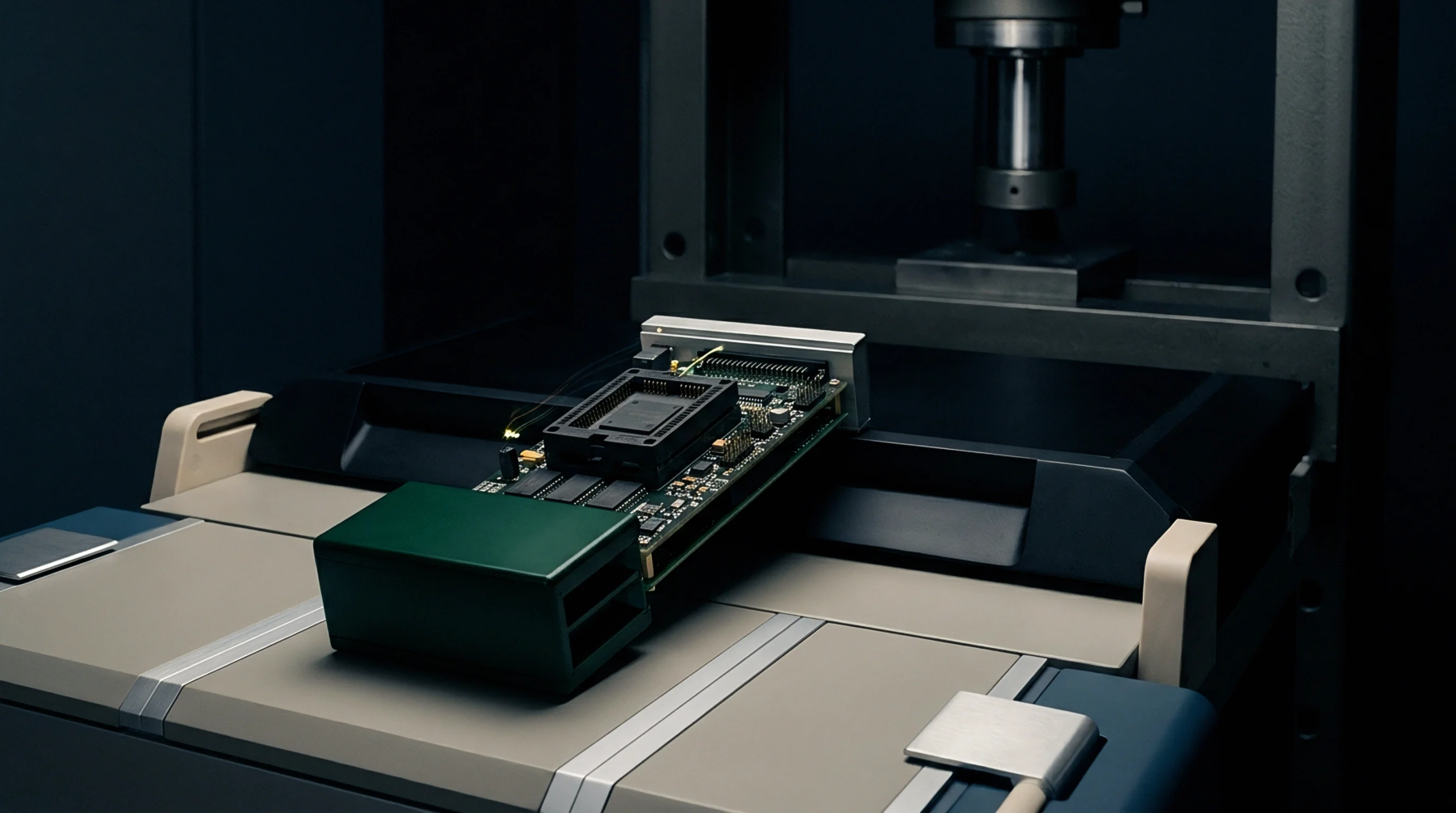
Verify ATE fixture escrow deposits by executing golden unit loopback tests on independent builds while enforcing pogo pin replacement at 100k cycles.

Autonomous firmware backoff algorithms convert continuous cellular roaming search loops into stateful sleep cycles, preserving battery life during network denial.

Modem attach retries at peak RF output drain battery packs rapidly; firmware must enforce exponential backoff and PSM sleep to preserve battery life.

Optimizing unattached transceiver backoff timers prevents severe passivation voltage dips and extends primary lithium battery service life past ten years.

Cross-border cell search draws peak currents up to 2.1 A during band scans, requiring conservative timer limits and profile rules to avoid battery brownout.

Cellular attachment current drops significantly when restricted band scanning and extended PSM timers prevent full-spectrum RF searches during initial registration.
Cellular IoT power management matches PSM and eDRX timers to application frequency while decoupling peak pulse currents from battery internal resistance.

Receiver preamble guard windows must equal twice absolute drift uncertainty plus preamble length minus baseband correlation time to maintain link budget.

Decoupling HAL code requires isolating vendor driver calls behind abstract C interfaces, securing raw source files, and contracting explicit API acceptance tests.

Uncompensated 32kHz tuning-fork crystal thermal drift expands sub-GHz node receive guard windows, consuming battery capacity during sleeping cycles.

Exceeding simple SAR summation thresholds requires peak location separation ratios below 0.04 to avoid multi-thousand-dollar volumetric chamber testing.
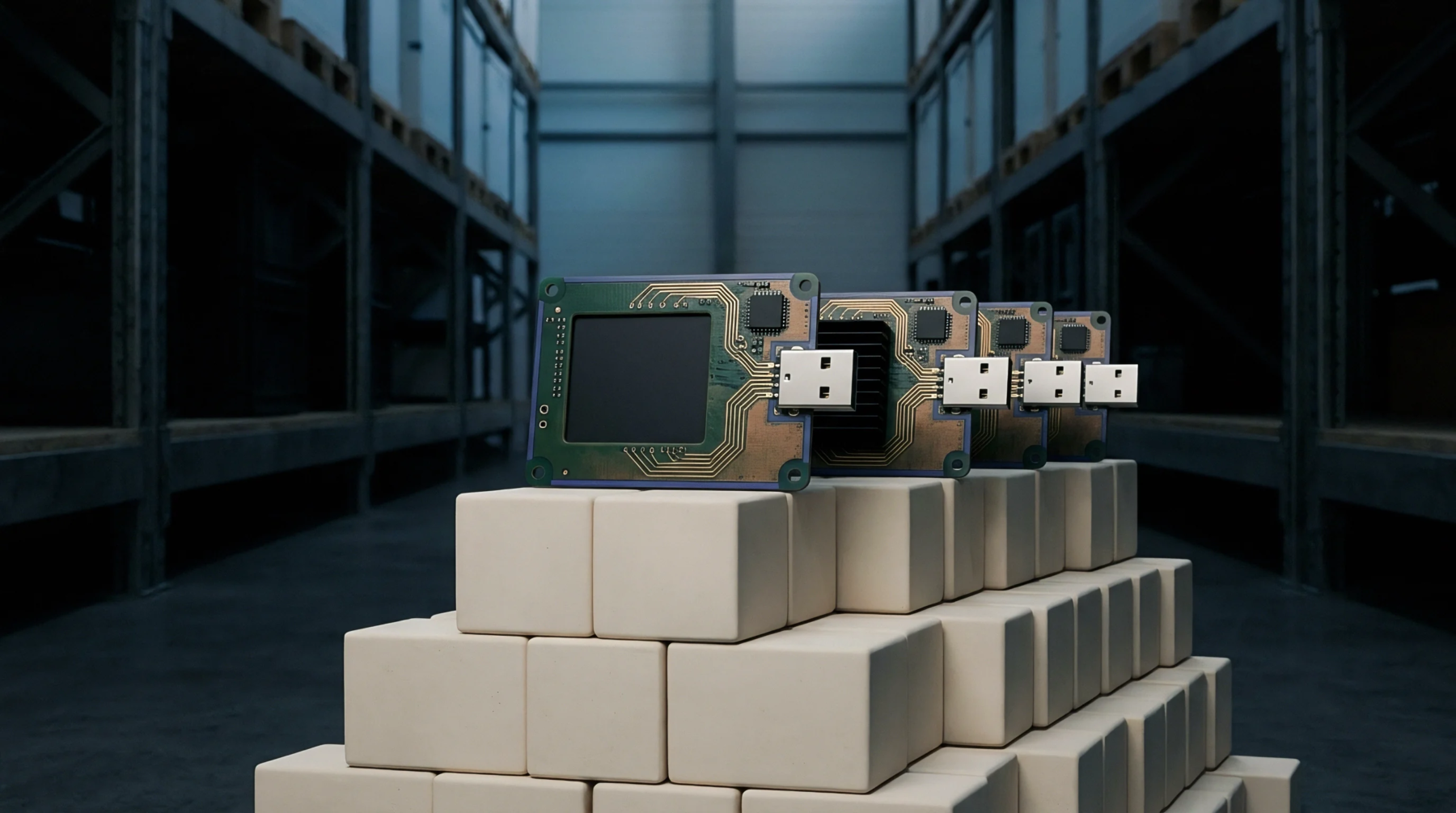
Unbundling module driver source code eliminates vendor lock-in, exposes silicon errata, and guarantees host OS porting control at predictable NRE costs.

Integrating instantaneous frequency offset polynomials over sleep intervals expands receiver guard windows accurately without wasting battery capacity in low power nodes.

Auditing physical asset wear and unfulfilled engineering deliverables offsets unamortized NRE claims during second-source semi-custom module transitions.

IMSI switching consumes fixed 1.5 to 18 Joules; executing switches becomes energy-efficient only when roaming timer backoffs exceed four attach retries.

Isolating undocumented silicon errata requires bare-metal assembly isolation routines, stepping identification, and precise SOW change-control terms.

Resolving border clearance failures requires deterministic test firmware defaults and complete outer packaging mark compliance before import shipping.

Managing visited cellular network NAS overrides requires firmware that accepts assigned timers, prevents aggressive attach retries, and protects battery life.

E-label menu pathways must reach regulatory marks within three logical steps without specialized codes, SIM cards, or active network connections at border entry.

Auditing subcontractor fabrication assets and firmware sources requires clean-room compilation, vector validation, and milestone retainage enforcement.

Standardizing hermetic compiler containers and prefix mapping flags resolves binary non-determinism during secondary factory firmware bring-up qualification.

Electronic display compliance requires direct menu access within three user steps, offline non-volatile firmware storage, and matching physical packaging marks.

Establishing a verified pre-scan quiet zone baseline isolates host emissions from ambient noise, preventing costly formal accredited chamber retests.
Expertise is a utility, not a secret. sentiention™ publishes its working knowledge as open reference: intelligence layer covering the materials it sources, the markets it enters, and the reference that serves both.