
In Circuit Testing Physical Node Access Protocols for Modified Assemblies
Reworked PCBA node access requires mechanical probe relief, netlist reconciliation, and target re-mapping before executing in-circuit tests.
Reworked PCBA node access requires mechanical probe relief, netlist reconciliation, and target re-mapping before executing in-circuit tests.

Undocumented silicon defect costs fall on the buyer under reference designs, but contractually shift to module vendors in turnkey scopes with rigid SLAs.

Screening escapes trigger supplier indemnity when board diagnostics prove latent defect presence before field thermal stress accelerates the fault.

Establishing HSM enclosures on SMT lines requires strict Z-axis force caps, outgassing vents, and air-gapped key injection to prevent bricking.

Managing firmware escrow and design transfers requires verified deterministic toolchains, complete EDA files, and factory test fixture documentation.

Yield-adjusted reallocation re-routes components based on real-time defect rates, matching component bin tolerances directly to assembly line density requirements.
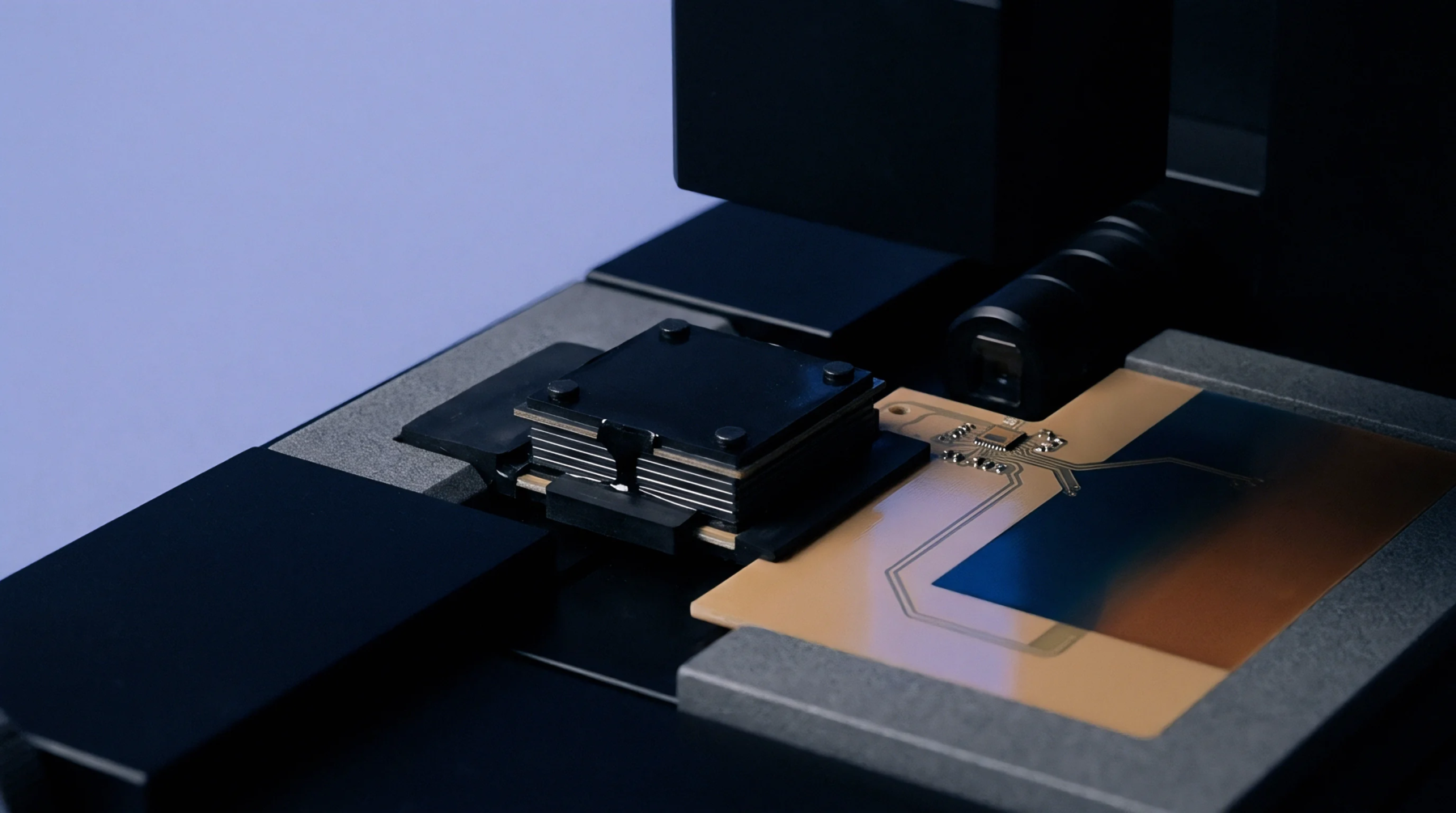
Dynamic register translation tables stored in OTP fuses or resolved at boot allow a single master firmware binary to run across varying multi-site hardware revisions.

Splitting manufacturing allocations causes yield divergence from stencil, reflow, and ATE variances, driving landed cost premiums up through scrap and NRE.

Extracting structural defect models for modified surface mount nets maps parasitic RLC shifts to maintain signal integrity and structural test coverage.
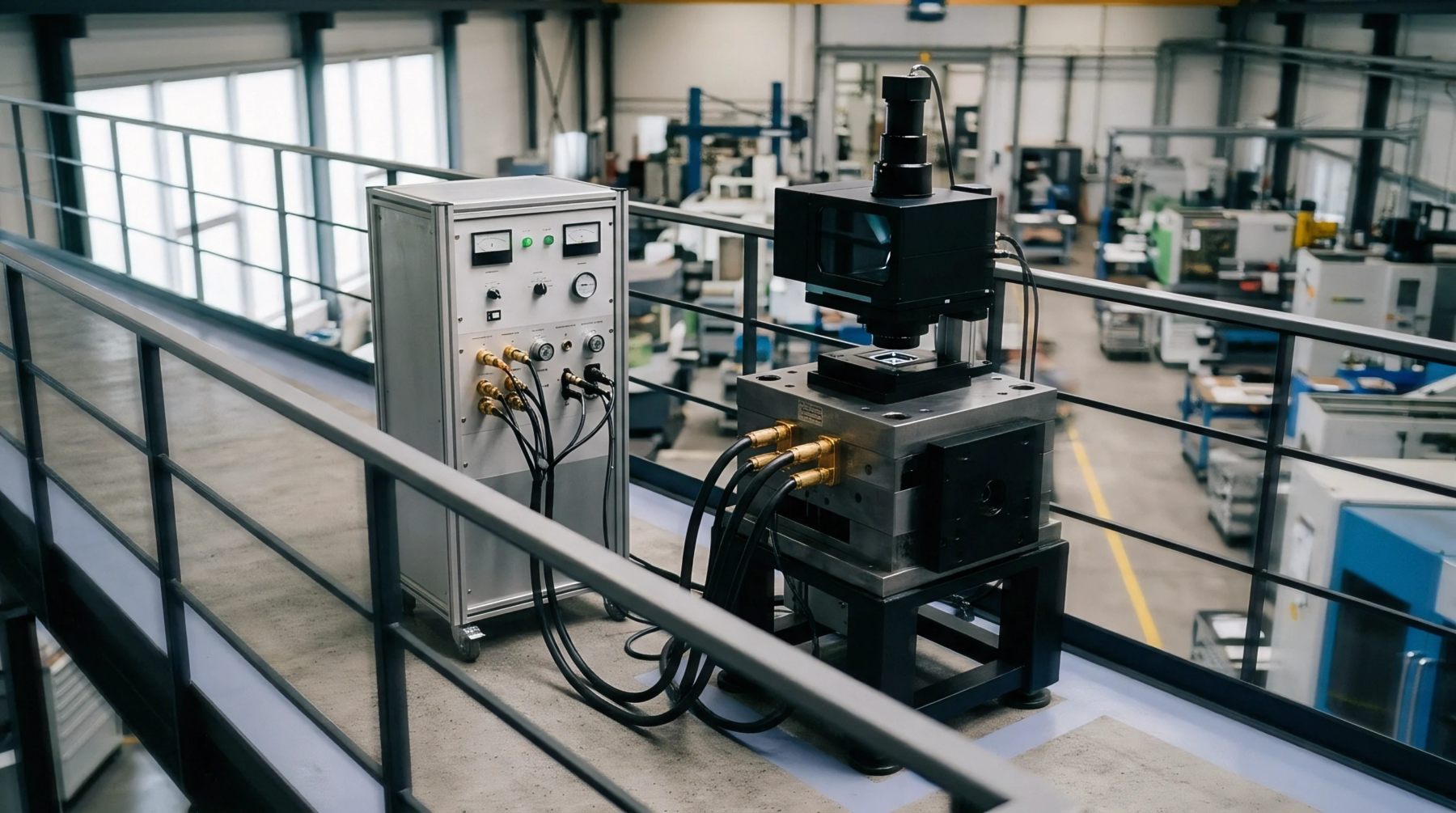
Standardizing hermetic compiler containers and prefix mapping flags resolves binary non-determinism during secondary factory firmware bring-up qualification.

Cryptographic key custody requires FIPS 140-3 HSM injection, credit-metered factory proxies, and strict scrap certificate revocation.

A complete wireless design transfer requires native CAD databases, test fixture software, and clear grant ownership to prevent dual-source failure.
Expertise is a utility, not a secret. sentiention™ publishes its working knowledge as open reference: intelligence layer covering the materials it sources, the markets it enters, and the reference that serves both.