
Managing Customs Clearance Holds Triggered by Discrepancies in Modular Approval Grant Scope
Customs clearance holds triggered by modular grant scope mismatches resolve through power table realignment, permissive filings, or amended import paperwork.

Customs clearance holds triggered by modular grant scope mismatches resolve through power table realignment, permissive filings, or amended import paperwork.
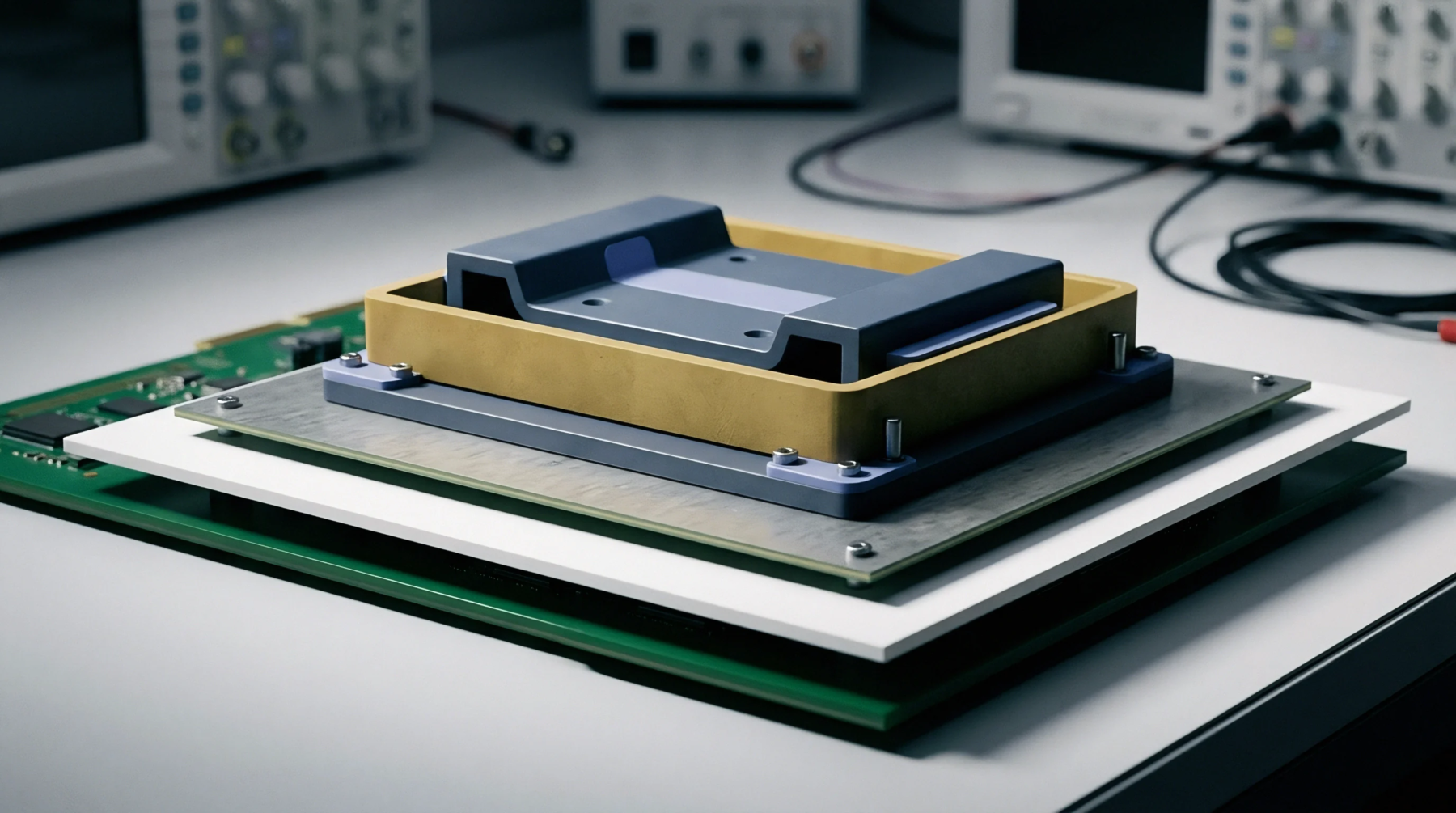
Verifying imported wireless device compliance requires cross-referencing grantee databases, matching host antenna gains, and auditing ISO 17025 test scope.

Anisotropic dielectric drift in composite enclosures detunes integrated antennas during temperature sweeps, triggering radiated compliance failures and re-filings.

Precise W-band dielectric characterization suppresses radome reflection, preventing boresight errors and eliminating costly regulatory recertification cycles.

Heavy RF reflection forces extended guard intervals and capped spatial streams matched to channel rank, preventing throughput collapse from inter-symbol interference.

Dual sourcing radio modules demands strict PCB trace impedance matching, rigorous Class II permissive change tracking, and dual technical documentation archives.
Define driver scope by file manifest enforce reproducible build toolchains and assign errata patching costs prior to contract execution

Host integrators assume full regulatory liability for non-compliant RF exposure and spurious emissions whenever physical host enclosure coupling, antenna substitutions, or co-located radios deviate from original modular grant conditions.

Selecting industrial Wi-Fi modules demands matching transmit power, receiver sensitivity, and hardware coexistence mechanisms to plant RF noise floor profiles.

Turnkey software baseline maintenance requires containerized toolchains, explicit repository custody, and dedicated NRE pools to survive hardware respins.

Host integrators holding third-party radio modules assume transmitter regulatory liability through trace compliance, filing maintenance, and localized testing.
Inter-carrier steering forces prolonged radio frequency scanning and timer renegotiations that accelerate battery passivation collapse and premature field failure.
Autonomous flash scrubbing telemetry prevents thermal bit flips in field radios by scheduling background memory rewrites during radio sleep windows.
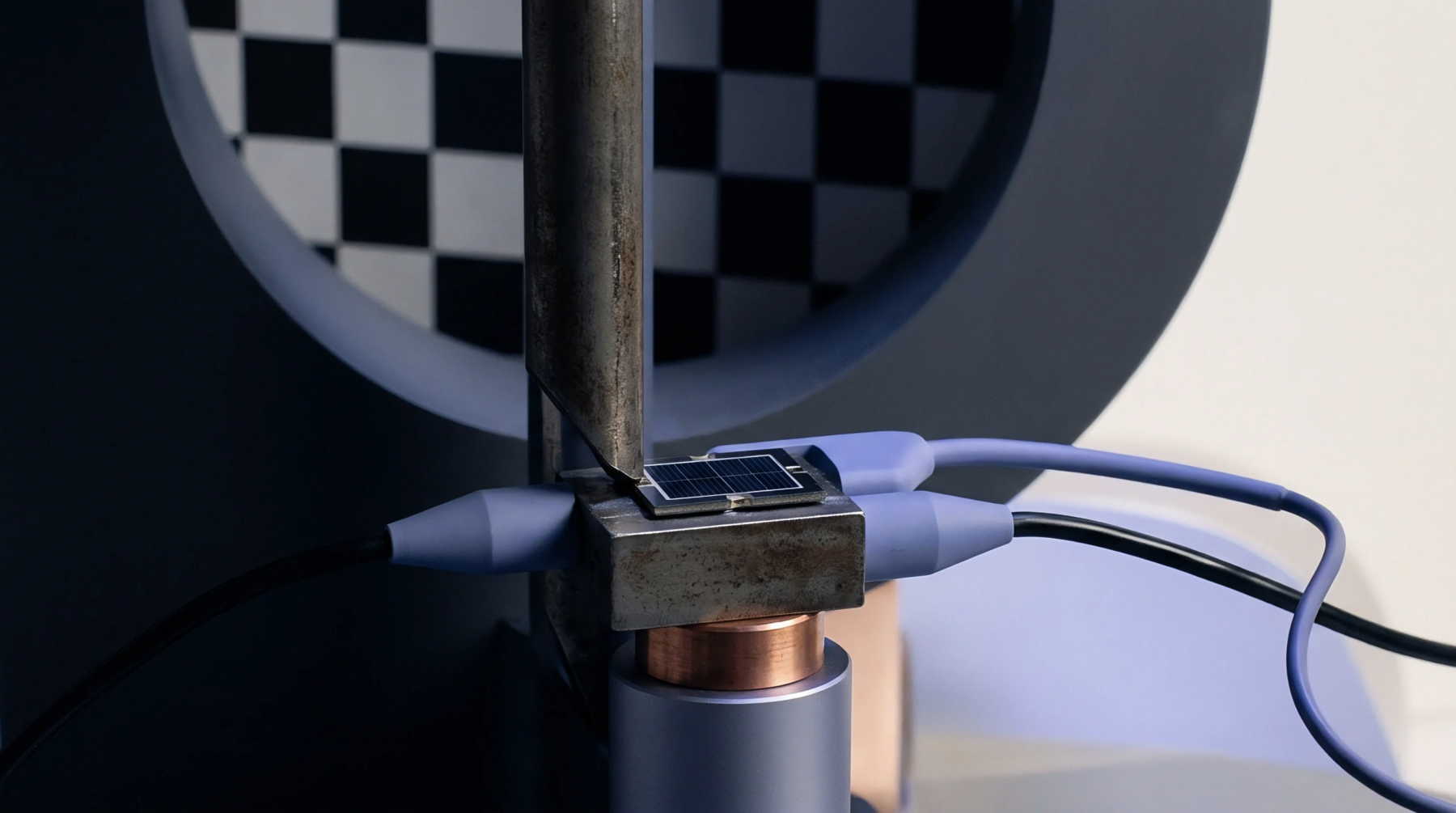
Static 1.1 eV Arrhenius acceleration overestimates cycled industrial flash data retention by up to 940 times under low-temperature trap-assisted leakage.
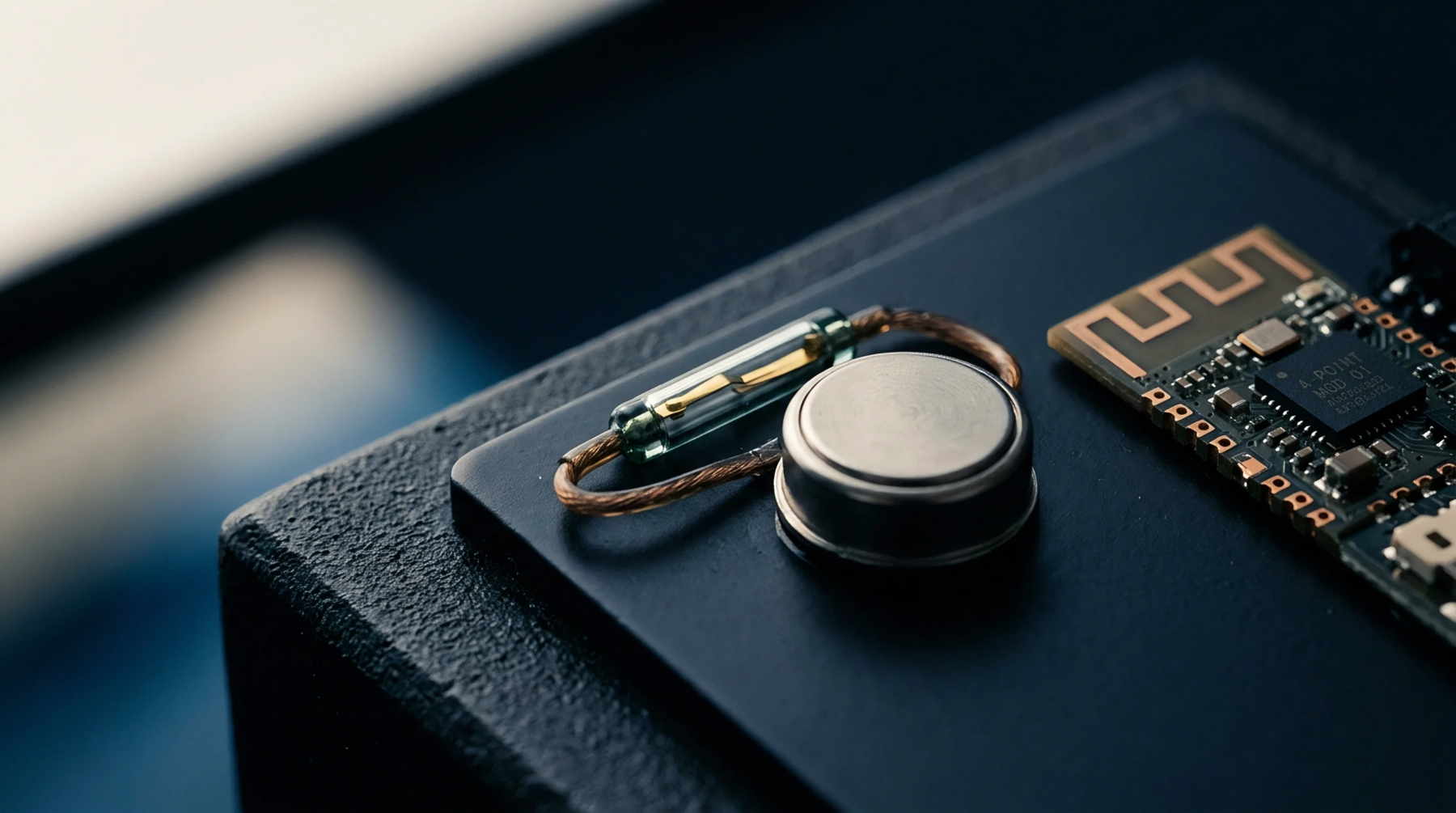
Near field to far field transformation errors in compact pre scan facilities stem from probe positioning, finite truncation, and phase retrieval instability.
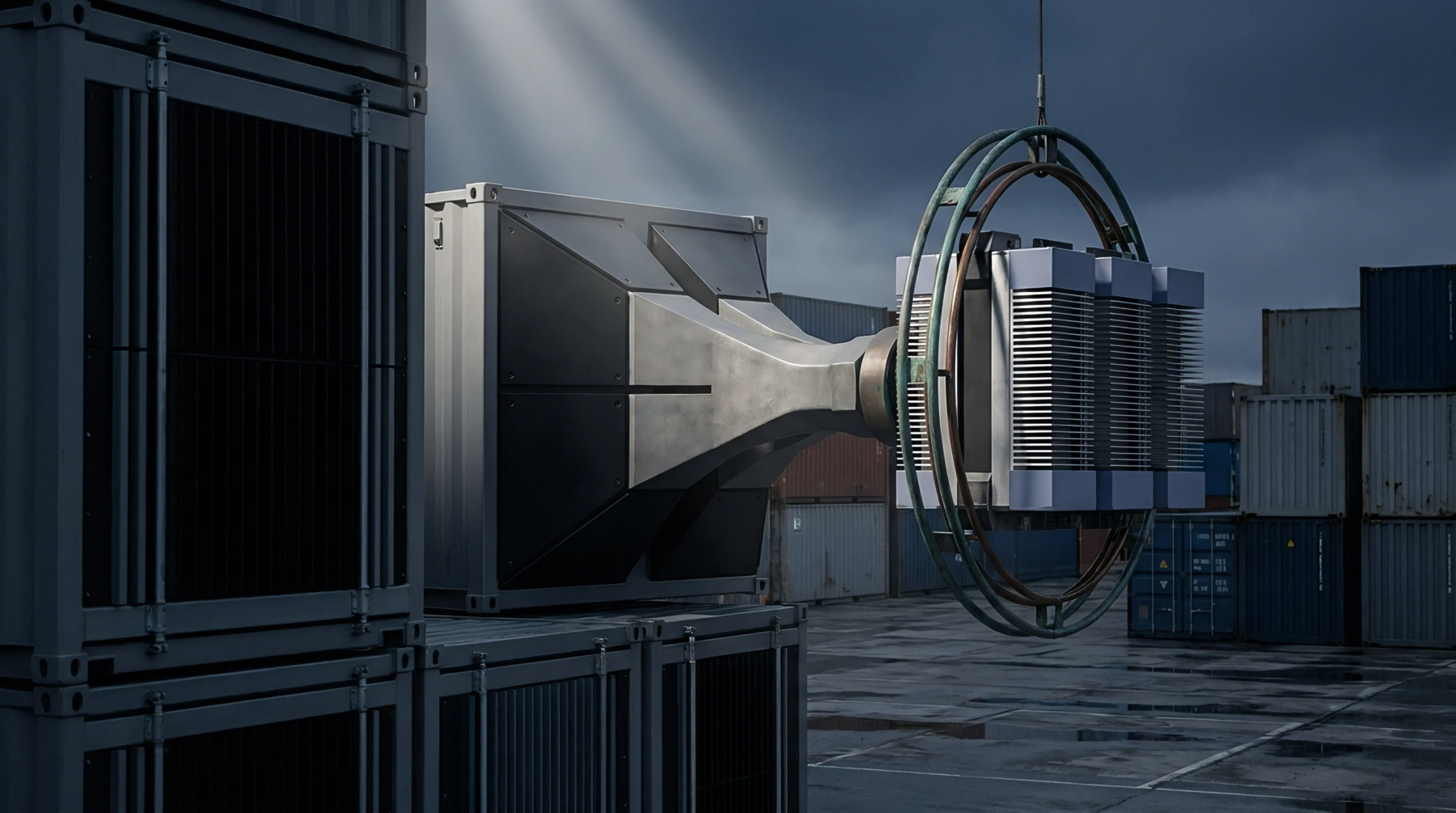
High ambient heat accelerates non-volatile memory charge leakage through thermionic emission and trap tunneling, degrading stored radio calibration data over time.

Firmware source ownership in dual-factory transfers relies on unbundled NRE terms, containerized build environments, and audited escrow deposits.
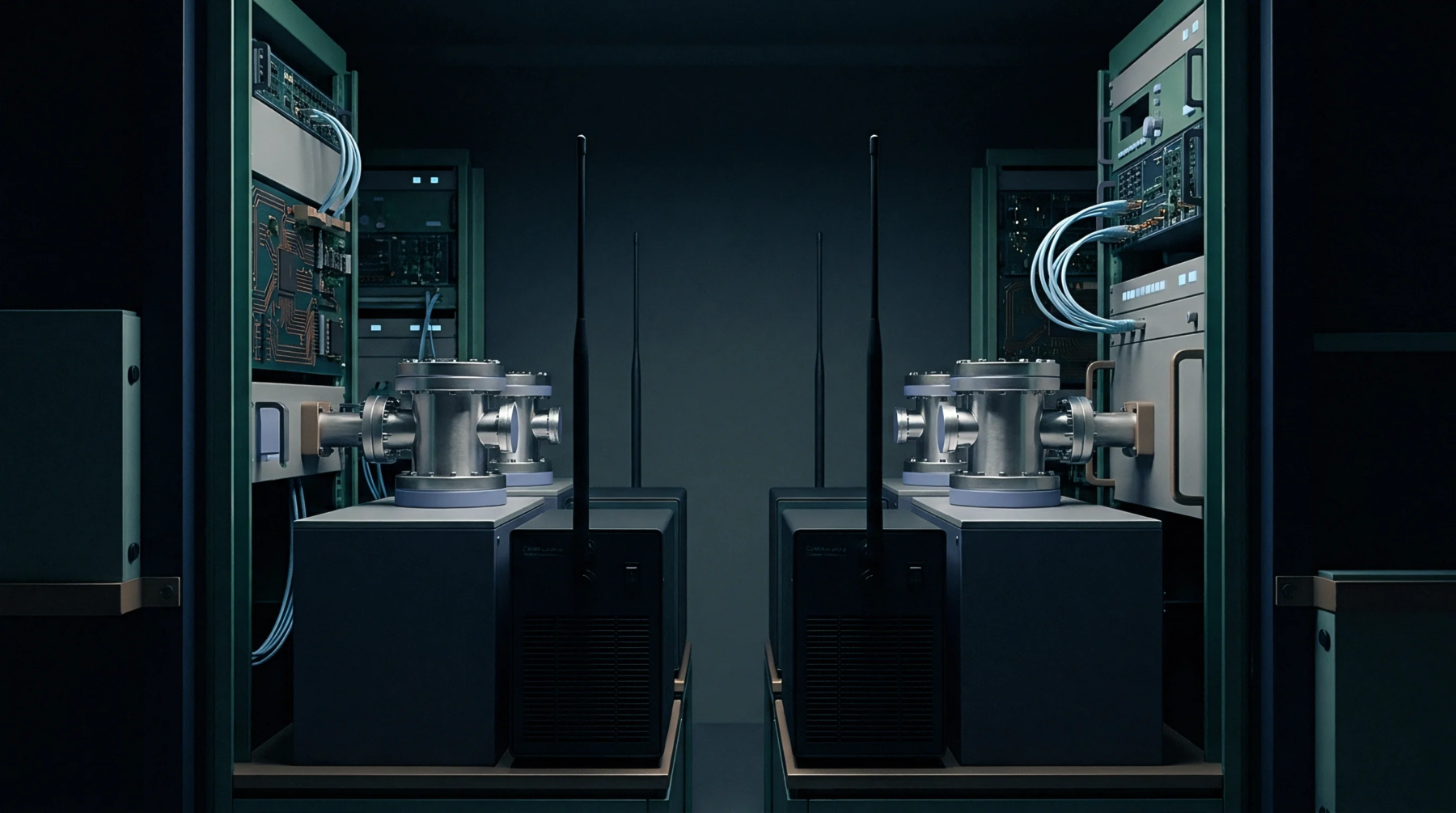
Integrating approved radio modules into custom host enclosures alters radiated spurious emissions, demanding targeted spot checks to preserve market compliance.
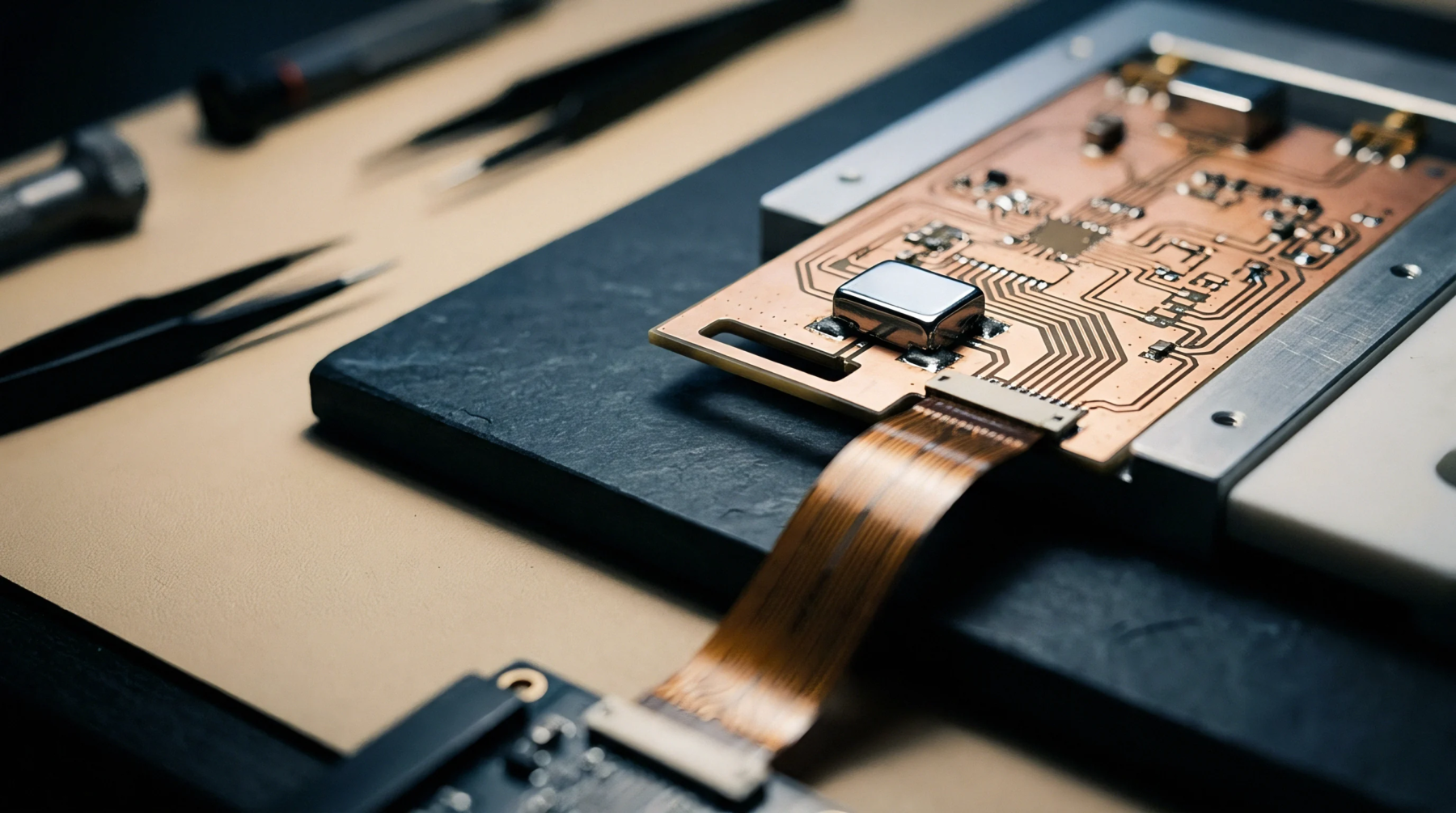
Engineering change thresholds lock Form, Fit, and Function boundaries to prevent unannounced factory alterations from voiding certifications and degrading yields.

Metal layer changes alter integrated transceiver parasitic reactances, corrupting factory calibration matrices and degrading RF performance without recalibration.
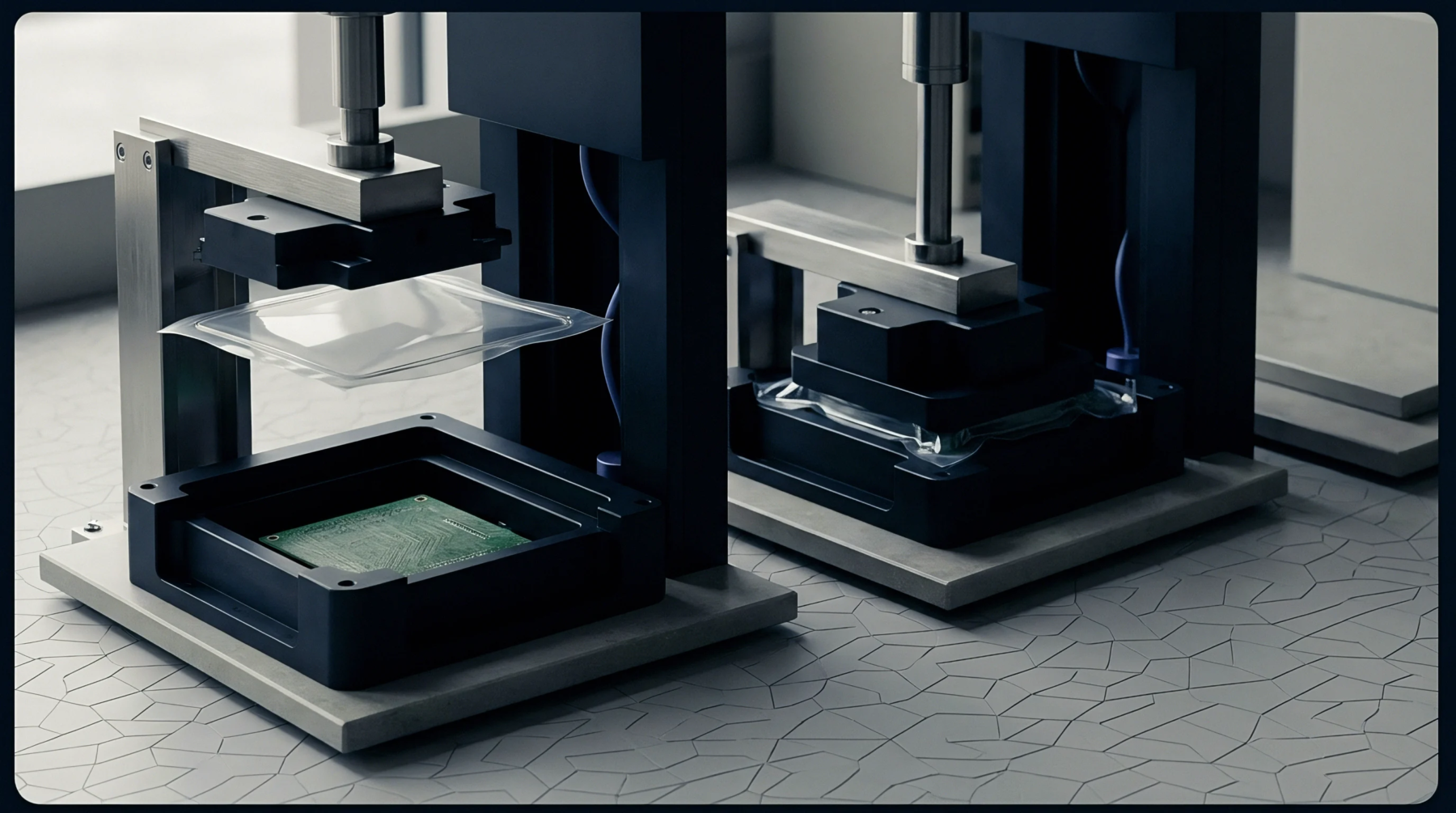
Classifying firmware delta impact before deployment prevents regulatory clock delays across multi-jurisdictional radio type approvals.

Laboratory radiated delta scans isolate RF emission changes caused by firmware updates to verify modular approval validity without full re-certification testing.

Software updates altering RF output power, occupied bandwidth, duty cycle, or band limits exceed Class I limits and demand Class II or Class III filings.
SRRC approval for dual-band radios demands locked firmware power tables, local agent coordination, and strict host radiated spur compliance to avoid re-test delays.

Silicon stepping qualification requires register-level ID verification, driver patch synchronization, RF harmonic re-testing, and contractually defined NRE cost allocation.
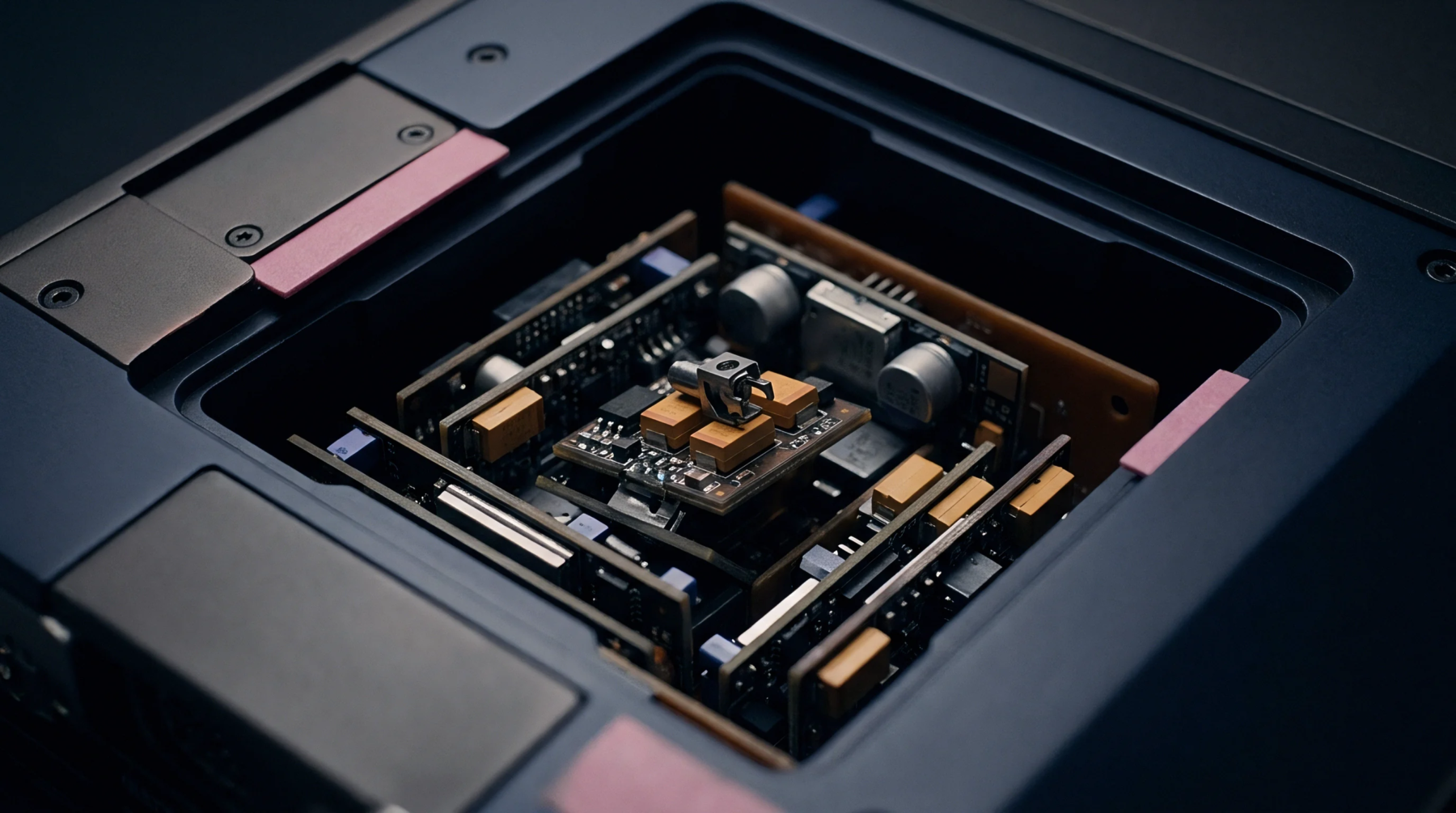
Obtaining SRRC type approval requires accredited domestic laboratory testing, valid in-country agency representation, and strict RF emission compliance.

Characterizing thermal drift in multi-axis test fixtures eliminates artificial yield loss by isolating structural thermal expansion from true module electrical performance.

Dynamic Time Averaged Radiated Power Control replaces static power attenuation by dynamically allocating energy across rolling windows to maintain compliance.
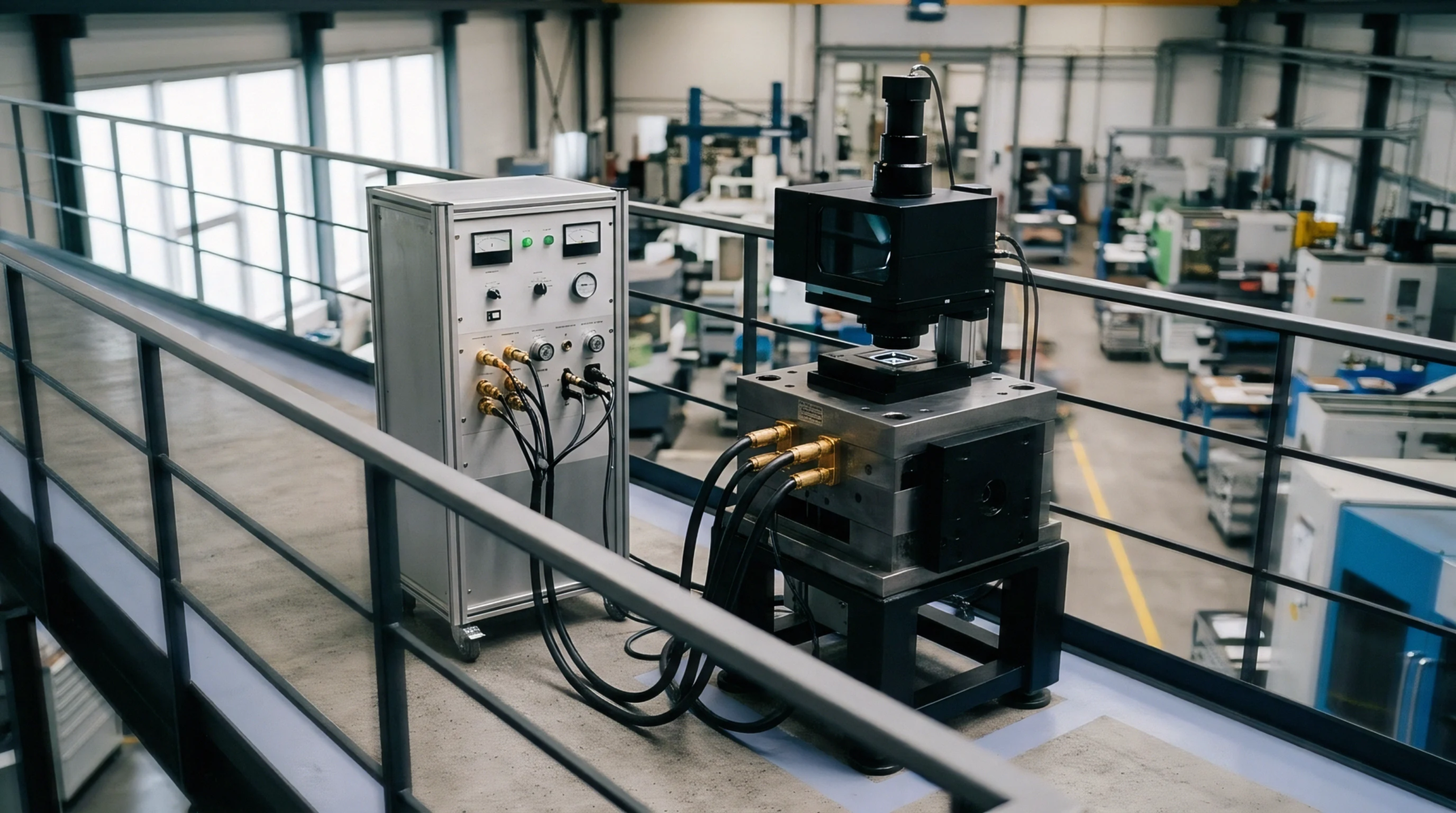
Tooling drift costs combine line stoppage labor, scrapped assemblies, and re-qualification fees, demanding automated inline sensor verification.

Modifying host enclosures or antenna gains triggers mandatory KC partial re-testing under South Korean RRA rules to avoid border holds and grant revocation.
Expertise is a utility, not a secret. sentiention™ publishes its working knowledge as open reference: intelligence layer covering the materials it sources, the markets it enters, and the reference that serves both.